


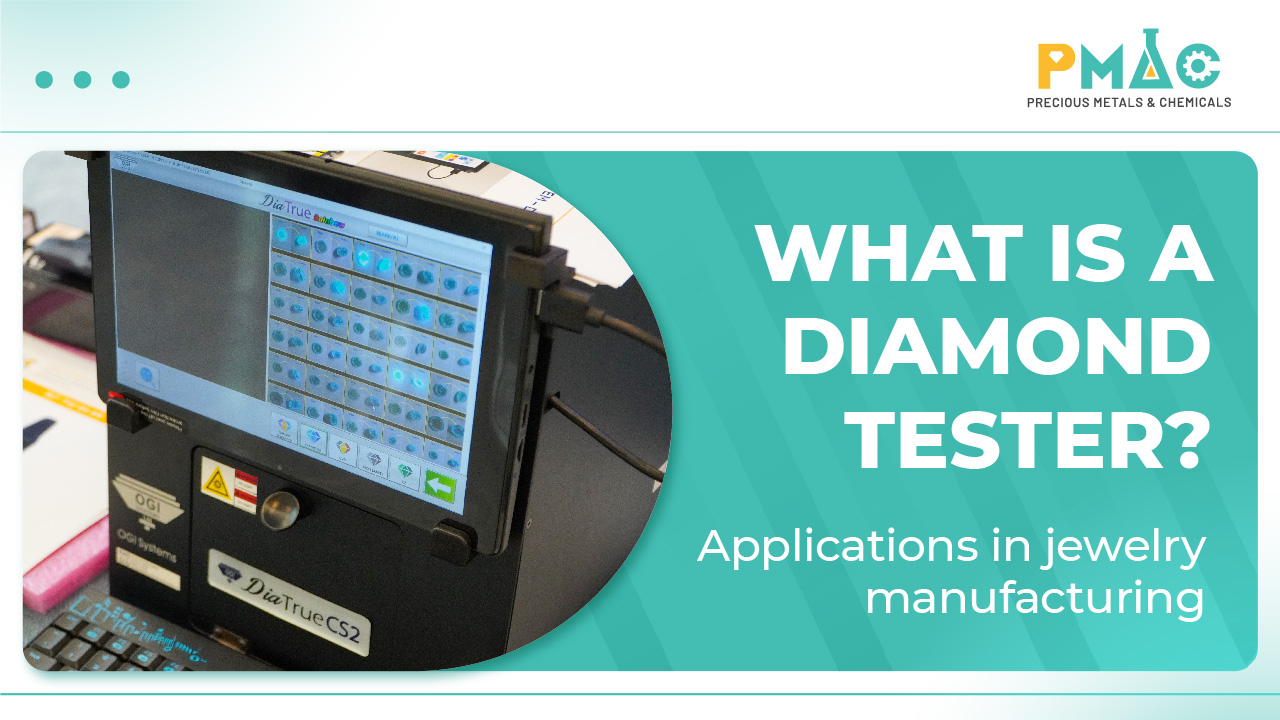
Diamonds have always been regarded as symbols of value, prestige, and craftsmanship. However, with the increasing presence of synthetic diamonds, Moissanite, and other imitation stones, distinguishing real diamonds from fakes has become increasingly challenging. For this reason, diamond testers have become indispensable tools for jewelry stores, gemological laboratories, and manufacturing workshops. These devices not only accurately verify diamonds but also evaluate key characteristics such as color, cut, clarity, weight, and crystal structure. In this article, PMAC provides a detailed introduction to diamond testers, including their structure, operating principles, common types, applications, and important considerations when choosing the right device.
I. What is a diamond tester?
A diamond tester is a specialized device used to verify and identify real versus fake diamonds, while also assessing key characteristics such as clarity, color, cut, weight, and crystal structure. Depending on the technology employed, a diamond tester can distinguish natural diamonds, lab-grown diamonds, Moissanite, Cubic Zirconia (CZ), and many other imitation stones available on the market.
II. Structure and working principle of a diamond tester
1. Structure of a diamond tester
A standard diamond tester typically consists of the following main components:
– Thermal or heat sensor: Measures the rate of heat transfer, a characteristic indicator of natural diamonds.
– Electrical conductivity sensor: Helps distinguish real diamonds from Moissanite or other simulant stones with conductive properties.
– UV/LED light source: Emits UV or specialized light to read the stone’s fluorescence response.
– Sample holder or chamber: Secures the diamond or jewelry during testing to ensure accurate results.
– Camera / magnifying lens: Assists in identifying optical features, displaying them directly on the screen.
– Display screen: Shows the evaluation results, such as Diamond, Moissanite, Lab-grown, Simulant, etc.
– Processor and analysis software: Collects data from sensors and processes images to provide quick and clear conclusions.
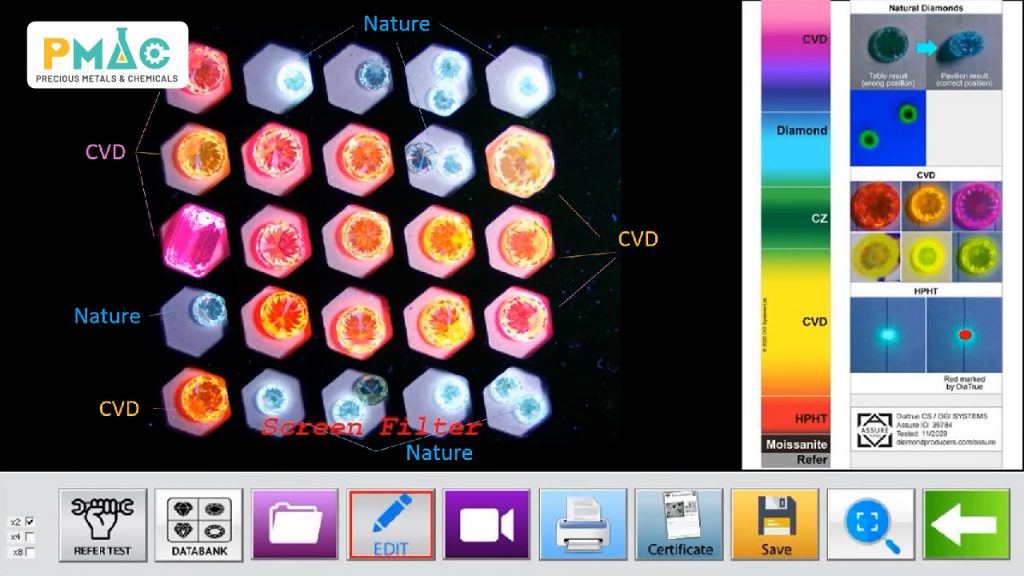
Figure 1: Basic structure of a diamond tester
2. Working principle of a diamond tester
Diamond testers operate by analyzing the characteristic physical and optical properties of real diamonds.
Thermal conductivity testers measure heat transfer, a property unique to natural and lab-grown diamonds. Electrical conductivity testers are used to distinguish Moissanite, as its electrical conductivity differs from that of diamonds. UV–VIS–IR spectroscopy-based testers analyze how the stone absorbs and reflects light, allowing identification of the diamond’s unique crystal structure.
For high-end models, AI and multi-spectral cameras are employed to read fluorescence patterns, cut quality, and inclusions, enabling precise identification of natural diamonds, lab-grown diamonds, and high-quality simulants. By leveraging these technologies, diamond testers provide fast, accurate assessments suitable for jewelry stores, gemological laboratories, and jewelry manufacturing workshops.
>> Read more: Reliable diamond and gemstone testing devices
III. Popular diamond testers on the market
On the market today, there are many diamond tester models with varying features and price points. Among them, the OGI CS2 and OGI CXL2 are the most commonly used, thanks to their fast and accurate testing capabilities, making them suitable for jewelry stores, retail shops, and gemological laboratories.
1. OGI CS2 diamond tester
The OGI CS2 is a standard diamond tester designed for jewelry stores and gold shops that need to quickly determine real versus simulated diamonds.
Fast and accurate testing:
It only takes a few seconds to classify multiple diamonds without requiring a gemologist’s intervention. This saves time and increases work efficiency, especially for businesses or stores that need to test a large number of diamonds.
Easy to use:
The OGI CS2 does not require a professional technician to operate, allowing stores and businesses to save on staff training costs and easily integrate the device into daily operations.
Supports testing diamonds set in jewelry:
It can measure directly on rings, pendants, or earrings without removing the stones from the pieces. This is particularly important for jewelry stores, ensuring the quality of diamonds even after they have been crafted into products.
>> Read more: Optimal uses of the CS2 diamond tester
2. OGI CXL2 diamond tester
The OGI CXL2 is an upgraded diamond tester with advanced analytical technology, designed for high-end jewelry stores and professional gemological laboratories.
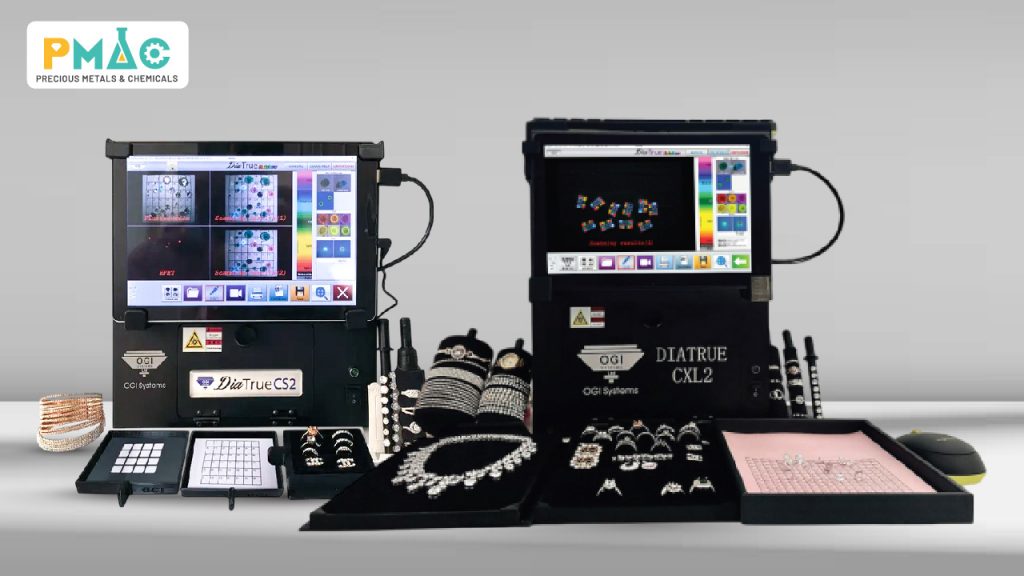
Figure 2: CS2 and CXL2 diamond testers at PMAC
Multi-spectral analysis technology:
Combines thermal, electrical, and optical measurements to comprehensively evaluate the structure of each stone.
High-precision identification:
Accurately distinguishes natural diamonds, CVD diamonds, HPHT diamonds, and various simulants. This enables quick verification of the origin and properties of a diamond, reduces transaction risks, and ensures transparency in diamond sales.
AI-powered software for fast, detailed results:
Processes images and data instantly, providing precise, comprehensive results on a wide-screen display.
IV. Applications of diamond testers in the jewelry industry
1. Identifying CVD and HPHT synthetic diamonds
Diamond testers help distinguish natural diamonds from lab-grown CVD and HPHT diamonds, which have very similar crystal structures.
Thanks to multi-spectral analysis and AI technology, these devices provide clear results such as: Natural Diamond, Lab-Grown CVD, Lab-Grown HPHT. This capability is especially important as synthetic diamonds become increasingly common and difficult to differentiate with the naked eye.
2. Identifying all types of gemstones on various jewelry pieces
The device can test loose diamonds or diamonds set in jewelry such as rings, necklaces, pendants, bracelets, earrings, etc., without needing to remove them.
It quickly detects simulant stones like moissanite, CZ, spinel, white sapphire, or other substitute gems. This helps jewelry stores ensure transparency in sales while minimizing risks when purchasing products from customers.
V. Considerations when choosing a quality diamond tester
1. Accuracy and inspection standards
Priority should be given to devices with high accuracy, verified by reputable and well-known companies in the industry. The machine must be able to identify Natural Diamonds, CVD, HPHT, Moissanite, and CZ with minimal error.
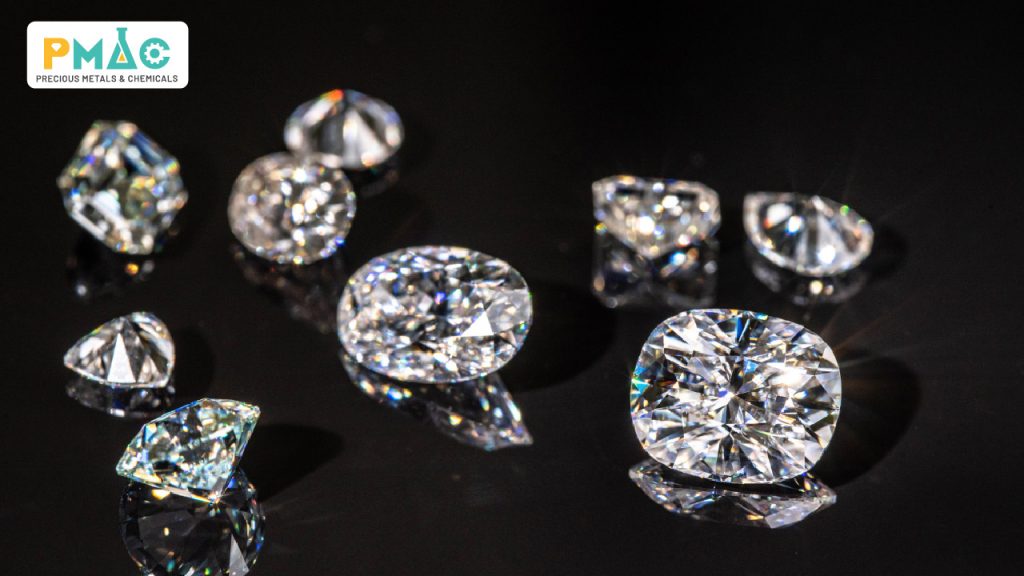
Figure 3: Distinguishing natural and lab-grown diamonds using the CS2
Additionally, it is recommended to choose equipment that uses optical, spectroscopic, and UV fluorescence technologies to ensure fast and precise results.
2. Origin and reputable brands
PMAC Joint Stock Company is the official distributor of diamond testers in Vietnam, offering professional consultation, technical guidance, and process control in accordance with international standards.
PMAC not only supplies diamond testing equipment but also partners with businesses to upgrade jewelry inspection technology, optimize production efficiency, and meet the demands of global supply chain digitalization.
With a team of experienced experts and a modern technical support system, PMAC is a trusted partner for all businesses in the jewelry and precious metals industry.
3. Warranty and technical support
When purchasing products from PMAC, customers receive a clear warranty period ranging from 12 to 24 months, or as specified by the manufacturer. Professional 24/7 technical support is provided, including machine inspection, repair, and calibration assistance whenever needed.
PMAC also offers training programs for proper equipment usage, software installation, machine operation, and routine maintenance. With a readily available inventory of spare parts, PMAC ensures fast maintenance and repairs, minimizing any disruption to business operations.
Conclusion:
Diamond testers are essential tools for enhancing quality, transparency, and credibility in the jewelry industry. From distinguishing Natural Diamonds, Lab-Grown, CVD, and HPHT stones to inspecting gems set in jewelry, these devices help businesses and jewelry stores optimize their testing and manufacturing processes. PMAC Joint Stock Company not only provides genuine diamond testers but also offers training, technical consulting, and maintenance support, ensuring businesses operate efficiently and professionally in today’s increasingly competitive jewelry market.
Contact PMAC for expert advice on effective diamond testing solutions!
HCM: High-Tech Center, 4th Floor, HUTECH Building, D1 Street, High-Tech Park, Tang Nhon Phu Ward, Ho Chi Minh City
HN: 22B Ơ2 Linh Dam Peninsula, Hoang Liet Ward, Hanoi City
(+84) 938 085 278
References:
https://pmac.asia/en/spectrometer/
https://dctech.com.vn/en/thiet-bi-do-thu-da-quy/2710-thiet-bi-thu-da-sds-ii.html