

In dentistry and medicine, requirements for biocompatibility, material durability, and corrosion resistance are always given top priority, because products are in direct contact with the human body and strict sterile environments. In this article, PMAC will analyze the role of electroplating chemicals, from their nature and applications to suitable technical solutions for the biomedical industry.
I. What are electroplating chemicals?
Electroplating chemicals are specialized electrolyte solutions used in the process of coating a thin metal layer onto the surface of a material by electrochemical methods. The purpose is to improve surface properties such as durability, corrosion resistance, electrical conductivity, aesthetics, and stability in the operating environment.
In biomedical applications, electroplating chemicals are specially formulated to meet strict requirements related to safety and biocompatibility.
II. Composition and characteristics of electroplating chemicals
In dentistry and medicine, electroplating chemicals must not only meet technical requirements but also ensure biological safety when in contact with the human body.
The main components include:
– Metal salts such as gold, silver, palladium, or rhodium ions provide the metal source for forming the coating layer.
– Additives and stabilizers that help the coating achieve uniform color, gloss, and adhesion.
– Solvents and conductive agents that ensure the electrochemical reaction occurs efficiently and evenly across the entire product surface.
Essential characteristics of electroplating chemicals for medical applications:
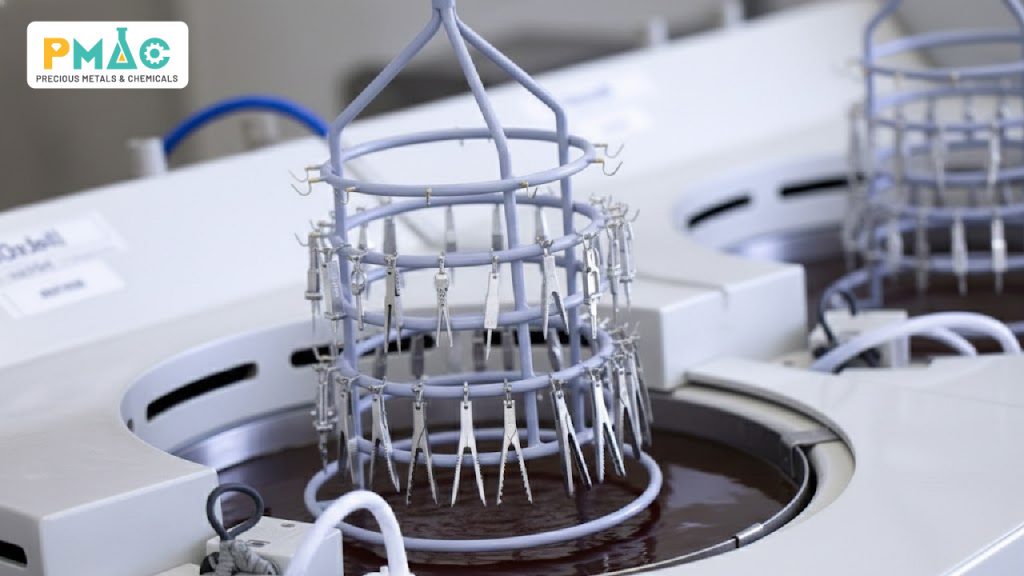
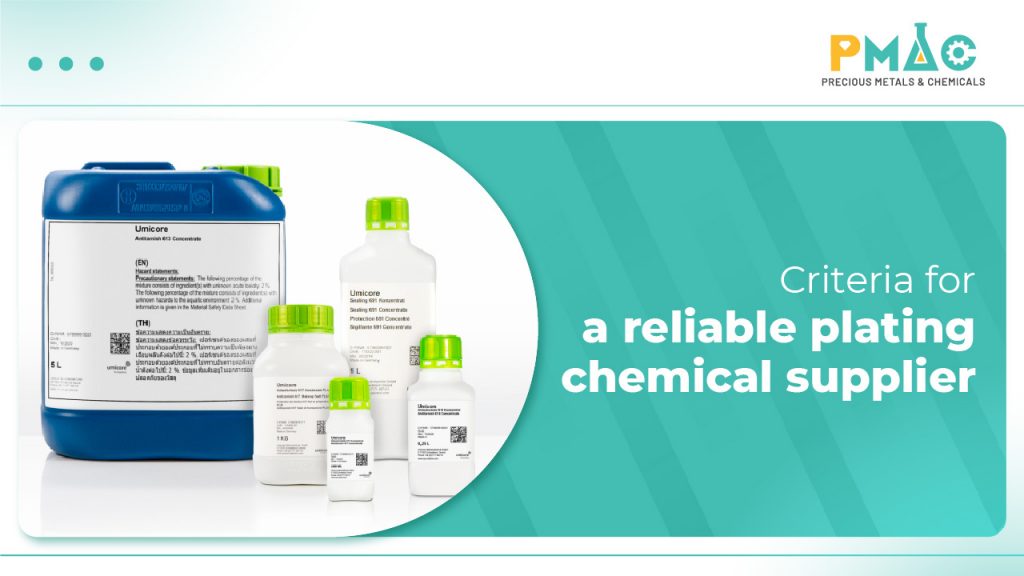
Image 1: Essential characteristics of electroplating chemicals for medical applications
– High chemical stability to maintain coating quality in body environments or sterilization conditions.
– Biocompatibility to avoid irritation or adverse reactions when in contact with human tissue.
– The ability to form coatings with corrosion resistance, mechanical durability, and high aesthetic quality, optimizing both functional and aesthetic purposes.
>> See more: Factors affecting electroplating coating quality
III. Applications of electroplating chemicals in dentistry
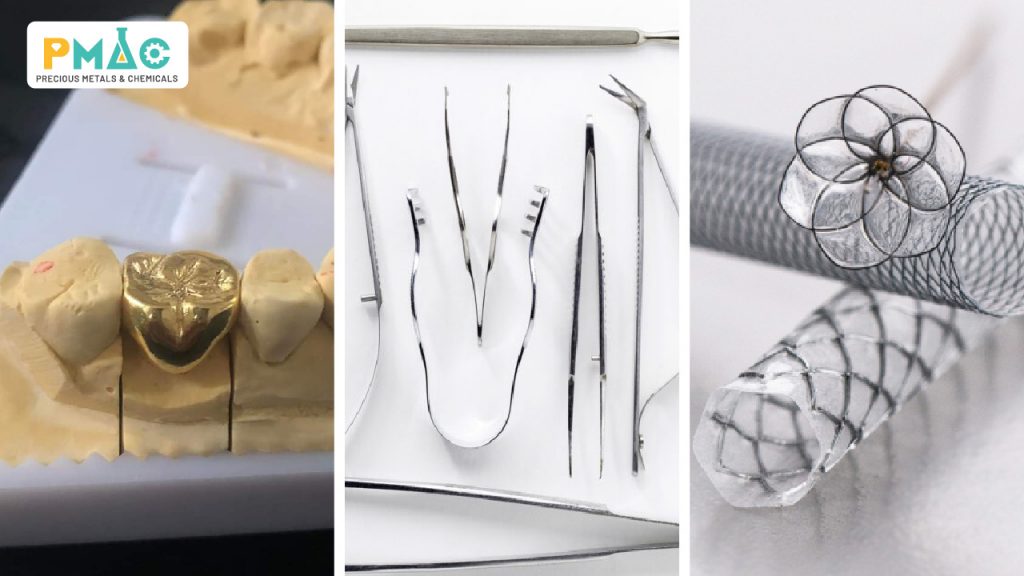
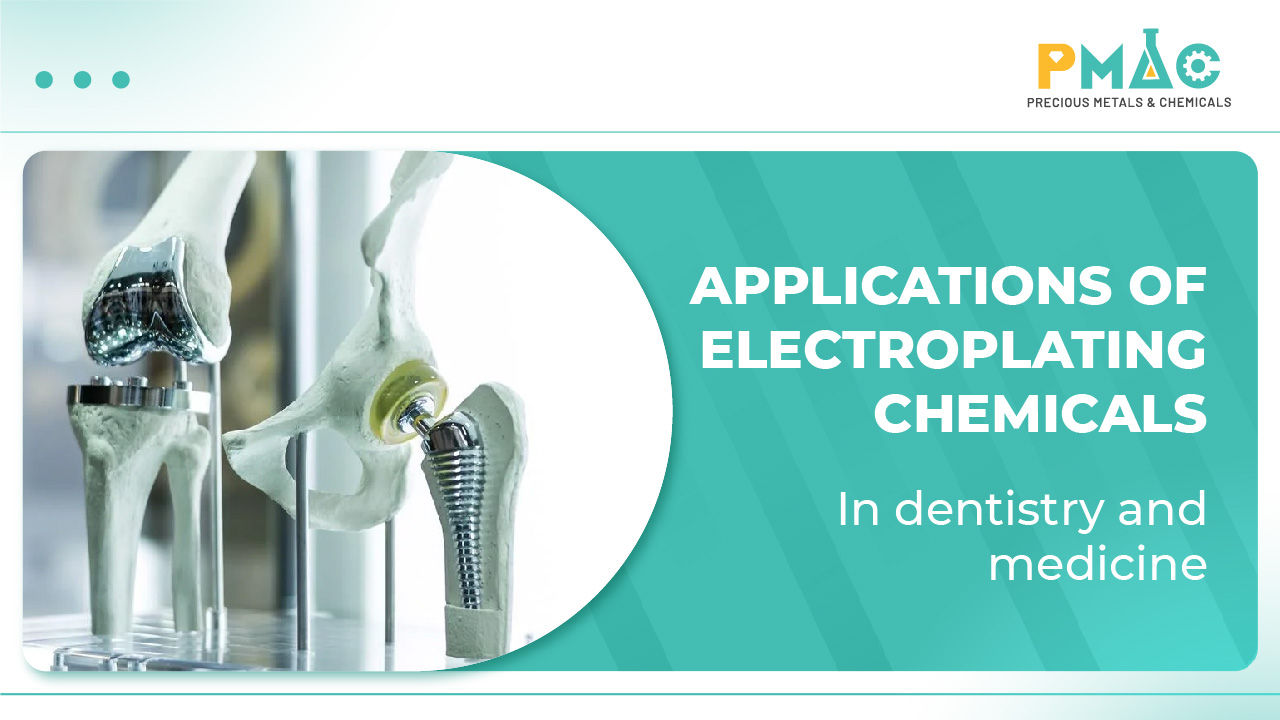
Image 2: Applications of electroplating chemicals in dentistry
In dentistry, electroplating chemicals play an essential role in improving the quality of dental products and restorations:
– Electroplating crowns, bridges, and framework structures helps enhance mechanical durability, corrosion resistance, and aesthetic appearance of dental prosthetics.
– The plated surface not only provides high gloss but also helps limit plaque formation and bacterial adhesion, which is crucial in the oral environment.
=> Using suitable electroplating chemicals ensures stable production processes and consistent dental product quality, minimizing technical defects during both manufacturing and clinical use.
IV. Applications of electroplating chemicals in medicine
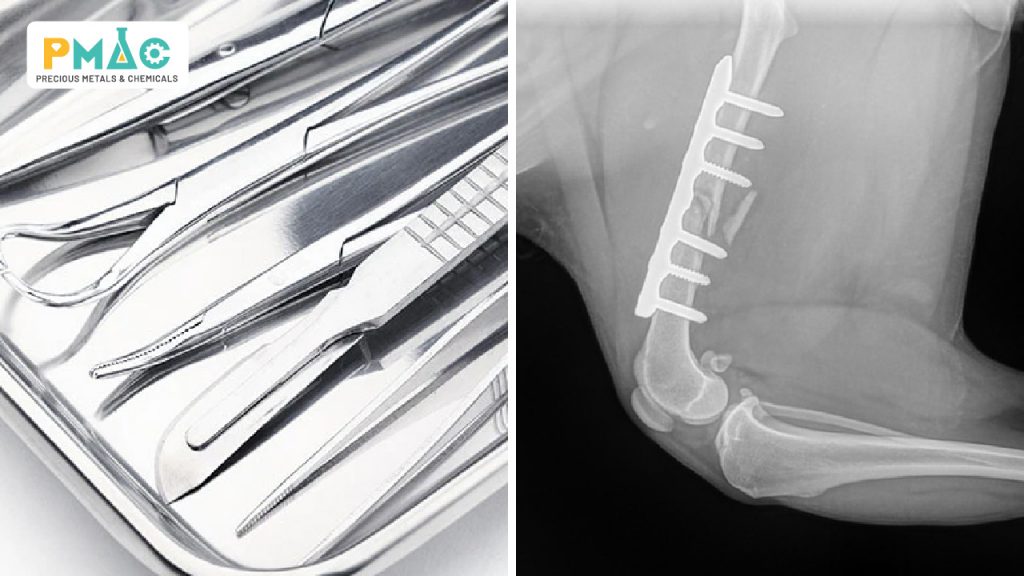
Image 3: Applications of electroplating chemicals in medicine
In medicine, electroplating chemicals contribute to improving performance and extending the service life of biomedical devices.
– Electroplating surgical instruments such as forceps, scalpels, and cutting tools enhances durability, oxidation resistance, and ease of sterilization compared to raw metal surfaces.
– Electroplating on implant devices, when using biocompatible coatings, allows these products to meet strict safety requirements and reduce tissue reactions after implantation.
– Metal coatings such as silver possess natural antibacterial properties, helping to reduce the risk of infection during medical use, especially on surfaces that directly contact patients.
V. Why electroplating chemicals play an important role in the biomedical industry
Electroplating chemicals do not merely create a surface coating. In the biomedical field, their role is demonstrated through:
– Enhancing the functionality and durability of medical devices under challenging mechanical conditions and exposure to body fluids.
– Reducing the risk of infection and biological reactions thanks to biocompatible coatings and the antibacterial properties of certain metals such as silver.
– Ensuring high standards of medical quality and safety, from dental clinics to surgical instruments used in hospitals.
VI. Types of electroplating chemicals commonly used in dentistry and medicine
Below are the most common electroplating systems, each with its own functions and advantages in biomedical applications.
1. Gold and gold alloy electroplating chemicals
Gold coatings provide high durability, corrosion resistance, and an elegant color, making them suitable for components that require both long term functionality and aesthetics.
>> Xem thêm: Genuine gold electroplating chemicals
2. Silver electroplating chemicals and antibacterial applications
Silver is known for its natural antibacterial properties, helping to limit bacterial formation on surfaces, which makes it highly suitable for medical devices and dental restorations.
>> See more: Genuine silver electroplating chemicals
3. Palladium and rhodium electroplating chemicals
Palladium and rhodium are precious metals with excellent resistance to oxidation and wear, forming durable coatings with high aesthetic value, ideal for both implants and medical jewelry.
>> See more: Palladium electroplating chemicals
>> See more: Rhodium electroplating chemicals
VII. A reputable supplier of electroplating chemicals for dentistry and medicine
PMAC is a specialized supplier of electroplating chemicals, particularly in precious metal plating solutions for dentistry and medical applications. With genuine supply sources from international partners such as Umicore, PMAC ensures full technical documentation and transparent quality for each product.
>> See more: How chemical plating suppliers determine quality
In addition to chemicals, PMAC also provides technical consulting, process optimization, and integrated solutions for materials and technology. This is the foundation that helps businesses ensure stable production and long term biomedical safety standards.
Contact PMAC for consultation on international standard biomedical electroplating solutions.
HCM: High Tech Park Center, 4th Floor, HUTECH Building, D1 Street, High Tech Park, Tang Nhon Phu Ward, Ho Chi Minh City, Vietnam
HN: 22B Ơ2, Linh Dam Peninsula, Hoang Liet Ward, Hanoi City, Vietnam
Hotline: (+84) 908 727 235
Conclusion
Electroplating chemicals are a key factor in dentistry and medicine, not only enhancing product quality and durability but also ensuring safety and effectiveness in biomedical environments. Choosing the right chemicals and a reputable supplier such as PMAC helps businesses optimize costs, raise production standards, and reduce operational risks, thereby creating high quality, stable, and internationally compliant products for customers.
Frequently asked questions:
International standard gold electroplating process using specialized chemicals