

Selecting plating chemicals that are suitable for the production line is a key factor in determining bath stability, coating quality, and cost efficiency. In practice, incorrect chemical selection can result in large-scale defects, material losses, and operational disruptions. In this article, PMAC analyzes how to select appropriate plating chemicals for different production models.
I. What are plating chemicals?
1. Definition of plating chemicals
Plating chemicals are a system of solutions and additives that enable metal to deposit and adhere onto the surface of a substrate through electrolysis or chemical reactions. They are always designed as an integrated system, in which each component must work in precise coordination to ensure stable bath operation. Even a minor deviation can significantly affect coating quality.
>> See more: Popular electroplating technologies in 2026
2. The role of plating chemicals in an electroplating line
Plating chemicals determine almost all properties of the coating layer. Adhesion strength, brightness, color, mechanical durability, and chemical resistance all originate from the chemical formulation and the way the plating bath is controlled.
From an operational perspective, chemicals directly influence:
– The stability of electric current and metal deposition rate
– The ability to maintain consistent quality in mass production
– The consumption of materials and bath maintenance costs
– Equipment lifespan and operator safety
Therefore, chemical selection cannot be separated from line design, equipment configuration, and final product requirements.
II. Practical applications of plating chemicals
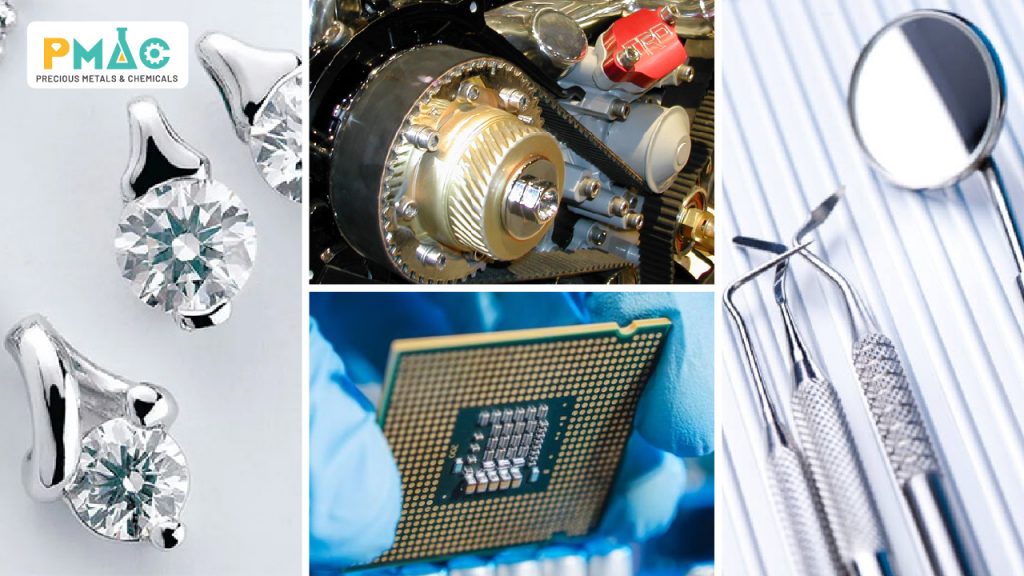
Image 1: Practical applications of plating chemicals
1. Jewelry manufacturing
In the jewelry industry, plating chemicals directly determine the aesthetic value of products. The coating must achieve high brightness, accurate color, and long lasting color stability, especially for gold, rhodium, silver, and palladium plating.
Because jewelry products are high value and small in size, chemical systems are finely tuned. Even a slight deviation may cause color variation, rough surfaces, or burnt plating.
>> See more: The role of electroplating in jewelry manufacturing
2. Mechanical and industrial manufacturing
In mechanical engineering, plating chemicals mainly serve to protect components from corrosion, increase surface hardness, and enhance performance in harsh environments. Zinc, nickel, and hard chromium plating systems are widely used.
The primary objectives are not appearance but:
– Wear resistance
– Corrosion protection
– Dimensional stability
– Reproducibility in mass production
3. Electrical and high technology industries
In electronics, plating chemicals must meet extremely strict requirements for purity and precision. Even a small amount of impurities in the bath can affect conductivity or cause component failure.
Common plating layers include:
– Gold plating for electrical contacts
– Silver plating for conductivity
– Nickel plating as an intermediate protective layer
Chemicals are not merely production materials but directly related to the reliability of the entire electronic system.
4. Medical and dental industries
Plating chemicals used in medical and dental applications are subject to strict biocompatibility standards. The coating must:
– Not cause adverse reactions in the human body
– Not release toxic heavy metals
– Be easy to sterilize and clean
Therefore, chemical selection in this field is always associated with technical documentation and international standards.
III. How to choose plating chemicals suitable for the production line
1. Identify the base material and coating requirements
It is necessary to clearly identify the base material, such as steel, copper, stainless steel, aluminum alloys, or precious metals. Each material is compatible with different chemical systems. At the same time, the purpose of the coating must be defined: protective plating, decorative plating, or functional plating.
2. Select according to technology and production line conditions
The best chemicals are not necessarily the most suitable ones. A chemical system must be compatible with:
– The type of plating tanks in use
– The filtration, heating, and agitation systems
– The power supply and operating current range
If the chemicals require operating conditions that the existing line cannot meet, additional investment costs will be very high.
3. Check technical standards and chemical documentation
This is a mandatory requirement for manufacturing and exporting companies. Chemicals must be supplied with complete documentation such as CoA, CoC, MSDS, and TDS to ensure legal compliance, quality control, and long term stability of the plating bath.
4. Evaluate bath stability and performance
A good chemical system must keep the plating bath stable over long periods of operation. It should not only produce good results in the first batches but also maintain consistent quality through hundreds or thousands of production cycles.
Evaluation is usually based on:
– Color stability and brightness retention
– Tolerance range when concentration fluctuates
– Additive consumption rate
– Frequency of bath adjustments
5. Choose a supplier with strong technical capability
Plating chemicals require continuous technical support. Companies need a partner with sufficient expertise to provide consultation, technical intervention when necessary, and optimization of plating baths based on real operating conditions. This is what defines the value of a true solution provider.
>> See more: Comparison of electroplating chemical suppliers
>> See more: Standards for evaluating a reputable plating chemical supplier
6. Conduct trials before mass production
No matter how complete the published technical data is, chemicals must still be tested on the company’s actual production line. The trial phase allows evaluation of compatibility with existing systems, adjustment of bath formulations to suit operating conditions, and accurate forecasting of production costs.
IV. Risks of choosing unsuitable plating chemicals
1. Poor coating quality and failure to meet standards
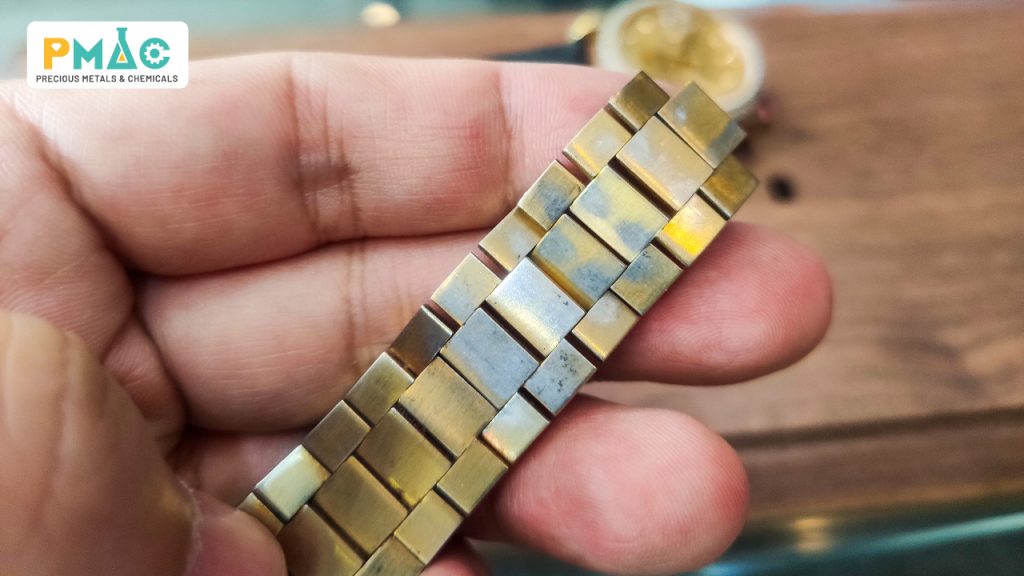
Image 2: Poor-quality plating layer
Common symptoms include:
– Peeling or poor adhesion
– Unstable color
– Rough surface or burnt deposits
>> See more: Factors affecting electroplated coating quality
2. Increased production costs and higher defect rates
Unsuitable chemicals directly increase production costs and defect rates. An unstable plating bath generates more scrap, raises bath maintenance and correction costs, and prolongs downtime needed to solve technical problems.
3. Production line instability and equipment damage
An unstable plating bath may cause:
– Equipment corrosion
– Clogging of filtration systems
– Damage to electrodes
4. Impact on safety and company reputation
Especially in jewelry, medical, and electronics industries, even a small incident can seriously affect brand credibility and reputation.
V. PMAC – A plating chemical supplier for all production line requirements
1. A comprehensive and synchronized chemical portfolio
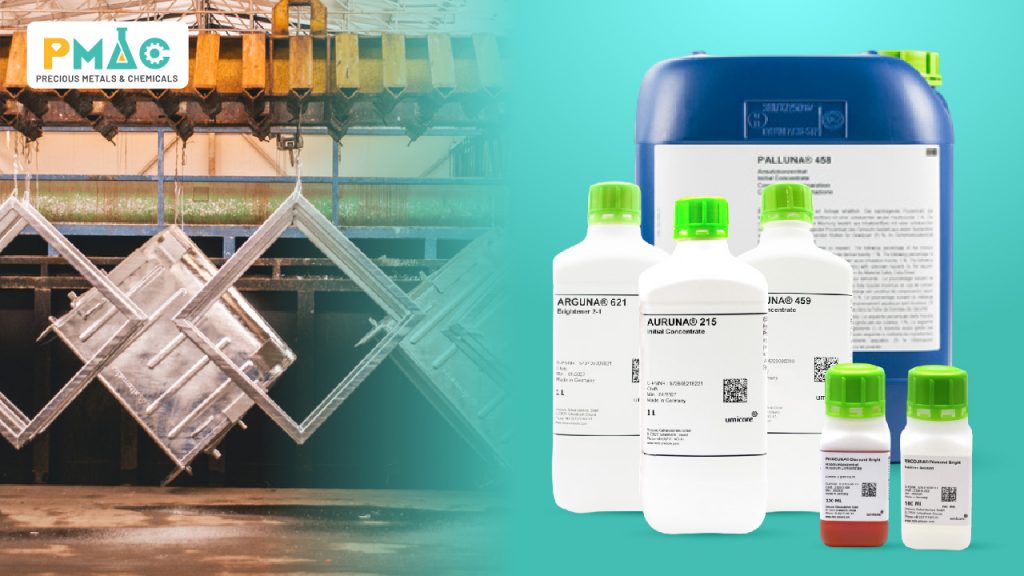
Image 3: PMAC electroplating chemicals catalog
PMAC develops its chemical portfolio according to each technological stage, from cleaning and surface activation, intermediate nickel plating, to gold, silver, rhodium, palladium plating systems, as well as brighteners and bath stabilizing additives. This ensures full synchronization and technical compatibility across the entire plating line.
>> See more: Plating chemical product portfolio at PMAC
2. Complete technical documentation and clear origin
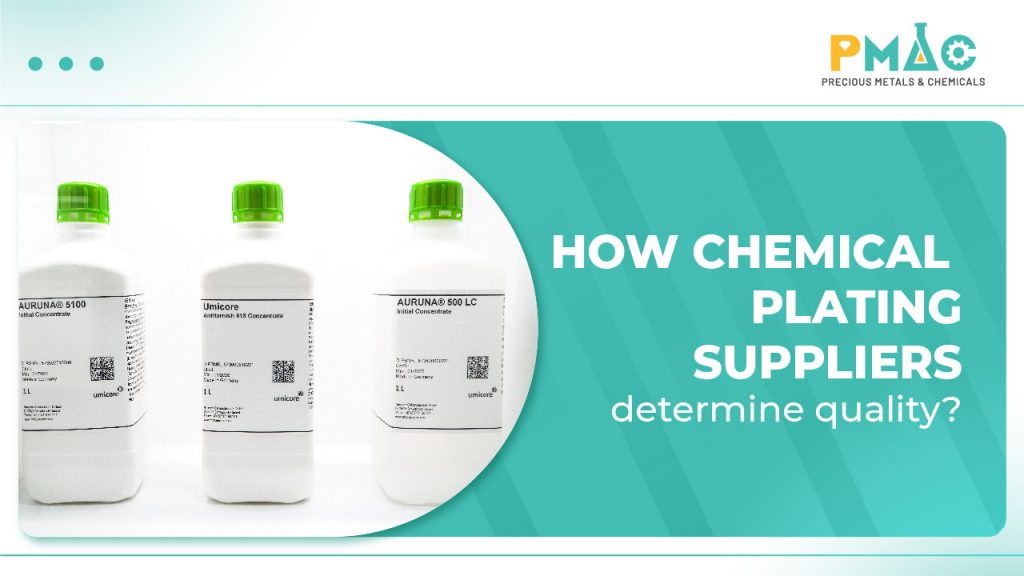
Plating chemicals supplied by PMAC are distributed directly from the strategic partner Umicore, ensuring authenticity and compliance with international technical standards. All products are accompanied by complete technical documentation to support traceability and quality control.
3. Solution consulting tailored to each production model
PMAC does not approach customers as a simple chemical supplier, but focuses on building solutions tailored to each specific production line, from small scale operations to industrial manufacturing systems.
4. Long term technical support and bath optimization
With more than 20 years of experience in plating chemicals and electroplating technology, PMAC’s technical team accompanies enterprises throughout the entire operation process, from bath adjustment and troubleshooting to optimizing chemical costs and production efficiency.
HCM: High-Tech Center, 4th Floor, HUTECH Building, D1 Street, High-Tech Park, Tang Nhon Phu Ward, Ho Chi Minh City
HN: 22B Ơ2 Linh Dam Peninsula, Hoang Liet Ward, Hanoi City
(+84) 908 727 235
Fanpage: https://www.facebook.com/pmac.asia
VI. Conclusion
Understanding plating chemicals correctly helps enterprises control product quality and production line stability. When chemicals are considered an integral part of the overall technological system, selection decisions are based on long term technical efficiency rather than only on cost. Accordingly, PMAC is not only a chemical supplier but also a technical partner accompanying enterprises in building stable, safe, and sustainable plating lines.
Frequently asked questions:
How chemical plating suppliers determine quality
Top 3 eco friendly and safe electroplating chemicals