

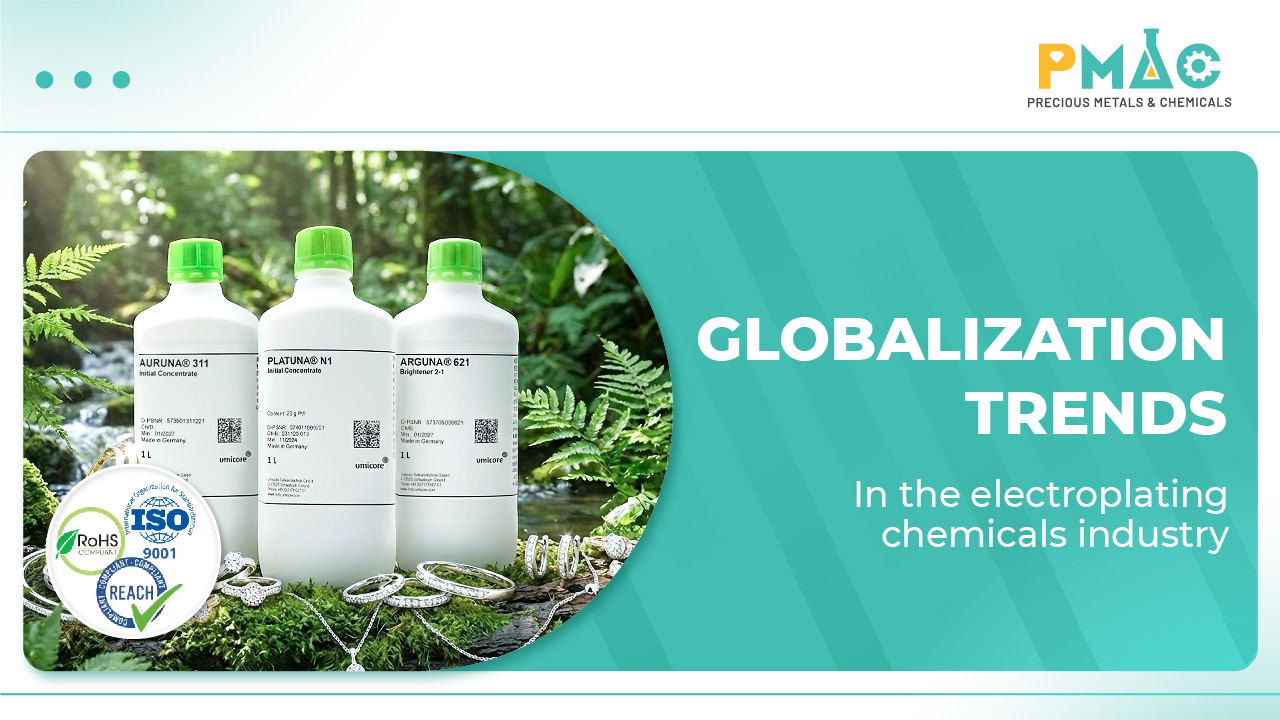
The electroplating industry is undergoing rapid globalization alongside increasingly stringent environmental standards. In this article, PMAC highlights how technological innovation, global supply chains, and the rise of green electroplating are driving enterprises to transform in order to meet international requirements and achieve sustainable development.
I. What are electroplating chemicals?
Electroplating chemicals are a group of specialized chemical compounds used to deposit a thin metallic layer (such as gold, silver, nickel, chromium, or zinc) onto the surface of another material in order to provide protection, enhance corrosion resistance, increase surface hardness, and improve aesthetic value. By transforming ordinary materials into bright, high-value products, these chemicals form the core “essence” of the electroplating process, from jewelry manufacturing to electronic components.
II. Common types of electroplating chemicals today
1. AURUNA® 311 for technical applications gold cobalt electrolyte
AURUNA® 311 is a gold–cobalt electrolyte widely used in the jewelry industry and high-end surface finishing applications, particularly where high mechanical durability and stable color are required.
– The electrolyte operates within a temperature range of 50–60°C, which accelerates the electroplating reaction and promotes the formation of a smooth, uniform gold coating.
– The recommended current density of 0.5–2.0 A/dm² allows precise control over coating thickness while minimizing risks such as burning or surface roughness.
– The gold content in the electrolyte is carefully optimized to ensure consistent color quality while reducing the consumption of precious metal.
Cobalt in the electrolyte system enhances the hardness of the deposited layer, significantly improving scratch and wear resistance compared to pure gold coatings. As a result, AURUNA® 311 is particularly suitable for frequently worn jewelry and technical components that demand high durability.
2. ARGUNA® 621 bright silver electrolyte
ARGUNA® 621 is a bright silver electrolyte specifically designed to produce silver coatings with high reflectivity and superior surface aesthetics.
– The electrolyte typically operates at a temperature range of 20–30°C, helping to stabilize the silver crystal structure and minimize coating deformation.
– A current density of 0.1–1.0 A/dm² enables the formation of a smooth, evenly bright silver layer with excellent adhesion to the base material.
– The pH level is carefully controlled to ensure electrolyte stability and to maintain long-lasting brightness.
The brightening additives in ARGUNA® 621 regulate the silver crystallization process, resulting in a finer, less porous coating and enhanced light reflectivity. This makes the electrolyte particularly suitable for high-end silver jewelry, decorative accessories, and electrical components.

Figure 1: Common electroplating chemicals currently in using
3. PLATUNA® N 1 platinum electrolyte
PLATUNA® N 1 is a specialized platinum electrolyte used in applications that require exceptional chemical durability and superior corrosion resistance.
– The electrolyte operates effectively within a temperature range of 70–80°C, enhancing the deposition efficiency of platinum onto metal surfaces.
– A low current density (approximately 0.1–0.5 A/dm²) enables precise control of coating thickness, making it highly suitable for thin, high-precision technical coatings.
– The platinum content is optimized to ensure long-term electrolyte stability and consistent electroplating performance.
– The deposited coating exhibits excellent adhesion, outstanding resistance to oxidation, and superior chemical corrosion protection, even in harsh environments.
As a result, PLATUNA® N 1 is commonly used in high-end jewelry, advanced technological components, medical devices, and precision engineering applications.
III. The impact of global environmental and safety regulations
1. Global electroplating chemical supply chains
Globalization has accelerated the formation of multinational supply chains, in which:
– Raw materials, base chemicals, and additives are sourced from multiple countries.
– Enterprises gain access to high-quality chemicals and advanced formulations.
– Collaboration among chemical manufacturers, distributors, and international technology partners is increasingly strengthened.
While this enhances plating quality, it also imposes higher requirements for traceability, consistency, and chemical stability management.
2. Quality standardization in line with international norms
Globalization drives the harmonization of technical and regulatory standards within the electroplating chemicals industry, including:
– The adoption of international standards such as ISO, RoHS, REACH, and OECD guidelines.
– Strict control over heavy metals and hazardous substances.
– Mandatory transparency regarding chemical composition and Material Safety Data Sheets (MSDS).
As a result, electroplated product quality is significantly improved, meeting the stringent requirements of export markets and multinational corporations.
3. Driving the shift toward green and sustainable electroplating chemicals
Global environmental commitments are generating a strong momentum toward:
– The development of environmentally friendly electroplating chemicals.
– The reduction or elimination of hazardous substances such as lead, cadmium, and cyanide.
– The optimization of wastewater and exhaust gas treatment in electroplating operations.
Green electroplating is no longer optional; it has become a mandatory requirement for enterprises seeking to participate in global supply chains.
Learn more: Top 3 most popular rhodium electroplating solutions of 2025
IV. Technological innovation is the core driver of globalization
1. Tightening control over hazardous chemicals in electroplating
Many countries and regions have introduced stringent regulations to restrict:
– Toxic heavy metals such as lead (Pb), cadmium (Cd), and mercury (Hg).
– Compounds that pose risks to human health and the environment.
– Electroplating solutions containing cyanide and hexavalent chromium (Cr⁶⁺).
– Pressure from international regulations is driving:
– The adoption of green, energy-efficient electroplating technologies.
– Optimization of chemical life cycles and the reuse of electroplating solutions.
As a result, enterprises are compelled to reformulate chemicals and replace them with safer alternatives, accelerating the transition toward environmentally friendly electroplating chemicals.
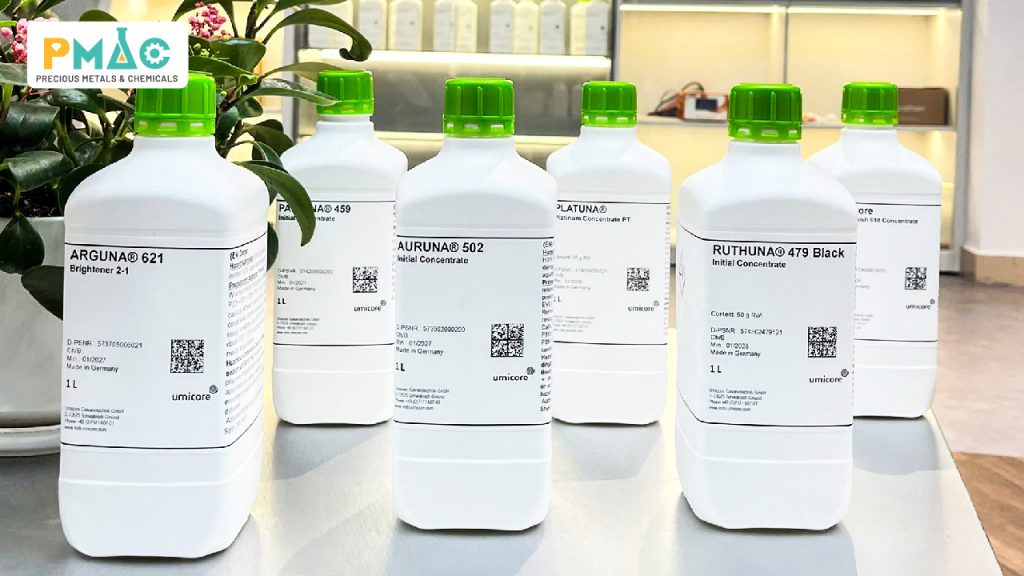
Figure 2: The impact of environmental regulations on the electroplating chemicals industry
2. Impact of international environmental standards
International environmental standards are exerting a profound influence across the entire value chain of the electroplating chemicals industry, from chemical research and manufacturing to process operation and end-product application.
Standards such as REACH (European Union), RoHS, ISO 14001, and OECD guidelines require enterprises to strictly control chemical compositions, particularly hazardous substances and heavy metals. This obliges electroplating chemical manufacturers to adjust formulations and eliminate or substitute substances that pose environmental or health risks.
Learn more: Top 3 eco friendly and safe electroplating chemicals
Moreover, compliance with international environmental standards enables enterprises to:
– Meet the requirements of export markets and multinational partners.
– Enhance corporate credibility and transparency in operations.
– Minimize legal risks and avoid penalties or trade restrictions.
However, these standards also create cost pressures and management challenges, requiring investments in environmental treatment systems, quality control, and workforce training. In the long term, such investments become key drivers of sustainable growth and enhanced competitiveness in the context of globalization.
V. The role of PMAC in delivering comprehensive electroplating solutions
1. Providing international standard electroplating chemicals
PMAC offers a wide range of high-quality electroplating chemicals that are researched and developed in compliance with:
– International standards such as REACH, RoHS, and ISO.
– Stringent requirements for stability, performance, and safety.
– Diverse application needs across jewelry manufacturing, mechanical engineering, and electrical–electronic industries.
PMAC’s products enable enterprises to achieve uniform, durable, and aesthetically superior coatings, suitable for both jewelry workshops and industrial-scale manufacturing facilities.
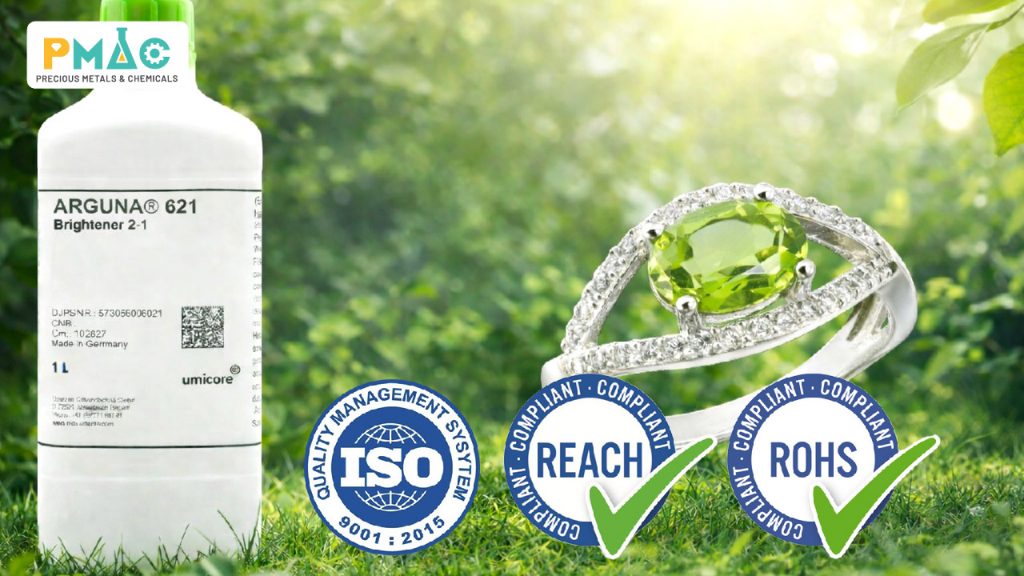
Figure 3: International standard electroplating process
2. Technology consulting and electroplating standard compliance
With a technical team boasting over 20 years of industry experience, PMAC supports enterprises by:
– Advising on the selection of electroplating technologies tailored to specific production models.
– Guiding compliance with international environmental and safety standards.
– Providing technical training, process transfer, and operational support.
This comprehensive approach helps enterprises strengthen their competitiveness in a globalized market.
3. Partnering in the transition toward green and sustainable electroplating
PMAC is committed to developing solutions that:
– Utilize environmentally friendly electroplating chemicals with reduced hazardous substances.
– Optimize chemical and energy consumption.
– Assist enterprises in lowering emissions and environmental treatment costs.
Through these initiatives, PMAC actively contributes to the sustainable development of the electroplating industry.
4. A strategic partner in the global value chain
In the context of globalization, PMAC has long positioned itself not merely as a supplier, but as:
– A long-term technical partner for enterprises.
– A bridge bringing international technologies and standards to the Vietnamese market.
– A trusted companion supporting enterprises in deeper integration into global supply chains.
Conclusion:
Globalization not only opens up opportunities for the electroplating chemicals industry to access advanced technologies and international markets, but also imposes higher standards for quality, safety, and environmental responsibility. Investing in compliant chemicals, modern technologies, and sustainable processes is the key for enterprises to enhance their competitiveness. In this journey, PMAC plays the role of a strategic partner, delivering comprehensive electroplating solutions that enable Vietnamese enterprises to confidently integrate and participate more deeply in the global value chain.
Contact PMAC today to receive expert consultation on international-standard electroplating processes and strategic solutions tailored to your business needs.
HCM: High-Tech Center, 4th Floor, HUTECH Building, D1 Street, High-Tech Park, Tang Nhon Phu Ward, Ho Chi Minh City
HN: 22B Ơ2 Linh Dam Peninsula, Hoang Liet Ward, Hanoi City
(+84) 938 085 278
Everyone also ask:
Non-cyanide plating chemicals in sustainable manufacturing
What is rhodium plating? solution that prevents silver from tarnishing
What is electroplating technology? the role of industrial plating chemicals
What is silver salt? Why is it important in electroplating?
Applications of electroplating chemicals in industry 4.0 manufacturing