

Surface treatment electroplating technology is indispensable in modern industry, helping metals become more durable, more aesthetically refined, and compliant with increasingly stringent technical standards. In the article below, PMAC will help you gain a clear understanding of what electroplating is, the most widely used electroplating technologies in 2026, and their practical applications in manufacturing.
I. What is electroplating?
1. Definition of electroplating
Electroplating is the process of applying a thin metal coating onto the surface of another material (typically metal) through electrochemical or chemical methods, with the purpose of protecting the surface, enhancing durability, improving corrosion resistance, and increasing the aesthetic quality of the product.
Electroplating is used to:
– Prevent rust and oxidation
– Increase hardness and wear resistance
– Create bright, glossy, and aesthetically pleasing surfaces
– Improve electrical and thermal conductivity
– Enhance the overall value of the product
2. Operating principle
Electroplating operates based on electrochemical principles or chemical reactions, in which metal ions in the plating solution are reduced and deposited onto the surface of the workpiece, forming a thin, durable, and uniform metal coating.
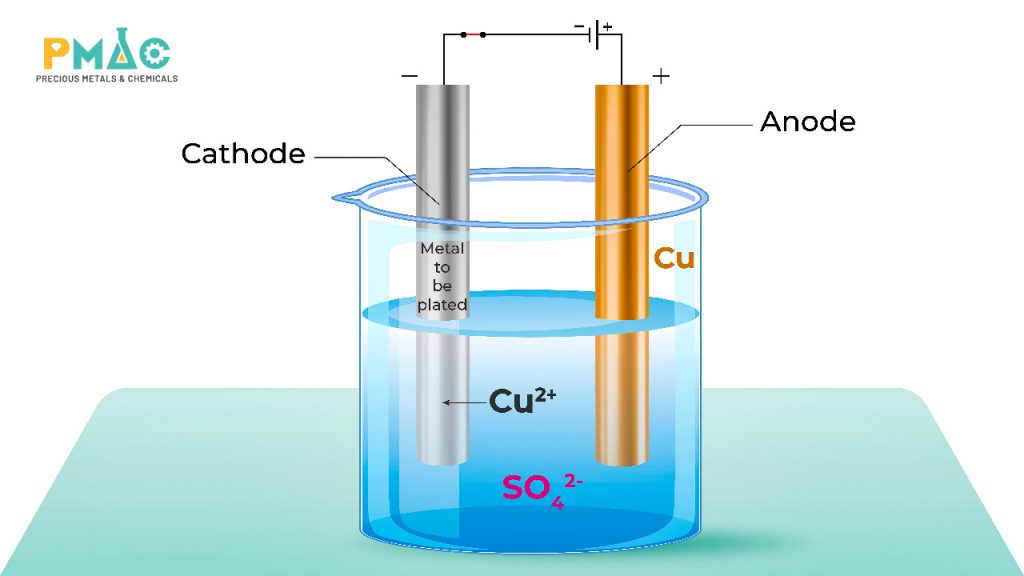
Figure 1: Operating principle of electroplating chemicals
Operating mechanism:
– In electroplating, the workpiece is connected to the negative electrode (cathode), while the plating metal or an inert electrode serves as the positive electrode (anode).
– When a direct current passes through the plating solution, positively charged metal ions migrate toward the cathode, where they are reduced and deposited onto the surface, forming a continuous and uniform metal layer.
– Simultaneously, at the anode, the plating metal undergoes oxidation and dissolves into the solution (in the case of a soluble anode), helping maintain a stable concentration of metal ions. This mechanism allows the electroplating process to operate continuously and achieve the required coating thickness according to technical specifications.
The effectiveness of the electroplating process largely depends on factors such as current density, plating solution composition, temperature, pH, and processing time. Precise control of these parameters ensures strong adhesion, a smooth surface finish, minimal post-plating defects, and long-term durability of the coating.
II. Components of electroplating technology
1. Metal salts
Commonly used metal salts include nickel, copper, chromium, gold, and silver salts. The concentration of metal salts directly affects the coating thickness, color, and adhesion of the plated layer.
Read more: What is silver salt? Why is it important in electroplating?
2. Conductive agents
Conductive agents help maintain stable electrical conductivity within the plating solution. These compounds are typically acids or inorganic salts, playing a crucial role in ensuring a continuous and uniform plating process.
By increasing the solution’s conductivity, they promote more even current distribution and help produce bright, smooth coatings – especially for intricate components with complex geometries – while minimizing voltage drop within the plating bath.
3. Additives
Additives are introduced in small amounts but have a significant impact on the surface quality of the plated layer.
They enhance brightness, improve surface leveling, control crystal structure, and reduce defects such as pitting or burning during the plating process.
4. Stabilizers
Stabilizers are responsible for maintaining the stability of the plating solution throughout operation.
These components help control pH levels, prevent unwanted precipitation, and extend the service life of the plating bath.
III. The most common electroplating technologies in 2026
1. Electroplating
Electroplating is the most widely used plating technology today, operating based on electrochemical principles.
This method employs direct current to deposit metal ions onto the surface of the workpiece, forming a coating with strong adhesion, reasonable cost, and high controllability for industrial production.
2. Electroless plating
Electroless plating is a plating technology that does not require an external electric current, in which metal ions are reduced through chemical reactions.
The process relies on oxidation–reduction reactions, assisted by catalysts, to achieve uniform metal deposition across the material surface.
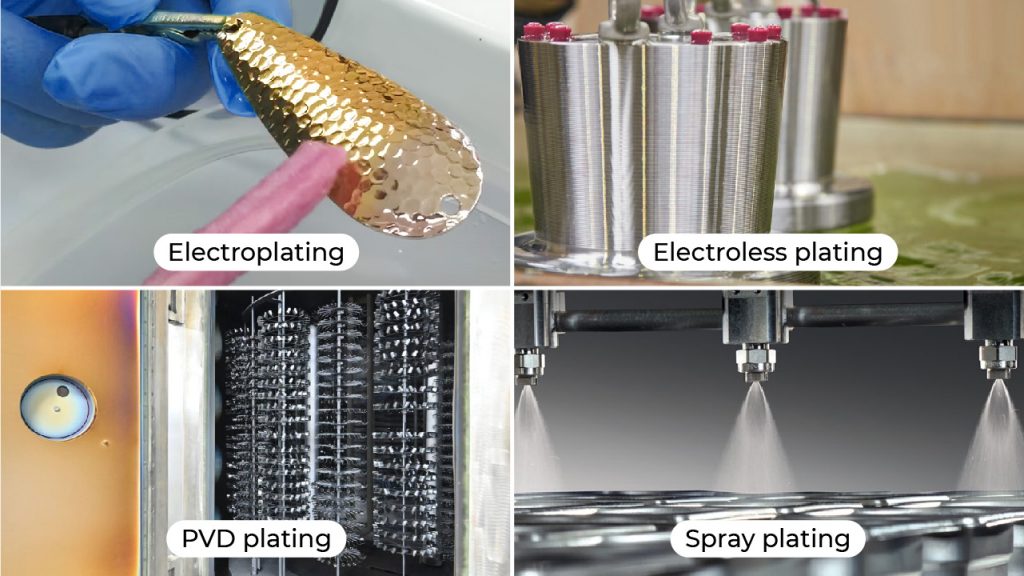
Figure 2: The most common electroplating technologies in use today
3. PVD plating
PVD stands for Physical Vapor Deposition, which refers to a physical vapor deposition process.
This method enables customized surface coatings based on different states of metallic materials under high-temperature conditions in a vacuum environment with the introduction of inert gases. PVD coating technology consists of four main stages: evaporation, transport, reaction, and deposition, all carried out within a closed-loop process.
4. Spray plating
Spray plating is a metal coating technology in which the plating material is directly sprayed onto the surface in the form of particles or a solution.
This method is well suited for large components, surface repair applications, or situations where high precision is not required but fast and flexible processing is essential.
IV. Applications of electroplating technology in industrial manufacturing
1. Automotive industry
In the automotive industry, electroplating is widely applied to protect surfaces and enhance the mechanical performance of metal components operating under harsh conditions.
Common plating systems such as Ni, Ni-Cr, and Zn-Ni improve corrosion resistance, wear resistance, and dimensional stability for shafts, gears, bolts, chassis components, and exterior parts. Strict control of coating thickness, current density, and crystal structure is essential to meet automotive quality standards.
2. Electronic components
Electroplating plays a critical role in the manufacturing of electronic components by enhancing electrical conductivity and preventing oxidation on contacts, printed circuit boards, and connectors.
In this field, strict requirements for solution purity, additive control, and coating uniformity are essential to minimize micro-defects and electrical interference. With precious metal coatings, electronic components achieve greater operational stability and long-term reliability.
3. Jewelry and fine jewelry manufacturing
In the jewelry industry, electroplating is applied to create precious metal coatings with high aesthetic appeal and stable color durability. Gold plating, rhodium plating, and palladium plating technologies require precise control of pH, temperature, current density, and plating time to ensure uniform color, high gloss, and long-lasting adhesion.
This electroplating technology enables jewelry products to achieve attractive, long-lasting finishes while optimizing the use of precious metals, enhancing commercial value, and aligning with trends toward personalization and diverse design styles.
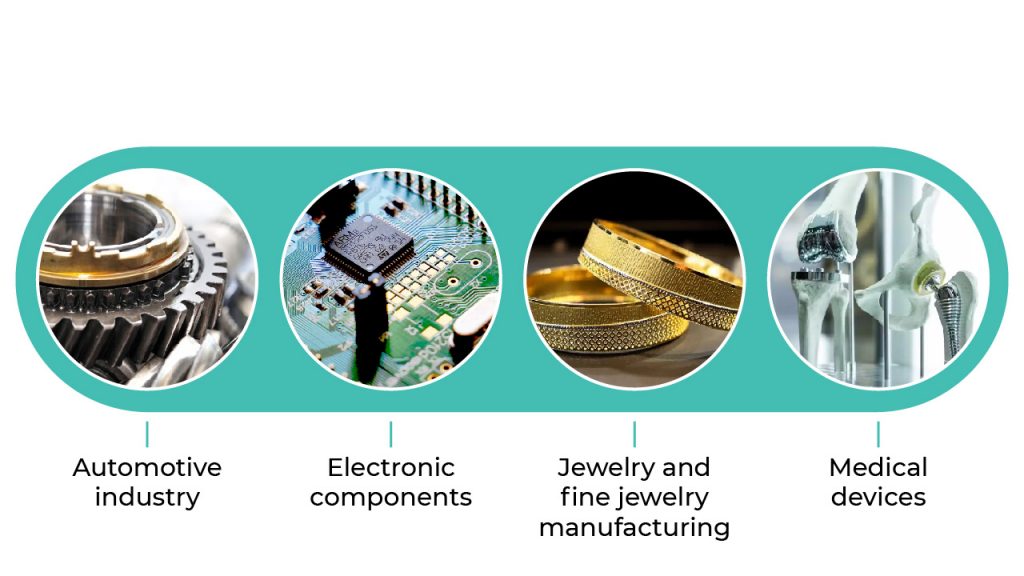
Figure 3: Applications of electroplating technology in industrial manufacturing
4. Medical devices
In the medical device sector, electroplating is used to simultaneously meet mechanical, chemical, and biological requirements.
Plated layers such as Ni-P, Cr, or precious metals enhance corrosion resistance, reduce friction, and support effective sterilization for surgical instruments, implants, and medical components.
Electroplating processes in this field must comply with strict standards for surface cleanliness, impurity control, and biocompatibility, ensuring patient safety, long-term reliability, and regulatory compliance.
Read more: Applications of electroplating chemicals in industry 4.0 manufacturing
V. PMAC – A supplier of electroplating technology meeting european standards
PMAC is a strategic partner of UMICORE with over 5 years of collaboration, delivering advanced technological solutions and international standards to the Vietnamese and global markets.
We are proud to be a leading provider in the supply, distribution, and specialized laboratory (LAB) services for the precious metals industry, backed by a team of experts with 5 to 20 years of hands-on experience in the jewelry sector.
With a strong commitment to quality, innovation, and technical depth, we continuously expand our capabilities and enhance service value, accompanying the sustainable development of the electroplating and precious metals industries in Vietnam.
Conclusion
In the context of industrial manufacturing with increasingly stringent requirements for durability, aesthetics, and environmental compliance, electroplating technologies play a critical role in enhancing product value and service life. Selecting the right electroplating technology, chemicals, and technical solutions not only enables enterprises to optimize costs but also ensures consistent quality and full compliance with international standards.
With deep technical expertise and European-standard solutions, PMAC is committed to partnering with businesses on their sustainable development journey within the electroplating industry.
Learn more:
https://pmac.asia/en/globalization-trends-in-the-electroplating/