

Electroplating is not merely a surface finishing step, but a critical technical factor that determines the durability, color stability, and overall value of jewelry. PMAC helps you understand electroplating principles and the role of chemicals in optimizing product quality and production costs.
I. What is electroplating?
Electroplating is the process of depositing a thin metallic layer onto the surface of another material, primarily metal, to enhance durability, corrosion resistance, electrical conductivity, and aesthetic appearance. Although only a few microns thick, the plated layer plays a decisive role in the service life and quality of a component.
In industrial manufacturing, electroplating is considered an essential surface treatment technology, widely applied across sectors ranging from mechanical engineering and electronics to jewelry and aerospace.
>> Learn more: What is electroplating? the most common electroplating technologies 2026
II. Operating principles of electroplating
The operating principle of electroplating is a controlled electrodeposition process, in which metal ions are reduced and deposited as a coherent coating through the combined effects of electrochemistry, mass transfer, crystal growth, and surface engineering. An electroplating system typically consists of:
– Cathode: the workpiece to be plated
– Anode: the plating metal or an inert anode
– Electrolyte: a solution containing metal ions and functional additives
– DC power supply: providing a stable and controlled current density
In practice, the component to be plated acts as the cathode, while the plating metal serves as the anode. When direct current is applied, metal ions migrate through the electrolyte and are reduced onto the cathode surface, forming a uniform, adherent metallic layer.
III. Common types of electroplating used today
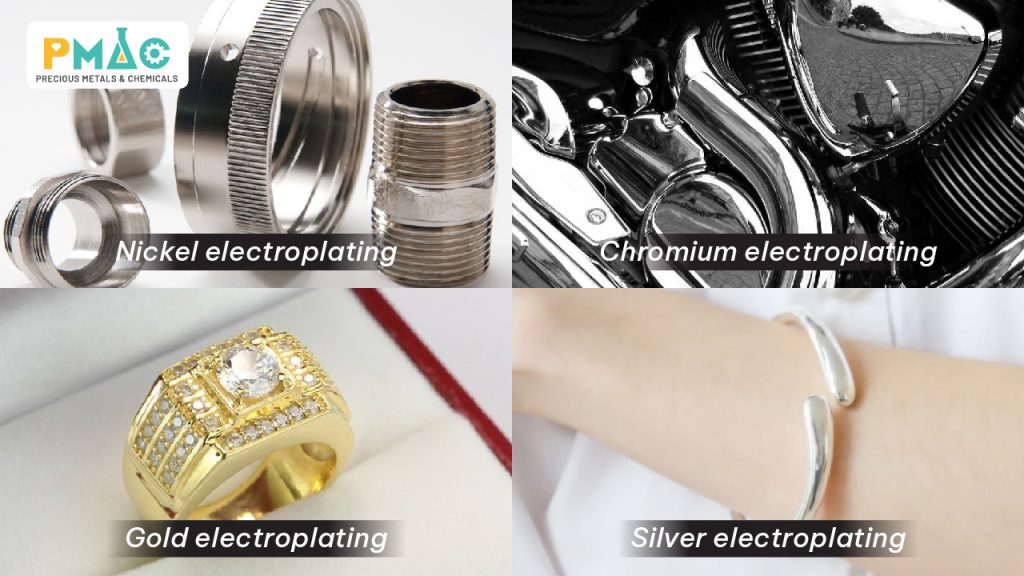
Figure 1: Common types of electroplating used today
1. Nickel electroplating
Nickel electroplating is one of the most important plating processes in industrial production due to its high versatility. A nickel plating layer can be engineered to function both as a protective coating and as a technical intermediate layer between the base metal and final finishes such as chromium or gold. From a crystallographic perspective:
– Matte nickel: coarse crystal structure with low internal stress
– Bright nickel: fine-grained structure with higher internal stress
– Electroless nickel: microcrystalline or amorphous structure
Controlling internal stress within the nickel deposit is critical to preventing microcracking, coating delamination, and distortion of thin or delicate components.
2. Chromium electroplating
Chromium electroplating is applied when a coating with very high hardness, excellent wear resistance, and a low coefficient of friction is required. It is considered one of the most challenging plating systems to control due to:
– Low current efficiency (typically below 20%)
– Dominant hydrogen evolution reactions
– Very high internal stress within the deposit
Hard chromium coatings typically exhibit a controlled micro-cracked structure, which helps relieve internal stress and retain lubricants during service. Effective chromium plating control is essentially a balance between coating thickness, internal stress management, and strong adhesion to the substrate.
3. Gold and silver electroplating
Gold and silver electroplating belong to the category of precious metal plating and are primarily applied in jewelry manufacturing and decorative applications. These plating systems are selected when the following performance requirements are critical:
– Long-term stable electrical conductivity
– High resistance to oxidation
– Reliable and consistent contact performance
Gold plating, in particular, is virtually immune to oxidation, ensuring excellent electrical and surface stability over extended service periods. Due to the high cost of precious metals, these plating processes require stringent control of coating thickness, bath composition, and metal recovery systems to optimize both technical performance and economic efficiency.
>> Learn more: How chemical plating suppliers determine quality
IV. The role of electroplating in jewelry manufacturing
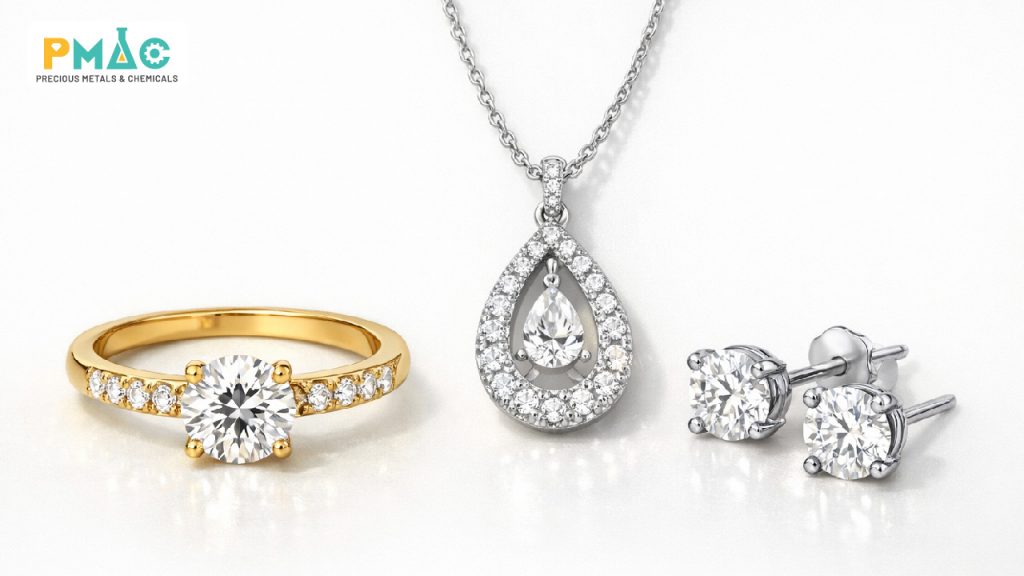
Figure 2: Electroplating in jewelry manufacturing
1. Enhancing aesthetics and surface finishing
In jewelry manufacturing, electroplating typically applies precious metals such as gold, silver, rhodium, or palladium onto the surface through electrochemical or electroless processes, with coating thickness measured in microns or even sub-micron ranges.
Despite this minimal thickness, the plated layer must maintain full continuity, strong adhesion, and a stable crystal structure to prevent peeling, tarnishing, or premature wear during use.
The objective of jewelry plating extends beyond surface brilliance, serving to protect the base metal, stabilize color, and enhance the long-term aesthetic and perceived value of the finished piece.
2. Preventing oxidation and tarnishing
Base metals commonly used in jewelry manufacturing, such as silver, copper, or low-karat gold alloys, are highly susceptible to oxidation when exposed to air, perspiration, and everyday chemicals. Electroplating acts as a protective barrier, inhibiting oxidation reactions and helping jewelry maintain long-lasting brightness and surface integrity.
In particular, gold and rhodium plating exhibit exceptional chemical stability and are virtually non-oxidizing, making them widely applied in high-end jewelry as well as pieces intended for daily wear.
>> Learn more: What is electroplating technology? the role of industrial plating chemicals
3. Improving durability and product lifespan
Beyond aesthetics, electroplating significantly enhances surface durability and wear resistance in jewelry. A properly engineered plating system ensures balanced stress distribution, minimizes scratching, and slows surface wear during prolonged use.
In many manufacturing processes, intermediate layers such as nickel or palladium are applied to improve adhesion and stabilize the final decorative coating. This multilayer structure effectively reduces the risks of peeling, discoloration, and long-term surface degradation.
4. Optimizing manufacturing and after-sales costs
Optimizing the use of precious metals while maintaining high aesthetic value is a key objective for jewelry manufacturers and retailers. Instead of relying on solid gold, a thin yet uniform gold plating layer can deliver a comparable appearance while significantly reducing material costs.
However, to achieve both economic efficiency and consistent quality, plating thickness must be precisely controlled. Layers that are too thin lead to rapid wear, while excessive thickness results in unnecessary material waste and higher production costs.
>> Learn more: Key factors affecting the quality of plated coatings
V. Where to source reliable electroplating chemicals
1. Criteria for selecting a reliable supplier
When selecting an electroplating chemical supplier, the following key factors should be carefully evaluated:
– Clear product origin, including COA, MSDS, and verified traceability
– Availability of technical consultation and reliable after-sales support
– Capability to supply specialized chemicals tailored to specific plating systems (Ni, Zn, Cr, Au, Ag, etc.)
– Operational support and assistance in process adjustment and optimization when required
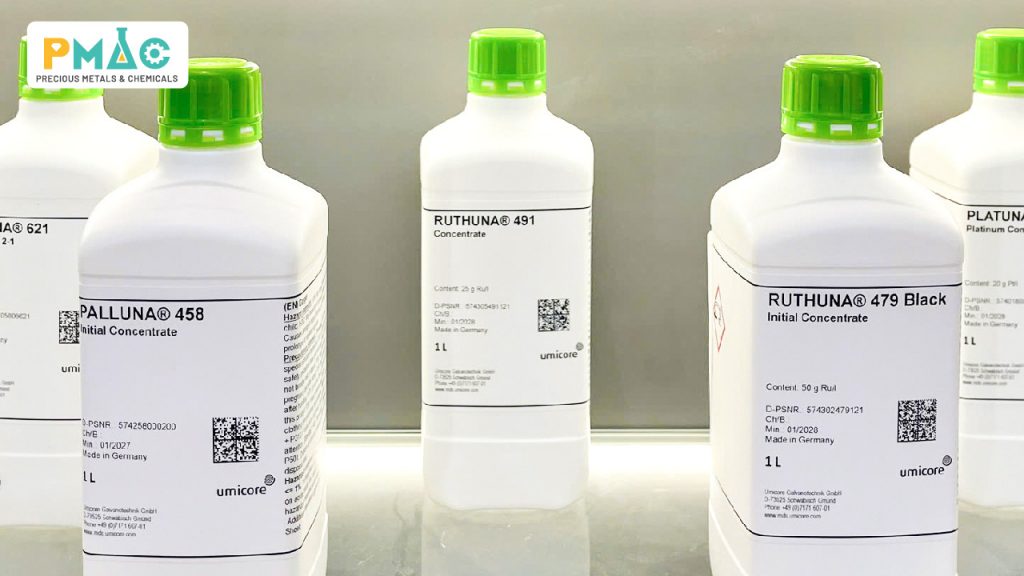
Figure 3: PMAC specializes in supplying genuine Umicore electroplating chemicals in Vietnam.
2. PMAC – A trusted electroplating chemical supplier in Vietnam
PMAC is the official distributor of Umicore’s high-end electroplating chemicals in Vietnam. Umicore is globally recognized as a leading brand in precious metal plating technologies and high-quality industrial chemicals.
By sourcing electroplating chemicals from PMAC, customers benefit from:
– Genuine products that comply with international quality standards
– In-depth technical consulting from a team with over 20 years of industry experience
– Comprehensive operational support and process training for manufacturers and retail workshops, with 24/7 technical assistance
3. Key considerations when purchasing electroplating chemicals
Avoid purchasing chemicals of unclear origin, as they can cause plating defects, equipment damage, and serious safety risks for operators.
Always verify COA, MSDS, and ensure all required certifications and licenses are in place before use.
For hazardous materials such as chromic acid, nickel salts, and rhodium salts, it is strongly recommended to source them from suppliers that provide professional technical consultation and ongoing support.
Conclusion
In jewelry manufacturing, electroplating plays a core role by bridging aesthetic design with the technical durability of the product. From color enhancement and oxidation resistance to extending service life, each plating layer requires strict process control and certified chemicals.
To ensure consistent quality, operational safety, and long-term cost efficiency, selecting a reputable electroplating chemical supplier with strong technical expertise and comprehensive support, such as PMAC is essential. This forms the foundation for jewelry manufacturers and retailers to enhance product quality and strengthen brand credibility in the market.
Reference:
Globalization trends in the electroplating chemicals industry
Non-cyanide plating chemicals in sustainable manufacturing
What is rhodium plating? solution that prevents silver from tarnishing