

Precious metal recovery systems in semiconductor manufacturing provide enterprises with an effective solution to recover valuable metals, recycle plating solutions, and control waste streams efficiently. This application helps reduce operational costs, meet ESG standards, and support sustainable development across the global semiconductor supply chain.
I. Concept of Precious metal recovery
1. What is precious metal recovery?
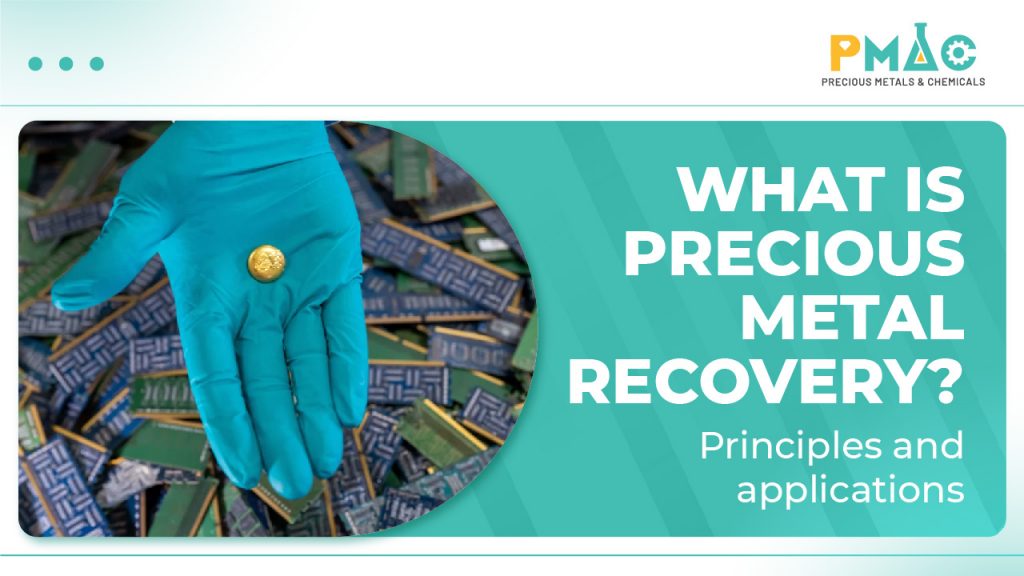
Precious metal recovery is the process of separating, treating, and reclaiming valuable metals from metal-containing waste streams or industrial by-products generated during manufacturing processes such as electroplating, electronics, semiconductor production, jewelry manufacturing, metallurgy, and chemical processing.
>> Read more: What is precious metal recovery? principles and applications
2. What is precious metal residue in semiconductor manufacturing?
Precious metal residues in semiconductor manufacturing refer to waste materials or by-product streams generated during semiconductor fabrication that contain metals, particularly precious metals and technical metals. These residues arise from process steps such as plating, etching, polishing, and wafer cleaning.
Rather than treating these residues as waste requiring disposal, precious metal recovery enables companies to transform waste into valuable resources for reuse or commercialization, while simultaneously reducing negative environmental impacts.
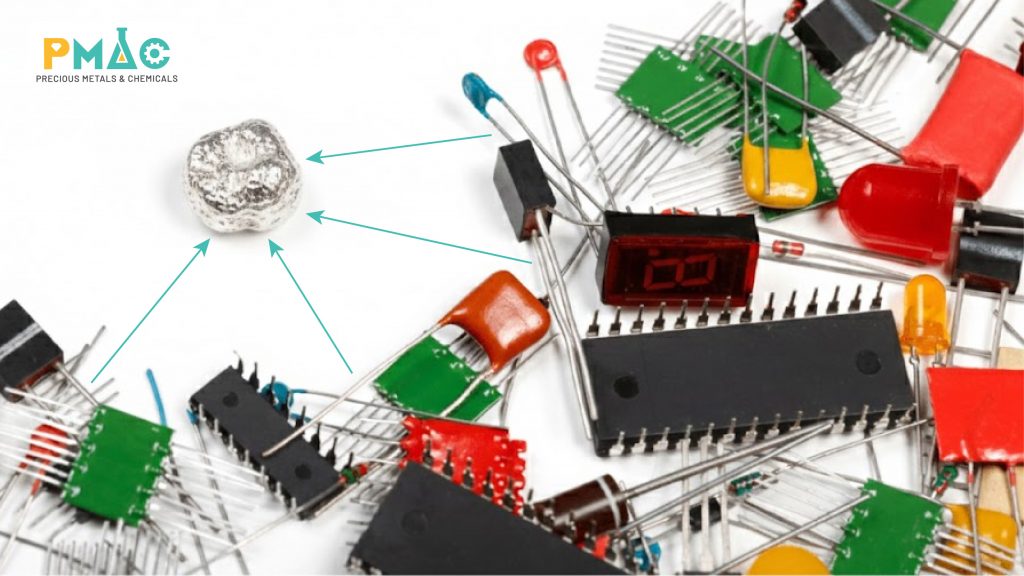
Figure 1: Recovery of precious metals from semiconductor components
II. Metals commonly found in semiconductor residues
1. Precious metals
Precious metals are a group of metals with high economic value and exceptional electrical conductivity and corrosion resistance. They are widely used in semiconductor components that require high precision and long-term durability.
Precious metals commonly found in semiconductor residues include gold (Au), silver (Ag), palladium (Pd), and platinum (Pt). These metals are typically present in post-plating solutions and industrial wastewater streams.
Although precious metals are often recovered in small concentrations, their high intrinsic value delivers significant economic benefits, helping manufacturers reduce costs and optimize operational efficiency.
2. Rare and technical metals
In addition to precious metals, residues from semiconductor manufacturing also contain a significant amount of rare and technical metals. These materials play a critical role in integrated circuit structures, ensuring electrical performance, mechanical strength, and long-term stability of semiconductor components.
Common technical metals found in semiconductor residues include:
– Copper (Cu): the primary conductive material used in interconnect layers.
– Nickel (Ni): used as an intermediate layer and protective coating to prevent corrosion.
– Titanium (Ti): applied as an adhesion layer and as a barrier against metal diffusion.
III. Applications of precious metal recovery in semiconductor manufacturing
Applications of precious metal recovery in semiconductor manufacturing include the recovery of precious metals for reuse, the recycling of plating solutions to reduce operational costs, and effective waste management to meet ESG standards, thereby supporting sustainable manufacturing practices.
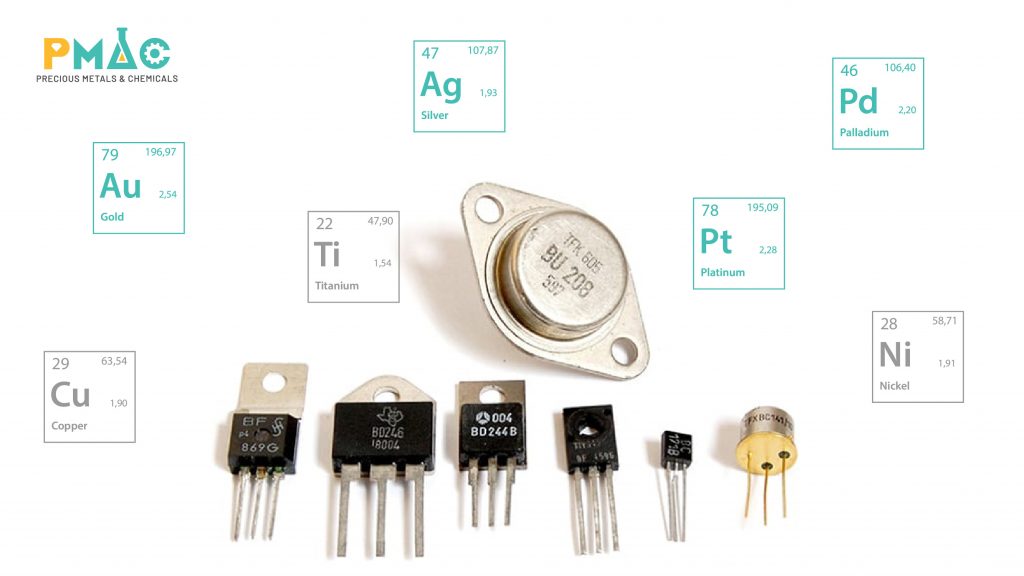
Figure 2: Applications of the precious metal recovery system in semiconductor component manufacturing
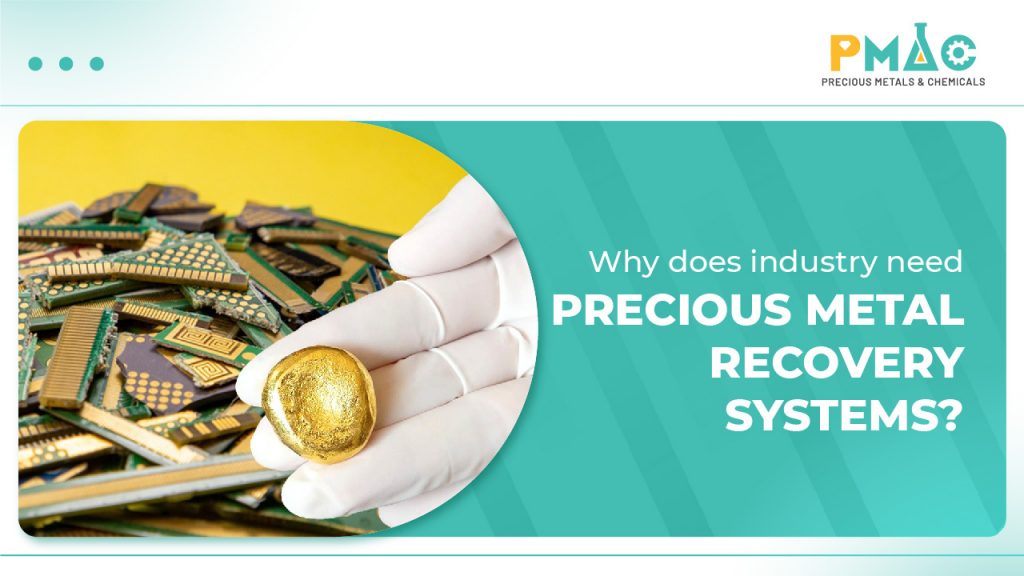
>> Read more: Why does industry need precious metal recovery systems?
1. Precious metal recovery
Precious metals such as gold (Au), silver (Ag), palladium (Pd), and platinum (Pt) are widely used in semiconductor manufacturing processes including plating, bonding, and electrical contacts. During production, a portion of these precious metals does not adhere to the wafer and is discharged into residue streams in the form of solutions, sludge, or rinse water.
Commonly applied recovery technologies include selective precipitation, ion exchange, and electrolysis, which enable the recovery of precious metals with high efficiency and purity.
2. Recycling and reuse of plating solutions
Plating solutions are a common source of metal-containing residues in semiconductor manufacturing. Over time, these solutions experience a reduction in metal concentration and contamination by impurities, making replacement necessary if they are not properly treated.
Recycling plating solutions not only helps reduce chemical costs but also ensures process stability and consistency, while significantly decreasing the amount of metal discharged into the environment.
3. Waste management and ESG compliance
A comprehensive waste management system is an essential component of semiconductor manufacturing facilities, particularly as enterprises are required to comply with Environmental, Social, and Governance (ESG) standards.
Practical implementation contributes toward societal and environmental goals by:
– Reducing the volume of hazardous waste containing heavy metals
– Limiting emissions into soil, water, and air
– Ensuring compliance with international environmental regulations and global supply chain standards
– Contributing to the development of green semiconductor manufacturing facilities (Green Fabs)
Figure 3: ESG compliant waste management system
>> Read more: How to choose plating chemicals suitable for your production line
IV. Reputable precious metal recovery services in Vietnam
PMAC Joint Stock Company is one of Vietnam’s leading professional providers of precious metals and technical chemicals. The company is particularly well suited to industrial manufacturers, electronics and electroplating companies, semiconductor component producers, and industries requiring advanced solutions involving high-value metals.
PMAC was established with the vision of building an internationally oriented brand in the field of precious metals and technical chemicals—not only for the Vietnamese market but also for global expansion. PMAC’s team consists of experts with over 20 years of experience, bringing deep technical expertise and a strong commitment to partnering with customers in their journey toward sustainable development.
With a development strategy aligned with international standards and a diversified product portfolio, PMAC is well suited for enterprises that:
– Seek access to advanced technologies and export-compliant standards
– Aim to integrate domestic manufacturing into global supply chains
– Intend to improve metal processing efficiency and minimize precious metal losses in residue streams
Conclusion
Precious metal recovery enables semiconductor manufacturers to efficiently utilize valuable metals, reduce emissions, and enhance overall competitiveness. With extensive experience and an international standards oriented approach, PMAC Joint Stock Company is a trusted partner supporting enterprises on their journey toward green and sustainable manufacturing.
Frequently asked questions
Why does industry need precious metal recovery systems?
Criteria for a reliable plating chemical supplier
How chemical plating suppliers determine quality