

Electroplating, also known as electroplating technology, is one of the most important processes in manufacturing and surface finishing industries. In this article, PMAC will help you explore the advantages and disadvantages of popular plating types and how to choose the right solution for jewelry stores and gold shops.
I. What is Electroplating?
Electroplating is the process of using electrochemical principles to deposit a thin metal layer onto the surface of a material. During this process, the item to be plated carries a negative charge (cathode), while the plating metal carries a positive charge (anode) in the electrolyte solution.
II. Common Types of Electroplating in the Jewelry Industry
1. Gold Plating
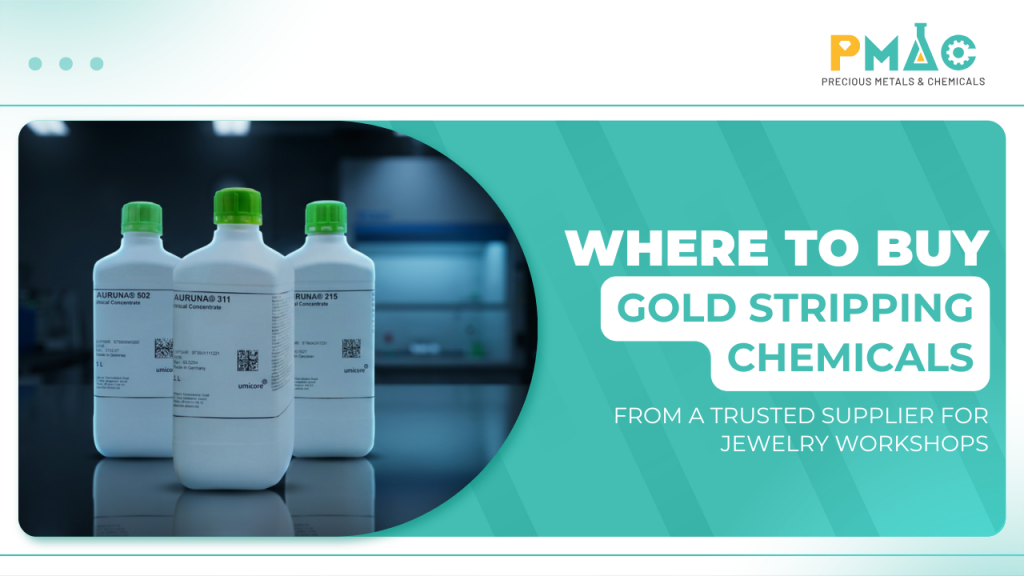
1.1 AURUNA® 215 Gold Iron Indium Electrolyte
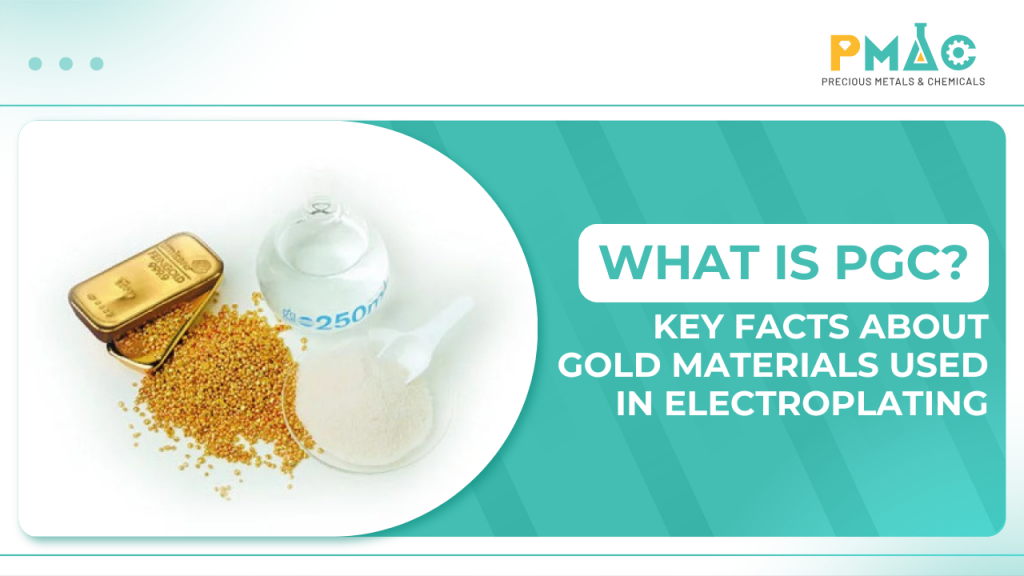
- One of the advanced gold plating technologies in the jewelry industry, this electrolyte solution contains 98.5% gold (Au) combined with premium alloys.
- The compound is free from Nickel and Cobalt, non-allergenic, and safe for skin contact.
- It produces a light to bright yellow coating with uniform color, stable performance across a wide operating range (1N–2N), and complies with RoHS standards.
- Maximum plating thickness is approximately 3 µm, with hardness up to 220 HV for enhanced scratch resistance.
- Suitable for decorative applications, rack plating, and barrel plating.
1.2 AURUNA® 215 Pale Gold Iron Indium Electrolyte
- AURUNA® 215 PALE is an optimized solution for thin gold plating, creating a bright reddish-gold finish.
- It produces a red Gold-Copper alloy coating (approximately 18K), ideal for products requiring a soft and elegant color tone.
- The solution offers long service life, fast plating speed, and is Cadmium-free.
- Maximum plating thickness is approximately 5 µm, with high hardness (380–400 HV), providing excellent anti-tarnish and corrosion resistance.
- Suitable for rack plating and barrel plating.
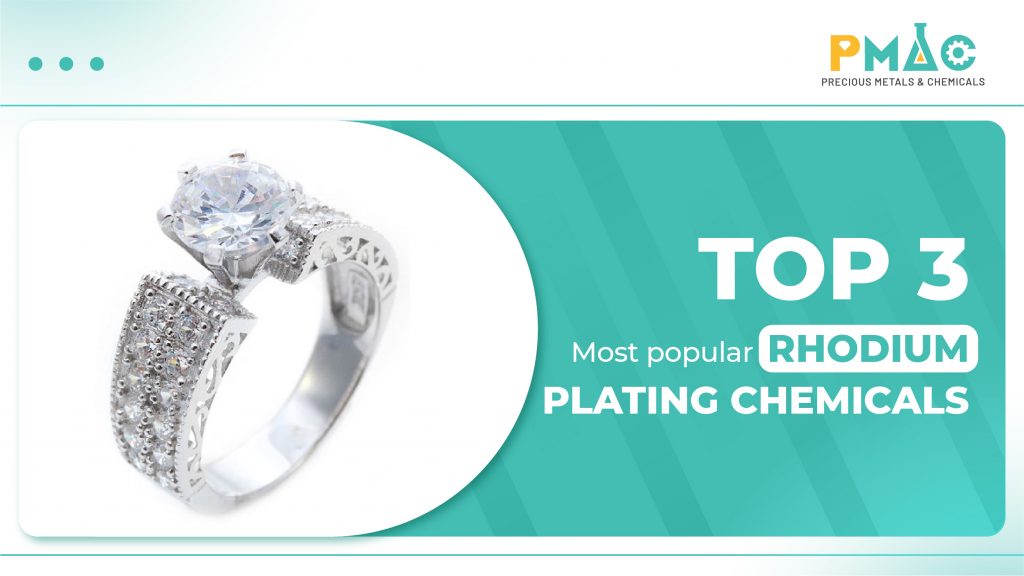
Figure 1: Gold plating, silver plating, and rhodium plating layers
1.3 AURUNA® 503 Rose Gold Electrolyte
AURUNA® 503 is a neutral Gold-Copper alloy plating solution (Au – Cu) that creates a rose gold finish – one of the most popular jewelry trends today.
- It offers long solution life, fast plating speed, and is Cadmium-free.
- Maximum plating thickness is approximately 5 µm.
- High hardness (380–400 HV) provides excellent anti-tarnish and corrosion resistance.
- Suitable for rack plating and barrel plating.
Widely used for:
- Premium fashion jewelry
- Rings, necklaces, and designer accessories
- Personalized trend-driven products
2. Silver Plating
2.1 ARGUNA® 621 Bright Silver Electrolyte
ARGUNA® 621 is a premium bright silver plating solution specially developed for the jewelry industry, producing a highly reflective silver coating with excellent brightness and a smooth surface.
- The metal content in the solution is 40 g/L Ag (range: 30–45 g/L).
- It offers excellent throwing power and uniform coverage, while maintaining stable performance even at higher operating temperatures.
- For plating on Nickel surfaces, it can be applied directly without the need for a silver strike layer.
2.2 Umicore Antitarnish
After silver plating, anti-tarnish treatment is an essential step to ensure product quality during actual use. Umicore Antitarnish is a surface protection solution that helps maintain brightness and extend the lifespan of the plated layer.
- Provides effective protection against corrosion, tarnishing, discoloration, dirt buildup, wear, and scratches.
- Biologically safe, skin-friendly, and non-allergenic.
- Repels dirt and water, reducing fingerprint marks.
- Can be applied through electrochemical or chemical processes.
- Optimized for both rack plating and barrel plating.
- Free from environmentally harmful substances.
- Does not affect the final coating’s color or gloss.
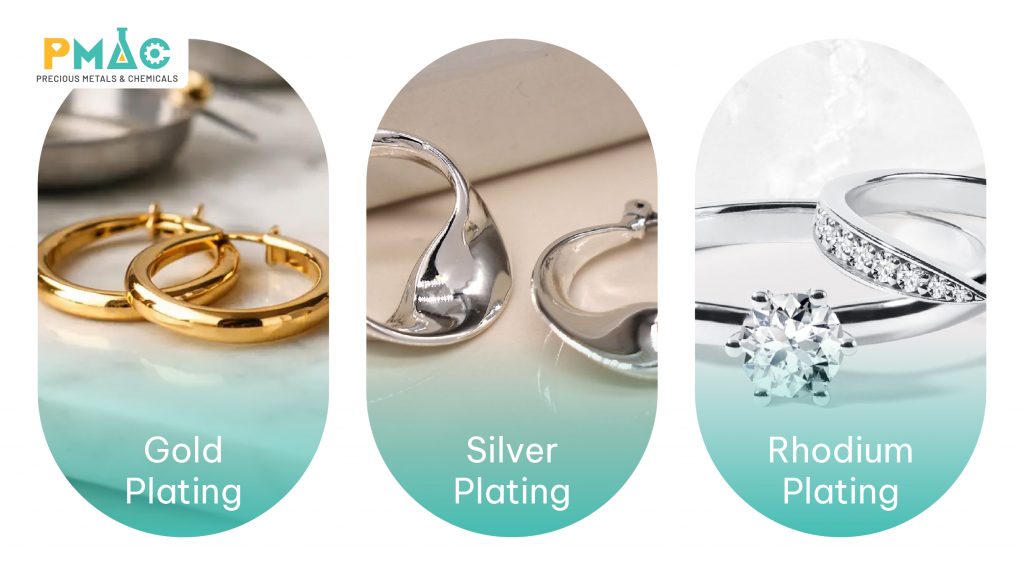
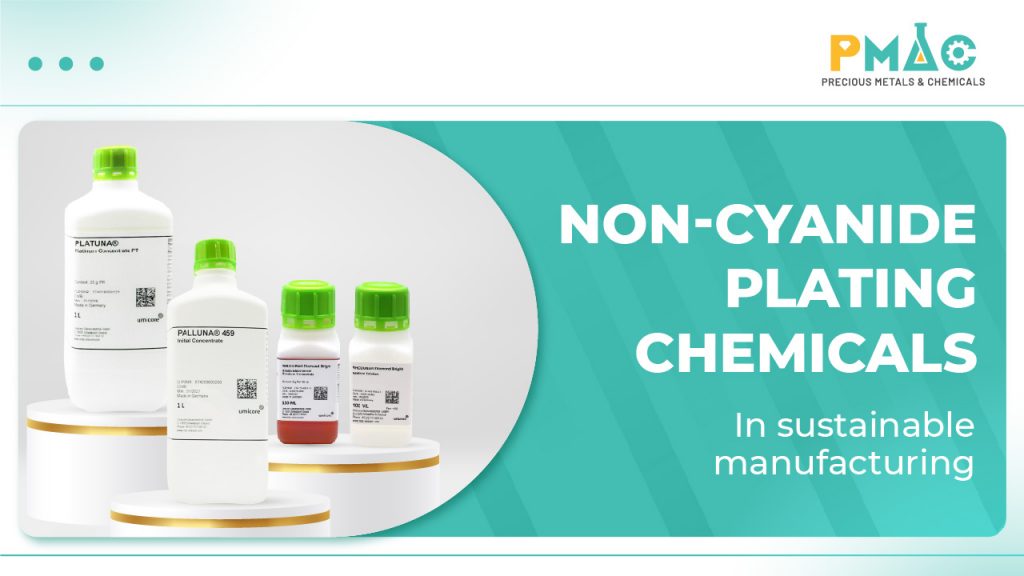
Figure 2: Common electroplating chemicals used in jewelry manufacturing
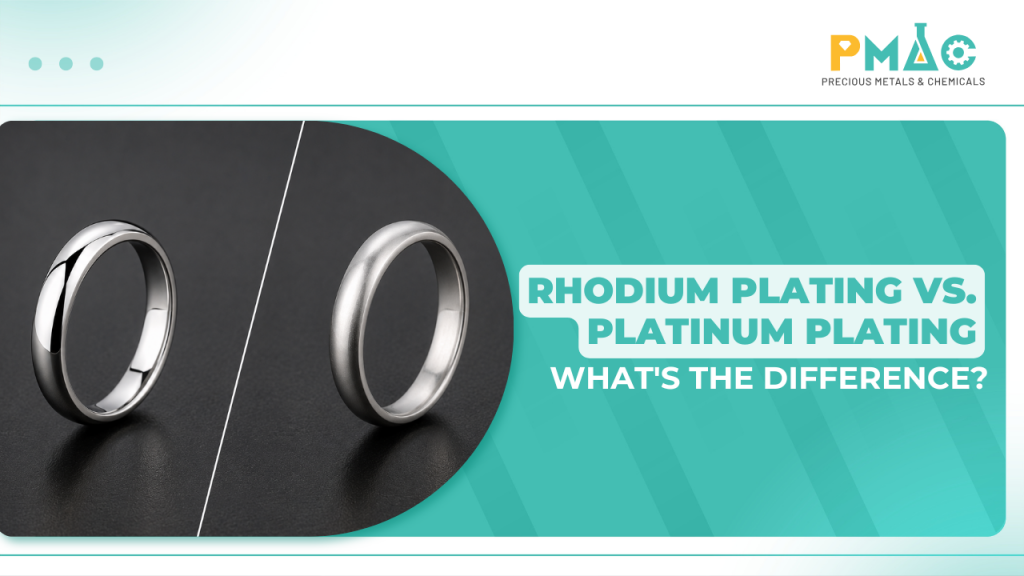
3. Rhodium plating
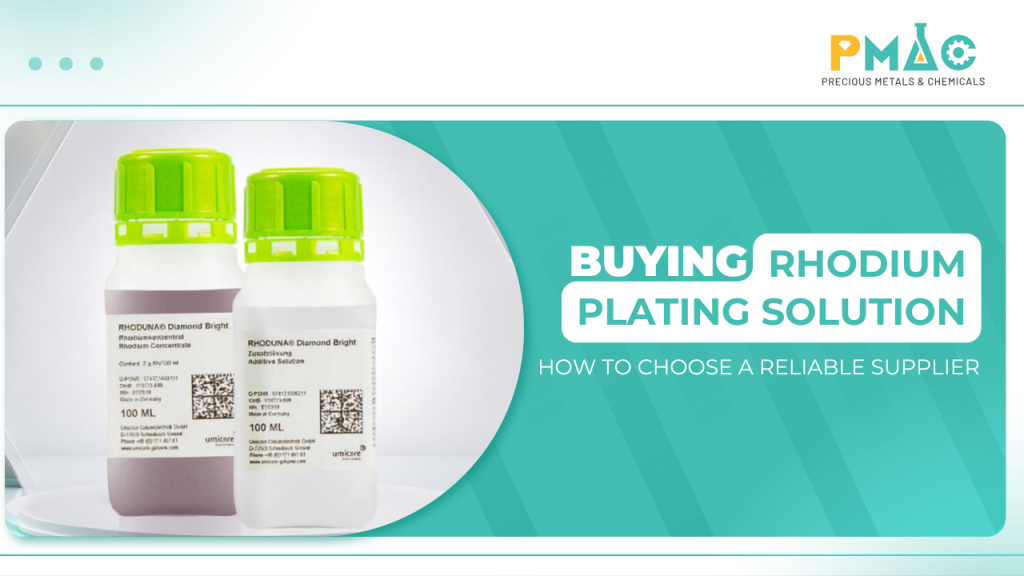
3.1 RHODUNA® J1 Rhodium Electrolyte
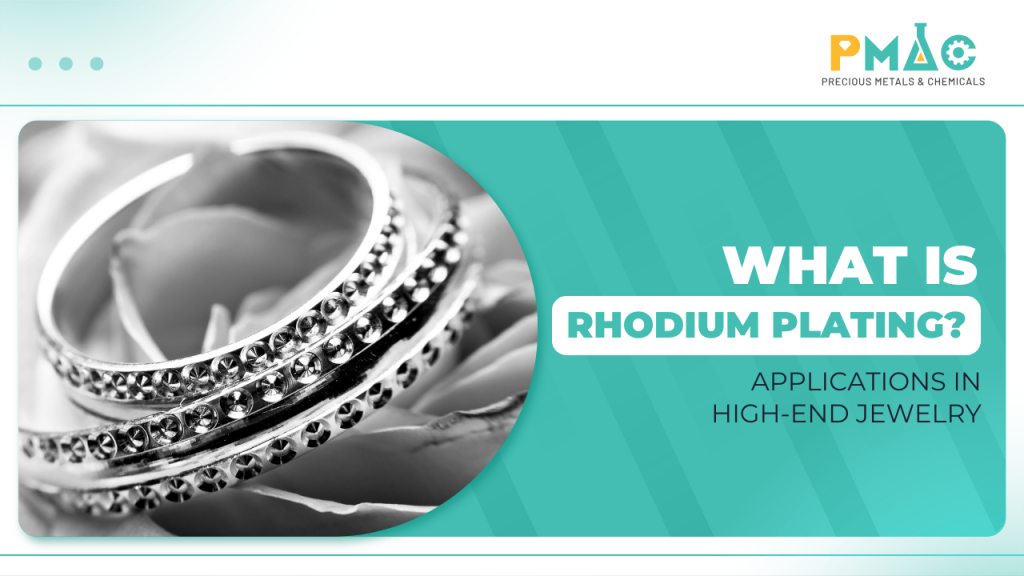
RHODUNA® J1 is a premium rhodium electrolyte solution widely used to create bright white, mirror-like coatings for jewelry.
- It produces layers with thicknesses of 0.1–0.3 μm without cracking.
- Offers high deposition speed and excellent spraying performance.
- Suitable for decorative applications such as jewelry, watches, and eyeglass frames.
- Can be deposited directly onto silver, gold, copper and copper alloys, nickel, and nickel alloys.
- Suitable for both rack plating and barrel plating.
3.2 RHODUNA® 275 Black Rhodium Electrolyte
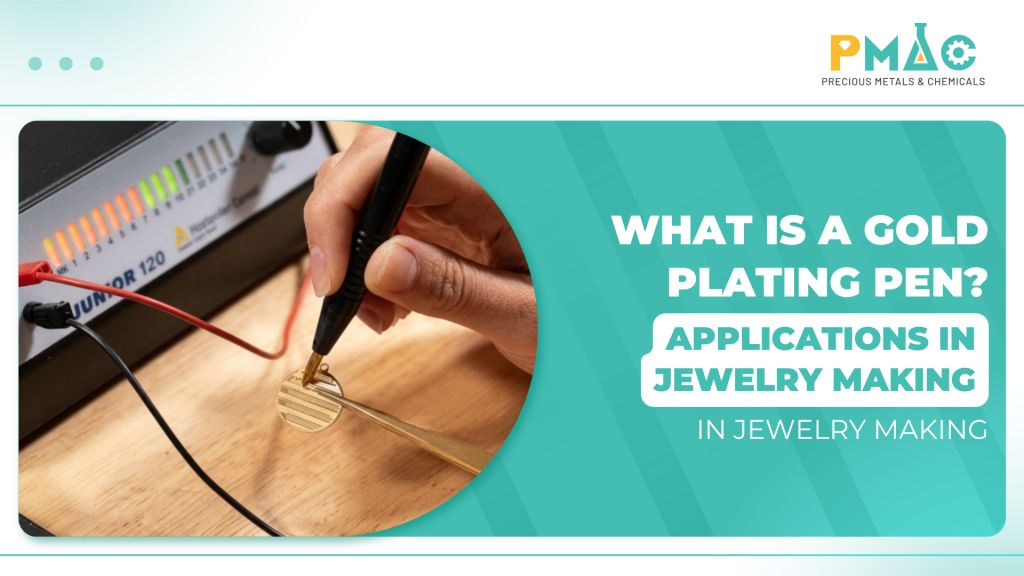
RHODUNA® 275 Black is a pen plating rhodium solution that creates a bright black coating with a unique dark finish.
- It can be applied using direct current or by contact wiping with a plating pen tip.
- Offers fast plating speed and high deposition efficiency.
- Typical coating thickness is approximately 0.1 μm.
- Mainly used for decorative patterns and design details on jewelry.
3.3 RHODUNA® PT Rhodium-Platinum-Electrolyte
RHODUNA® PT is a Rhodium-Platinum alloy plating solution with a 50:50 ratio. Rhodium provides a brilliant bright white surface for decorative products, while Platinum offers stable pricing over many years and strong brand value, making it attractive across all customer segments. The combination of these two precious metals delivers outstanding technical and commercial advantages.
The coating quality is so high that it is visually indistinguishable from pure Rhodium plating.
In addition, the alloy composition can be flexibly adjusted according to requirements:
- 80% Platinum – 20% Rhodium
- 80% Rhodium – 20% Platinum
Compared with pure Rhodium plating, RHODUNA® PT is a more cost-effective solution for manufacturers.
III. Classification and Evaluation of Electroplating Chemicals
| Criteria | Gold Plating | Silver Plating | Rhodium Plating |
| Color | Gold | Grayish White | Bright Mirror White |
| Durability | Medium | Low | Very High |
| Oxidation Resistance | Medium | Low | Excellent |
| Cost | Medium | Low | High |
| Application | Common | Affordable | Premium |
IV. Important Considerations in Jewelry Electroplating
1. Surface Preparation
Surface preparation is a critical step, accounting for up to 70% of the success of the electroplating process. An unclean surface can lead to peeling, blistering, or a rough plated finish.
- Physical Cleaning: Remove scratches and burrs through buffing, and use ultrasonic vibration equipment to eliminate dirt from small gaps and crevices.
- Electrolytic Degreasing: Use a specialized solution combined with electric current to completely remove grease films, fingerprints, and remaining organic contaminants after polishing.
- Activation (Neutralizing): Immerse the item in a diluted acid solution to remove the thin oxide layer on the base metal surface, helping the plating layer adhere more firmly.
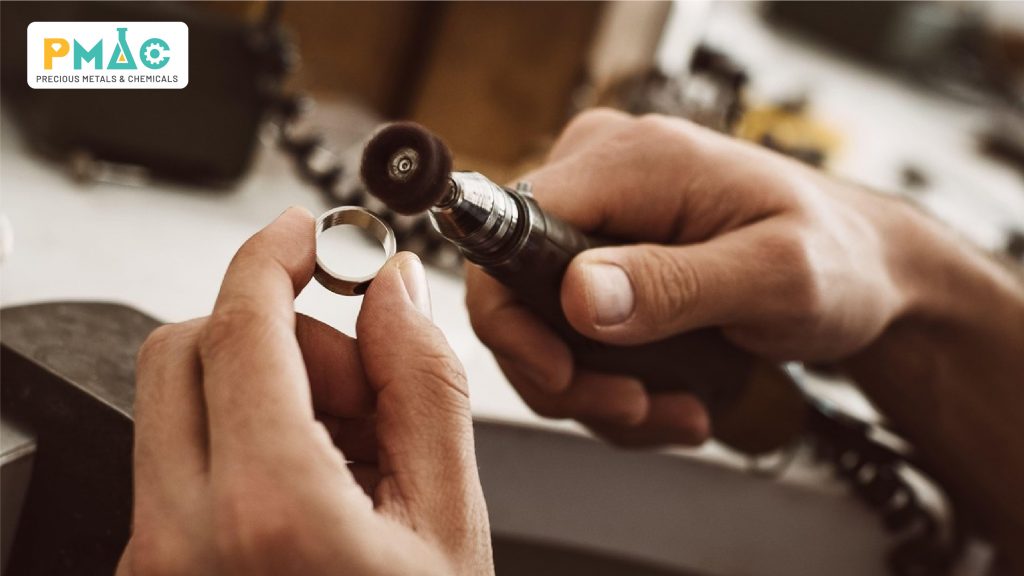
Figure 3: Surface treatment before applying the plating layer
2. Thickness Control
The thickness of the plating layer (measured in microns) determines color durability and the wear resistance of jewelry over time.
- Control of Current and Time: Coating thickness is directly proportional to the electrical current and immersion time in the plating bath. A high-precision rectifier should be used for accurate control.
- Use of Measuring Equipment: To ensure accuracy, businesses should use X-ray fluorescence (XRF) coating thickness measurement systems, such as SpectraX models, to inspect the plating layer without damaging the sample.
3. Choosing Suitable Chemicals and Reliable Suppliers
In addition, selecting the right chemical system for each product segment is also a strategic decision. Using the most expensive chemicals is not always the optimal choice. For mass-market products, it is important to balance cost and service life. However, for premium or export products, stable plating systems free from Nickel/ Cobalt should be prioritized to avoid allergy risks and meet quality inspection standards.
- High-Purity Chemicals: Prioritize gold salts, Rhodium plating solutions, and Palladium solutions with clear origins and low impurities to prevent blackening or rapid tarnishing of the plated layer.
- Solution Stability: High-quality chemicals help the plating bath operate consistently, requiring fewer adjustments of pH or metal concentration, thereby reducing operating costs.
- Work with a Reliable Supplier: An authorized supplier of plating chemicals and precious metals can provide timely technical support, transfer optimized bath formulation processes, and ensure a stable supply source.
Conclusion
Electroplating is not simply the process of coating a surface with a layer of metal, but a combination of craftsmanship and electrochemical science. Choosing the right plating solution helps enhance both the value and lifespan of each jewelry piece. To achieve a perfect finish, store owners and jewelry workshops must strictly follow proper surface preparation procedures, accurately control plating thickness, and most importantly, select chemical systems from trusted suppliers.
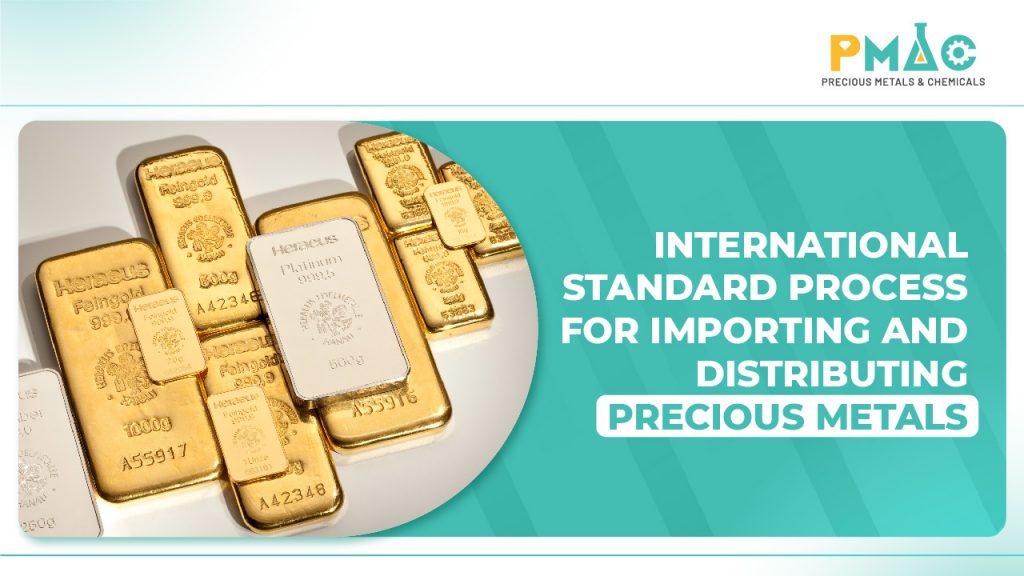
PMAC is proud to be a pioneering supplier of genuine plating chemicals and precious metals (Umicore, AURUNA, RHODUNA…). We not only provide products, but also deliver comprehensive technical solutions:
- Consulting on the most suitable chemicals for each customer segment.
- Transferring stable bath formulation processes to optimize costs.
- Providing technical support and plating thickness inspection with modern XRF technology.
A high-quality plating layer not only creates a luxurious appearance, but also represents the credibility and dedication of a brand to its customers.
Contact PMAC for expert consultation and receive the most competitive quotation for your electroplating system!
PMAC Joint Stock Company
HCM: High-Tech Center, 4th Floor, HUTECH Building, D1 Street, High-Tech Park, Tang Nhon Phu Ward, Ho Chi Minh City
HN: 22B Ơ2 Linh Dam Peninsula, Hoang Liet Ward, Hanoi City
(+84) 908 727 235
Fanpage: https://www.facebook.com/pmac.asia