

A precious metal recovery system is a critical solution that helps businesses reclaim valuable metals, reduce resource losses, and comply with ESG standards. In this article, PMAC compares current precious metal recovery technologies to help enterprises select an efficient and sustainable solution.
I. What Is precious metal recovery?
Precious metal recovery is the process of separating, treating, and reclaiming valuable metals from industrial waste streams or by-products containing metals, generated during manufacturing activities such as electroplating, electronics, semiconductor components, jewelry making, metallurgy, and chemical processing.
II. Why should businesses invest in a precious metal recovery system?
Businesses should invest in precious metal recovery systems because they deliver dual benefits: optimizing economic efficiency while meeting environmental requirements.
In industries such as semiconductors, electronics, electroplating, and precious metals processing, uncontrolled metal losses through waste streams result in significant material waste and direct environmental impact.
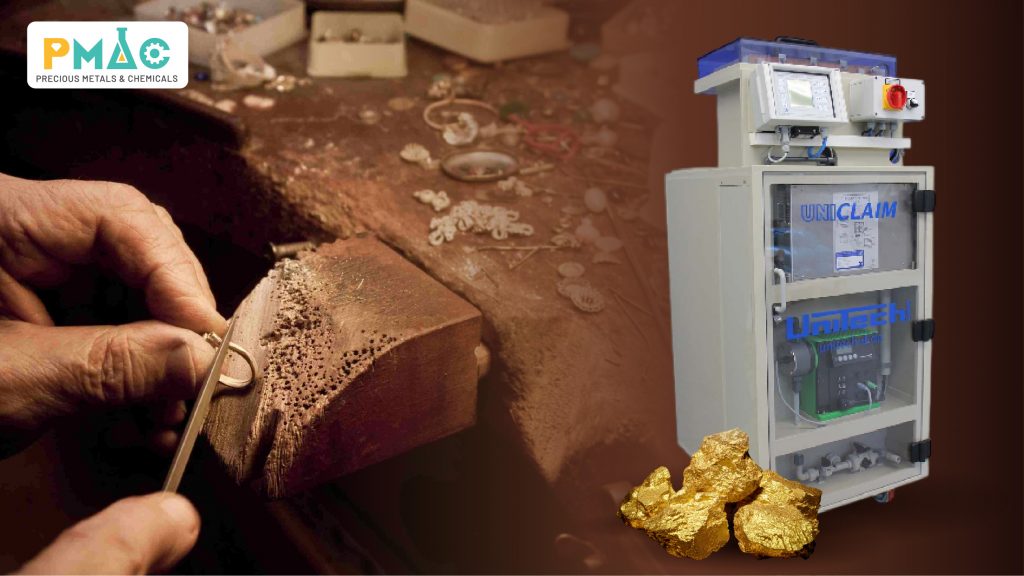
Figure 1: Precious metal recovery system
As global industries increasingly tighten Environmental, Social, and Governance (ESG) standards, investing in precious metal recovery systems is no longer a recommended option but a mandatory requirement.
In the long term, precious metal recovery is a key component of sustainable development strategies and circular economy models, enabling companies to reduce production costs, build green manufacturing facilities, minimize environmental impact, and enhance competitiveness in high-tech industries.
III. Criteria for evaluating precious metal recovery systems
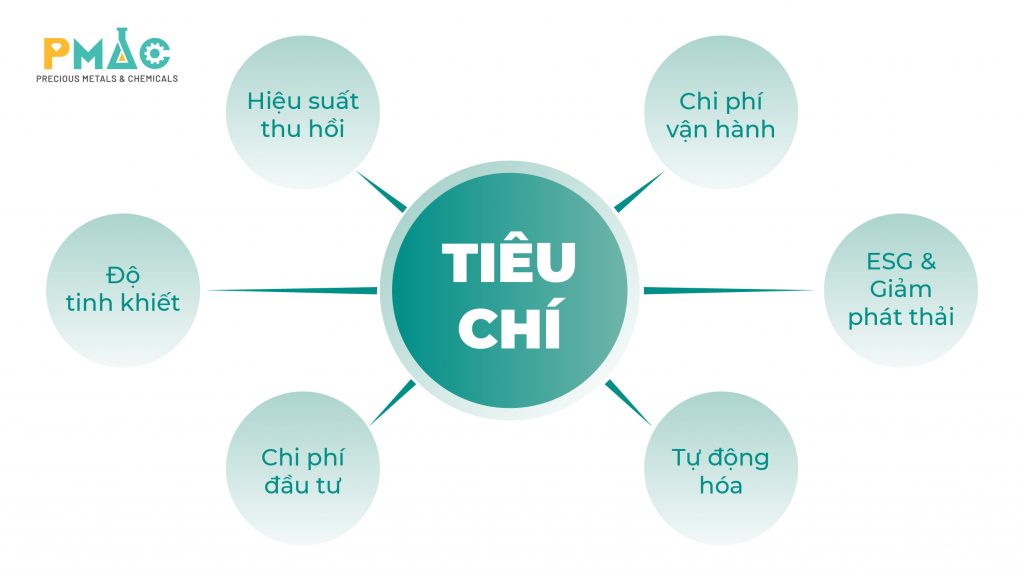
Figure 2: Diagram of evaluation criteria for the precious metal recovery system
1. Metal recovery efficiency
Metal recovery efficiency is the most critical criterion when evaluating a precious metal recovery system. It indicates the system’s ability to maximize the extraction of valuable metals from waste streams such as plating solutions, wastewater, and industrial sludge.
A high-efficiency system helps businesses minimize resource losses, optimize raw material costs, and improve return on investment, particularly in industries that rely heavily on precious and technical metals.
2. Purity of recovered metals
Purity determines the usability and commercial value of recovered metals. High-purity metals can be reused directly in production or sold to refiners at a higher value.
In contrast, metals recovered with high levels of impurities require additional processing, increasing treatment costs and reducing the overall economic efficiency of the recovery system.
3. Recovery technology and method
Precious metal recovery technology directly affects system efficiency, operational stability, and safety.
Commonly used methods include selective precipitation, ion exchange, electrolysis, and adsorption.
Technology selection should be based on the type of waste stream, metal concentration, production scale, and environmental requirements to ensure efficient, flexible, and sustainable system performance.
4. Capital and operating costs
Businesses need to assess the total cost, including equipment, chemicals, labor, energy, and maintenance, in comparison with the value of recovered metals.
An optimal system is one that offers reasonable costs, easy operation, fast payback, and stable long-term economic benefits.
5. Compliance with environmental standards
A precious metal recovery system must effectively control waste streams containing heavy metals and reduce emissions to soil, water, and air.
Compliance with domestic and international environmental standards not only helps businesses mitigate legal risks but also strengthens their reputation within global supply chains and supports the transition toward ESG-aligned, sustainable manufacturing models.
IV. Applications of precious metal recovery systems
1. Semiconductor industry
It plays a critical role in recovering precious and technical metals generated from processes such as electroplating, etching, cleaning, and surface treatment.
Metals including gold, silver, palladium, copper, and nickel are often present in plating solutions, rinse water, and sludge at low concentrations but with high economic value.
Investing in metal recovery systems enables semiconductor manufacturers to minimize resource losses, reuse metals in production, and comply with stringent environmental regulations and ESG standards across the global supply chain.
2. Jewelry and precious metal manufacturing
The jewelry and goldsmithing industry is one of the sectors with the highest precious metal losses during melting, fabrication, polishing, and cleaning processes.
Metal recovery systems enable the efficient recovery of gold, silver, platinum, and palladium from wastewater, polishing sludge, and cleaning solutions. As a result, jewelry manufacturers can maximize the use of valuable raw materials, reduce the cost of purchasing input metals, and improve production efficiency especially in periods of strong precious metal price volatility.
3. Waste collection and recycling industry
Applied to the treatment of metal-containing waste streams from electronics, electroplating, batteries, components, and industrial equipment.
Recovering metals from waste not only creates economic value but also helps reduce the volume of hazardous waste that must be landfilled or disposed of.
This is a critical solution that enables recycling companies to develop toward a circular economy, reduce environmental pressure, and comply with increasingly stringent regulatory requirements.
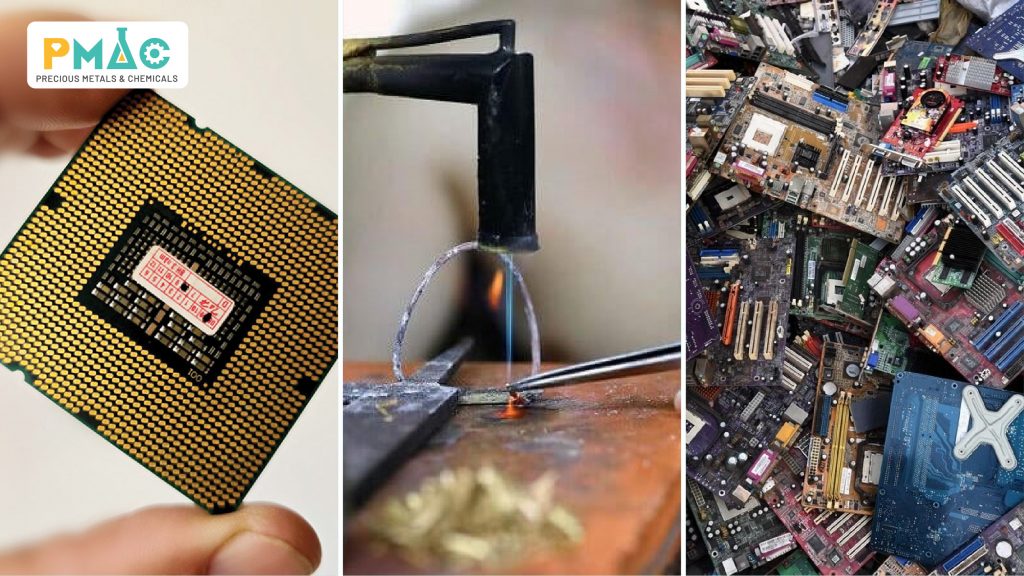
Figure 3: Applications of the precious metal recovery system
V. PMAC – A trusted provider of precious metal recovery systems
PMAC is one of the leading providers in Vietnam of professional, efficient precious metal recovery systems that comply with international standards.
With extensive experience in precious metals, technical chemicals, and recovery system processing, PMAC partners with enterprises on their journey to optimize production, reduce resource losses, and enhance environmental, social, and governance (ESG) performance.
One of PMAC’s key strengths is its team of experts with more than 20 years of experience in precious metals and technical chemicals, capable of advising recovery solutions tailored to the specific production characteristics of each enterprise.
PMAC is committed to long-term partnership with customers, from on-site assessment and selection of appropriate technologies to system implementation and operation with the highest possible efficiency.
Conclusion
Investing in precious metal recovery systems not only helps enterprises optimize costs but also enhances competitiveness and supports long-term sustainable development. Selecting the right technology must be based on recovery efficiency, metal purity, operating costs, and the ability to meet ESG requirements.
With deep expertise and internationally standardized solutions, PMAC is a trusted partner, supporting enterprises in deploying efficient, safe, and production-specific precious metal recovery systems.
CONTACT PMAC TO GRADUALLY ELEVATE YOUR BUSINESS STRATEGY AND ACHIEVE INTERNATIONAL STANDARDS
PMAC Joint Stock Company
HCM: High-Tech Center, 4th Floor, HUTECH Building, D1 Street, High-Tech Park, Tang Nhon Phu Ward, Ho Chi Minh City
HN: 22B Ơ2 Linh Dam Peninsula, Hoang Liet Ward, Hanoi City
(+84) 908 727 235
Fanpage: https://www.facebook.com/pmac.asia
Learn More:
Comparing electroplating chemical suppliers in Vietnam