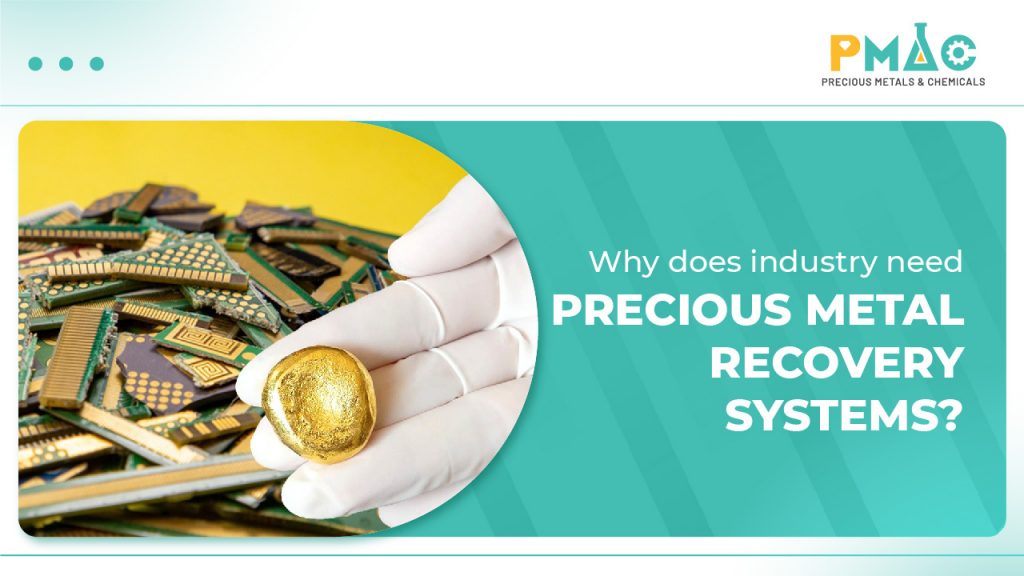


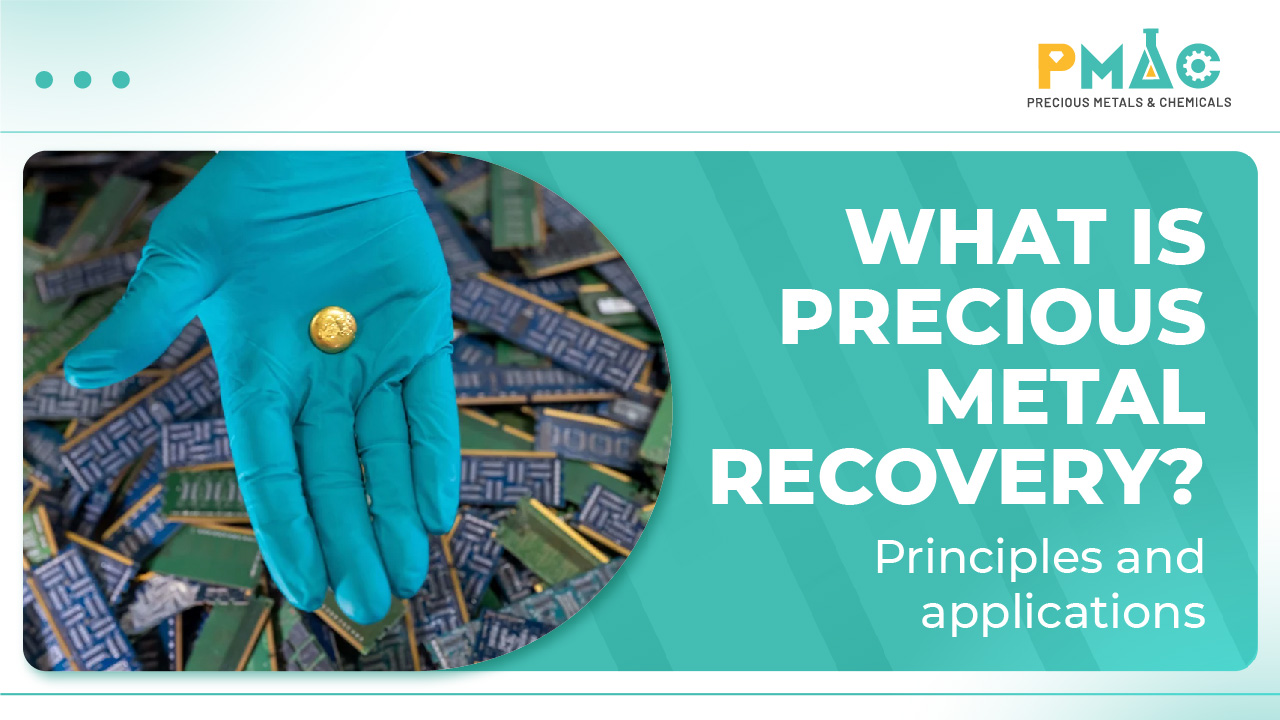
Precious metal recovery is a key technology for separating and recycling valuable metals such as gold, silver, palladium, and platinum from plating solutions, scrap, and industrial waste. This article, PMAC will explain the principles, common systems, and real-world applications used today.
I. What is precious metal recovery?
Precious metal recovery is a technical process used to separate and recover valuable metals such as gold (au), silver (ag), palladium (pd), and platinum (pt) from electroplating solutions, wastewater, sludge, industrial scrap, or end-of-life consumer products.
This process relies on electrochemical and chemical methods to extract precious metals efficiently, reduce material losses, and support sustainable manufacturing practices.
II. Basic operating principles of precious metal recovery
The precious metal recovery process is based on the selective separation of metals according to their chemical and electrochemical properties. A typical recovery workflow includes:
– Step 1: collection and pre-treatment, removal of mechanical impurities and adjustment of physical and chemical conditions.
– Step 2: metal dissolution or oxidation, conversion of metals into ionic or processable phases under controlled conditions.
– Step 3: base metal separation, removal of less noble metals based on differences in chemical reactivity or solubility.
– Step 4: precious metal recovery, recovery through precipitation, electrolysis, or selective adsorption.
– Step 5: refining and purification, increasing metal purity for reuse in manufacturing or electroplating processes.
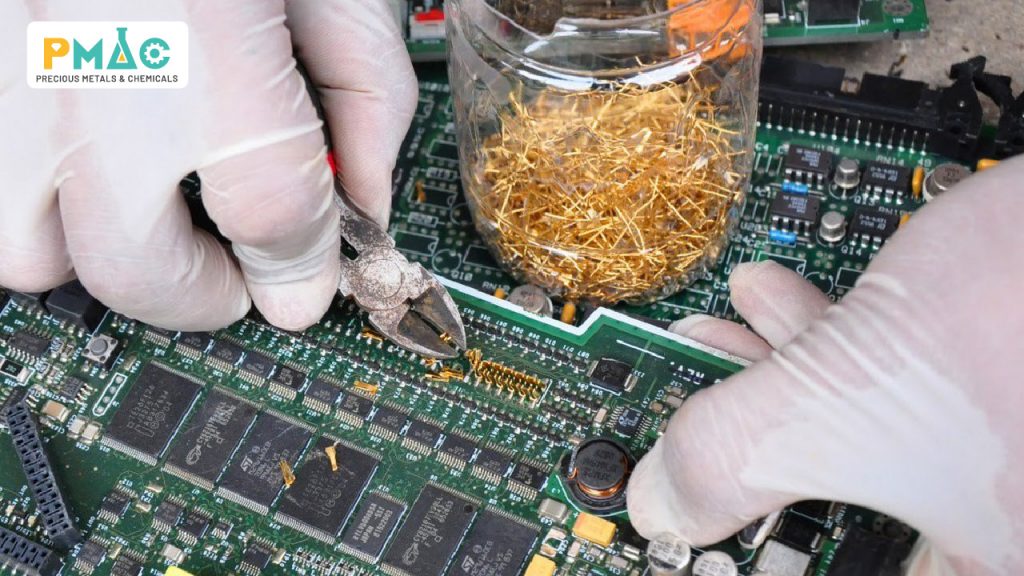
Figure 1: Operating principle of the precious metal recovery system
>> Learn more: How chemical plating suppliers determine quality
III. Common precious metal recovery systems in use today
Modern precious metal recovery systems are designed to convert metals from dissolved or dispersed states into solid, recoverable forms through electrochemical or chemical reactions. The two most widely used systems are electrolytic recovery and chemical (hydrometallurgical) recovery.
1. Electrolytic recovery system
Electrolytic recovery is based on electrochemical principles, utilizing differences in standard electrode potentials between metals. When an appropriate voltage is applied:
– Precious metal ions (au, ag, pd, pt) are reduced and deposited on the cathode
– Base metals with lower electrode potentials remain in solution
This enables selective recovery of precious metals in solid metallic form.
Advantages:
– High recovery efficiency
– High-purity recovered metals
– Ideal for stable electroplating solutions with consistent metal concentrations
2. Chemical recovery system
Chemical recovery does not use electricity. Instead, it relies on controlled chemical reactions in solution, including:
– Oxidation reduction reactions
– Ph adjustment
– Metal precipitation or complex breakdown
The objective is to convert precious metals from soluble ionic forms into insoluble compounds or metallic solids for easy separation.
Advantages:
– Simple equipment requirements
– Flexible for various feed materials
– Suitable for solid scrap, plating sludge, and wastewater containing precious metals
>> Learn more: Key factors affecting the quality of plated coatings
IV. Real-world applications of precious metal recovery
1. Electronic components industry
In electronics and semiconductor manufacturing, precious metals are used for their excellent electrical conductivity and contact durability.
Recovered metals include:
– Gold from ic pins and connectors
– Silver from electrical contacts
– Palladium and platinum from high-end components
Precious metal recovery helps:
– Recycle valuable materials from electronic waste
– Reduce raw material costs
– Minimize environmental impact from e-waste
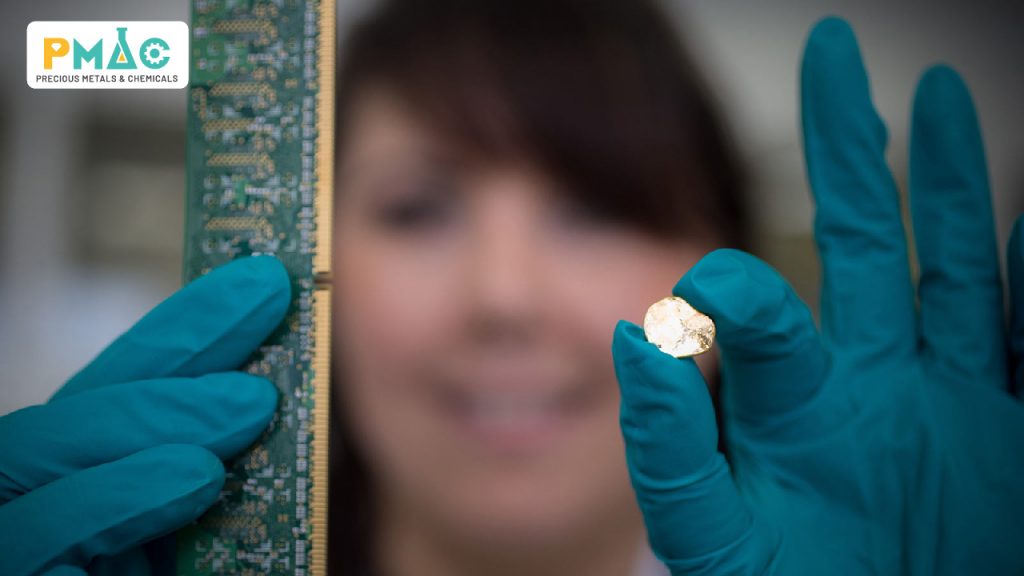
Figure 2: Applications of precious metal recovery in industrial sectors
2. Jewelry manufacturing
Jewelry production generates significant amounts of gold dust, silver dust, plating sludge, and metal scrap.
Applications include:
– Recovery and reuse of gold and silver
– Improved raw material quality control
– Cost optimization in precious metal usage
3. Construction materials
Certain construction and architectural materials use metal plating or alloying to enhance corrosion resistance and surface durability.
Precious metal recovery is applied to:
– Plated metal scrap
– Surface treatment sludge
– End-of-life construction components
This supports industrial recycling and circular economy models.
4. Household products
Many household items feature plated metal surfaces for aesthetics and durability, such as cutlery, metal trims, and decorative components.
Recovery sources include:
– Plated household products
– Manufacturing rejects
– Damaged or obsolete items
Precious metal recovery reduces waste and recaptures valuable materials.
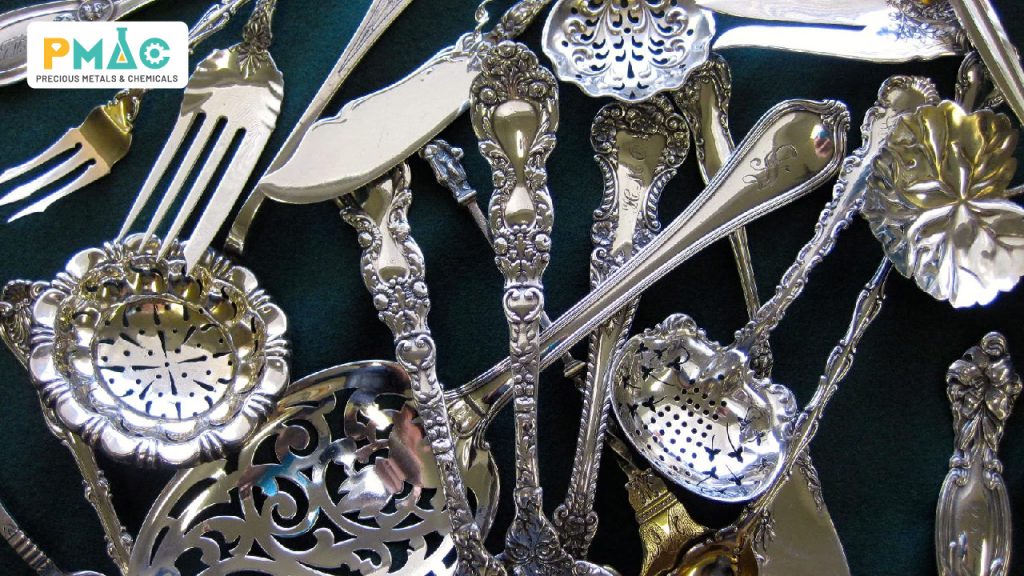
Figure 3: Applications of precious metal recovery in household appliances
V. Precious metal recovery solution provider in vietnam
PMAC is a trusted provider of precious metal recovery solutions in Vietnam, supplying certified electroplating chemicals and specialized anode baskets and recovery systems for both small-scale and large industrial operations.
With over 5 years of development and a technical team holding more than 20 years of experience in the jewelry and electroplating industry, PMAC is committed to quality, innovation, and technical expertise, supporting the sustainable growth of Vietnam’s precious metal and surface treatment industries.
Conclusion
Precious metal recovery is not only a technical solution to optimize the value of precious metals, but also an essential approach in the context of sustainable manufacturing and the circular economy. Based on electrochemical and selective chemical principles, this technology is widely applied in electronics, jewelry, construction materials, and household products. Choosing the right recovery system and a reliable solution provider enables businesses to reduce costs, control material quality, and improve long-term production efficiency.
Contact PMAC to optimize your production and operational costs for a more sustainable and efficient manufacturing process.
PMAC Joint Stock Company
HCM: High-Tech Center, 4th Floor, HUTECH Building, D1 Street, High-Tech Park, Tang Nhon Phu Ward, Ho Chi Minh City
HN: 22B Ơ2 Linh Dam Peninsula, Hoang Liet Ward, Hanoi City
(+84) 908 727 235
Fanpage: https://www.facebook.com/pmac.asia
Reference:
Criteria for a reliable plating chemical supplier
Non-cyanide plating chemicals in sustainable manufacturing