

Gold plating is one of the key factors that gives jewelry a luxurious appearance and enhances its value. However, many jewelry manufacturers face the issue of gold-plated surfaces fading after a relatively short period of use. This problem directly affects the product’s appearance as well as the reputation of the brand.
In this article, PMAC will help answer common questions about gold plating discoloration. Why does gold plating fade? What causes it, and how can it be prevented?
I. What Is Gold Plating Fading?
1. Signs of Gold Plating Fading
Gold plating does not fade immediately. Instead, the process usually occurs gradually during use. If not identified and addressed early, it can significantly reduce the value of the jewelry.
The most noticeable sign is that the gold color becomes lighter than its original appearance. The plated layer loses its bright and uniform color across the entire surface. As the coating fades, the jewelry also loses its reflective shine. The product appears dull, less lustrous, and no longer maintains its luxurious look.
In some cases, discoloration spots may appear, or the underlying base metal may become visible. This commonly occurs in high-friction areas such as ring edges, the inner side of bracelets, or sections that frequently come into contact with skin and the environment. These signs should be identified early to prevent further deterioration.
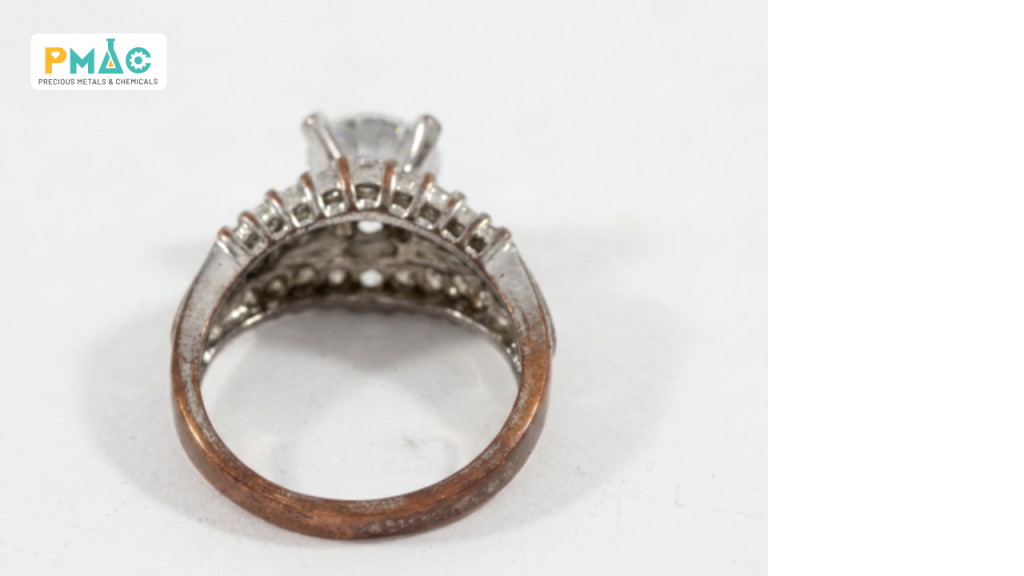
Figure 1: Gold plating layer showing color fading
2. Is Gold Plating a Permanent Coating?
In reality, gold plating is a coating formed when gold ions are deposited onto the surface of jewelry during the electroplating process. Therefore, fading is inevitable over time.
A high-quality gold-plated layer can typically maintain its appearance for 6 to 12 months. After this period, jewelry is often polished, restored, or replated to regain its original finish. However, low-quality plating may have a significantly shorter lifespan.
II. Causes of Gold Plating Fading
Gold plating is applied to enhance the appearance and value of jewelry. However, no plated coating can maintain its original condition forever. Various factors during both production and usage contribute to fading.
Below are some of the most common causes.
1. The Gold Layer Is Too Thin
Each product requires an appropriate plating time and electrical current to achieve the desired coating thickness. Depending on the intended use and product type, the standard plating thickness may vary. However, some manufacturers shorten plating time to save costs and increase productivity.
When the coating is too thin, the jewelry quickly loses its shine and original color. Areas that frequently come into contact with skin or experience friction are especially vulnerable. The coating wears away faster, exposing the base metal underneath. This is one of the most common reasons jewelry fades after a short period of use.
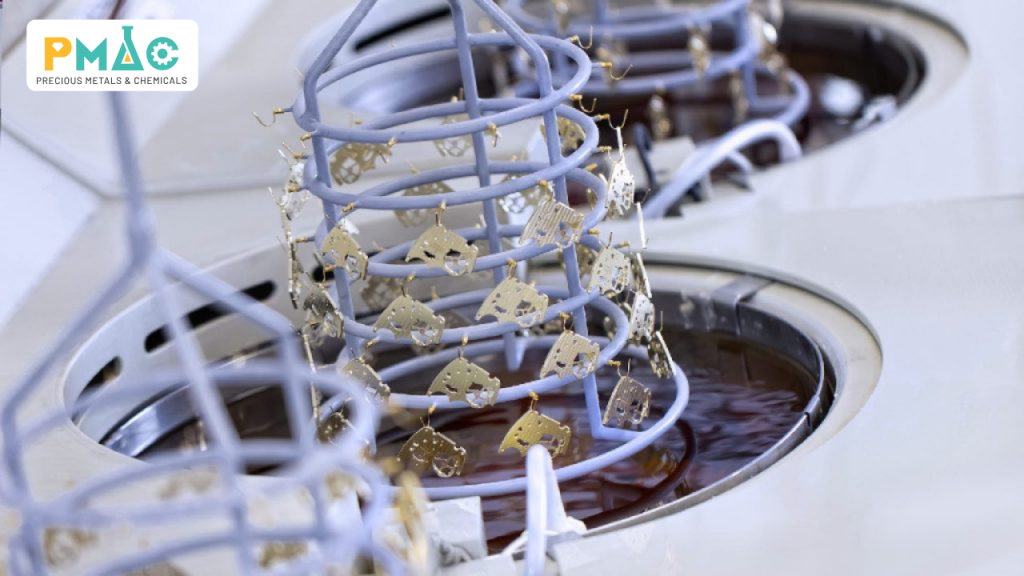
Figure 2: Gold plating process of the jewelry product
2. Poor-Quality Gold Plating Chemicals
In addition to coating thickness, the quality of gold plating chemicals plays a critical role in determining color durability. A high-quality plating solution creates a stronger and more durable coating. Low-quality chemicals often contain lower gold concentrations, resulting in a weaker plating layer that fades more easily.
Manufacturers should also pay attention to the shelf life of plating chemicals. Improper storage or expired chemicals can degrade over time and negatively impact plating performance. Therefore, it is essential to source chemicals from reputable suppliers.
Read More: Gold Plating Chemicals: The Role of Gold Plating Chemicals in Jewelry Electroplating
3. Inadequate Surface Preparation
Surface preparation before plating is one of the most important steps in the electroplating process. Jewelry surfaces must be thoroughly cleaned using specialized chemicals or equipment to remove dirt, grease, and contaminants.
If the surface is not properly cleaned, the gold coating may not adhere effectively. As a result, the plating layer can peel off more easily during use. In addition, poor surface preparation can lead to rough surfaces that negatively affect coating adhesion and overall plating quality.
4. Environmental and User-Related Factors
Many people assume that fading is entirely caused by poor plating quality. In reality, how jewelry is used and maintained has a significant impact on plating lifespan.
Acids and sulfur compounds found in sweat can accelerate oxidation when they come into contact with jewelry. High temperatures further accelerate this process.
In addition, perfumes, cosmetics, skincare products, and cleaning agents can directly affect the plated surface. Frequent exposure to these substances may cause the coating to lose its shine, become dull, or fade more quickly than expected.
III. The Impact of Gold Plating Fading on Jewelry Businesses
1. Reduced Product Aesthetic Value
The primary purpose of gold plating is to enhance the visual appeal of jewelry. Once the coating fades, it no longer fulfills that purpose.
The plated layer gradually loses its shine, becomes lighter in color, and may develop uneven discoloration. In some cases, the base metal becomes visible. This makes the jewelry appear less refined and reduces its premium appearance. As a result, the perceived value of the product decreases significantly.
2. Damage to Brand Reputation
In the jewelry industry, a high-quality product must offer not only an attractive design but also long-lasting durability. For jewelry businesses, reputation is built on customer satisfaction and real-world product performance.
If a product begins to fade or deteriorate shortly after purchase, customers may question both the product quality and the manufacturer’s production standards. This can reduce trust in the brand, even if other aspects of the product remain satisfactory.
3. Increased Warranty and Rework Costs
When gold plating fades, the only effective solution is refinishing or replating the product. This requires additional labor, time, and warranty expenses.
Therefore, manufacturers should strive to maximize plating durability from the beginning in order to minimize after-sales service costs and warranty claims.
IV. How to Control and Prevent Gold Plating Fading
1. Control the Thickness of the Gold Layer
Plating time varies depending on the product type and intended use. Manufacturers should ensure that plating parameters and chemical solutions meet technical requirements in order to achieve the desired coating thickness.
This is one of the most cost-effective and efficient ways to extend the lifespan of gold plating.
Read More: International Standard Gold Plating Process
2. Use High-Quality Gold Plating Chemicals
Many businesses focus heavily on price while overlooking product quality. Unfortunately, the long-term cost of poor-quality chemicals often includes production risks and damage to brand reputation.
To ensure stable plating performance, manufacturers should choose chemicals from reputable suppliers. One of the world’s leading electroplating chemical brands is Umicore.
With advanced technology developed in Belgium, Umicore products help create coatings with consistent color, excellent gloss, and long-lasting durability.
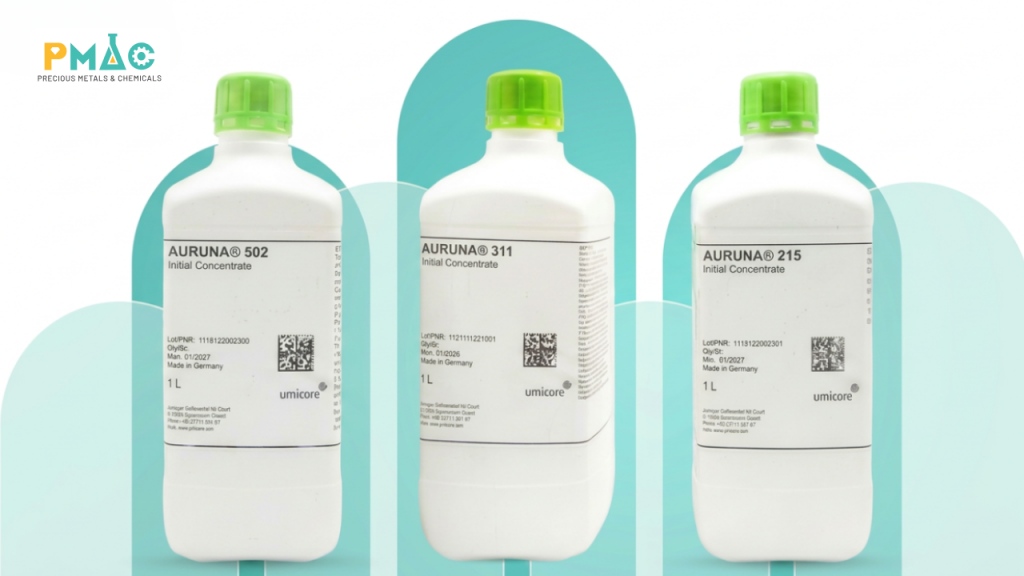
Figure 3: Leading Gold Plating Chemicals from Umicore
Read More: The World’s Leading Gold Plating Chemical Brand – Umicore
Read More: Where to Buy Reliable Gold Plating Chemicals for Jewelry Workshops
3. Optimize Surface Preparation
Even if all other factors are properly controlled, the coating may still underperform if the surface preparation process is inadequate.
A clean surface allows gold ions to adhere more effectively during electroplating, resulting in a stronger and more uniform coating. Therefore, businesses should establish proper surface treatment procedures and carefully control each step before plating.
4. Educate Customers on Proper Jewelry Care
The solutions above address internal production factors that affect plating durability. However, manufacturers should also provide customers with proper care instructions to help maximize the lifespan of their jewelry.
- Avoid exposing jewelry to perfumes, cosmetics, detergents, and other chemicals.
- Remove jewelry before exercising, participating in sports, or performing activities that may cause friction.
- Store jewelry in a dedicated jewelry box or protective pouch when not in use to minimize exposure to air and humidity.
These simple habits can significantly extend the lifespan of gold plating and help maintain the jewelry’s original shine.
Conclusion
The causes of gold plating fading are not limited to internal factors such as chemical quality, plating processes, or surface preparation. External factors, including environmental conditions, storage practices, and everyday wear, also play a major role.
Fading is a natural part of the lifecycle of gold-plated jewelry. However, both manufacturers and consumers can take proactive measures to identify the causes and implement appropriate solutions to maximize plating durability.
If you are a jewelry manufacturer, investing in reliable plating solutions and high-quality chemicals from the start is essential for ensuring product quality. If you are a jewelry enthusiast struggling with tarnished or faded jewelry, proper care and maintenance can significantly extend the life of your pieces.
Contact PMAC today for expert consultation and the best quotation for your plating system!
PMAC Joint Stock Company
Ho Chi Minh City Office:
4th Floor, HUTECH Building, D1 Street, Saigon Hi-Tech Park, Tang Nhon Phu Ward, Ho Chi Minh City, Vietnam
Hanoi Office:
22B O2, Linh Dam Peninsula, Hoang Liet Ward, Hanoi, Vietnam
Hotline: (+84) 908 727 235
Fanpage: PMAC