


When purchasing a diamond, many people assume that as long as the stone comes with a diamond grading report, they can be completely confident about its quality and value. In reality, a grading report is an essential source of information, but it is only truly useful if the buyer knows how to read and interpret the information it contains.
So, when you have a diamond grading certificate in hand, where should you start? Which details are truly important, and which ones are most commonly overlooked?
This article will guide you through how to read a diamond grading report from a buyer’s perspective while explaining seven key details that help you evaluate a diamond more comprehensively rather than relying solely on the traditional 4Cs.
I. What Is a Diamond Grading Report?
A Diamond Grading Report (also referred to as a Diamond Grading Certificate) is a document issued by an independent gemological laboratory that records the characteristics of a diamond at the time of examination. It describes the diamond’s physical properties and grading results based on internationally recognized gemological standards.
Today, several internationally recognized laboratories provide diamond grading services. Among the best known are GIA, IGI, and other reputable gemological laboratories. While each organization has its own report format, the core information included in their grading reports is generally similar.
However, even if a diamond comes with a grading report, buyers should still understand how to read and interpret the information correctly to avoid misjudging the stone’s true value.
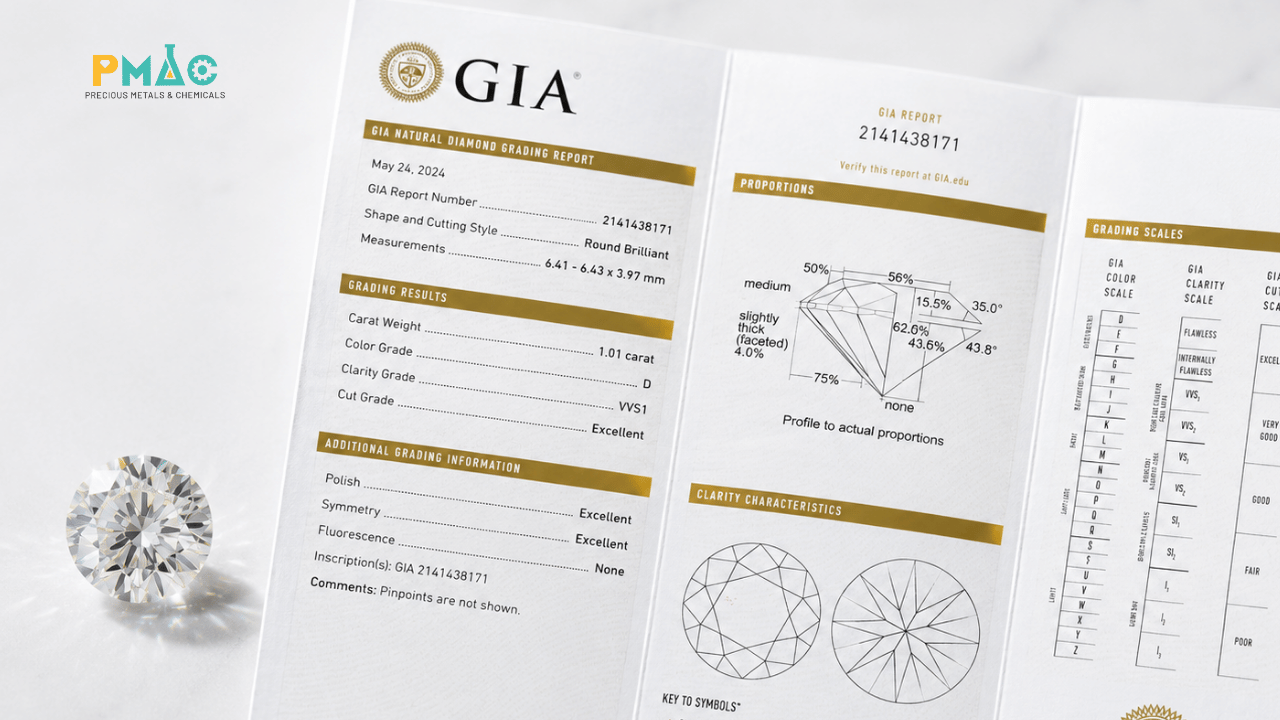
Figure 1: GIA Diamond Grading Report
II. 7 Important Details on a Diamond Grading Report Buyers Often Overlook
1. Report Number – The Diamond’s Unique Identity
The Report Number is a unique identification number assigned to a diamond after it has completed the grading process. Every graded diamond receives its own unique number, which is stored in the grading laboratory’s database.
Today, many gemological laboratories provide online report verification services. By entering the Report Number, buyers can verify important information such as:
- Carat Weight
- Color Grade
- Clarity Grade
- Cut Grade (where applicable)
- Diamond shape
- Report issue date
Verifying the Report Number helps confirm whether the grading report matches the information stored in the laboratory’s official database. Although this only takes a few minutes, it is an important step—especially when purchasing high-value diamonds.
Check the Report Number on GIA’s official website: https://www.gia.edu/report-check-landing
2. Shape & Cutting Style – Is It the Same as Cut Grade?
One of the most common misconceptions when reading a diamond grading report is assuming that Shape represents the quality of a diamond’s cut. In reality, Shape, Cutting Style, and Cut Grade are three different concepts, each describing a different aspect of the diamond.
What Is Shape?
Shape refers to the overall outline of a diamond. On a grading report, you may encounter familiar shapes such as Round Brilliant, Princess, Oval, Cushion, Emerald, Pear, Marquise, Radiant, and Heart.
Shape simply describes the diamond’s external form. It does not indicate how well the diamond has been cut.
What Is Cutting Style?
Cutting Style describes the arrangement and pattern of a diamond’s facets.
For example, diamonds with the same general shape may feature different facet arrangements depending on the cutting design chosen to optimize light performance or achieve a particular aesthetic.
What Is Cut Grade?
Cut Grade evaluates the quality of a diamond’s cut. It reflects how successfully the diamond has been cut based on factors such as proportions, symmetry, and polish.
For certain diamond shapes—most notably Round Brilliant—many grading laboratories assign cut grades such as Excellent, Very Good, Good, and other categories according to their grading standards.
Simply put:
- Shape answers the question: “What is the diamond’s overall shape?”
- Cutting Style explains: “How are the facets arranged?”
- Cut Grade evaluates: “How well has the diamond been cut?”
Therefore, a Round Brilliant diamond is not automatically graded Excellent, and an Oval or Cushion diamond cannot be judged solely by its shape.
Understanding the distinction between these three terms allows buyers to read a diamond grading report more accurately and avoid making assumptions based only on the diamond’s shape.
3. Carat Weight – Weight Does Not Determine Everything
For many first-time buyers, Carat Weight is often the first specification they notice. This is understandable, as carat is one of the most widely recognized measurements and is frequently highlighted in product descriptions and advertisements.
However, Carat Weight measures only the weight of a diamond—it does not determine its beauty or overall quality.
In fact, a smaller diamond with an excellent cut, higher clarity, and balanced color can often be more desirable than a larger diamond with lower grades in other quality factors.
For this reason, gemological professionals generally recommend that buyers avoid choosing a diamond based solely on Carat Weight. Instead, all grading factors should be considered together to gain a complete understanding of the diamond’s overall quality.
4. Don’t Just Look at the 4Cs—Understand How They Work Together
When discussing a diamond grading report, most buyers are familiar with the 4Cs: Carat, Color, Clarity, and Cut.
A common mistake, however, is focusing on only one characteristic—for example, choosing the highest Color Grade or the largest Carat Weight—while overlooking how all four grading factors interact.
In reality, a diamond’s value is determined by the balance of all quality characteristics rather than by any single specification.
For example:
| Criteria | Diamond C | Diamond D |
|---|---|---|
| Color | D | H |
| Cut | Very Good | Excellent |
At first glance, many buyers would choose Diamond C because it has the highest color grade.
However, Cut Grade has a direct impact on light performance. A diamond with an Excellent Cut often appears brighter and more brilliant than a higher-color diamond with less optimal cutting proportions.
This example illustrates why buyers should evaluate all grading factors together rather than judging a diamond based on a single specification.
5. Fluorescence – A Small Detail That Is Often Misunderstood
Fluorescence is the phenomenon in which some diamonds emit visible light—most commonly blue—when exposed to ultraviolet (UV) light. It is a natural characteristic found in certain diamonds and is recorded on the grading report.
Fluorescence is typically classified into five levels:
None – Faint – Medium – Strong – Very Strong
Many buyers assume that stronger fluorescence automatically means a lower-quality diamond. However, this is not entirely accurate.
In many cases, fluorescence has little to no noticeable effect on a diamond’s appearance under normal lighting conditions.
That said, some diamonds with Strong or Very Strong fluorescence may exhibit a slightly milky or hazy appearance under UV light or in certain lighting environments. This may influence the diamond’s market value, although not every diamond with strong fluorescence displays this effect.
Conversely, in some lower color grades—such as I or J—blue fluorescence can sometimes reduce the appearance of yellowish tint under certain lighting conditions, making the diamond appear slightly whiter.
For this reason, fluorescence should be considered as one factor among many rather than viewed as an automatic advantage or disadvantage.
6. Proportions – The Key to a Diamond’s Brilliance
Proportions refer to the geometric measurements and structural ratios of a diamond. Although this section contains several technical terms that many buyers tend to skip, it is one of the most important parts of a grading report for gemologists, jewelry professionals, and experienced buyers.
These measurements determine how efficiently light travels through the diamond, directly influencing its brilliance and visual performance.
Below are some of the most common proportion measurements found on a diamond grading report:
| Parameter | Meaning | Impact on the Diamond |
|---|---|---|
| Table (%) | The width of the table facet relative to the average diameter of the diamond. | A table that is too large or too small may reduce light return and overall brilliance. |
| Depth (%) | The total depth of the diamond relative to its average diameter. | A diamond that is too deep or too shallow may allow light to escape instead of reflecting it back to the viewer. |
| Crown Angle | The angle of the crown (upper portion of the diamond). | Influences the diamond’s ability to produce Fire, the colorful flashes of light visible during movement. |
| Pavilion Angle | The angle of the pavilion (lower portion of the diamond). | Plays a crucial role in directing light back through the top of the diamond. |
| Girdle | The outer edge separating the crown and pavilion. | An overly thin girdle may increase the risk of chipping, while an excessively thick girdle can add weight without improving visual appearance. |
| Culet | The tiny facet—or point—at the bottom of the diamond. | Modern diamonds typically have None or Very Small culets to maximize light return and minimize visibility through the table. |
A diamond’s beauty is determined not only by its color or clarity but also by how effectively it manages light.
When a diamond has well-balanced proportions, light reflects multiple times within the stone before returning to the viewer’s eye, producing three important optical effects:
| Optical Effect | Description |
|---|---|
| Brilliance | The white light reflected back from the diamond. |
| Fire | The colorful flashes created as white light is dispersed into spectral colors. |
| Scintillation | The sparkling effect seen when the diamond, the observer, or the light source moves. |
This explains why a Color G diamond with excellent proportions may appear more brilliant than a Color D diamond whose cutting proportions are less than ideal.
In other words, a higher color grade does not necessarily guarantee a more visually impressive diamond if its proportions are not optimized.
7. Comments – A Small Section That Can Change Your Understanding of the Diamond
Many buyers focus only on the main grading categories and overlook the Comments section at the end of the grading report. However, this section often contains important information that is not fully explained elsewhere in the document.
Some of the information you may find includes:
- Laser Inscription: Indicates whether the diamond has a laser inscription on its girdle and specifies the inscription if applicable. This information helps match the physical diamond to its Report Number or other identifying marks.
- Laboratory-grown Diamond: Reports issued for lab-grown diamonds clearly state that the stone is a Laboratory-grown Diamond or use equivalent terminology according to the laboratory’s reporting standards. This helps distinguish it from a natural diamond.
- Treatment Disclosure: If the diamond has undergone treatments intended to improve its color or clarity, this information will be disclosed in accordance with the grading laboratory’s reporting policy.
- Clarity Characteristics: Some reports provide additional notes describing clarity features beyond the inclusion plot, giving readers a more complete understanding of the diamond’s internal characteristics.
- Internal Graining: Refers to growth patterns formed during the diamond’s natural crystal development. In many cases, internal graining is simply a natural feature and does not necessarily affect durability.
- Pinpoints Not Shown: Indicates that extremely small pinpoint inclusions exist but are not illustrated on the plotting diagram because they are insignificant or unnecessary to display.
- Clouds Not Shown: Indicates the presence of cloud-like inclusions that are omitted from the plotting diagram due to their size or limited significance according to the laboratory’s reporting standards.
Ignoring the Comments section may cause buyers to overlook important information regarding the diamond’s identity, origin, treatments, or internal characteristics.
Summary: 7 Key Details to Check on a Diamond Grading Report
| Information | Meaning | Why It Matters |
|---|---|---|
| Report Number | Unique identification number | Confirms the authenticity of the grading report and allows online verification. |
| Shape & Cutting Style | The diamond’s shape and facet arrangement | Prevents confusion between shape and cut quality. |
| Carat Weight | The diamond’s weight | Does not represent the diamond’s overall quality or value. |
| Relationship Between the 4Cs | Combined evaluation of Carat, Color, Clarity, and Cut | Helps buyers make balanced purchasing decisions instead of focusing on a single grade. |
| Fluorescence | The diamond’s reaction to UV light | May influence appearance and market value in certain cases. |
| Proportions | The diamond’s geometric measurements | Determines brilliance, fire, and scintillation. |
| Comments | Additional laboratory notes | May include laser inscriptions, treatment disclosures, lab-grown identification, and other important observations. |
III. Common Mistakes When Reading a Diamond Grading Report
Even with a diamond grading report in hand, buyers can still make poor purchasing decisions if they focus only on a few prominent specifications.
Below are some of the most common mistakes made by both consumers and new jewelry sales professionals.
1. Focusing Only on Carat Weight
Carat Weight is one of the easiest specifications to recognize and is often emphasized in marketing materials. However, it measures only the diamond’s weight—not its overall beauty or quality.
A larger diamond with poor proportions, lower clarity, or weaker cut performance may be less visually appealing than a smaller diamond with a better overall balance of quality factors.
2. Assuming the Highest Color Grade Is Always Best
Many buyers automatically believe that a Color D diamond is always the best choice.
In reality, Color Grade is just one aspect of diamond quality. In many situations, selecting a diamond with a slightly lower color grade but superior Cut Grade or Clarity Grade can provide better visual performance and greater value for the budget.
3. Skipping Report Number Verification
The Report Number is the diamond’s official identification number within the grading laboratory’s database.
Failing to verify this number means missing one of the easiest and most reliable ways to confirm the authenticity of a grading report.
The process takes only a few minutes but can significantly reduce the risk of purchasing the wrong diamond.
4. Not Checking the Laser Inscription
If the diamond has a laser inscription on its girdle, buyers should compare the inscription with the Report Number shown on the grading report.
This helps confirm that the physical diamond being presented is the same stone described in the report, particularly in high-value transactions.
5. Misunderstanding Fluorescence
Many buyers immediately reject a diamond after seeing Strong Fluorescence on the report.
In reality, the impact of fluorescence depends on the individual diamond and the viewing conditions. It should always be evaluated alongside the other grading characteristics rather than treated as a decisive factor.
6. Skipping the Comments Section
The Comments section is usually located near the end of a grading report, making it easy to overlook. However, it may contain important information such as:
- Whether the diamond is a Laboratory-grown Diamond
- Treatment disclosures
- Laser Inscription
- Additional clarity characteristics that are not illustrated in the plotting diagram
Failing to read this section may result in an incomplete understanding of the diamond’s characteristics.
7. Confusing a Warranty Card with a Diamond Grading Report
A warranty card outlines the after-sales policies provided by the retailer, whereas a diamond grading report documents the characteristics of the diamond at the time it was examined by an independent grading laboratory.
The two serve entirely different purposes and should never be considered interchangeable.
IV. Why Should a Diamond Grading Report Be Used Together with Verification Equipment?
A diamond grading report is an essential document, but it should not be the sole basis for every transaction.
A grading report reflects the characteristics of a diamond at the time it was graded. During subsequent handling, resale, or jewelry manufacturing, it is still important to verify that the physical diamond matches the report.
For example, a jewelry store may need to confirm:
- Whether the diamond matches the Report Number shown on the grading report.
- Whether the stone is a natural diamond or a laboratory-grown diamond.
- Whether there are indications of treatments that require further examination.
In these situations, professional diamond testing and verification equipment plays an important supporting role. Such instruments enable faster verification, improve accuracy when matching a diamond to its grading report, and help businesses provide more reliable advice to customers.
Read more: WHAT IS A DIAMOND TESTER? APPLICATIONS IN JEWELRY MANUFACTURING
V. PMAC – Professional Diamond Testing Solutions
For jewelry retailers, diamond dealers, and gemological laboratories, combining a diamond grading report with professional verification equipment helps improve transaction reliability while reducing the risk of accepting or selling the wrong stone.
PMAC currently provides diamond testing and verification solutions, supporting businesses with:
- Distinguishing natural diamonds from laboratory-grown diamonds.
- Assisting in the detection of certain treated diamonds, depending on the capabilities of each instrument.
- Verifying diamonds at the point of sale.
- Helping businesses improve their diamond verification procedures and customer consultation process.
The most suitable solution depends on each company’s business model, testing requirements, and operational workflow.
V. PMAC – Professional Diamond Testing Solutions
For jewelry retailers, diamond dealers, and gemological laboratories, combining a diamond grading report with professional verification equipment helps improve transaction reliability while reducing the risk of accepting or selling the wrong stone.
PMAC currently provides diamond testing and verification solutions, supporting businesses with:
- Distinguishing natural diamonds from laboratory-grown diamonds.
- Assisting in the detection of certain treated diamonds, depending on the capabilities of each instrument.
- Verifying diamonds at the point of sale.
- Helping businesses improve their diamond verification procedures and customer consultation process.
The most suitable solution depends on each company’s business model, testing requirements, and operational workflow.
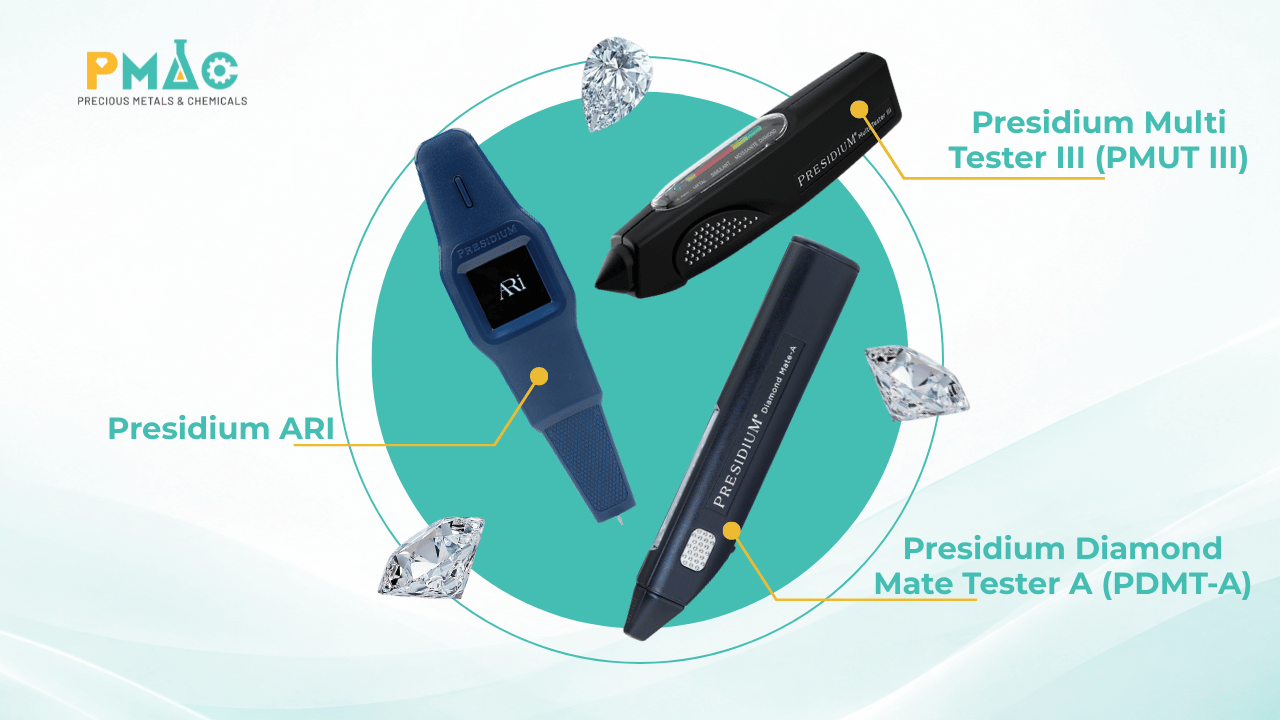
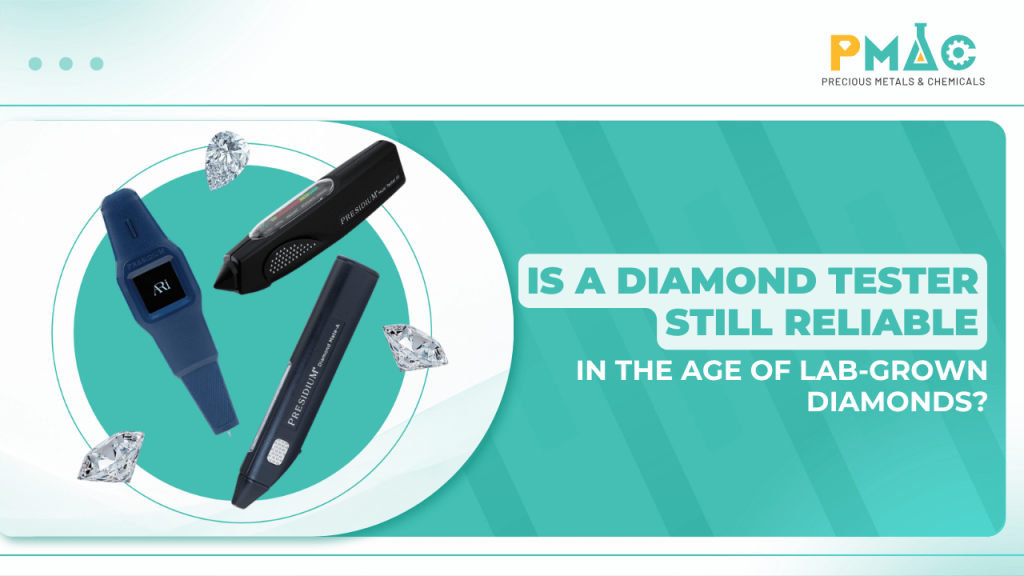
Figure 3: Diamond Testing Equipment Available at PMAC
Conclusion
A diamond grading report is much more than a document accompanying a diamond purchase—it is a valuable source of information that helps buyers understand the characteristics of the stone.
However, to make the most of this information, buyers should learn how to read and interpret the report systematically instead of focusing only on specifications such as Carat Weight or Color Grade.
For professional diamond trading and verification, combining a grading report with specialized testing equipment provides greater accuracy, improves transparency, and builds trust throughout the transaction process. This is why many jewelry retailers and diamond businesses invest in modern verification solutions to support both product authentication and customer consultation.
PMAC provides professional diamond testing and screening solutions for jewelry stores, diamond buyers, and gemological laboratories.
PMAC Joint Stock Company
Ho Chi Minh City Office
4th Floor, HUTECH High-Tech Center Building, D1 Road, Saigon Hi-Tech Park, Tang Nhon Phu Ward, Ho Chi Minh City, Vietnam
Hanoi Office
22B O2, Linh Dam Peninsula, Hoang Liet Ward, Hanoi, Vietnam
Hotline: +84 387 235 878
Fanpage: PMAC