

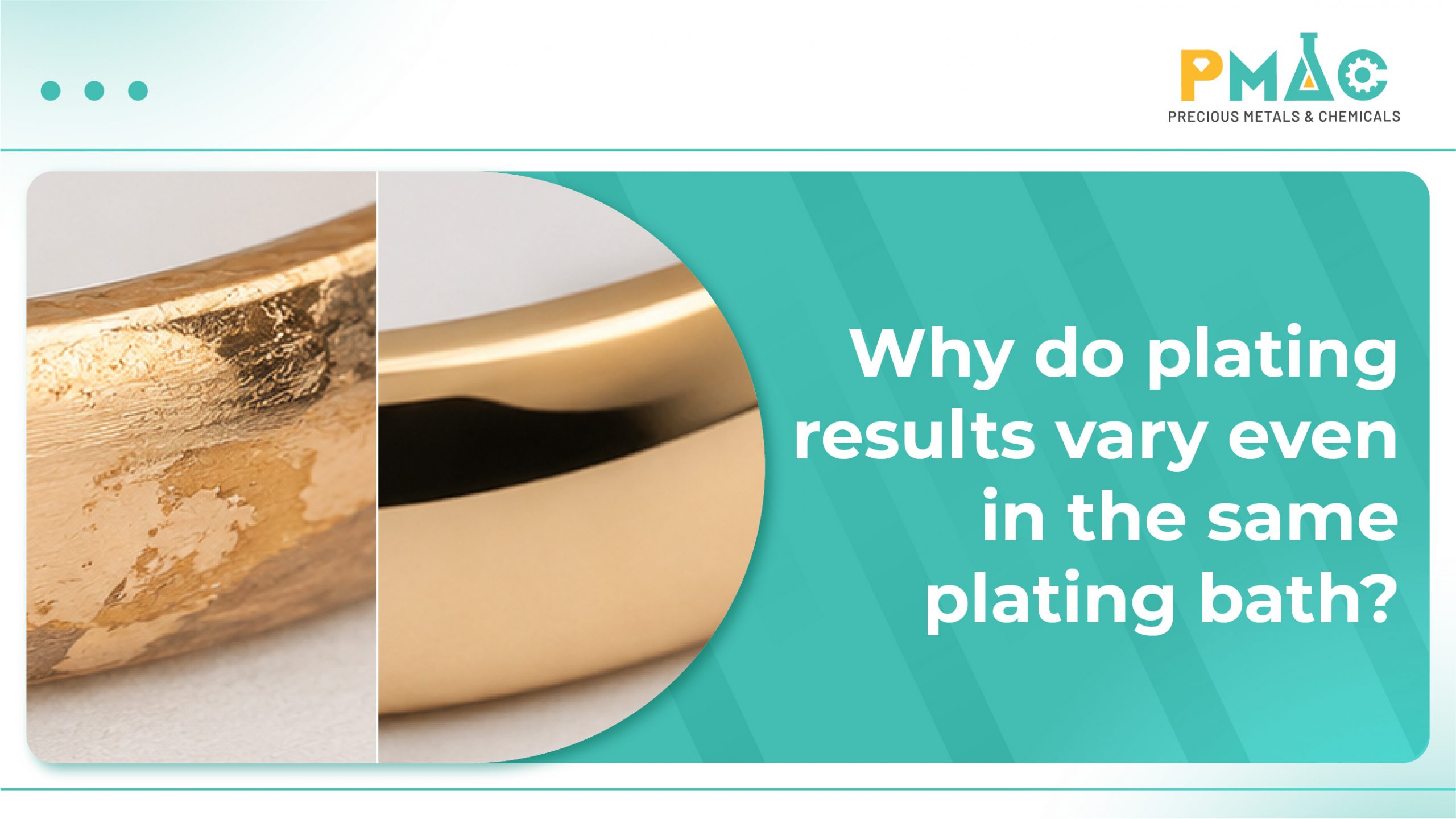
In actual manufacturing, many businesses encounter a puzzling situation. They use the same electroplating bath, the same plating chemicals, the same process parameters, and operate at the same time, yet products placed in different positions inside the plating bath produce noticeably different plating quality.
Some parts develop a bright, smooth coating with the required thickness, while others exhibit uneven plating, color variations, reduced brightness, burnt edges, or insufficient metal deposition. This often leads manufacturers to question whether the plating solution itself is responsible.
In reality, the plating solution is only one of many factors that determine the final plating result. An efficient electroplating system requires proper coordination between the power supply, temperature control, solution circulation, rack design, agitation system, and standardized operating procedures.
Understanding the true causes of uneven plating helps manufacturers reduce defect rates, lower production costs, and maintain consistent coating quality over the long term.
I. The Chemical Composition of a Plating Bath Is Not Always Uniform
Many people assume that once plating chemicals are dissolved, the solution remains chemically identical throughout the entire bath. In practice, however, this assumption is not entirely accurate.
During electroplating, the solution is constantly changing. Metal ions are continuously consumed as they are deposited onto the product surface. At the same time, additives such as brighteners, leveling agents, and surfactants are gradually consumed through electrochemical reactions.
If these components are not replenished at the same rate they are consumed—or if diffusion throughout the bath is insufficient—the chemical concentration begins to vary from one area to another. As a result, even with identical operating parameters, different positions within the bath experience different electrochemical conditions.
Besides changes in chemical composition, several physical factors also directly influence plating performance. Current distribution, temperature, solution circulation, and product positioning all affect the metal deposition rate.
This explains why two products plated simultaneously can still produce completely different results simply because they are located in different areas of the plating bath.
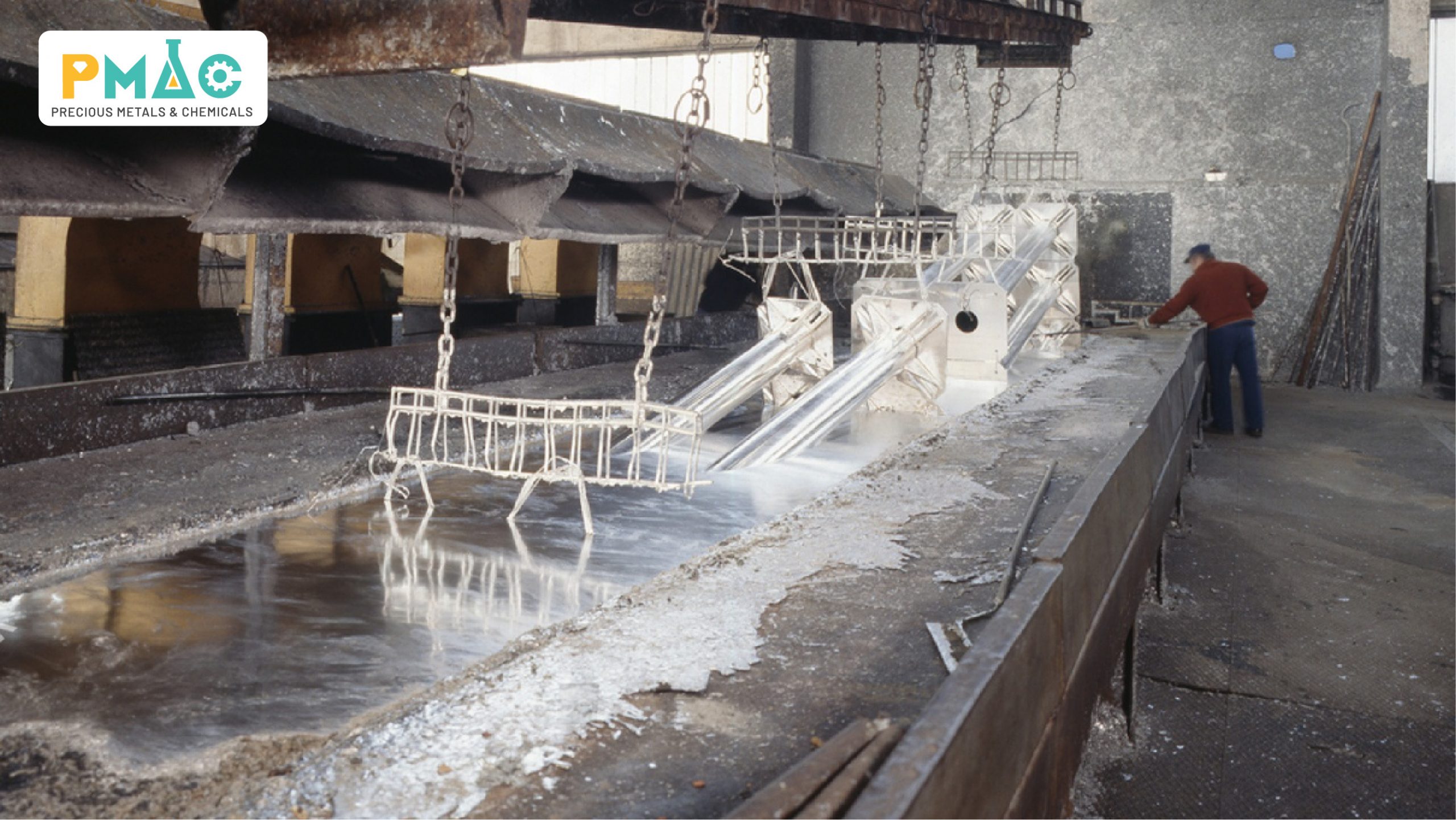
Figure 1: Chemical composition distribution within a plating bath.
II. Common Causes of Uneven Plating Quality
In practice, uneven plating quality rarely results from a single cause. Instead, it is usually the combined effect of multiple technical factors throughout the plating process.
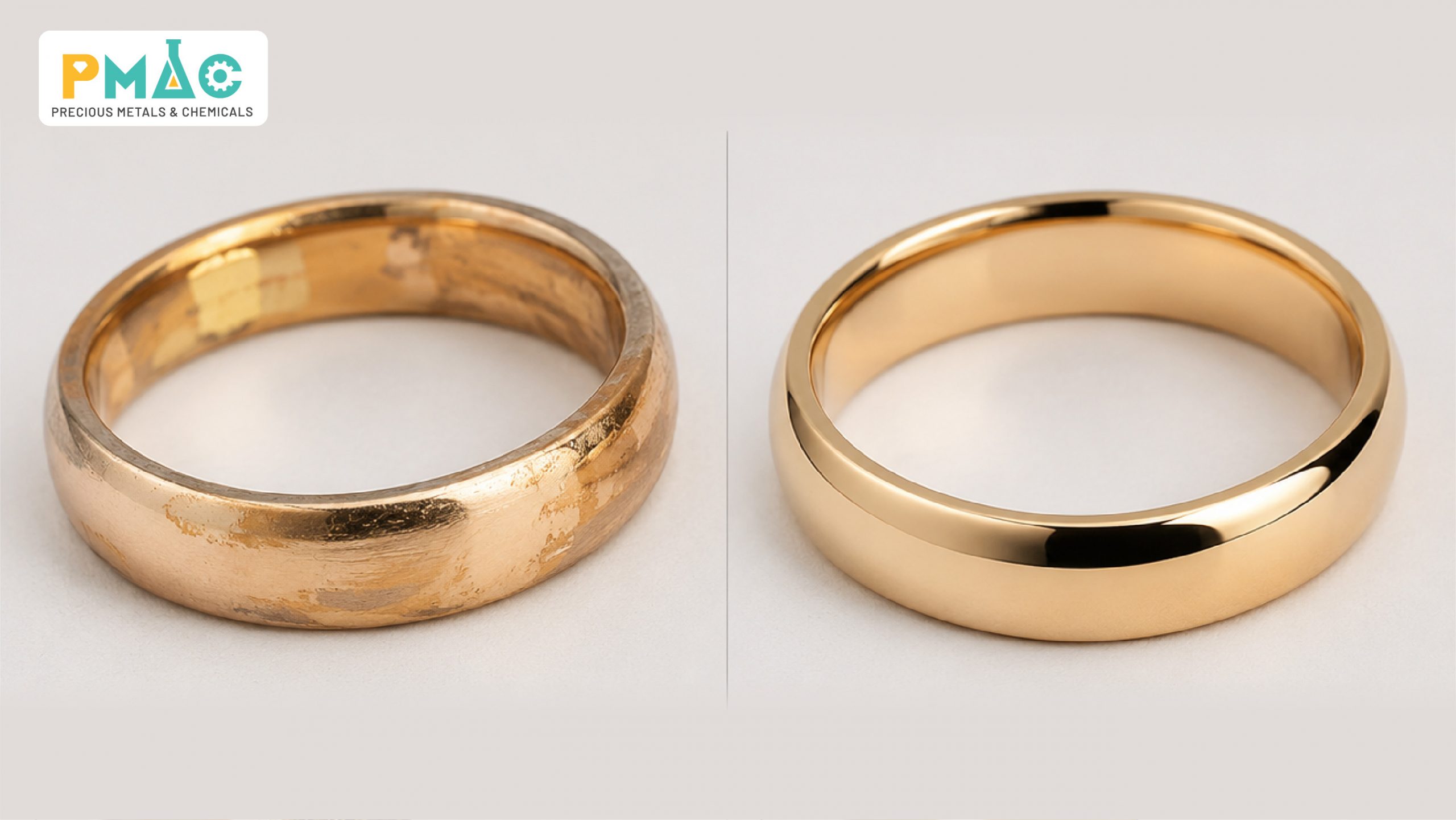
Figure 2: Differences in plating quality.
Below are the most common reasons why plating conditions vary across different locations within the same electroplating bath.
1. Uneven Current Density Distribution
Current density is the primary factor controlling the rate at which metal deposits onto the product surface. However, current distribution is rarely uniform throughout an electroplating system.
Current density is influenced by several factors, including product geometry, the distance between the workpiece and the anode, rack design, and electric field concentration around sharp edges.
Areas located closer to the anode or exposed on protruding surfaces generally receive higher current density than recessed or shielded areas.
As a result, coating thickness becomes inconsistent across the product. Areas receiving excessive current may develop burnt edges, rough surfaces, or reduced brightness, while areas with insufficient current often produce thinner coatings, lighter colors, and lower corrosion resistance.
2. Inefficient Solution Agitation
One of the most commonly overlooked factors is inadequate solution circulation within the plating bath.
During plating, metal ions continuously migrate from the solution to the product surface. Without effective agitation, metal ions near the workpiece are consumed rapidly and cannot be replenished quickly enough from other regions of the bath.
This creates localized areas with low metal ion concentration while other areas maintain higher concentrations. Similarly, plating additives cannot be evenly distributed throughout the solution.
As the chemical composition varies from one location to another, electrochemical reactions proceed at different rates. Consequently, some products develop bright, smooth coatings while others exhibit dull finishes, pitting, or various surface defects.
>>> Read more: How to Choose the Right Electroplating Chemicals for Your Production Line
3. Temperature Variations Within the Plating Bath
Temperature directly affects electrochemical reaction rates but is often underestimated during daily operation.
In large plating baths or systems with inadequate heating design, noticeable temperature differences may develop between different regions. Areas close to heating elements become warmer, while distant sections remain cooler.
As temperature increases, electrochemical reactions proceed more rapidly, causing metal deposition rates to differ throughout the bath.
Temperature also influences the crystal structure of the deposited metal. Uneven temperatures may therefore result in differences in coating color, brightness, crystal morphology, and adhesion strength.
4. Rack Design and Product Positioning
Even when using identical plating chemicals, the arrangement of products on the plating rack can significantly influence plating quality.
If products are positioned too closely together, electrical current becomes shielded and unevenly distributed. At the same time, solution flow is restricted, reducing ion transport to the product surfaces.
Furthermore, the orientation of each part relative to the electrodes directly affects metal deposition rates. Some positions benefit from stronger current and better solution circulation, while others operate under less favorable conditions.
This explains why products within the same production batch may still differ in color, brightness, or coating thickness. Proper rack design tailored to each product type is therefore one of the most effective methods for achieving consistent plating quality in mass production.
5. Changes in Additive Concentration and Contamination Over Time
Plating additives are gradually consumed during production through electrochemical reactions or carried away with plated products after each production cycle.
Without regular monitoring and timely replenishment, the concentration of brighteners, leveling agents, and surfactants gradually decreases. This reduces the solution’s ability to control coating quality over time.
Meanwhile, contaminants such as dust, oil, metal particles, and foreign metal ions also accumulate during long-term operation. These impurities alter the electrochemical environment and interfere with metal deposition.
Common consequences include reduced brightness, surface pitting, rough coatings, and various plating defects that are often difficult to diagnose.
>>> Read more: Uneven Platinum Plating Color: Causes and Control Methods
III. Plating Quality Depends on More Than Just Chemicals
The analysis above clearly demonstrates that plating quality is not determined solely by plating chemicals. In reality, chemicals can only perform optimally when operating within a stable, well-controlled electroplating system.
When manufacturers encounter uneven plating, many immediately consider replacing the plating solution or adding more additives. However, if the actual problem originates from current distribution, temperature control, agitation, or product positioning, changing chemicals alone will not solve the issue.
In many cases, it simply increases operating costs without delivering meaningful improvements.
A stable electroplating process should be viewed as an integrated system in which every component influences the others. Even a single imbalance can significantly affect final product quality.
To maintain consistent plating quality, manufacturers should carefully control the following factors:
| Factor | Impact on Plating Quality |
|---|---|
| Power Supply | Maintains stable current density and minimizes burnt edges or insufficient plating. |
| Agitation System | Ensures even distribution of metal ions and additives throughout the plating bath. |
| Temperature | Maintains consistent electrochemical reaction rates and uniform coating structure. |
| Rack Design & Product Positioning | Reduces current shielding while improving solution circulation. |
| Filtration System | Removes contaminants that cause plating defects. |
| Solution Composition Control | Monitors metal concentration, additives, and chemical parameters to maintain optimum plating conditions. |
| Operating Procedures | Standardizes current, plating time, temperature, equipment maintenance, and production consistency. |
An electroplating bath can be compared to an ecosystem in which every element interacts with the others. Focusing on only one factor while neglecting the rest makes it extremely difficult to achieve consistently high-quality plating.
This is why two factories using identical chemicals, technology, and even equipment may still produce completely different results. The difference lies in how effectively the entire electroplating system is controlled and maintained.
>>> Read more: Factors Affecting Electroplating Quality
IV. PMAC Helps Optimize Your Entire Electroplating System
In many situations, plating defects are not caused by the plating solution itself but by the interaction of multiple operational factors.
Without identifying the root cause, the same problems are likely to recur, resulting in higher production costs and inconsistent product quality.
With extensive experience supporting manufacturers in the jewelry and electroplating industries, PMAC offers far more than electroplating chemicals. We evaluate the entire plating system, analyzing each customer’s production process to identify root causes and recommend the most effective solutions.
Depending on your production requirements, PMAC provides support for:
- Evaluating electroplating systems and operating procedures
- Analyzing the causes of plating defects
- Testing and evaluating plating solution composition
- Optimizing operating parameters for different product types
- Recommending improvements to chemicals, equipment, and production processes
- Assisting with troubleshooting during production
Our objective is not only to eliminate current defects but also to help manufacturers establish stable electroplating systems that reduce rejection rates, lower production costs, and maintain consistent coating quality over the long term.
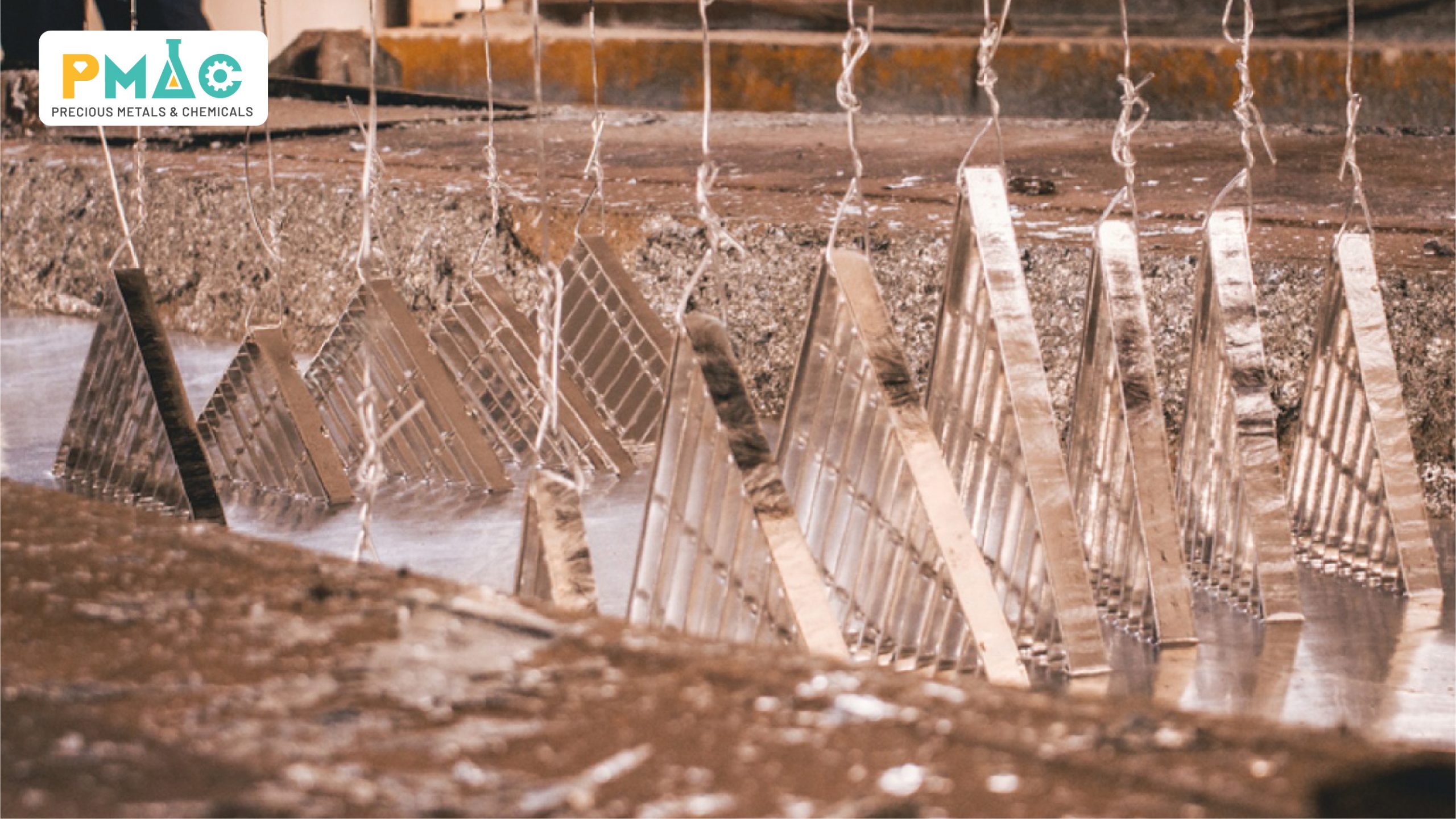
Figure 3: PMAC – Your partner in optimizing electroplating systems.
>>> Read more: Criteria for Evaluating a Reliable Electroplating Chemical Supplier
>>> Read more: From Product Samples to Electroplating Solutions: PMAC’s Technical Consultation Process
Conclusion
It is quite common for products positioned in different areas of the same plating bath to produce different coating quality.
The root causes may include uneven current density distribution, insufficient solution agitation, temperature variations, improper product positioning, or changes in plating solution composition over time.
To solve these issues effectively, manufacturers should focus on optimizing the entire electroplating system rather than simply replacing plating chemicals.
When power supply, temperature, solution circulation, rack design, and operating procedures are properly controlled, plating quality becomes far more consistent, defect rates decrease, and overall production efficiency improves.
If your company is experiencing uneven plating quality, difficulty maintaining process consistency, or wants to optimize an existing electroplating system, PMAC is ready to support you—from system evaluation and root cause analysis to customized technical solutions for your production line.
Addressing the root cause from the beginning helps reduce production costs, improve productivity, and consistently deliver high-quality plated products over the long term.
Contact PMAC Today for Professional Electroplating Solutions
PMAC Joint Stock Company
Ho Chi Minh City Office
4th Floor, HUTECH Building, D1 Road, Saigon Hi-Tech Park, Tang Nhon Phu Ward, Ho Chi Minh City, Vietnam
Hanoi Office
22B O2, Linh Dam Peninsula, Hoang Liet Ward, Hanoi, Vietnam
Hotline: +84 387 235 878
Facebook: PMAC