



During electroplating operations, when plated parts begin to lose their shine or appear dull, the first reaction of many technicians is to add more brightener to the plating bath. This is a common practice in many plating facilities.
However, not every loss of brightness is caused by insufficient brightener additives. The brightness of a plated coating is influenced by many factors, including pretreatment quality, plating solution composition, operating conditions, and current density.
Adding additives without identifying the root cause can disrupt bath chemistry, increase chemical costs, and make coating quality more difficult to control. In many cases, an action intended to solve the problem may actually create new defects.
Below are five common mistakes that plating companies should avoid when adding brighteners.
I. Mistake 1: Assuming a Dull Surface Means a Lack of Brightener
1. The Situation
This is one of the most common mistakes in plating operations. When a product does not achieve the desired brightness, many operators immediately assume that the brightener concentration is too low.
In reality, coating brightness results from the interaction of multiple factors throughout the plating process.
Common causes of dull deposits include:
- Inadequate pretreatment.
- Residual oil or oxide on the substrate surface.
- Metal concentration outside the operating range.
- Improper pH levels.
- Unstable bath temperature.
- Non-optimized current density.
- Accumulation of contaminants in the plating solution.
For example, if parts still contain oil residues after degreasing, the coating may appear dull or uneven even when brightener levels remain within specification.
Similarly, if the concentration of the primary metal drops below the recommended range, coating brightness may decrease despite repeated brightener additions.
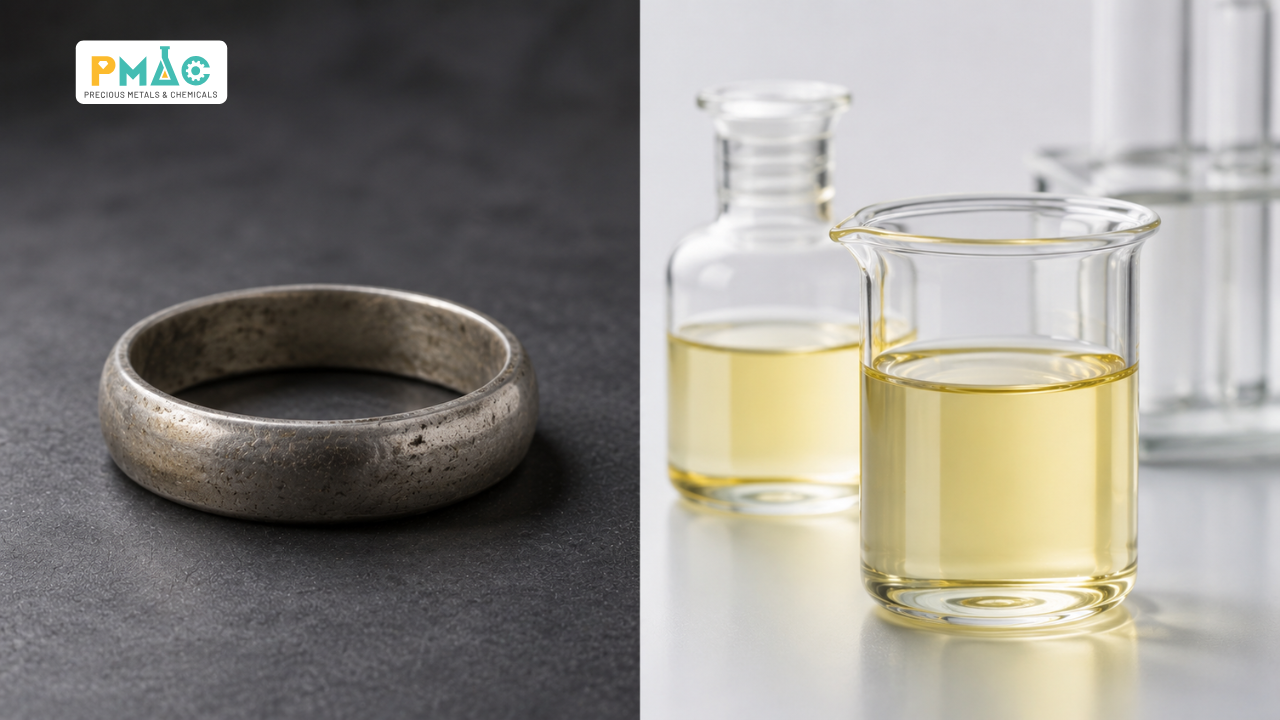
Figure 1: Dull electroplated coating
Related article: Why Does Gold Plating Fade?
Related article: Why Does Rhodium Plating Turn Black?
2. Recommendation
Surface brightness should never be the sole basis for deciding whether to add additives.
Before making any chemical adjustment, evaluate the entire plating system and verify all operating parameters to identify the true root cause.
II. Mistake 2: Adding Brighteners on a Fixed Schedule Instead of Based on Actual Consumption
1. The Situation
Many plating shops follow a routine schedule for brightener additions, such as weekly replenishment or adding chemicals at the end of every production shift.
Although simple, this approach lacks accuracy.
Brightener consumption continuously changes according to actual production conditions.
Factors affecting additive consumption include:
- Production volume.
- Total plated surface area.
- Operating time.
- Solution drag-out losses.
- Rework and reject rates.
- Current efficiency.
If production volume doubles, additive consumption may increase significantly. Conversely, when production decreases but additives continue to be added on a fixed schedule, excessive additive concentrations may develop.
As a result, coating quality becomes unstable while chemical costs increase unnecessarily.
2. Recommendation
Data-driven bath management is always more reliable than decisions based solely on experience.
To improve additive control, plating facilities should:
- Monitor Ampere-hours (Ah).
- Establish actual additive consumption data.
- Perform regular plating solution analysis.
- Develop replenishment procedures based on operating data.
III. Mistake 3: Overdosing Brighteners to Quickly Fix a Production Batch
1. The Situation
When parts appear insufficiently bright, many technicians tend to add excessive amounts of brightener in hopes of obtaining immediate results.
This is a common cause of bath imbalance.
Modern electroplating systems are designed to operate within specific additive concentration ranges. When concentrations exceed those limits, performance may decline rather than improve.
Potential negative effects include:
- Increased coating brittleness.
- Burning in high-current-density areas.
- Reduced coating uniformity.
- Imbalance of the additive system.
- Greater difficulty controlling future production batches.
Excessive additions also increase operating costs and prolong the time required to restore bath stability.
2. Recommendation
All replenishment decisions should be based on solution analysis and actual additive consumption data rather than visual observation alone.
A key principle to remember is:
More brightener does not necessarily mean better plating performance.
Optimal results are achieved only when additive concentrations remain within the supplier’s recommended operating range.
IV. Mistake 4: Failing to Understand the Function of Different Additives
1. The Situation
Many operators refer to all bath additives simply as “brighteners.”
In reality, different additives perform distinct functions.
- Brighteners: Brighteners are primarily responsible for improving coating brightness and gloss. They influence crystal growth and help create a more reflective surface.
- Carriers: Carriers stabilize the performance of the additive system. They play an important role in maintaining consistent coating structure and uniformity.
- Levelers: Levelers improve surface smoothness. They help reduce differences between high and low current-density areas.
- Wetting Agents: Wetting agents reduce the surface tension of the plating solution. This allows trapped air bubbles to escape more easily and minimizes defects such as pitting and pinholes.
If a defect is caused by insufficient leveler but the technician adds only brightener, the problem will likely remain unresolved.
Furthermore, using the wrong additive can upset bath chemistry and create additional quality issues.
2. Recommendation
A clear understanding of each additive’s function is essential before making any bath adjustment. This knowledge forms the foundation of effective modern plating bath management.
Learn more: Electroplating Chemicals from PMAC
V. Mistake 5: Failing to Record Additions and Bath Responses
1. The Situation
Many plating facilities still rely heavily on individual experience.
Technicians add chemicals but fail to document relevant data.
Initially, this may not appear to cause significant problems. However, when quality issues occur, identifying the root cause becomes extremely difficult.
Common consequences include:
- Inability to identify additive consumption trends.
- Difficulty evaluating adjustment effectiveness.
- Challenges in troubleshooting defects.
- Dependence on individual operator experience.
- Lack of standardized operating procedures.
Facilities that maintain complete operating records generally achieve better quality control and lower defect rates.
2. Recommendation
A plating bath logbook should be established for every production line.
The recorded information should include:
- Date and time of addition.
- Type of additive added.
- Quantity added.
- Operating parameters.
- Coating condition before adjustment.
- Results after adjustment.
These records provide valuable data for plating solution analysis and process optimization.
VI. How to Add Brighteners Correctly
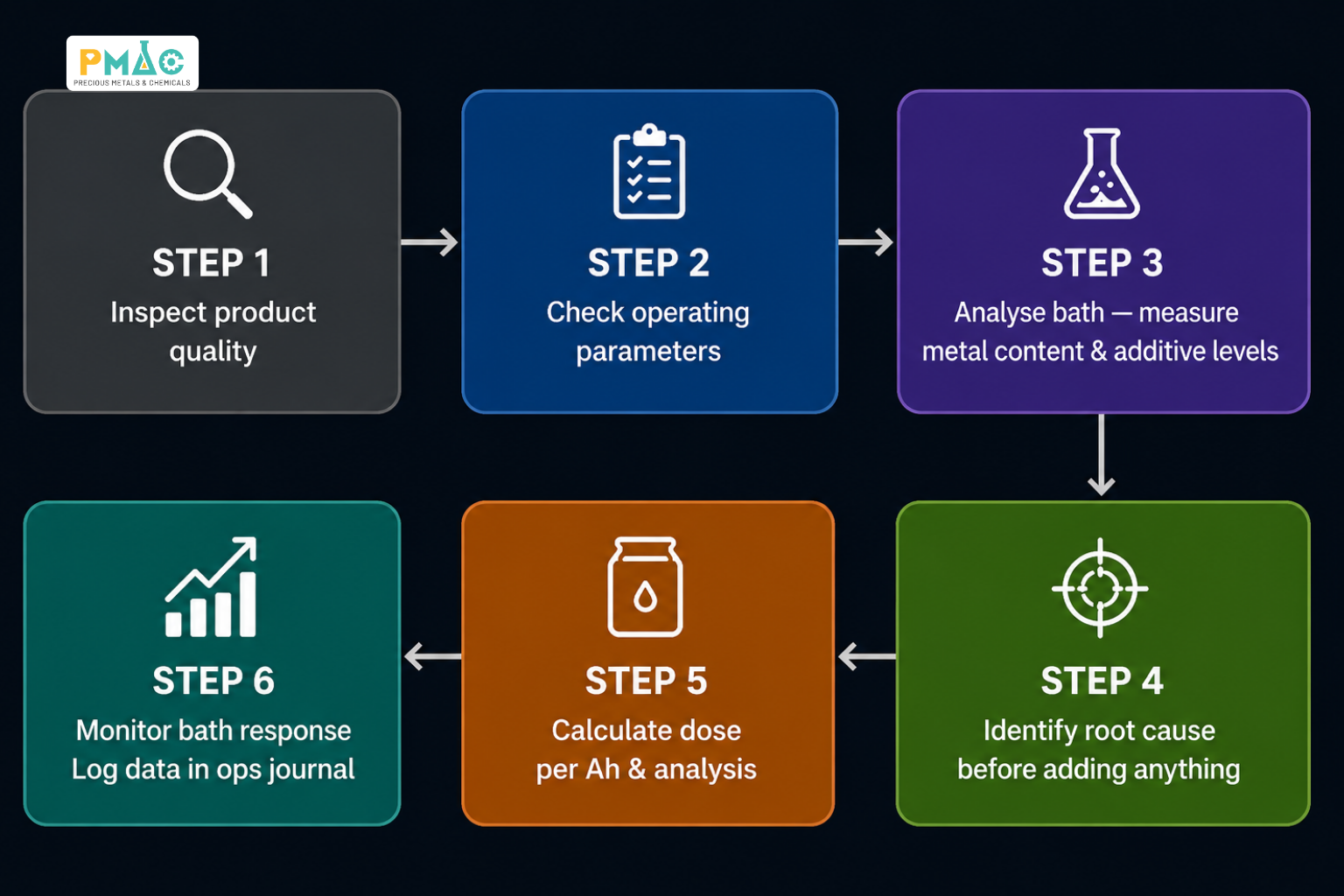
Figure 2: Recommended Brightener Addition Process
To maintain stable coating quality while optimizing chemical costs, companies should adopt a data-driven replenishment procedure.
Step 1: Inspect Product Quality
Evaluate the specific coating defects present.
Step 2: Check Operating Parameters
Verify pH, temperature, metal concentration, and current density.
Step 3: Analyze the Plating Solution
Measure the concentration of key bath components and additives.
Step 4: Identify the Root Cause
Determine the actual cause instead of relying on assumptions.
Step 5: Calculate the Required Additive Quantity
Follow technical recommendations and analytical results.
Step 6: Monitor the Results
Observe bath performance and update operating records accordingly.
This systematic approach improves additive control and minimizes production risks.
Related article: Factors Affecting Electroplating Quality
Conclusion
Brighteners play a critical role in producing bright, attractive, and uniform electroplated coatings. However, not every loss of brightness is caused by insufficient brightener concentration.
Adding additives based on assumptions, fixed schedules, or incomplete data can disrupt bath chemistry and increase operating costs.
To maintain stable plating performance, companies should implement a structured bath management program that combines additive consumption monitoring, regular solution analysis, and comprehensive operational record-keeping.
This approach not only ensures consistent coating quality but also helps optimize chemical costs, reduce reject rates, and improve long-term production efficiency.
CONTACT PMAC TODAY FOR FREE CONSULTATION AND QUOTATION
PMAC Joint Stock Company
Ho Chi Minh City Office:
4th Floor, HUTECH Building, D1 Street, Saigon Hi-Tech Park, Tang Nhon Phu Ward, Ho Chi Minh City, Vietnam
Hanoi Office:
22B O2, Linh Dam Peninsula, Hoang Liet Ward, Hanoi, Vietnam
Hotline: (+84) 908 727 235
Fanpage: PMAC