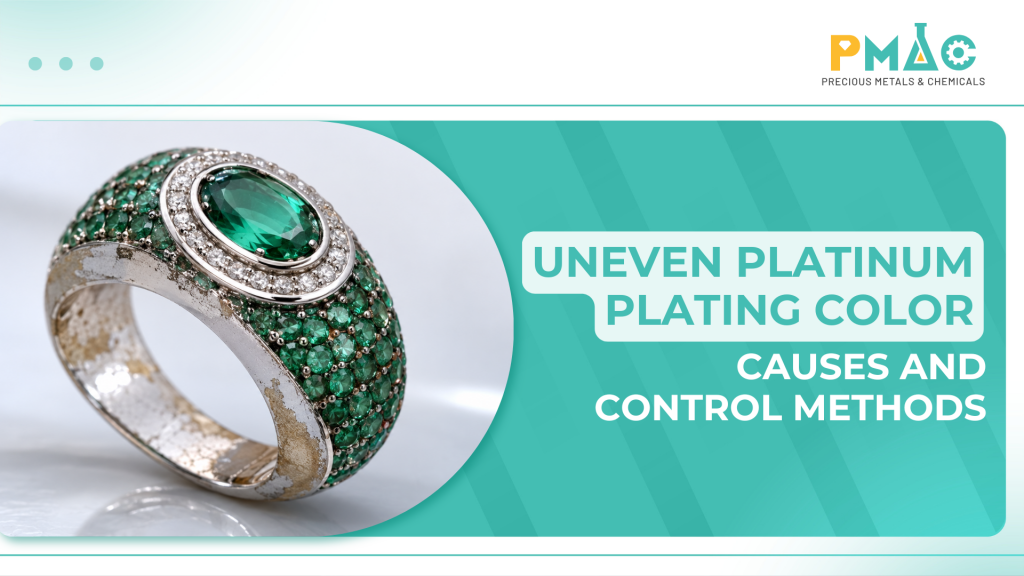


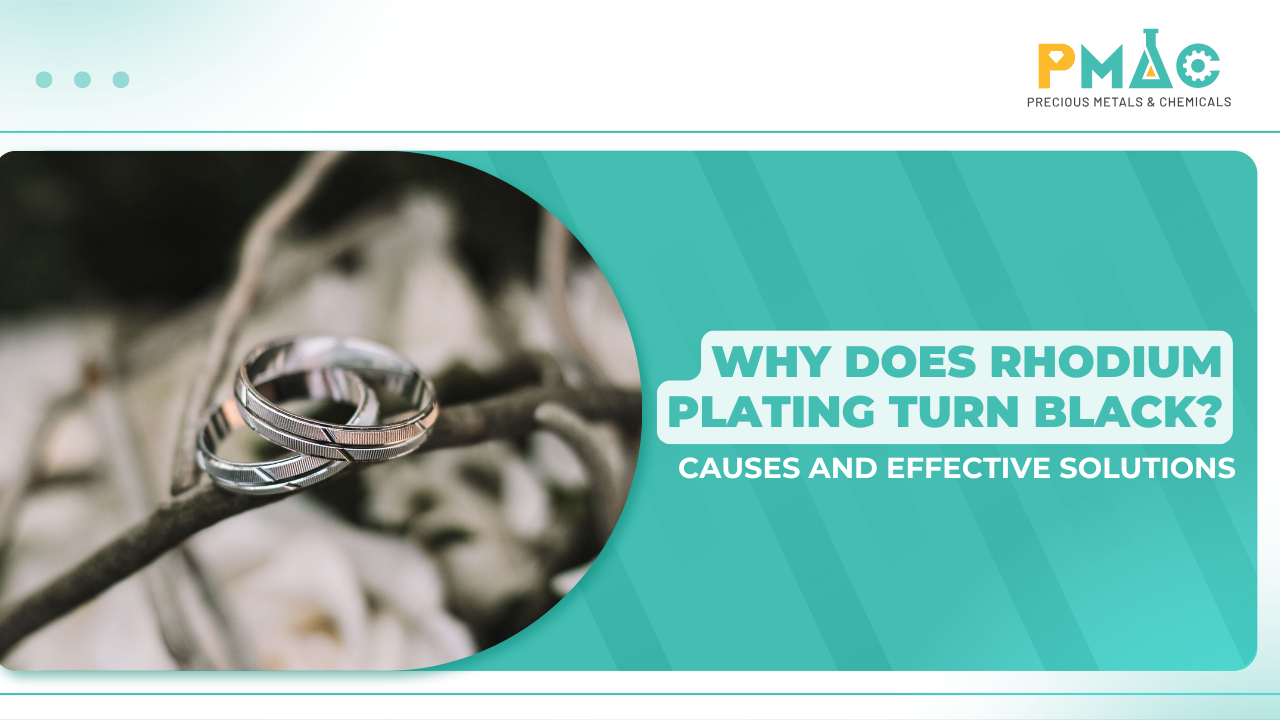
Rhodium plating is one of the most important finishing processes in the high-end jewelry industry. A Rhodium coating gives jewelry a luxurious bright white appearance while enhancing its resistance to oxidation and tarnishing. However, during the plating process, manufacturers may encounter a common issue: Rhodium plating turns dark, gray, or loses its brightness.
This is one of the most frequent defects in jewelry plating, directly affecting the appearance and perceived value of the product. So, what causes Rhodium plating to turn black or appear dull? How can this issue be corrected and prevented? Let’s explore the details below.
I. What Does It Mean When Rhodium Plating Turns Black or Loses Its Shine?
1. Signs and Symptoms
Rhodium plating that turns black refers to a situation where the coating fails to achieve the desired bright white finish. A properly plated Rhodium layer should appear highly reflective, glossy, and brilliant.
When defects occur, the coating may appear:
- Grayish in color.
- Dark or black in certain areas.
- Uneven in brightness.
- Dull and lacking reflectivity.
In many cases, color variations may occur on different areas of the same jewelry piece. This diminishes the premium appearance typically associated with Rhodium plating. The coating may also look cloudy or fail to meet the quality standards expected in high-end jewelry manufacturing.
2. Impact on Product Quality
Dark or dull Rhodium plating not only affects appearance but also reduces production efficiency.
Products with defective coatings can negatively impact customer satisfaction and brand perception. Manufacturers may need to spend additional time and resources reworking or replating the jewelry.
For luxury jewelry brands and export-oriented manufacturers, plating quality is especially critical. If such defects occur frequently, they can damage brand reputation and make it more difficult to meet customer and partner quality requirements.
Related Article: What Is Rhodium Plating and Why Is It Used in High-End Jewelry?
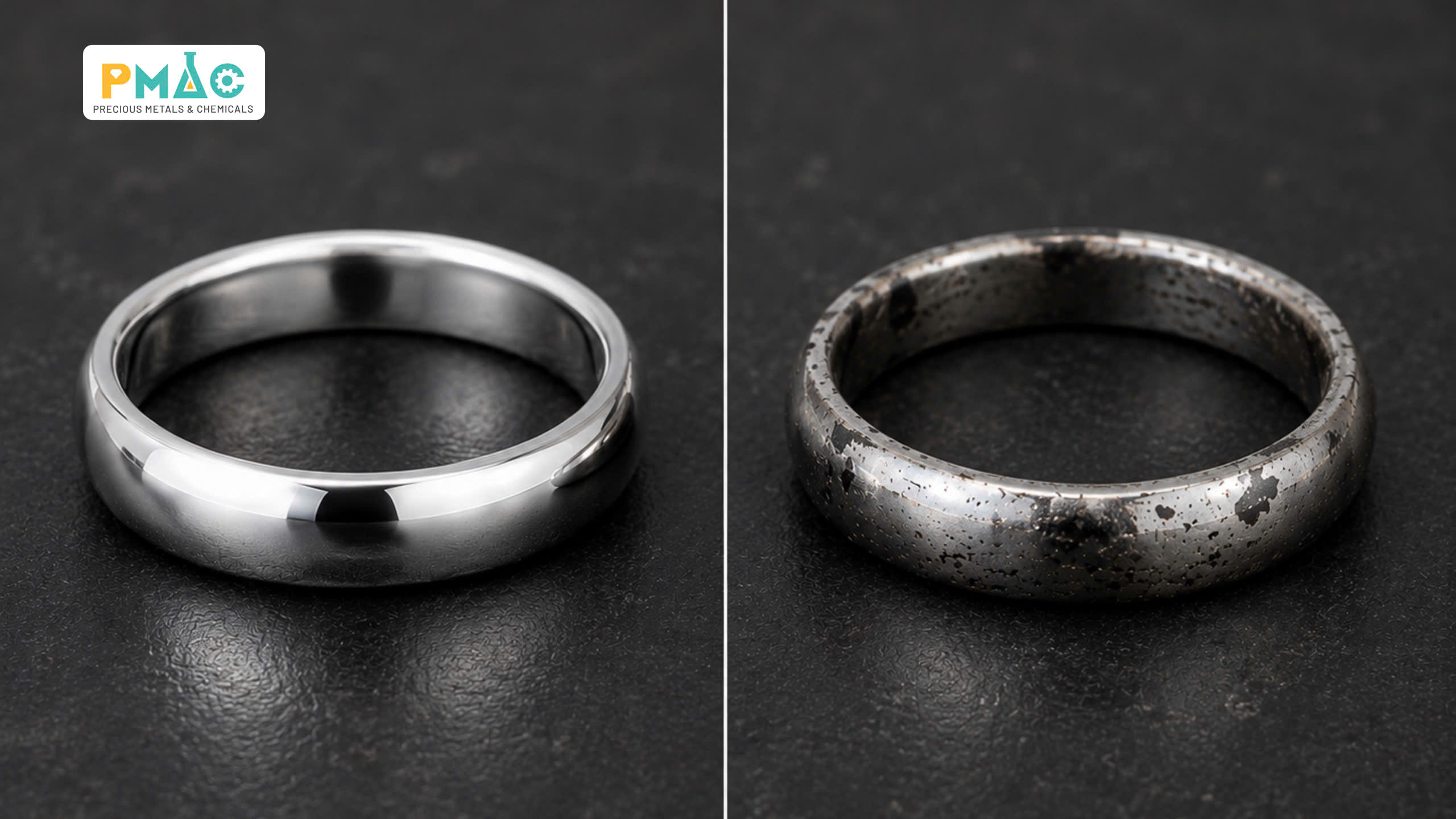
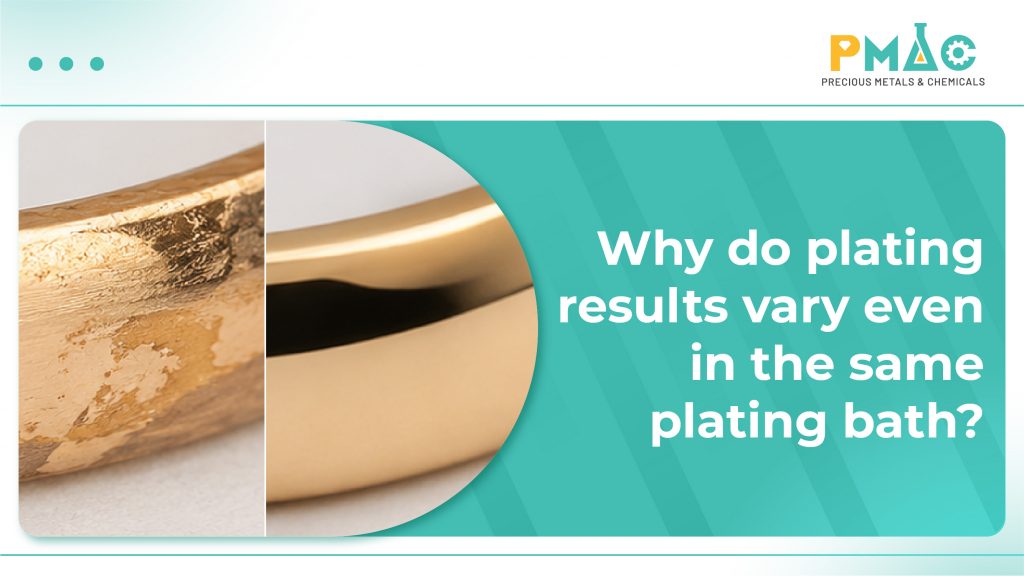
Figure 1: Comparison between a standard Rhodium coating and a darkened Rhodium coating
II. 8 Common Causes of Dark or Dull Rhodium Plating
1. Inadequately Cleaned Surface
This is the most common cause of dark or dull Rhodium plating.
Before plating, the jewelry surface must be thoroughly cleaned to ensure proper adhesion of the Rhodium coating.
If oil, grease, metal oxides, or other contaminants remain on the surface, the Rhodium deposition process can be disrupted. This may result in uneven coatings, dark spots, or reduced brightness.
2. Contaminated Rhodium Plating Solution
During operation, the Rhodium bath may become contaminated by metallic ions introduced from previous process steps or from the workpieces themselves.
Contaminants such as copper, silver, nickel, and other metals can alter the properties of the plating solution. As a result, the Rhodium coating may appear gray, lose its bright white color, or fail to achieve the desired finish quality.
3. Low Rhodium Concentration in the Solution
The Rhodium concentration directly affects coating quality.
Over time, Rhodium content in the bath may gradually decrease if it is not properly monitored and replenished.
When Rhodium levels become too low, the resulting coating is often thinner, less reflective, and provides reduced surface protection. This is a common reason why the coating fails to achieve its characteristic bright white appearance.
4. Incorrect Voltage Settings
Voltage is a critical parameter in the Rhodium plating process.
Excessively high voltage can cause burning defects, leading to gray or darkened surfaces.
Conversely, voltage that is too low may reduce Rhodium deposition efficiency, resulting in poor brightness and uneven coatings.
Maintaining the recommended voltage range is essential for achieving consistent plating quality.
5. Unstable Current Density
In addition to voltage, current density has a significant influence on Rhodium deposition.
If current distribution is uneven across the workpiece surface, the coating color may vary from one area to another. Some sections may appear brighter while others look darker.
This inconsistency reduces both the visual appeal and overall quality of the finished product.
6. Improper Solution Temperature
Solution temperature plays an important role in the deposition rate and quality of Rhodium coatings.
If the temperature is either too high or too low compared to the manufacturer’s recommendations, the coating may lose brightness, exhibit color inconsistencies, or develop surface defects.
Therefore, stable temperature control throughout the plating process is essential.
7. Problems with the Underlying Layers
In some cases, the issue does not originate from the Rhodium layer itself but from the underlying layers.
If the silver substrate is oxidized, the intermediate Palladium or Nickel layer is defective, or the base surface is uneven, the final Rhodium coating will also be affected.
This can result in inconsistent coloration or reduced brightness after plating.
8. Use of Low-Quality Rhodium Chemicals
Chemical quality is a key factor affecting coating stability.
Low-purity or unverified Rhodium chemicals often fail to maintain consistent performance during operation.
Besides reducing brightness and whiteness, poor-quality solutions can increase rejection rates and shorten bath life.
For this reason, manufacturers should prioritize chemicals supplied by reputable providers to ensure long-term production stability.
III. How to Correct Dark or Dull Rhodium Plating
1. Improve Surface Preparation
Before Rhodium plating, the jewelry surface must be thoroughly cleaned to remove grease, dirt, and residual oxides.
This is a critical step that determines coating adhesion and final appearance.
Manufacturers should perform all cleaning, rinsing, and activation steps according to established process requirements.
A clean and uniform surface allows the Rhodium coating to achieve optimal brightness and minimizes the risk of dark spots.
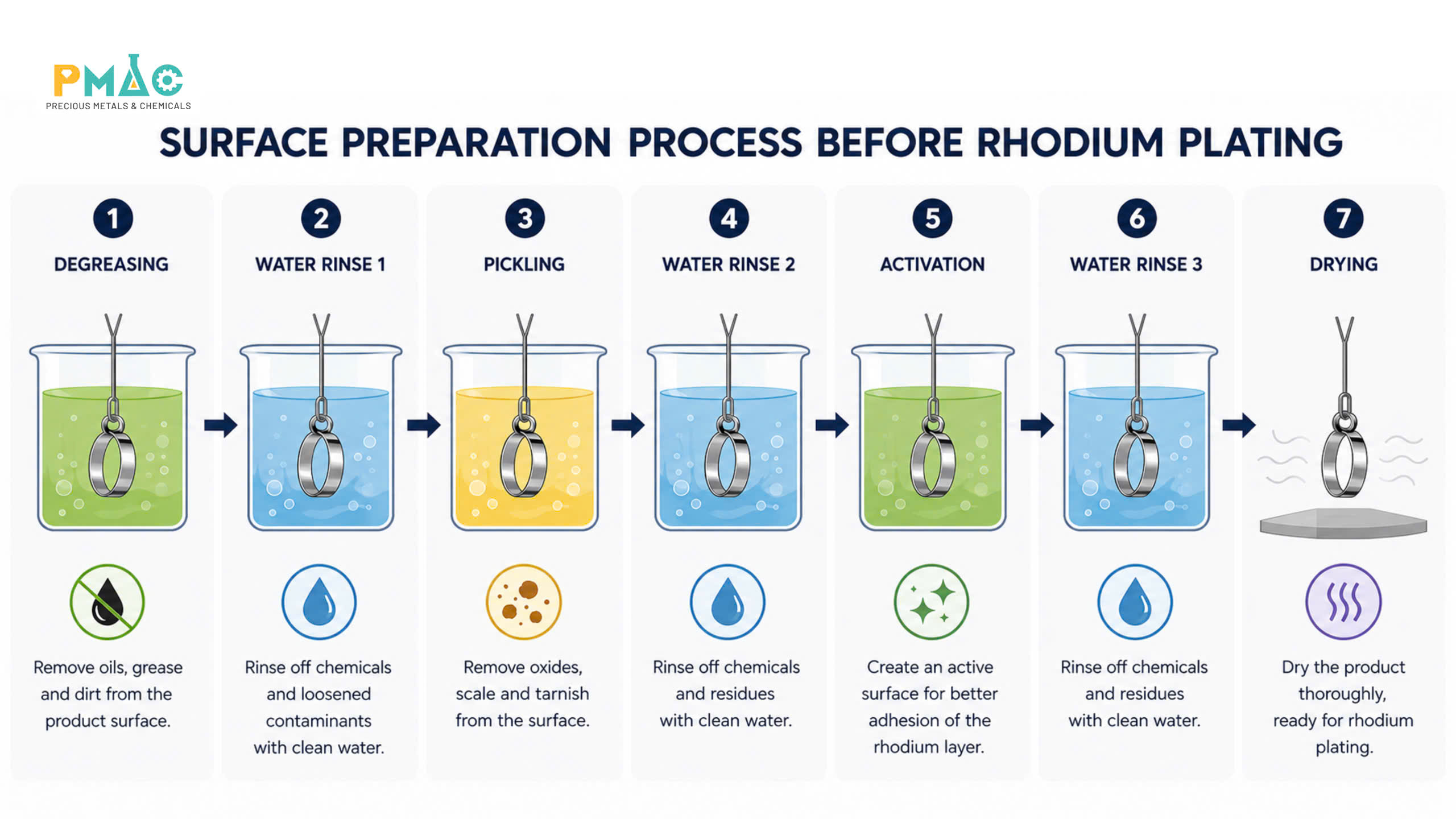
Figure 2: Surface preparation process before Rhodium plating
2. Regularly Monitor Solution Quality
The Rhodium plating solution should be monitored continuously during operation.
Over time, Rhodium concentration may decrease, or the bath may become contaminated with metallic ions such as copper, silver, or nickel.
Routine analysis helps identify abnormalities early, allowing timely replenishment of Rhodium or removal of contaminants.
This ensures bath stability and consistent coating quality.
Related Article: Rhodium Plating Chemicals for Silver and White Gold Jewelry
3. Optimize Operating Parameters
Operating conditions such as voltage, current density, solution temperature, and plating time all directly affect coating quality.
If these parameters fall outside the recommended range, defects such as burning, uneven coloration, or reduced brightness may occur.
Regular equipment inspections and stable operating conditions are necessary to achieve the characteristic bright white appearance of Rhodium.
4. Use High-Quality Rhodium Chemicals
High-quality plating solutions help minimize defects and improve process consistency.
Rhodium chemicals with high purity and excellent stability produce uniform, bright, and durable coatings with strong adhesion.
Additionally, premium chemicals help extend bath life, reduce rejection rates, and optimize operating costs.
This provides a long-term solution for maintaining consistent product quality and improving manufacturing efficiency.
Related Article: High-Quality Rhodium Chemicals for the Jewelry Industry
IV. How to Prevent Dark Rhodium Plating in Production
1. Establish Standard Operating Procedures
To minimize plating defects, manufacturers should implement clear and standardized operating procedures.
Every step, from surface preparation and solution preparation to plating, should follow defined technical specifications.
Standardized procedures reduce reliance on individual experience and ensure consistent quality across production batches.
2. Control Quality at Every Process Stage
Rhodium plating quality depends not only on the plating process itself but also on the preceding manufacturing steps.
Therefore, quality inspections should be conducted throughout the production process.
Effective control of surface preparation, intermediate layers, and plating solution quality helps identify potential issues early and reduces rework costs.
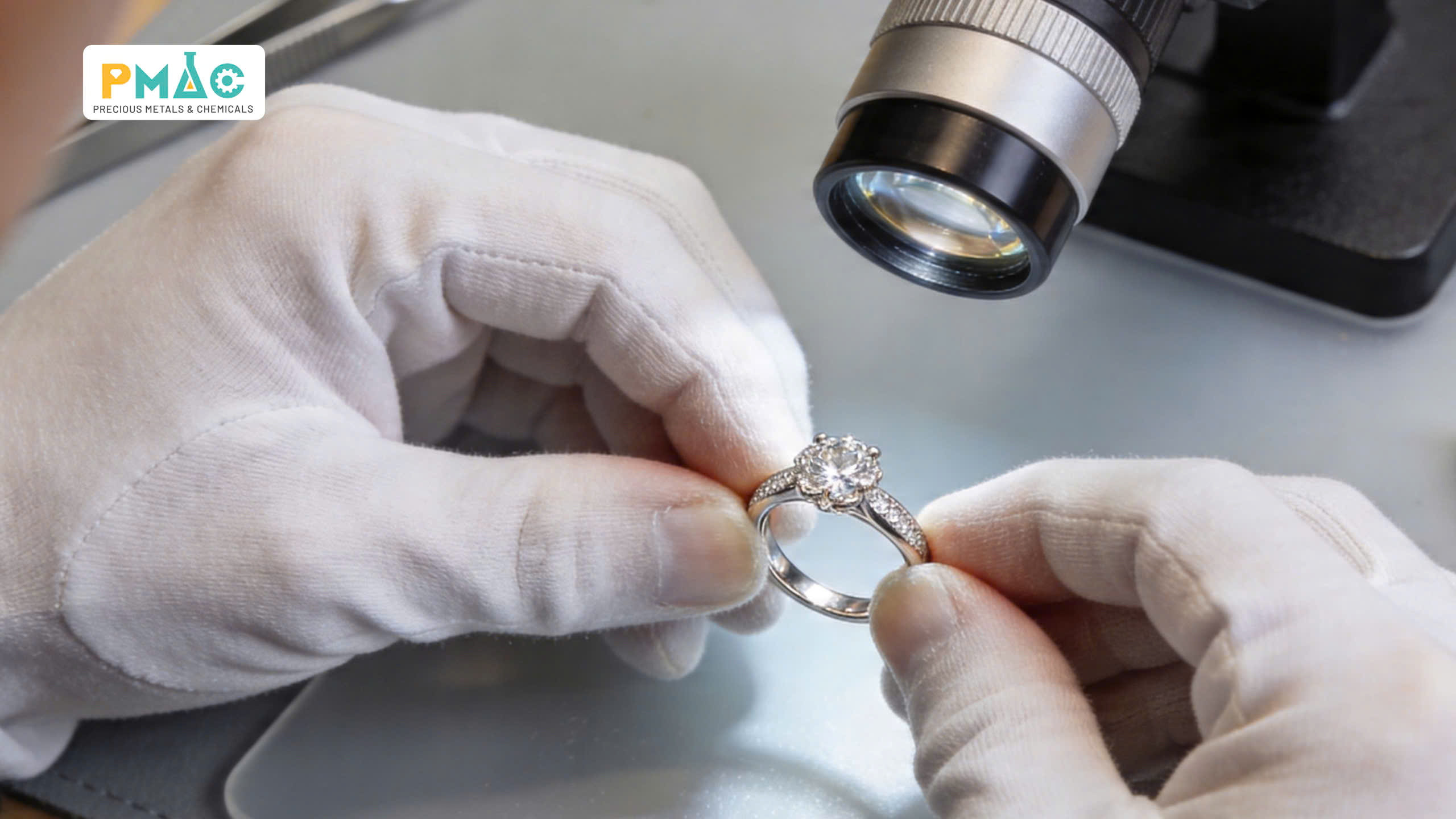
Figure 3: Quality inspection during the Rhodium plating process
3. Provide Regular Technician Training
Rhodium plating requires precision and skilled operators.
Companies should organize regular training programs to enhance technicians’ knowledge and practical skills.
Keeping staff updated on new operating methods, troubleshooting techniques, and chemical handling procedures helps improve responsiveness and overall production efficiency.
4. Choose a Reputable Chemical Supplier
Chemical quality is the foundation of a stable Rhodium coating process.
High-purity and highly stable plating chemicals significantly reduce the likelihood of plating defects.
In addition to supplying quality products, reputable suppliers provide technical support, process guidance, and troubleshooting assistance when needed.
This support plays a crucial role in maintaining consistent product quality and maximizing long-term manufacturing efficiency.
Related Article: Buying Rhodium Plating Solutions: How to Choose a Reliable Supplier
Conclusion
Dark or dull Rhodium plating is one of the most common defects encountered in jewelry manufacturing.
The problem may arise from various factors, including inadequate surface preparation, poor solution quality, contamination, or improper operating parameters.
To minimize these issues, manufacturers should closely control every stage of production, regularly monitor bath quality, verify operating parameters, and maintain stable process conditions.
In addition, selecting high-quality Rhodium plating chemicals is essential for achieving bright, uniform, and long-lasting coatings.
This helps reduce rejection rates, optimize operating costs, and improve overall product quality.
PMAC Joint Stock Company
HCMC Office: High-Tech Center, 4th Floor, HUTECH Building, D1 Road, Saigon Hi-Tech Park, Tang Nhon Phu Ward, Ho Chi Minh City, Vietnam
Hanoi Office: 22B O2, Linh Dam Peninsula, Hoang Liet Ward, Hanoi, Vietnam
Hotline: (+84) 908 727 235
Fanpage: PMAC