

In industrial manufacturing, the factors affecting plating quality determine a product’s durability, aesthetics, and lifespan. Understanding the process and these factors allows businesses to control and optimize it, producing a high-quality, long-lasting plated layer.
I. What is plating?
In industrial manufacturing, plating quality plays a vital role in protecting base materials, enhancing durability, and increasing the aesthetic value of products. To achieve a high-quality plated layer, businesses must understand the nature of the plating process as well as the key factors that directly influence coating performance.
In practice, plating is not merely a finishing step but a critical technical process. A high-quality plated layer significantly extends product lifespan and reduces defects during use. Conversely, poor plating quality can lead to peeling, discoloration, or rapid oxidation, directly affecting product reliability and brand reputation.
II. Common plating methods
Currently, plating processes are primarily based on two main principles: electroplating and chemical plating.
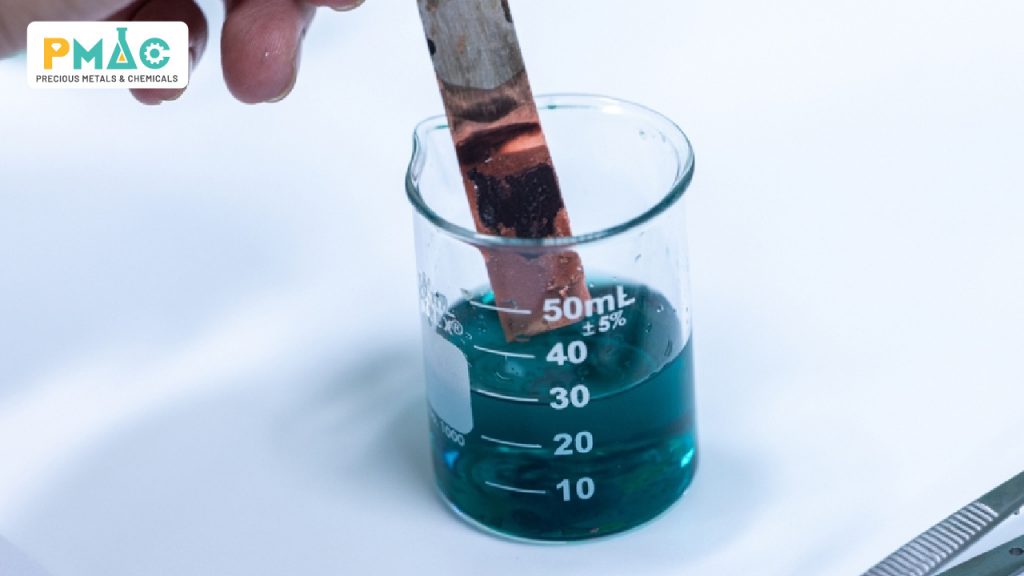
Image 1: Chemical plating
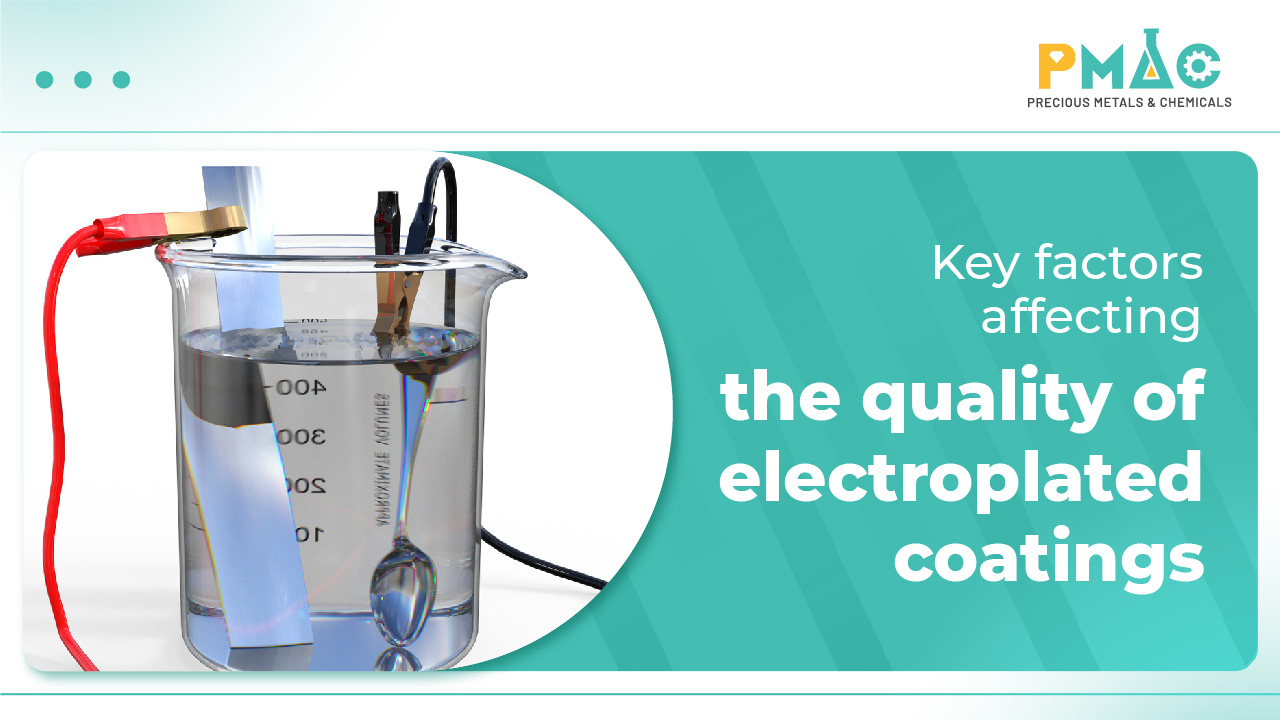
Electroplating uses direct current to deposit metal ions from a solution onto the surface of the base material. This method is widely applied due to its controllable coating thickness and cost efficiency.
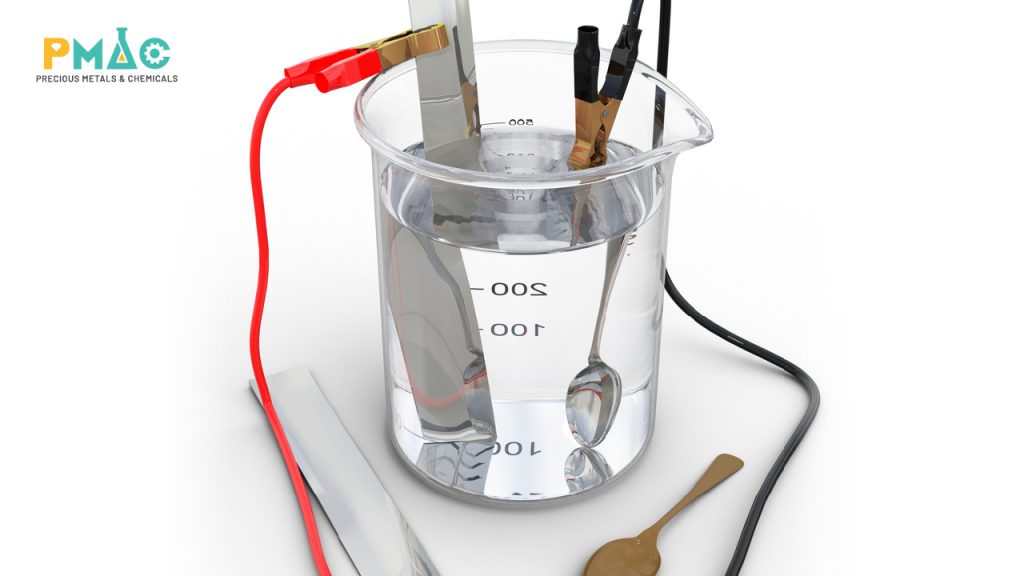
Image 2: Electroplating
Chemical plating, on the other hand, does not require electricity and relies on autocatalytic chemical reactions. Thanks to its ability to uniformly coat complex geometries, chemical plating is often used for products requiring high coating uniformity.
>> See more: International standard plating process
III. Factors affecting plating quality
1. Surface preparation quality
Surface preparation is the first step and has a decisive impact on coating adhesion. If the surface is not thoroughly cleaned, the plated layer will not bond effectively to the substrate.
Degreasing removes organic contaminants left from machining processes, while oxide removal eliminates naturally formed metal oxides. Additionally, surface smoothness must be properly controlled to ensure even coating and minimize defects such as pitting or peeling.
2. Plating solution and chemical composition
Beyond surface preparation, the plating solution directly influences coating quality. Metal ion concentration must be maintained at appropriate levels to ensure a stable deposition rate.
Additives play a critical role in controlling color, brightness, and crystal structure of the plated layer. Moreover, solution purity significantly affects coating durability and uniformity. Contaminated solutions often result in poor coating performance.
Plating time and solution temperature also require strict control. Insufficient plating time may lead to inadequate thickness, while excessive plating increases costs and the risk of surface defects.
3. Base material characteristics
Different base materials exhibit varying chemical and mechanical properties, which affect plating adhesion. For example, steel is generally easier to plate than stainless steel due to differences in surface structure.
Complex alloys require more specialized pretreatment and chemical systems. Selecting an inappropriate process for a given substrate can result in poor adhesion or uneven coatings.
4. Plating equipment and technology
Plating equipment plays a crucial role in maintaining process stability. Power supplies must deliver stable current and voltage to ensure uniform coating formation.
In addition, plating tanks must be properly designed to suit product size and geometry. Filtration and agitation systems help maintain solution homogeneity, reduce contamination buildup, and ensure consistent plating quality throughout operation.
5. Operator skills and process control
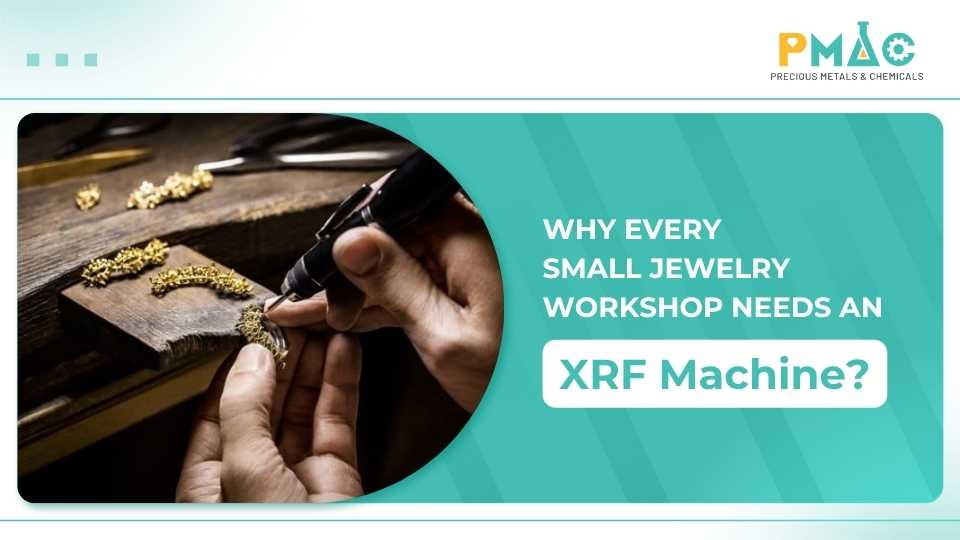
Even with advanced equipment and high-quality chemicals, plating quality largely depends on operator expertise. Experienced technicians can identify abnormalities early and make timely adjustments.
Equally important is a well-defined quality control process, which minimizes errors and ensures consistency across production batches—an essential requirement for large-scale manufacturing.
IV. How to achieve high quality plating
To achieve high-quality plating, businesses must standardize the entire process from surface preparation to final finishing. Strict control of technical parameters helps reduce risks and minimize defective products.
Using internationally certified equipment and chemicals further enhances coating durability and appearance. Finally, post-plating inspection is indispensable to ensure products meet technical requirements before reaching the market.
V. PMAC – a comprehensive plating solution for businesses
1. Plating products and related equipment
1.1. Plating chemicals for durable and stable coatings
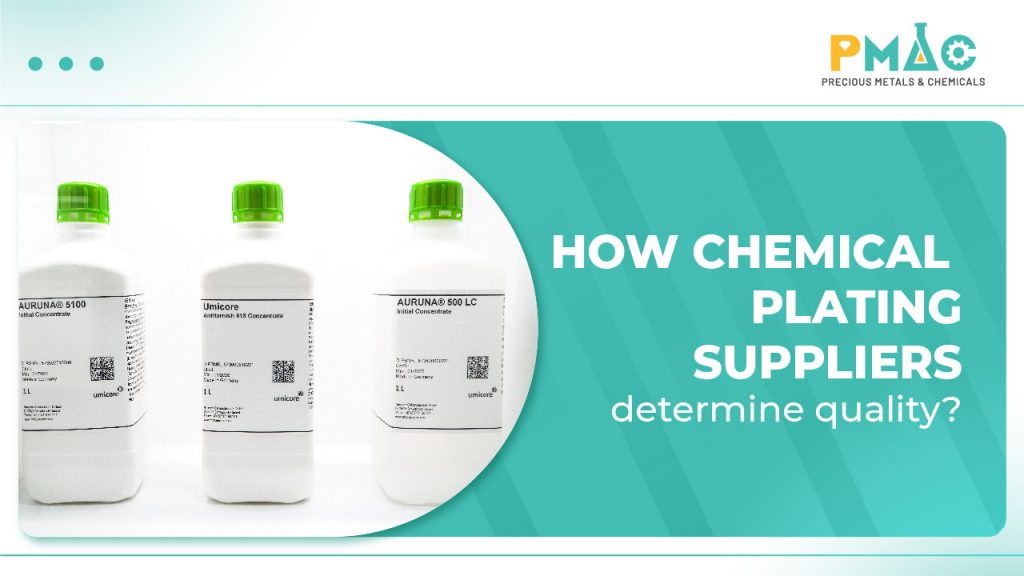
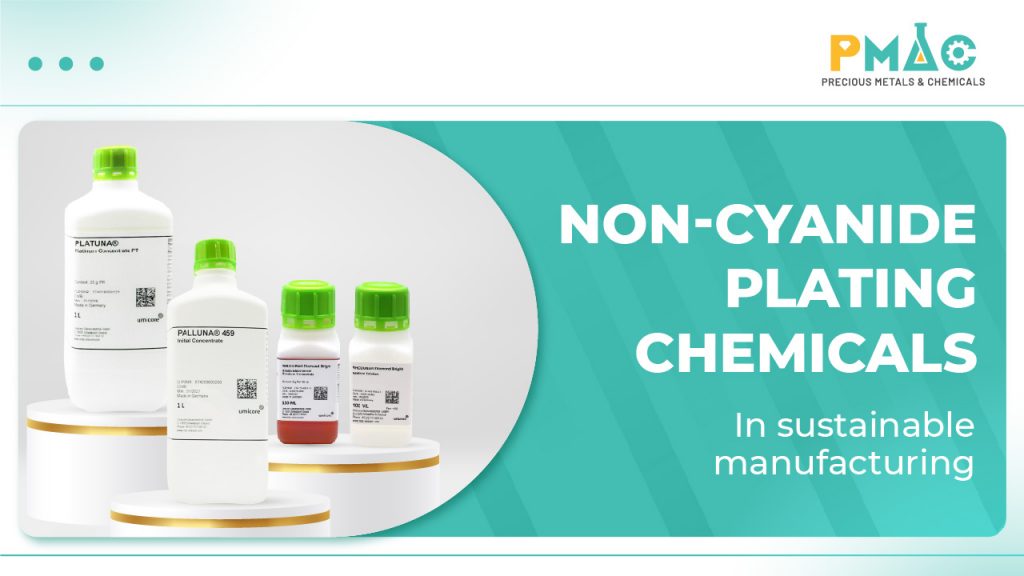
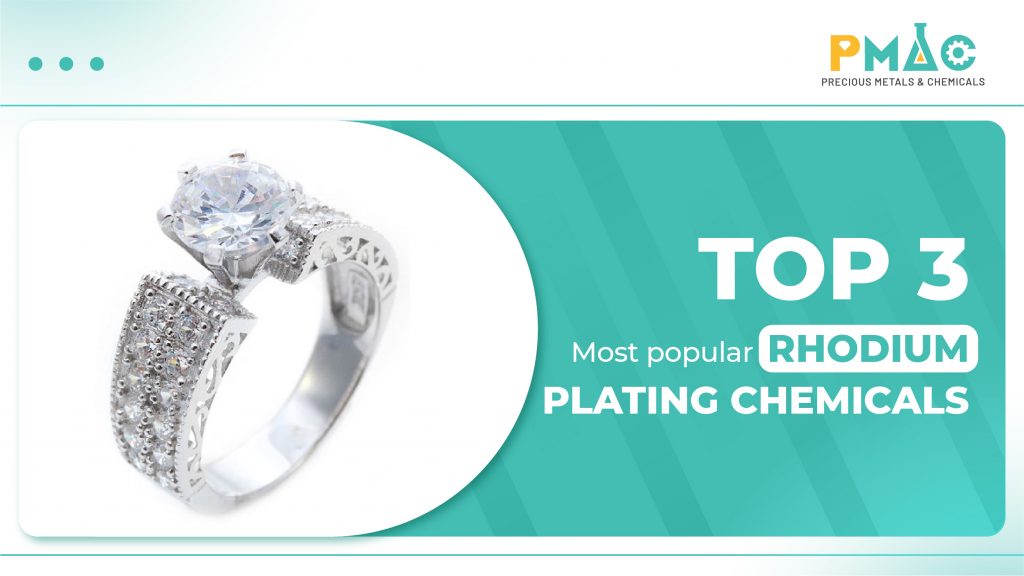
As a strategic partner of Umicore, PMAC supplies genuine plating chemicals widely used in jewelry manufacturing and industrial surface finishing. Notable systems include Auruna® gold plating chemicals, Rhoduna® rhodium plating chemicals, Arguna® silver plating chemicals, and Palluna® palladium plating chemicals.…
Each system is formulated specifically for its respective metal, ensuring strong adhesion, stable color, and uniform thickness. These advanced formulations also enhance corrosion resistance and minimize peeling during long-term use.
1.2. XRF instruments for plating thickness measurement
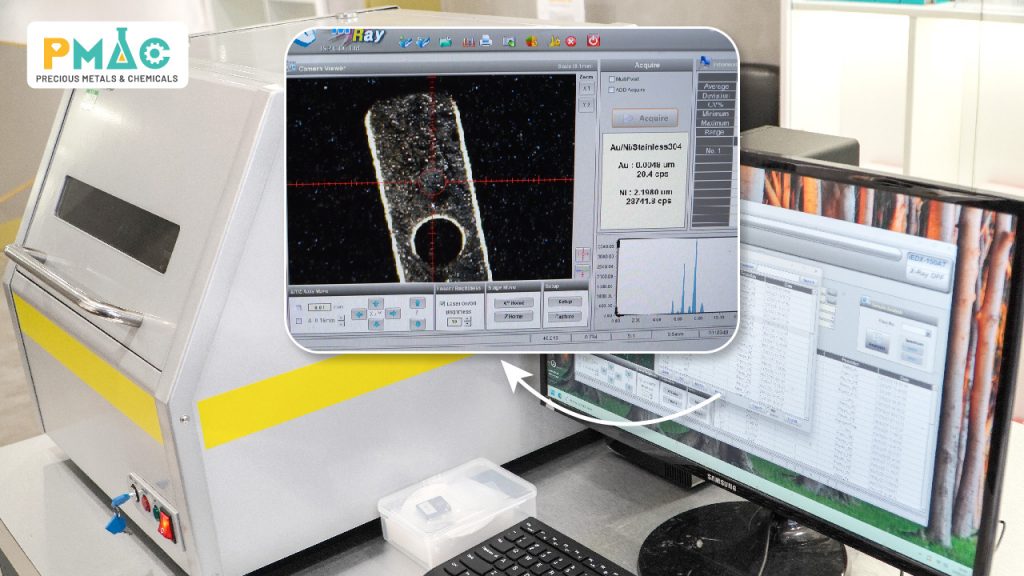
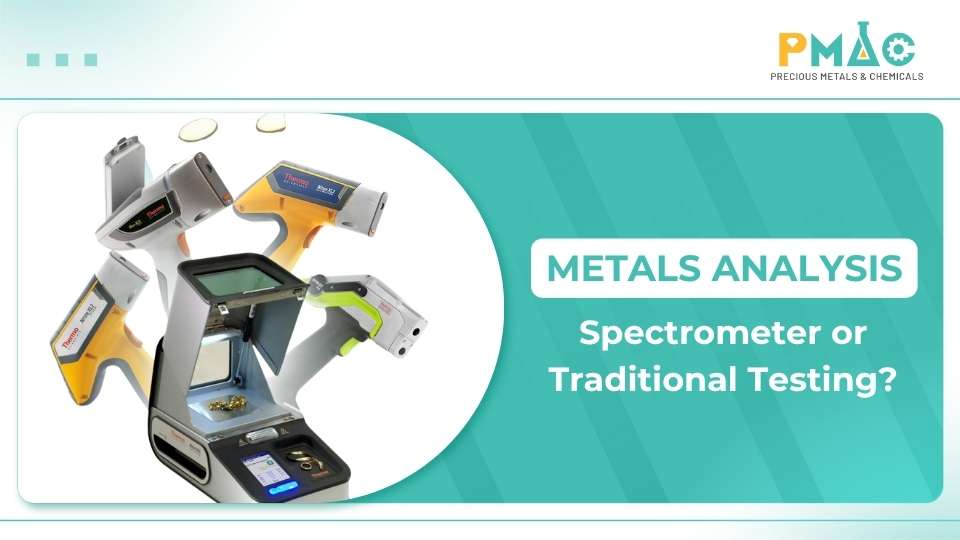
Image 3: Plating thickness measurement
In addition to chemicals, XRF instruments are essential for plating quality control. XRF technology allows non-destructive measurement of coating thickness and metal composition, saving both time and inspection costs.
XRF systems such as SpectraX 30 and SpectraX 55, supplied by PMAC, provide highly accurate thickness measurements across various surfaces—from small components to finished products. Their fast measurement speed and high precision enable businesses to maintain strict coating standards and ensure compliance with technical specifications.
2. Technical services and support
Beyond product supply, PMAC offers process consulting, technology transfer, and technical support services. With a team of experienced specialists, PMAC helps businesses optimize plating processes and improve overall production efficiency.
VI. Conclusion
Plating quality is influenced by multiple factors, including base materials, plating chemicals, equipment, and human expertise. Understanding these factors enables businesses to identify the causes affecting plating quality and apply appropriate optimization solutions. As a trusted partner, PMAC delivers comprehensive plating solutions covering chemicals, equipment, and technical support, helping businesses improve coating quality and production performance.
Contact PMAC today to receive expert consultation on international-standard plating processes and strategic solutions tailored to your business needs.
HCM: High-Tech Center, 4th Floor, HUTECH Building, D1 Street, High-Tech Park, Tang Nhon Phu Ward, Ho Chi Minh City
HN: 22B Ơ2 Linh Dam Peninsula, Hoang Liet Ward, Hanoi City
(+84) 908 727 235
Frequently asked questions:
Globalization trends in the plating chemicals industry