

Precious metals are the backbone of high-tech industries and global finance. Discover internationally compliant import procedures, the latest regulatory frameworks, and PMAC’s sustainable sourcing solutions to optimize value chains and strengthen the competitiveness of Vietnamese enterprises.
I. What are precious metals?
Precious metals are a group of chemical elements characterized by high economic value, natural scarcity, and unique physicochemical properties. Unlike base metals (such as iron, copper, and aluminum), a precious metal typically exhibits exceptional chemical stability, with strong resistance to corrosion and oxidation under environmental conditions. This inert behavior is attributed to their electron configuration and low reactivity, making precious metals highly suitable for applications requiring long-term durability, conductivity, and reliability particularly in advanced manufacturing, electronics, and high-precision industrial processes.
>> Read more: Precious Metals in Advanced Plating Technology
II. Common Types of Precious Metals Today
1. Gold
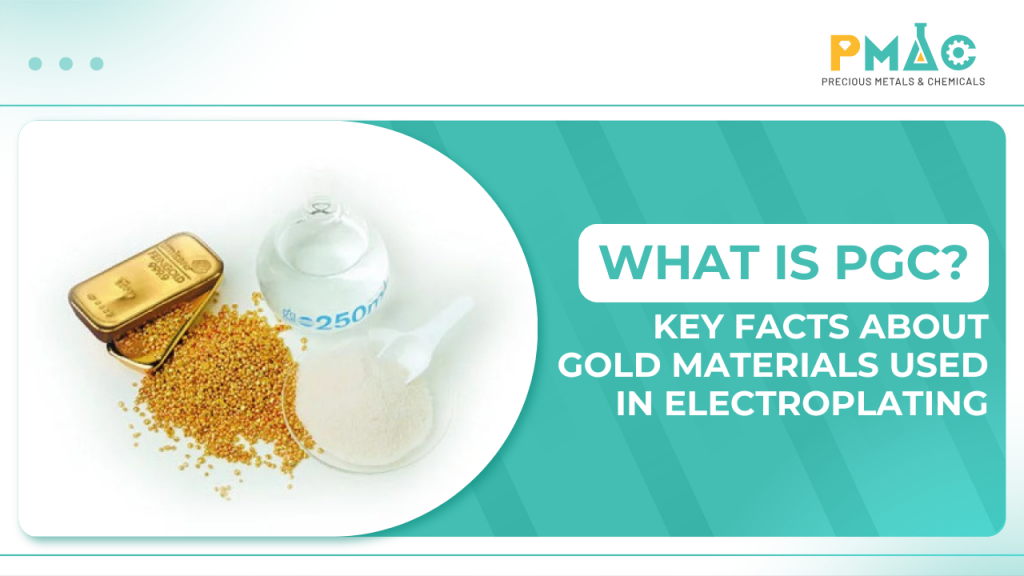
Gold is a precious metal with exceptionally high chemical inertness, exhibiting near-total resistance to oxidation and corrosion under standard environmental conditions. Due to its high standard electrode potential, gold does not react with oxygen or most acids, except for aqua regia.
From a physical standpoint, gold demonstrates outstanding ductility and malleability, enabling the formation of ultra-thin coatings while maintaining stable electrical conductivity. This ensures long-term performance stability, particularly in applications requiring high reliability.
Gold is widely utilized in electrical contacts, microcircuit interconnections, and semiconductor components to minimize contact resistance and prevent oxidation, thereby mitigating performance degradation over time.
>> Precious metal: Metals More Precious Than Gold? Top 5 Most Valuable Metals in the World
2. Silver
Silver is widely recognized as the precious metal with the highest electrical and thermal conductivity among all metallic elements. Its extremely low resistivity makes silver an ideal material for applications requiring fast and precise signal transmission, particularly in high-frequency electronic systems and microelectronic technologies.
However, a key limitation of silver lies in its tendency to react with sulfur-containing compounds in the atmosphere, forming a surface layer of silver sulfide (Ag₂S). This tarnish layer degrades electrical conductivity and negatively impacts surface appearance. As a result, silver is often protected through plating or alloying processes to enhance its chemical durability.
Despite this drawback, the superior conductivity of silver ensures its irreplaceable role in advanced applications such as photovoltaic cells, conductive inks, and high-performance electronic components.
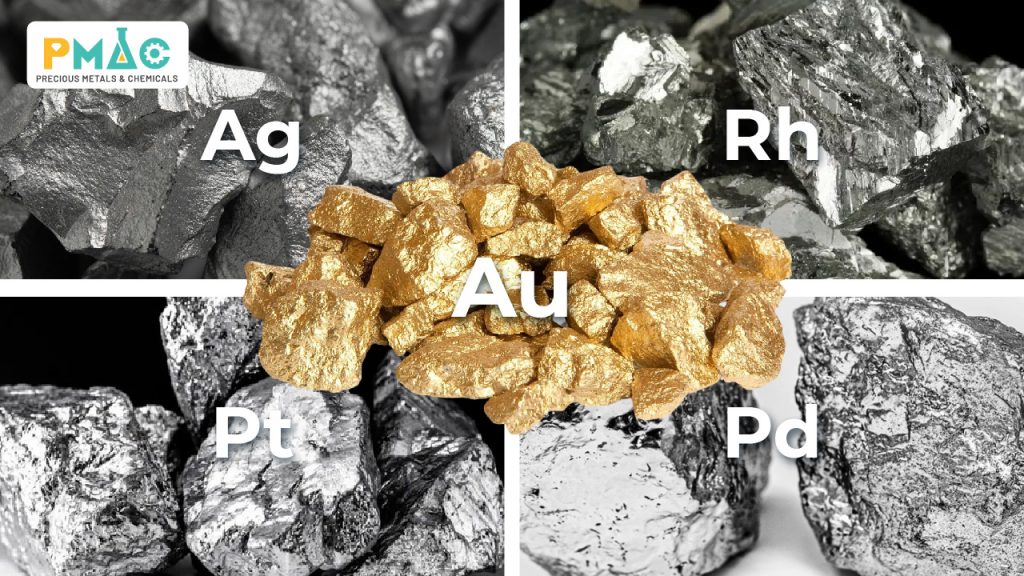
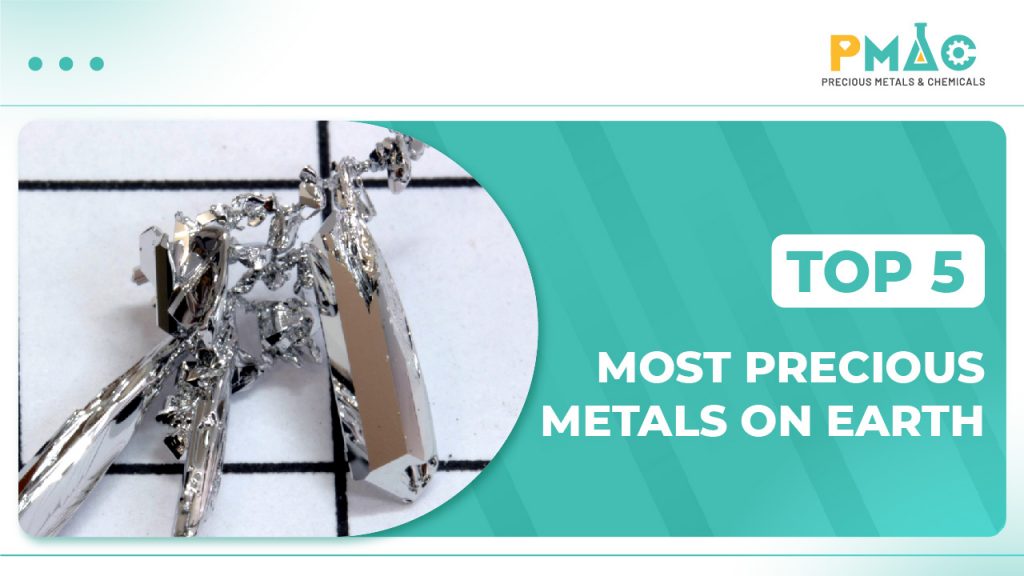
Figure 1: The world’s rarest precious metals
3. Rhodium
Rhodium is one of the rarest precious metals within the platinum group, with extremely limited natural reserves.
A defining characteristic of rhodium is its near-complete resistance to corrosion and oxidation, even under high-temperature conditions or in the presence of aggressive chemical environments.
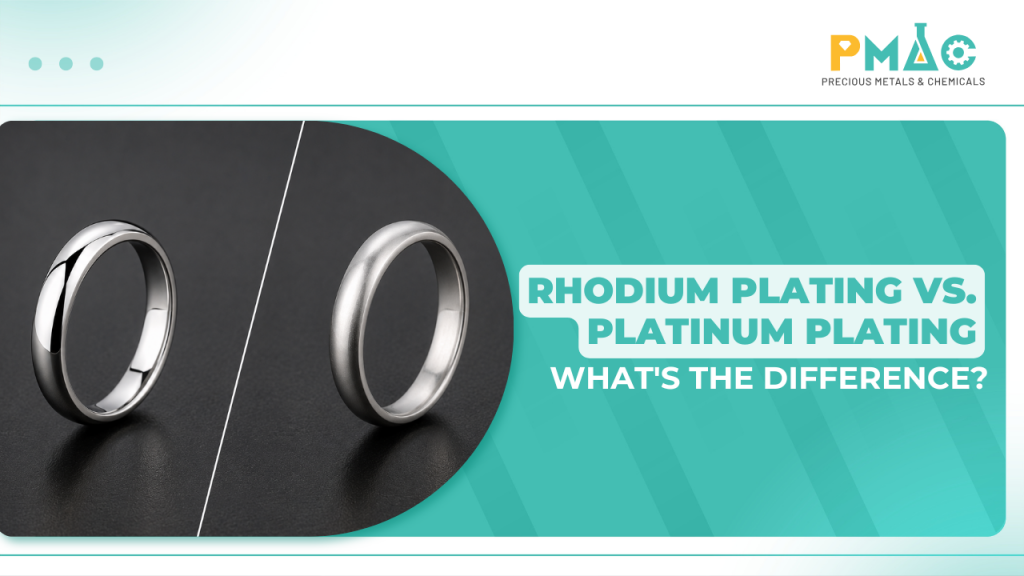
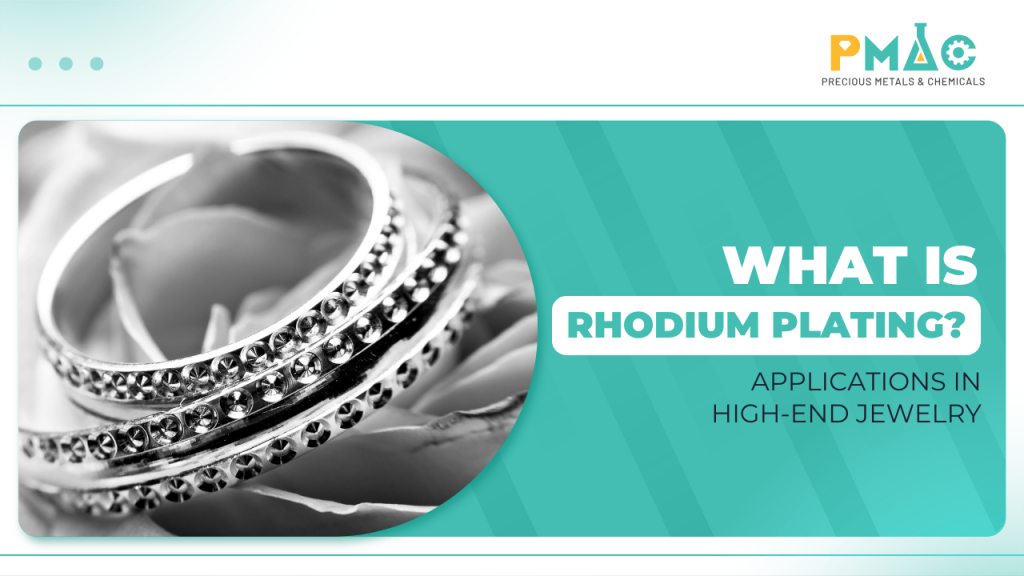
In addition, rhodium exhibits high hardness and exceptional light reflectivity, making it an ideal material for high-end jewelry plating. Rhodium coatings not only enhance surface brightness but also significantly improve scratch resistance and extend product lifespan.
In industrial applications, rhodium plays a critical role as a catalyst in automotive catalytic converters, facilitating the conversion of harmful exhaust gases into less polluting emissions.
4. Platinum
Platinum is a precious metal distinguished by exceptional thermal stability and superior corrosion resistance, particularly in high-temperature and highly aggressive chemical environments. With a melting point of approximately 1768°C, platinum maintains its structural integrity and physicochemical properties under conditions that few metals can withstand.
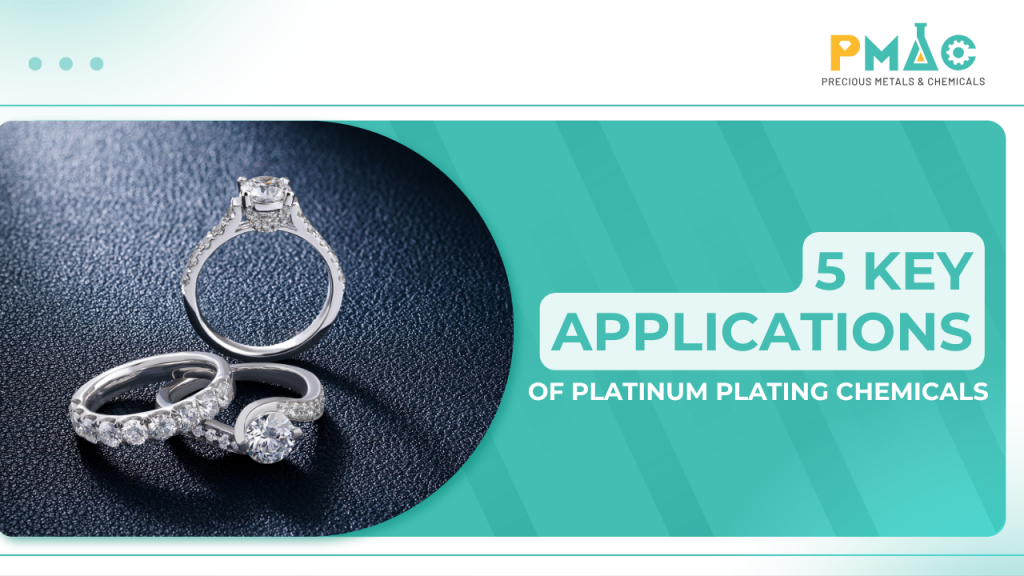
One of the most critical characteristics of platinum is its strong catalytic activity, enabling it to accelerate chemical reactions without being consumed. This makes platinum indispensable in petrochemical processing, fertilizer production, and especially in hydrogen fuel cell technologies.
In addition, due to its high biocompatibility, platinum is widely utilized in implantable medical devices.
5. Palladium
Palladium is a precious metal belonging to the platinum group, sharing many similar properties while offering a lower density and typically lower cost compared to platinum.
One of the most distinctive characteristics of palladium is its exceptional ability to absorb large volumes of hydrogen, enabling critical applications in hydrogen storage and purification technologies.
In the automotive industry, palladium serves as a key component in catalytic converters for gasoline engines, effectively reducing harmful emissions such as carbon monoxide (CO) and unburned hydrocarbons. In addition, palladium is widely used in the electronics sector, particularly in the production of multilayer ceramic capacitors (MLCC), where high stability and reliability are essential.
With the accelerating transition toward clean energy and green technologies, the strategic importance of palladium continues to grow within the global supply chain.
|
Metal |
Rarity | Electrical Conductivity | Corrosion Resistance |
|
Gold |
High | Very good |
Excellent |
|
Silver |
Moderate | Outstanding |
Moderate |
|
Rhodium |
Extremely high | Good |
Excellent |
|
Platinum |
High | Fair |
Excellent |
| Palladium | High | Good |
Good |
Technical comparison of key properties of common precious metals
III. Legal Regulations Related to Precious Metal Importation
1. Specific Regulations for Gold Importation
In Vietnam, gold is a special category of precious metal subject to a distinct and more stringent regulatory framework compared to other metals.
Under the provisions of Decree No. 232/2025/ND-CP, gold import activities are directly controlled by the State Bank of Vietnam to ensure monetary market stability and effective capital flow management.
In addition, imported gold must comply with strict specifications on purity and quality—typically refined gold with a minimum content of 99.5% and be accompanied by complete documentation verifying its legitimate origin. The import process also requires rigorous control over international payment procedures and full compliance with foreign exchange management regulations.
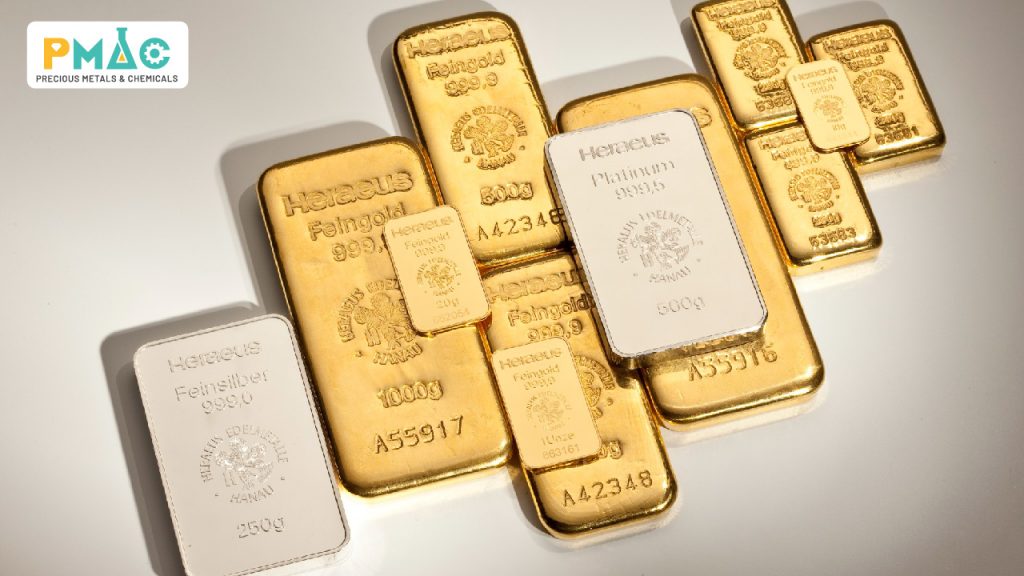
Figure 2: Specific regulations on gold importation
2. Regulations for Importing Silver, Platinum, Rhodium, and Palladium
Unlike gold, precious metals such as silver, platinum, rhodium, and palladium are governed under a “controlled liberalization” framework in Vietnam, reflecting their role as critical input materials for industrial production.
Enterprises importing these metals are required to meet fundamental conditions, including valid business registration and appropriate licensed business lines related to trading or manufacturing involving precious metals. Unlike gold, the importation of silver and platinum group metals does not require a specific license from the State Bank of Vietnam; however, it remains subject to compliance with customs procedures, taxation policies, and applicable specialized inspections.
For specialized applications such as electroplating, electronics, or precision component manufacturing, metals like rhodium and palladium must also meet stringent technical requirements regarding purity levels and material stability to ensure consistent performance and product reliability.
IV. International Standard Process for Importing Precious Metals
1. Supplier Research and Evaluation
The supplier selection stage serves as a foundational pillar in the entire precious metal import process. Given the high intrinsic value and stringent technical requirements, enterprises must conduct a comprehensive, multi-dimensional assessment of supplier capability, credibility, and compliance standards.
Priority should be given to suppliers accredited by the LBMA (London Bullion Market Association) or LPPM (London Platinum and Palladium Market) to ensure that the precious metals meet internationally recognized standards for purity, traceability, and legitimate sourcing.
>> Read more: 5 reasons to choose a long-standing precious metal distributor
2. Product Inspection and Quality Assurance
Advanced analytical methods such as X-ray fluorescence (XRF) are commonly employed to accurately determine the composition and purity of precious metals. For metals such as palladium and platinum, purity requirements can reach 99.95% or higher, particularly in high-precision applications such as electronics and catalytic systems.
>> Read more: How to Preserve Precious Metals in Manufacturing and Storage
3. Customs Procedures and Transportation
During the transportation stage, selecting an appropriate logistics method (air freight, sea freight, or specialized secure transport) must be carefully evaluated based on safety, cost efficiency, and delivery time. Due to their high value, precious metals are typically handled by specialized logistics providers equipped with comprehensive insurance coverage and stringent security protocols to minimize risks of loss, theft, or fraud.
In addition, enterprises must pay close attention to applicable import duties, value-added tax (VAT), and other related financial obligations. Full compliance with foreign exchange management regulations in international payment transactions is also essential to ensure a legally sound and efficient import process.
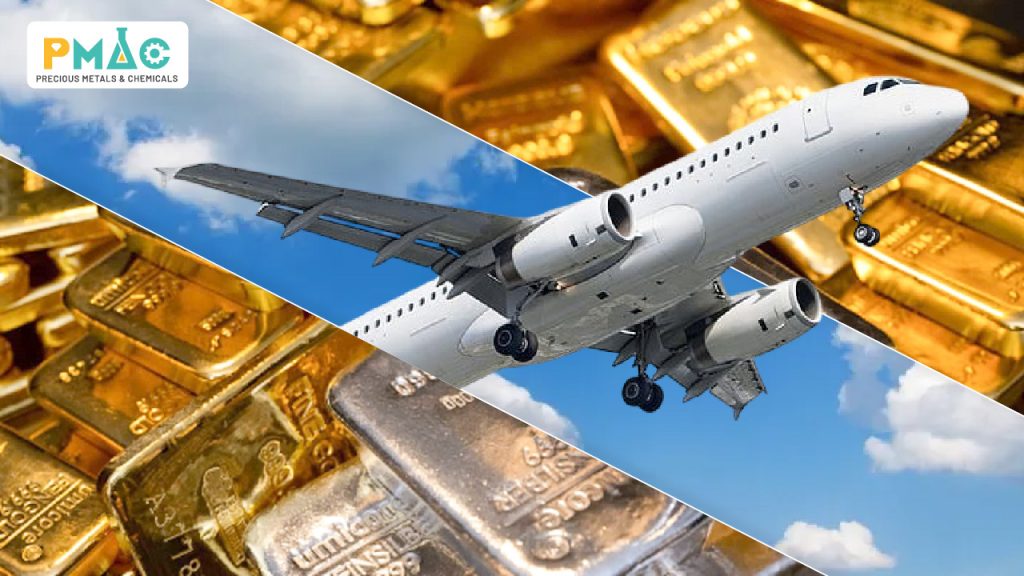
Figure 3: International standard import process for precious metals
4. Final delivery to customers
After completing customs clearance procedures, precious metals are transported to storage facilities or delivered directly to customers, depending on the enterprise’s distribution model.
For manufacturing sectors such as electroplating, electronics, or jewelry fabrication, precious metals can be supplied in various forms (bars, grains, solutions, etc.), tailored to specific application requirements and production processes.
V. Trusted Global Precious Metal Supply Services
PMAC Joint Stock Company is a leading provider in the supply, distribution, and advanced laboratory (LAB) services for the precious metals industry.
PMAC is the official distribution partner of globally recognized organizations, including Umicore, Heraeus, and W.R. Cobb Company, delivering cutting-edge technologies and international-standard solutions to the Vietnamese market.
PMAC provides Vietnam with internationally certified precious metal materials, integrated with advanced solutions in analysis, testing, and application. This comprehensive offering enables domestic enterprises to align with global standards while significantly enhancing their competitiveness in an increasingly integrated global economy.
Conclusion
A modern laboratory (LAB) testing system combined with an extensive global network provides an optimal solution for domestic enterprises. By strictly adhering to internationally standardized procedures and compliance frameworks, PMAC is committed to partnering with clients to build a sustainable precious metal supply ecosystem.
This approach not only minimizes production risks but also ensures the quality assurance of Vietnamese products in the global marketplace. Standardize your supply chain today to strengthen resilience, enhance compliance, and accelerate growth in an increasingly integrated international environment.
CONTACT PMAC NOW TO ENSURE A STANDARDIZED AND LOW-RISK PRECIOUS METAL SUPPLY
PMAC Joint Stock Company
HCM: High-Tech Center, 4th Floor, HUTECH Building, D1 Street, High-Tech Park, Tang Nhon Phu Ward, Ho Chi Minh City
HN: 22B Ơ2 Linh Dam Peninsula, Hoang Liet Ward, Hanoi City
(+84) 908 727 235
Fanpage: https://www.facebook.com/pmac.asia
Frequently Asked Questions
Top 3 rarest precious metals in the world
Tips for choosing precious metal distributors in Vietnam
Top 5 most precious metals on Earth
Application of Precious Metal Plating in Handicraft Production