

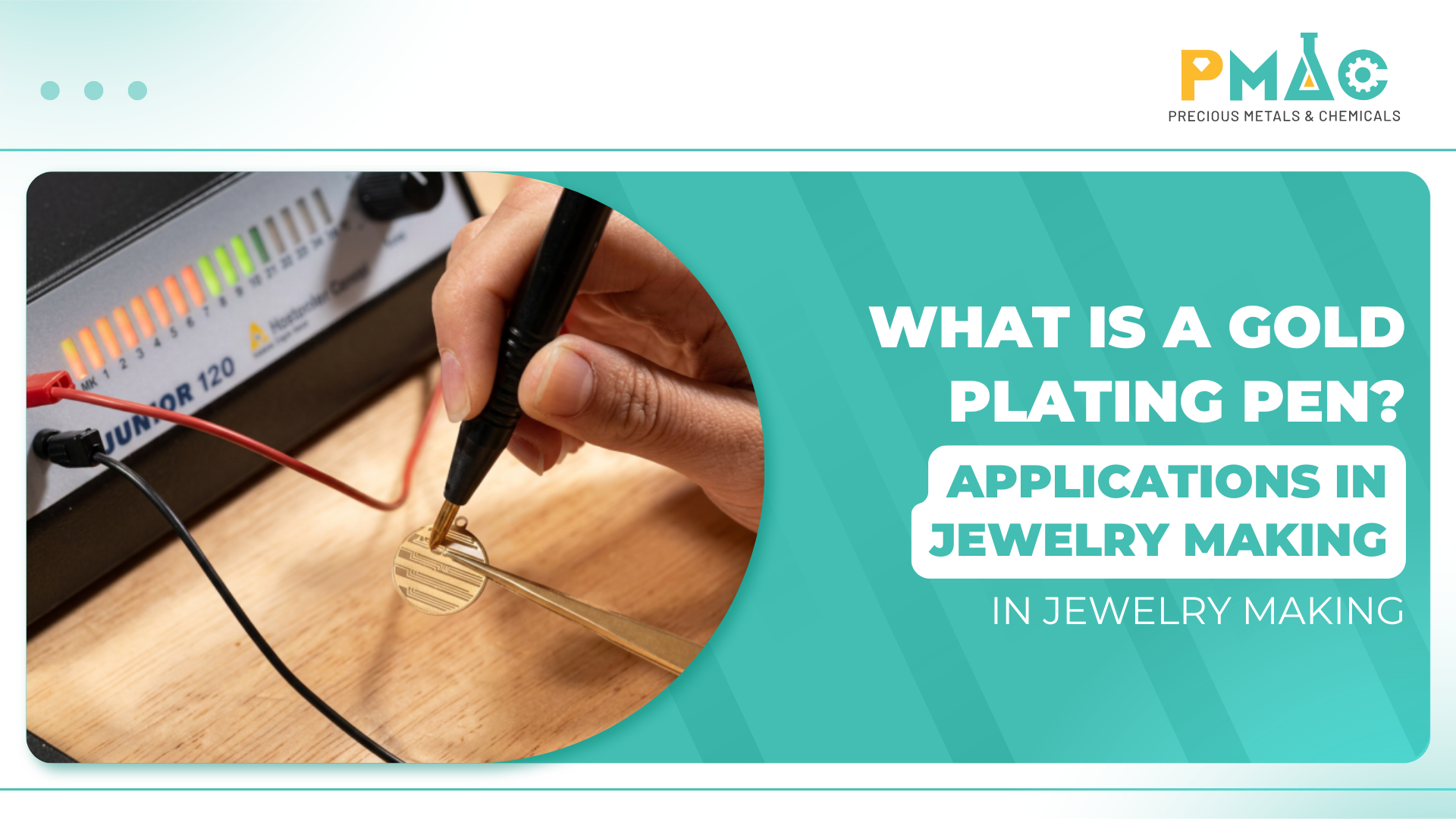
Many people assume that all gold-colored jewelry surfaces are made entirely of pure gold. However, that is not always the case. Behind the shiny and luxurious appearance of many jewelry products lies an important finishing process known as gold plating.
This technique is widely used in the jewelry industry, from manufacturing new pieces to restoring and refinishing pre-owned jewelry. So, what is gold plating, how does it work, and what are its applications in jewelry manufacturing? Let’s explore in this article.
I. What Is Gold Plating?
1. Definition
Gold plating is the process of depositing a thin layer of gold onto the surface of a metal substrate. This technique gives the product a bright, glossy, and attractive finish.
Gold plating is becoming increasingly popular in the jewelry industry due to the many benefits it offers. It allows jewelry to achieve a luxurious appearance while maintaining a more cost-effective production process compared to using solid gold.
Depending on the intended application, jewelers can choose from different gold shades, including yellow gold, rose gold, and white gold. Each color offers unique aesthetic characteristics and helps create designs that align with various market trends.
>>> Learn more: PMAC Gold Plating Solutions
2. Basic Working Principle
Gold plating operates based on the principle of electrolysis. The process uses direct current (DC) to move gold ions within an electrolyte solution. These ions are then deposited onto the surface of a metal object.
When electricity is applied, gold ions migrate through the solution and adhere to the product’s surface, forming a thin and uniform gold layer. This coating enhances both the appearance and value of the jewelry.
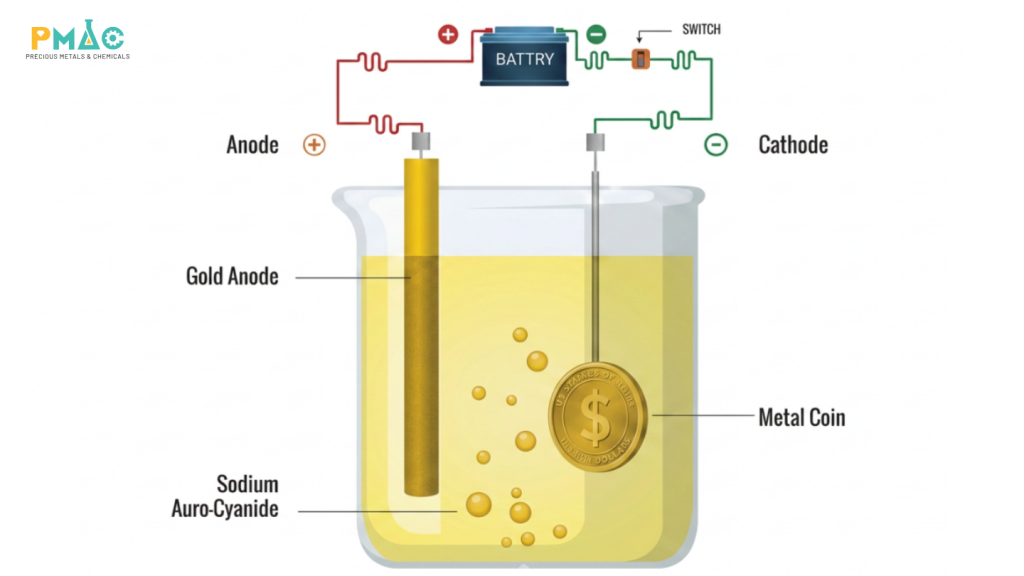
Image 1: Working principle of gold plating
II. Applications of Gold Plating in Jewelry Manufacturing
1. Enhancing Jewelry Aesthetics
Aesthetics play a vital role in determining the quality and appeal of jewelry products. A gold-plated finish gives jewelry a luxurious and eye-catching appearance. The bright, reflective surface creates a premium look, making products more attractive to consumers.
2. Creating Product Diversity
Gold plating is not limited to producing traditional yellow-gold finishes. By using different plating solutions, manufacturers can create a variety of colors, including rose gold, white gold, and other customized shades.
This flexibility allows jewelry manufacturers to develop diverse collections with unique designs and colors that meet changing market demands.
3. Jewelry Restoration
Over time, jewelry may lose its original appearance due to natural reactions between metal surfaces and environmental factors. The most common issues include tarnishing and loss of shine.
Gold plating provides an effective solution for restoring worn jewelry. After the plating process, jewelry regains its bright, polished appearance and looks nearly new again.
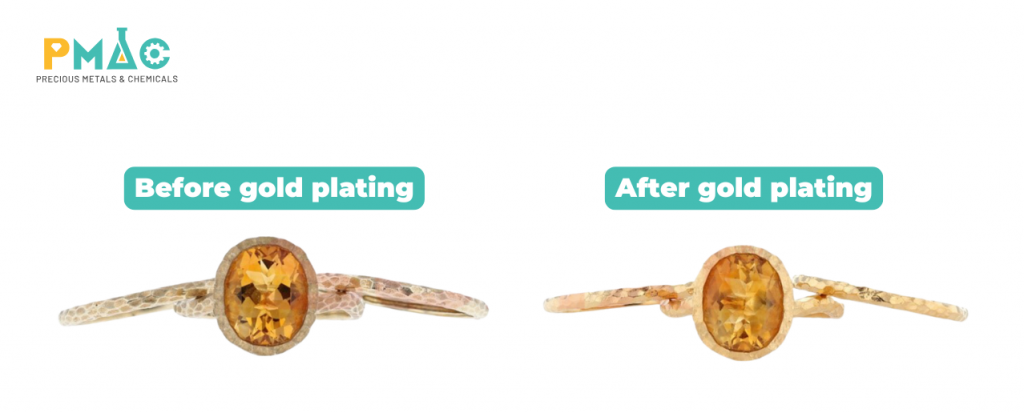
Image 2: Jewelry Before and After Plating
4. Improving Product Durability
The gold-plated layer acts as a protective barrier that helps reduce oxidation on the jewelry surface. This coating also improves wear resistance and surface hardness, contributing to a longer product lifespan while maintaining its elegant appearance.
>>> Learn more: Applications of Plating Chemicals in Industry 4.0 Manufacturing
III. Advantages of Gold Plating in Jewelry Manufacturing
Gold plating is one of the most widely used surface-finishing techniques in the jewelry industry thanks to its many advantages.
1. Enhanced Aesthetics
Gold plating provides jewelry with a bright, luxurious finish. It also enables manufacturers to create a variety of colors, including yellow gold, rose gold, and white gold. Each shade offers distinct aesthetic value and design possibilities.
The resulting finish makes products more attractive and helps jewelry brands offer a broader range of styles to meet market demands.
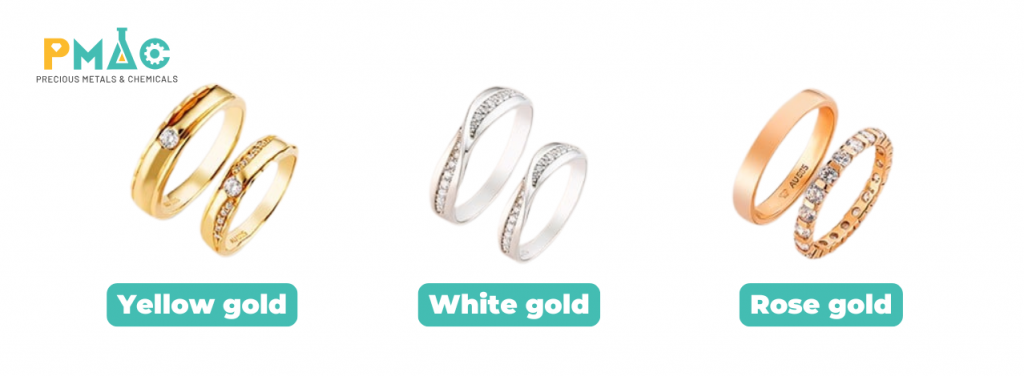
Image 3: The Diverse Colors of Gold Plating
2. Increased Product Value
A high-quality gold-plated layer delivers exceptional color consistency and brilliance. The value of a jewelry piece depends not only on its materials but also on its visual appeal. Gold plating enhances the premium appearance of jewelry, increasing its commercial value.
3. Cost-Effective Production
Instead of manufacturing products entirely from solid gold, gold plating can achieve a similar visual effect at a significantly lower cost. Additionally, the plated layer serves as a protective coating that helps preserve the jewelry surface. This reduces maintenance and restoration costs over time.
Conclusion
Gold plating is an effective solution for creating luxurious and attractive jewelry finishes. Beyond aesthetics, it also helps protect jewelry surfaces and enhance product quality.
With its ability to create various colors and finishes, gold plating has become an essential process in modern jewelry manufacturing. Understanding what gold plating is and the advantages it offers can help businesses choose the right solutions for their production needs and create products that meet market expectations.
PMAC Joint Stock Company
Ho Chi Minh City Office:
4th Floor, HUTECH Building, D1 Street, Saigon Hi-Tech Park, Tang Nhon Phu Ward, Ho Chi Minh City, Vietnam
Hanoi Office:
22B O2, Linh Dam Peninsula, Hoang Liet Ward, Hanoi, Vietnam
Hotline: (+84) 908 727 235
Fanpage: PMAC