

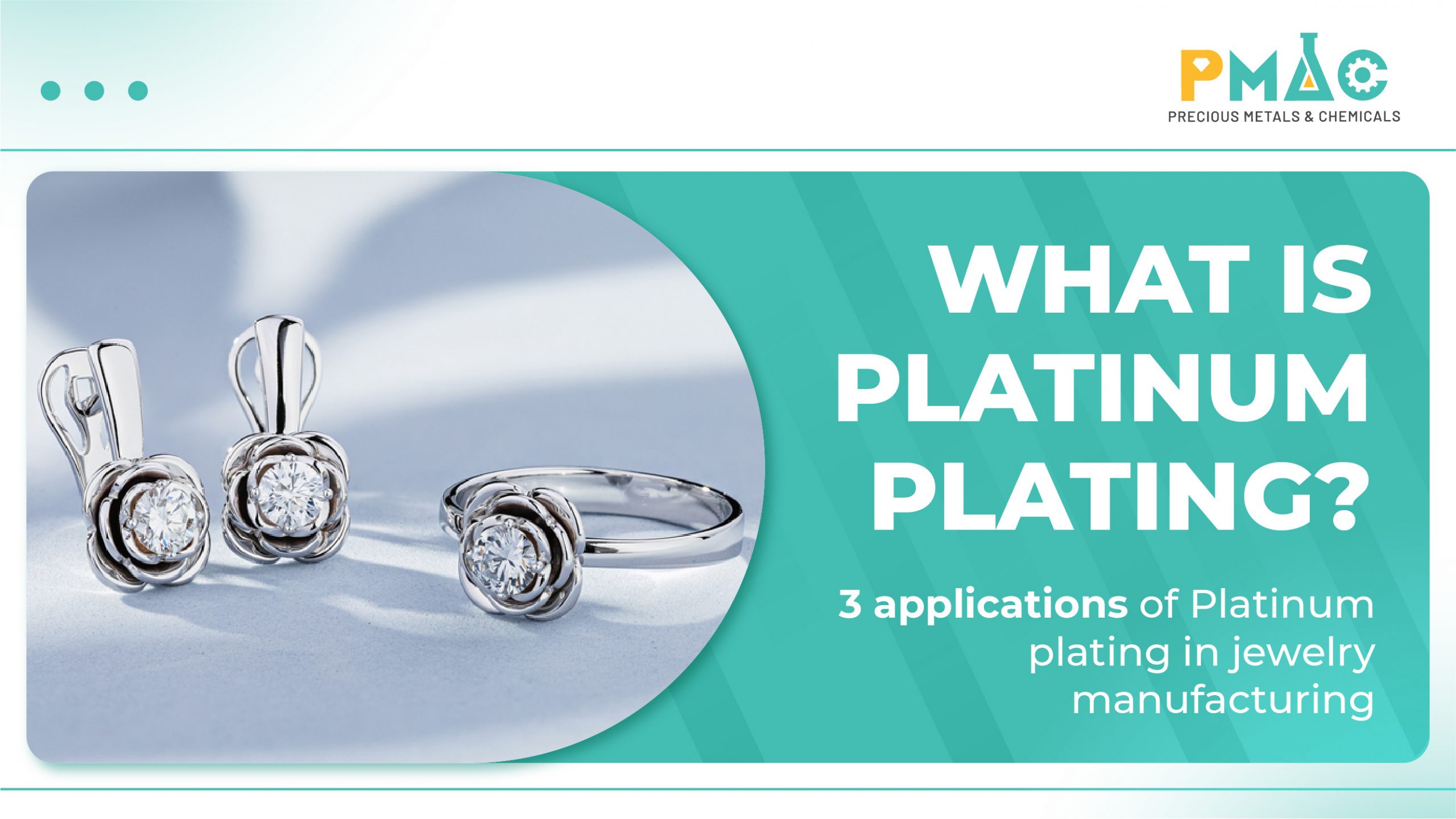
In the jewelry manufacturing industry, aesthetics play a crucial role in determining the value and appeal of a product. Electroplating is one of the most important finishing processes used to achieve a high-quality appearance. Among the various plating technologies available today, platinum plating is widely used in jewelry production.
So, what is platinum plating, and what are its most common applications in jewelry electroplating?
Let’s explore the details with PMAC in the article below.
I. What Is Platinum Plating?
1. Definition of Platinum Plating
Platinum plating is the process of depositing a thin layer of platinum-group metal onto the surface of a metal substrate. Like conventional electroplating methods, platinum plating operates based on the principle of electrolysis. It is a widely used surface-finishing process in the jewelry industry, designed to enhance both the appearance and durability of jewelry products.
The primary components of a platinum plating solution are platinum salts combined with specialized additives. These ingredients help stabilize the electroplating process, improve coating quality, and ensure a consistent color across the entire jewelry surface.
>>> Read more: What Is Electroplating? Common Electroplating Technologies Used Today
2. Characteristics of a Platinum-Plated Coating
Luxurious Bright White Appearance
One of the most notable characteristics of platinum plating is its ability to create a naturally bright white finish, giving jewelry a premium and modern appearance. This finish is particularly suitable for luxury jewelry designs and gemstone-set pieces.
Smooth and Uniform Surface
Because the coating is formed through an electroplating process, platinum plating provides excellent surface coverage and uniformity. This helps achieve a high-quality finish while minimizing minor surface imperfections.
Excellent Oxidation Resistance
Platinum is known for its exceptional chemical stability. As a result, platinum-plated surfaces offer excellent resistance to oxidation, helping jewelry maintain its original appearance and reducing discoloration over time.
Enhanced Product Durability
In addition to its aesthetic benefits, a platinum coating acts as a protective layer that helps minimize the effects of external environmental factors on the jewelry surface. This contributes to longer-lasting beauty and durability.
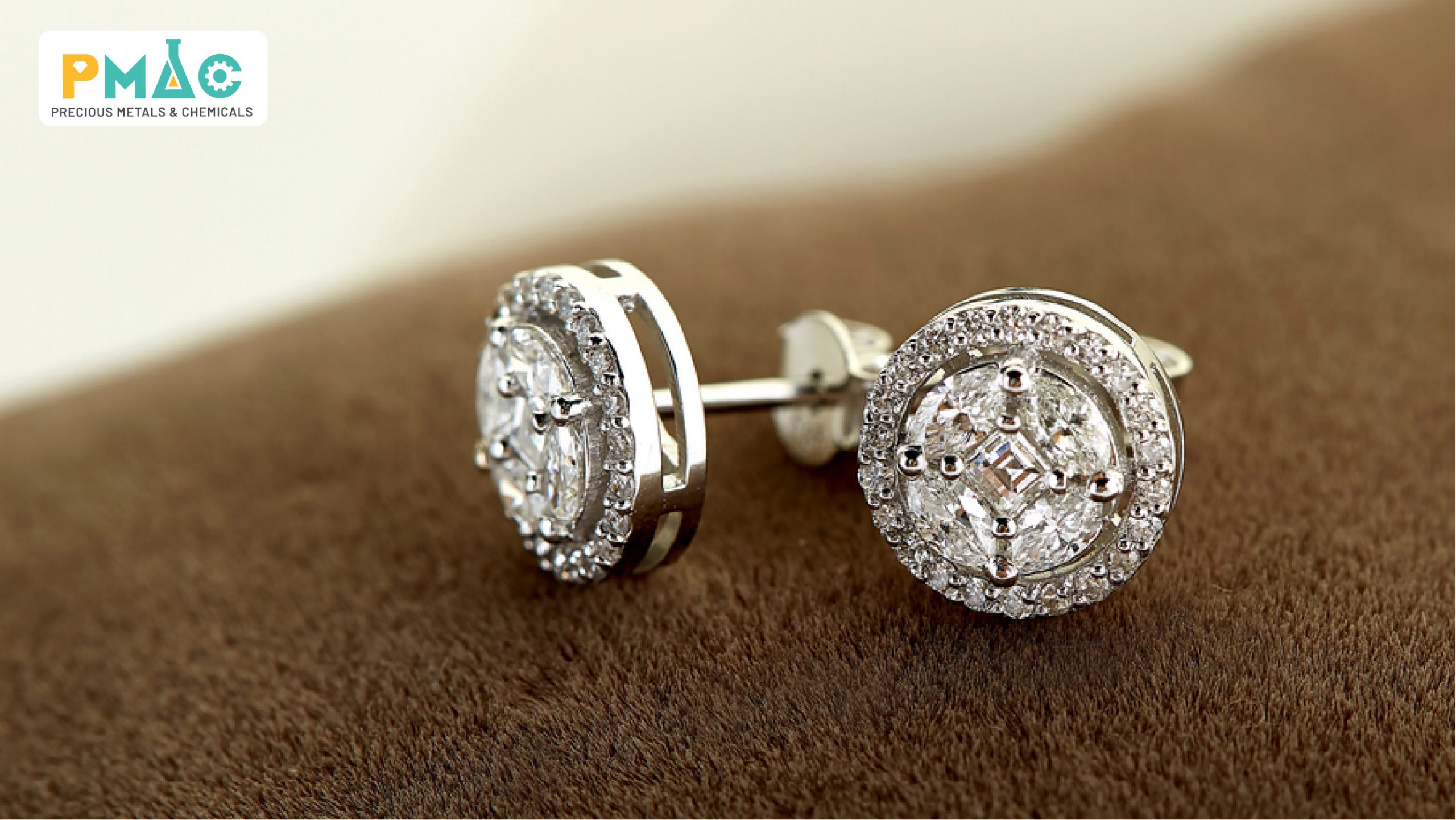
Figure 1: Characteristics of Platinum-Plated Coatings
3. Working Principle of Platinum Plating
Platinum plating is based on the electrolysis process. In an electroplating system, the jewelry piece is connected to the cathode, while the plating solution containing platinum ions serves as the conductive medium.
When direct current (DC) is applied, platinum ions in the solution migrate toward the jewelry surface and are reduced into pure metallic platinum.
Under the influence of electric current, platinum ions continuously deposit onto the surface, forming a thin metallic coating. As plating progresses, this coating develops evenly across the entire surface, creating a bright white appearance, high gloss, and enhanced protection against environmental influences.
II. Platinum Plating Process in Jewelry Manufacturing
To achieve a platinum coating with excellent adhesion, uniform color, and high durability, jewelry pieces must undergo a rigorous surface preparation and electroplating process. Each stage plays a critical role in ensuring the quality of the final coating.
1. Surface Cleaning
This is the first and one of the most important steps in the platinum plating process. Its purpose is to completely remove dust, grease, oils, and contaminants remaining from previous manufacturing operations.
Cleaning is typically performed using specialized degreasing solutions combined with water rinsing or electro-cleaning methods. If the surface is not thoroughly cleaned, plating defects such as peeling, pitting, or poor adhesion may occur.
2. Surface Activation
After cleaning, the jewelry undergoes a surface activation process. This step removes the thin oxide layer formed on the metal surface, improving its chemical activity and promoting stronger adhesion of the platinum coating.
Depending on the base metal, activation may involve acid treatments or specialized chemical solutions. Processing parameters must be carefully controlled to avoid affecting product quality.
3. Platinum Plating
Once surface preparation is complete, the jewelry proceeds to the platinum plating stage. Under the influence of direct current, platinum ions move toward the jewelry surface and deposit as a thin metallic layer.
During this process, parameters such as solution temperature, current density, plating time, and chemical concentration must be precisely controlled to ensure uniform color, high gloss, and excellent adhesion.
4. Rinsing and Neutralization
After plating, the jewelry is thoroughly rinsed with clean water to remove residual chemicals from the surface. Some plating processes may also include a neutralization step to eliminate chemical residues completely and prevent unwanted chemical reactions.
This stage ensures the jewelry meets cleanliness requirements before moving on to final finishing.
5. Drying and Quality Inspection
The plated jewelry is dried using hot air or specialized drying equipment to remove any remaining moisture.
Technicians then inspect the plated coating based on criteria such as color consistency, gloss, uniformity, adhesion, and overall surface condition. Products that meet quality standards proceed to packaging or final assembly before being delivered to customers.
Following each step of the platinum plating process is essential not only for achieving a high-quality coating but also for enhancing the durability, appearance, and value of jewelry products.
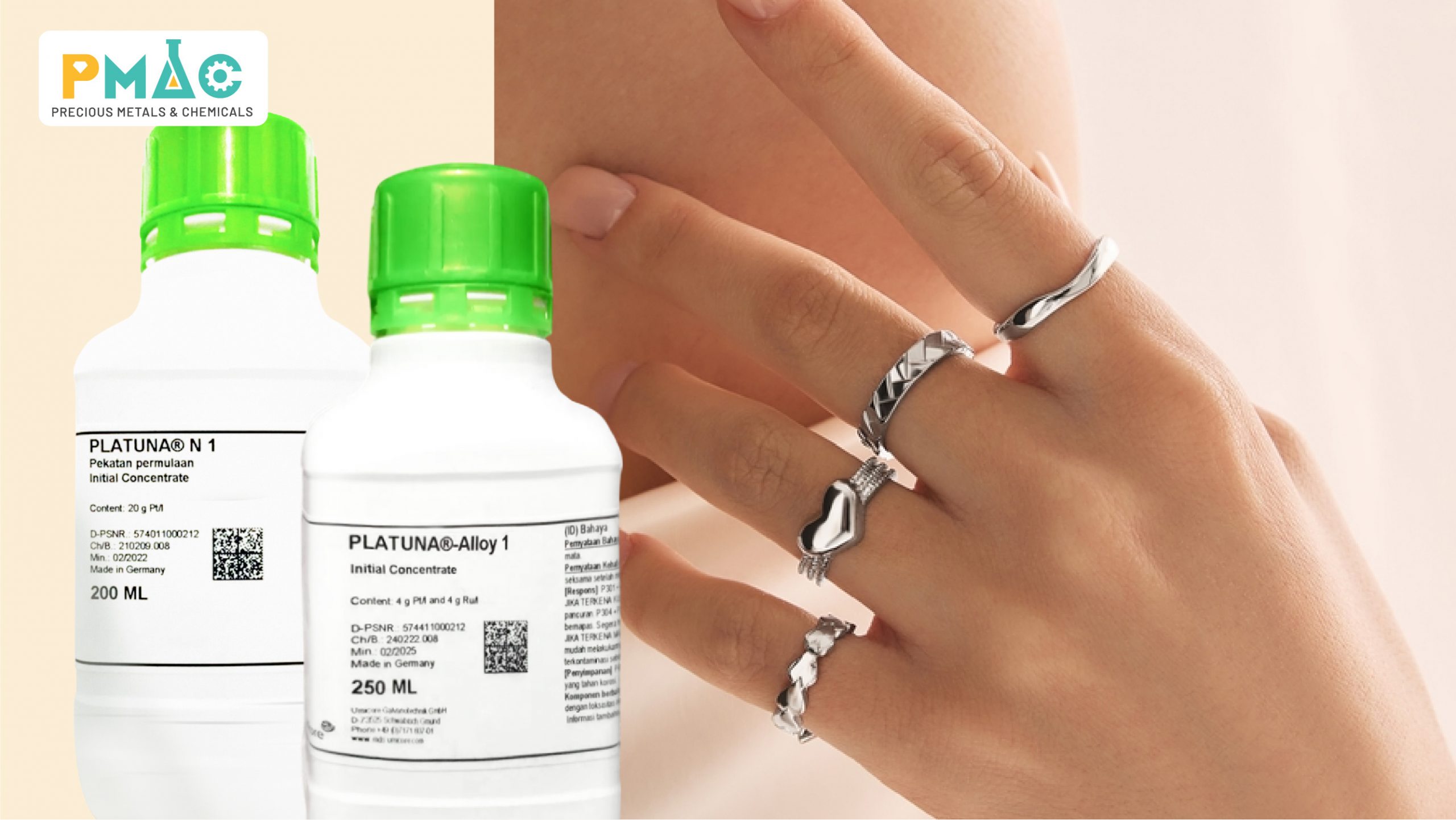
Figure 2: Platinum Plating Process
>>> Read More: Factors Affecting Electroplating Coating Quality
III. Advantages of Platinum Plating in the Jewelry Industry
Platinum plating is regarded as a premium surface-finishing technology in the jewelry industry. Beyond aesthetics, it also helps protect jewelry and increase its market value.
1. Enhanced Aesthetics
Platinum plating provides a bright white finish that makes jewelry appear more elegant and sophisticated. This finish is especially popular in high-end jewelry collections and enhances both the base metal and any gemstones incorporated into the design.
The plated surface also offers high gloss and excellent light reflectivity, creating a sparkling effect that attracts attention under various lighting conditions.
2. Effective Tarnish Resistance
One of the key advantages of platinum plating is its ability to protect jewelry from environmental influences. The coating minimizes direct exposure of the base metal to air, moisture, and chemical agents, thereby slowing down oxidation.
As a result, platinum-plated jewelry maintains its shine and color stability for extended periods, reducing maintenance requirements and helping products retain a like-new appearance.
3. Improved Wear Resistance
The platinum coating serves as an additional protective layer that reduces the impact of everyday friction and minor abrasion. This helps minimize surface scratches and preserve the overall finish of the jewelry.
Its wear-resistant properties are particularly valuable for jewelry pieces that are frequently worn or exposed to environmental conditions.
4. Increased Product Value
Platinum plating gives jewelry a refined, high-quality appearance and a superior level of finish. This enhances customers’ perception of product quality and brand professionalism.
As a result, platinum plating is widely used in premium jewelry collections that demand exceptional aesthetics and durability. It not only increases product value but also provides jewelry manufacturers with a competitive advantage in today’s market.
IV. Applications of Platinum Plating in Jewelry Electroplating
Thanks to its bright white finish, excellent durability, and superior aesthetics, platinum plating is widely used in jewelry manufacturing and finishing. This technology helps improve product quality while meeting consumers’ growing expectations for beauty and longevity.
1. Finishing White Gold Jewelry
During manufacturing, white gold jewelry may not always achieve the desired level of whiteness due to alloy composition or processing conditions. Platinum plating provides a uniform bright white coating that enhances the product’s appearance and gives it a luxurious, modern look.
2. Plating Silver Jewelry
Silver naturally tends to tarnish when exposed to the environment. Applying a platinum coating reduces direct contact between silver and external elements, helping slow oxidation and maintain its appearance for a longer period.
This also reduces the need for frequent cleaning and polishing.
3. Plating Gemstone Jewelry
The bright white finish of platinum plating provides an ideal background for gemstones. It enhances light reflection, increases brilliance, and makes gemstones appear more vibrant and attractive.
The combination of a glossy platinum coating and carefully set gemstones creates a premium aesthetic, making platinum plating a popular choice for bridal jewelry, luxury fashion jewelry, and artistic jewelry designs.
Thanks to its aesthetic and protective benefits, platinum plating has become a preferred finishing solution for jewelry manufacturers seeking to enhance the quality and value of high-end jewelry products.
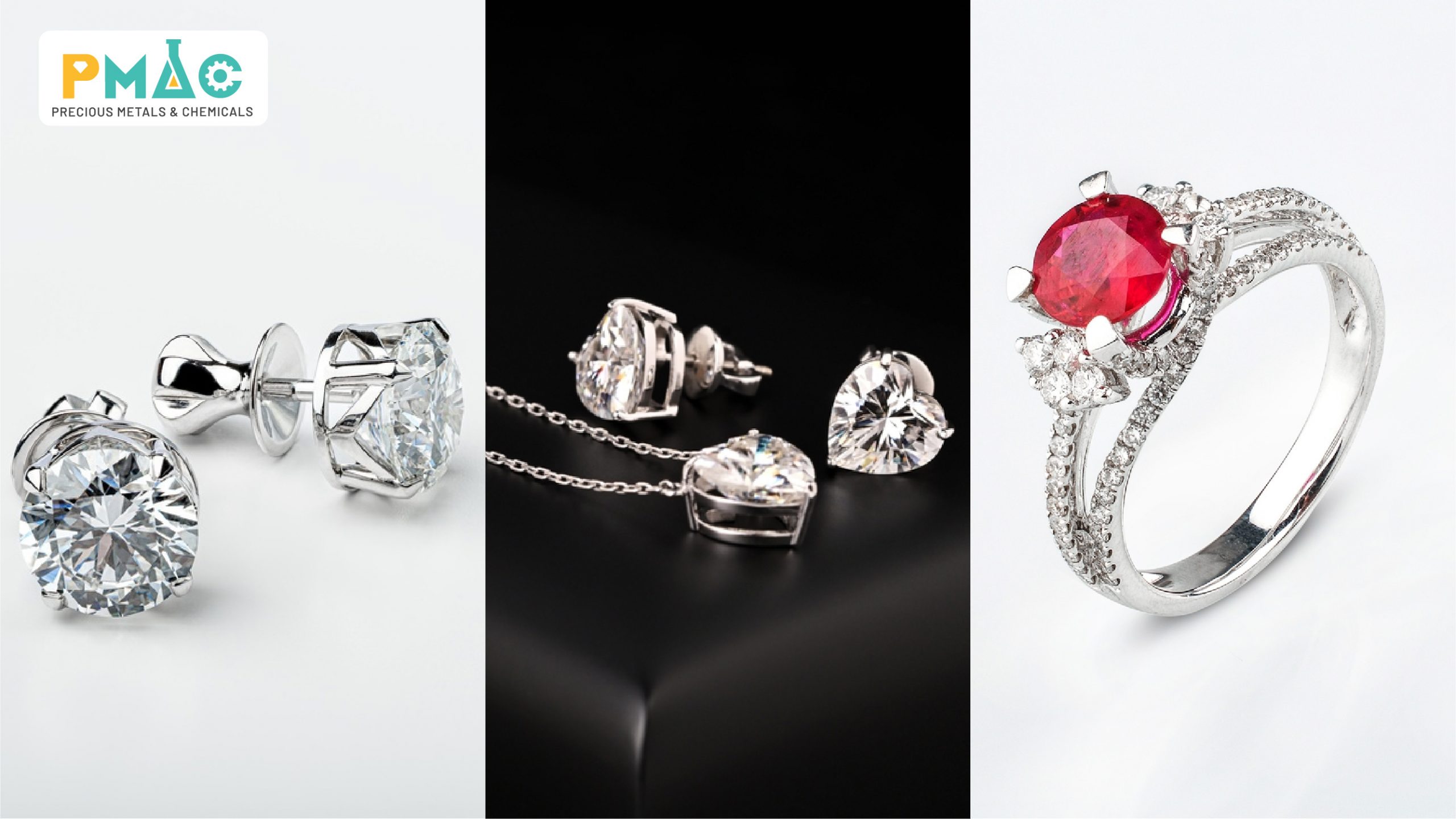
Figure 3: Three Common Applications of Platinum Plating in Jewelry Manufacturing
>>> Read More: The Role of Electroplating in Jewelry Manufacturing
Conclusion
Platinum plating is an essential process in the production of high-end jewelry. Beyond its bright white color and brilliant finish, platinum plating is highly valued for its unique properties, particularly its excellent oxidation and wear resistance.
For these reasons, platinum plating has become increasingly popular in jewelry manufacturing, especially in premium jewelry segments where appearance and durability are critical requirements.
However, achieving a flawless platinum-plated finish requires multiple carefully controlled process steps, as well as precision, attention to detail, and the expertise of skilled plating technicians.
Contact PMAC today for professional consultation and the best solutions for your electroplating system.
PMAC Joint Stock Company
Ho Chi Minh City Office:
4th Floor, HUTECH Building, D1 Road, Saigon Hi-Tech Park, Tang Nhon Phu Ward, Ho Chi Minh City, Vietnam
Hanoi Office:
22B O2, Linh Dam Peninsula, Hoang Liet Ward, Hanoi, Vietnam
Hotline: (+84) 908 727 235
Facebook Page: PMAC