

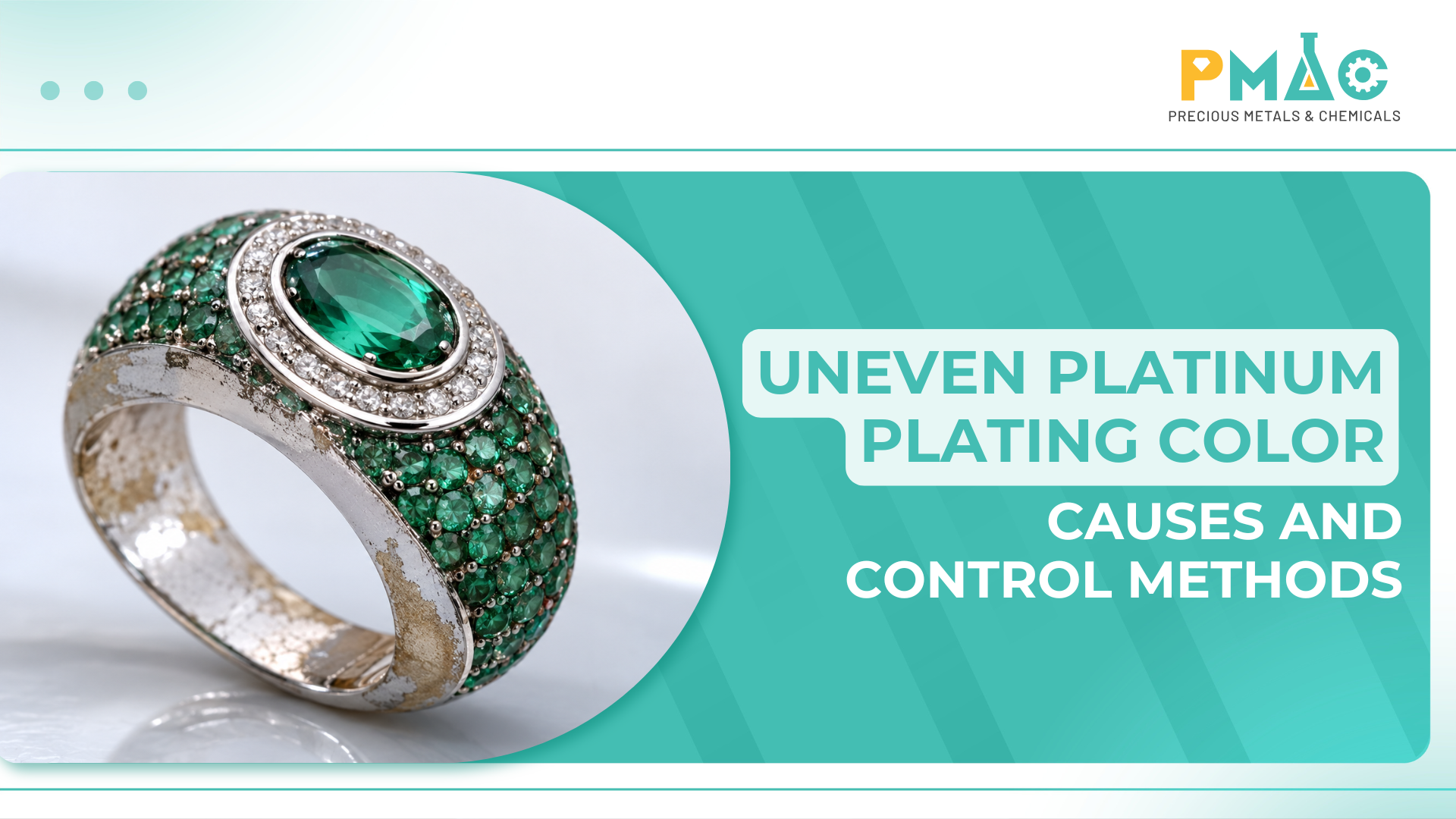
In the high-end jewelry, electronics, and various industrial sectors, platinum plating is highly valued for its excellent corrosion resistance, exceptional durability, and elegant metallic appearance. However, during production, many manufacturers and plating workshops encounter uneven platinum plating color, which appears as color variations, light and dark patches, or inconsistent brightness across the same product.
This is one of the most common platinum plating defects, directly affecting product quality and increasing rework costs. So, what causes uneven platinum plating color, and how can it be effectively controlled? Let’s explore the details below.
I. What Is Uneven Platinum Plating Color?
1. Signs of Uneven Platinum Plating
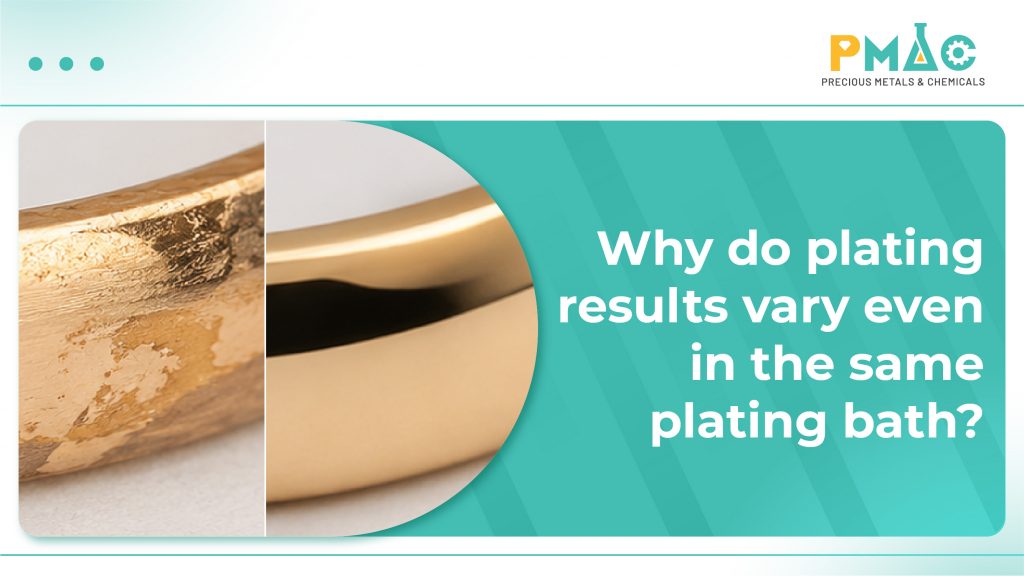
Uneven platinum plating refers to a condition in which the plated layer exhibits noticeable differences in color or brightness across different areas of the same component. Common signs include:
- Alternating bright and dark areas on the surface.
- Inconsistent platinum color across the entire workpiece.
- Some areas appearing highly glossy while others look dull.
- Visible streaks, blotches, or color transitions.
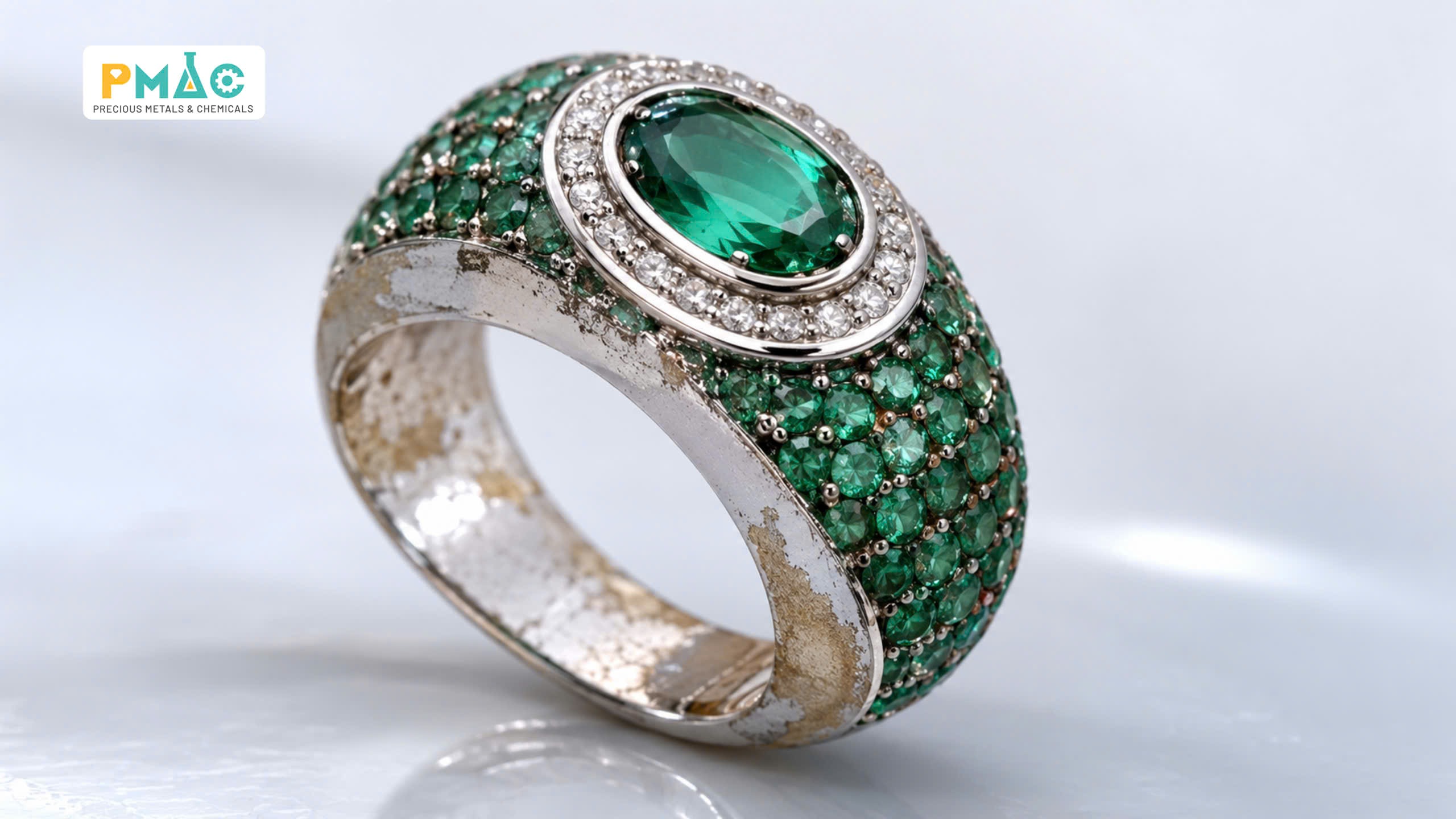
Figure 1: Defective platinum-plated surface
2. Impact on Product Quality
Although the coating thickness may still meet specifications in some cases, uneven color often indicates instability in the plating process. This can result in:
- Inconsistent coating quality.
- Uneven adhesion to the substrate.
- Reduced corrosion resistance in certain areas.
3. Impact on Appearance and Commercial Value
For the jewelry industry, aesthetics play a critical role in determining product value. A ring or necklace with inconsistent platinum color can significantly reduce the perceived quality of the piece, weaken customer confidence, and negatively affect brand reputation.
For industrial components and technical parts, non-uniform coatings may also complicate quality inspection and product acceptance.
>>> Related Article: What Is Platinum Plating? Three Applications of Platinum Plating in Jewelry Manufacturing
II. Causes of Uneven Platinum Plating Color
1. Inadequate Surface Preparation
This is one of the most common causes encountered in production.
Residual Oil and Grease
If oils or grease are not completely removed before plating, the remaining contaminants prevent proper metal deposition, resulting in uneven platinum coverage and color variations.
Surface Oxidation
Oxidized substrates reduce coating adhesion. Areas covered with thicker oxide films generally receive less metal deposition, leading to uneven coloration.
Polishing Residues
In jewelry manufacturing, leftover polishing compounds or abrasive residues frequently cause platinum coatings to lose their uniform appearance.
2. Unstable Platinum Plating Solution Composition
The quality of the platinum plating solution directly affects the coating’s appearance and consistency.
Insufficient Platinum Metal Concentration
When the platinum concentration falls below the recommended operating range, the deposition rate becomes uneven, causing noticeable color differences across the plated surface.
Incorrect Additive Balance
Additives are responsible for controlling crystal structure and surface brightness. An incorrect additive ratio may result in unstable coating color and appearance.
Contaminated Plating Solution
Metal impurities, dust, or foreign chemicals entering the plating bath can alter its electrochemical properties, leading to various surface defects, including uneven coloration.
3. Improper Current Density
Current density is one of the key factors governing metal deposition during electroplating.
Excessive Current Density
When current density is too high, metal deposits rapidly on edges and protruding areas, making these regions appear brighter than the rest of the surface.
Insufficient Current Density
Conversely, low current density slows the deposition process, resulting in duller surfaces and lighter-colored coatings.
Uneven Current Distribution
This is particularly common when plating complex-shaped parts. Areas receiving different current densities experience different deposition rates, leading to uneven coating color.
4. Unstable Plating Time and Bath Temperature
Effect on Deposition Rate
Plating for too short a time may produce coatings that have not fully developed, while excessive plating time can sometimes alter the coating structure and affect its appearance.
Effect on Coating Color
Fluctuating bath temperature changes the electrochemical reaction rate, causing coating color variations between production batches or even within the same component.
5. Improper Rack Design or Workpiece Positioning
Electrical Shielding
Certain areas may be shielded by the rack or adjacent parts, receiving less electrical current. As a result, thinner deposits form in these areas, creating noticeable color differences.
Uneven Coating Distribution
Components with recessed areas or complex geometries require proper fixture design to ensure that both plating solution and electrical current reach the entire surface uniformly.
>>> Related Article: Key Factors Affecting Electroplating Quality
III. How to Prevent and Correct Uneven Platinum Plating Color
1. Standardize Surface Preparation
Surface preparation should be carefully controlled through standardized procedures, including:
- Degreasing.
- Water rinsing.
- Surface activation.
- Chemical neutralization.
Regular inspection procedures should be established to ensure every workpiece is thoroughly cleaned before plating.
2. Regularly Monitor Plating Solution Composition
Routine chemical analysis helps detect problems such as:
- Platinum depletion.
- Additive imbalance.
- Contamination buildup.
This is an essential practice in professional platinum plating quality control.
3. Maintain Stable Operating Parameters
Current Density
Set the appropriate current density according to the plating chemistry supplier’s recommendations and maintain it consistently throughout production.
Temperature
Install reliable heating or cooling systems to keep the plating bath within its recommended operating temperature range.
Plating Time
Develop standardized plating cycles for each product type to avoid under-plating or over-plating.
Filtration and Solution Agitation
A well-maintained filtration system removes contaminants generated during production, while proper agitation keeps the bath chemistry homogeneous.
Routine maintenance significantly reduces the risk of coating color defects.
4. Choose High-Quality Platinum Plating Chemicals
One of the most important factors influencing coating consistency is the quality of the plating chemistry.
High-quality platinum plating solutions typically offer:
- Stable chemical composition.
- High purity.
- Excellent color consistency.
- Optimized additive systems for reliable deposition.
Selecting a trusted supplier helps manufacturers reduce defect rates and lower long-term production costs.
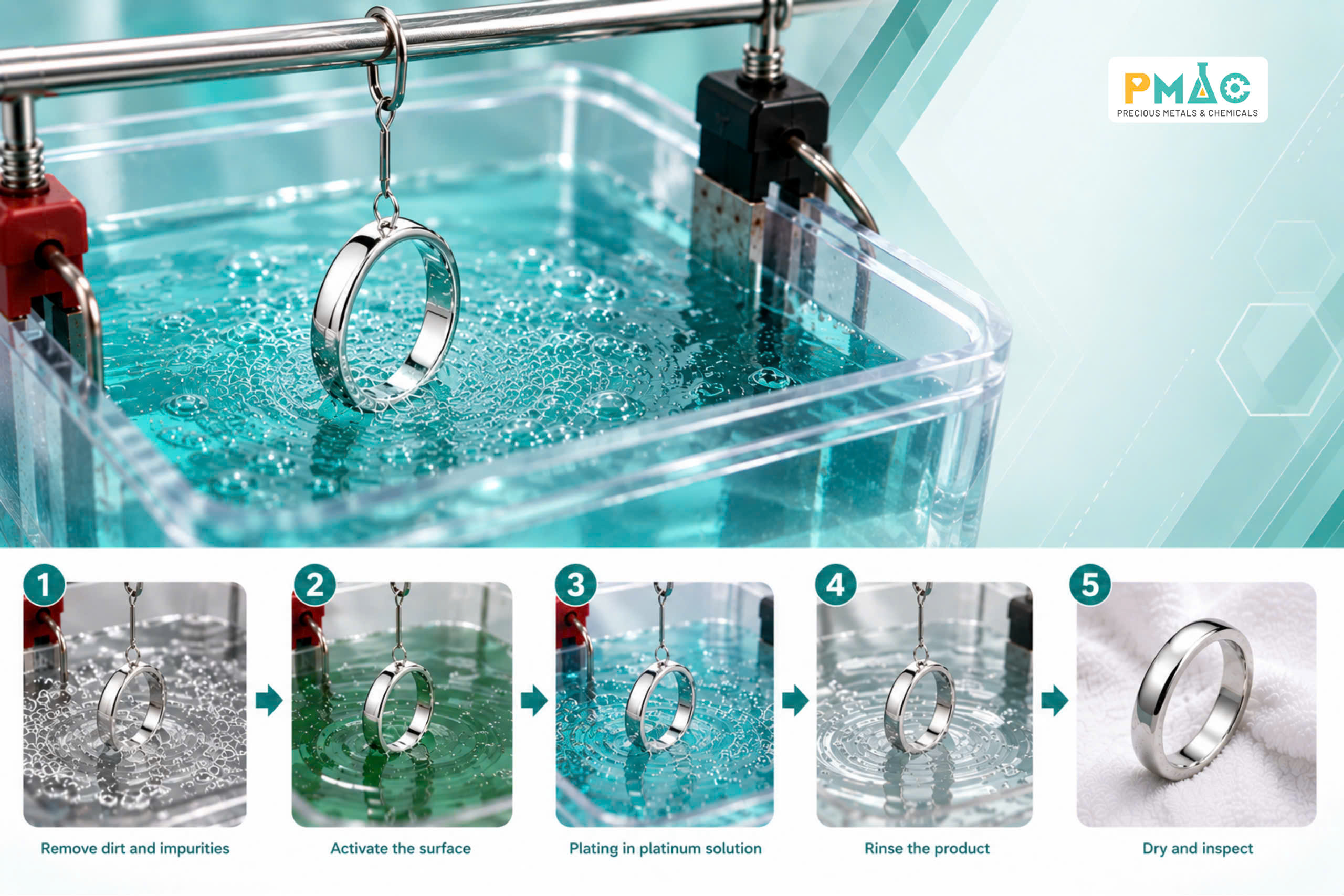
Figure 2: Proper platinum plating process
>>> Related Article: How to Evaluate a Reliable Electroplating Chemical Supplier
IV. Why Choose PMAC Platinum Plating Chemicals?
Consistent Product Quality
PMAC supplies carefully selected electroplating chemicals and solutions designed to deliver stable performance and reliable production results.
Professional Technical Support
PMAC’s engineering team has extensive experience in jewelry plating, precious metal electroplating, and troubleshooting plating-related production issues.
Process Optimization
Beyond supplying chemicals, PMAC assists customers in evaluating their existing plating processes, identifying root causes of defects, and recommending practical improvement strategies.
Suitable for Jewelry and Industrial Applications
PMAC’s platinum plating solutions are suitable for a wide range of applications, from luxury jewelry to industrial components requiring consistent, high-quality surface finishes.
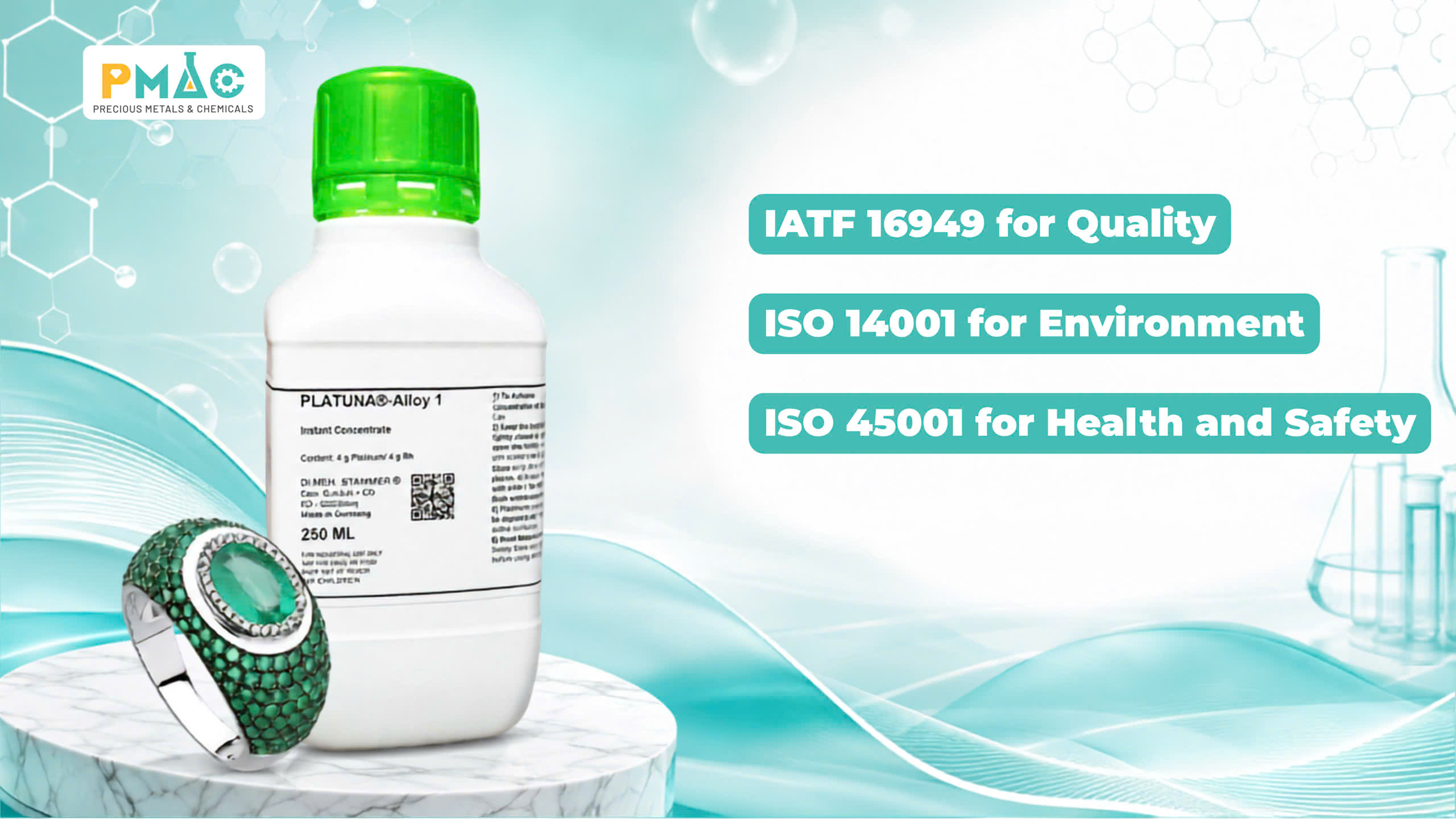
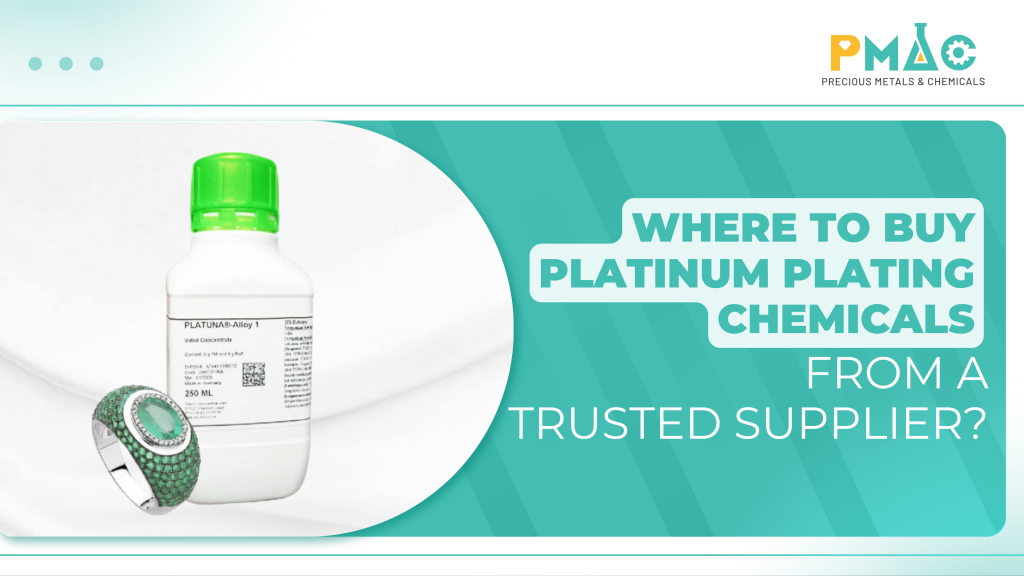
Figure 3: High-quality platinum plating solution from PMAC
>>> Related Article: Where to Buy Reliable Platinum Plating Chemicals
Conclusion
Uneven platinum plating color is one of the most common electroplating defects. It may result from inadequate surface preparation, unstable plating solution composition, improper current density, fluctuating bath temperature, or poorly designed plating fixtures.
To effectively eliminate this issue, manufacturers should establish comprehensive process controls covering surface preparation, plating solution management, and operating parameter monitoring. Choosing high-quality plating chemicals and working with experienced technical specialists can further improve coating quality while reducing production defects.
PMAC Joint Stock Company
Ho Chi Minh City Office
4th Floor, HUTECH Building, High-Tech Center, D1 Road, Saigon Hi-Tech Park, Tang Nhon Phu Ward, Ho Chi Minh City, Vietnam
Hanoi Office
22B O2, Linh Dam Peninsula, Hoang Liet Ward, Hanoi, Vietnam
Hotline: (+84) 908 727 235
Facebook: PMAC