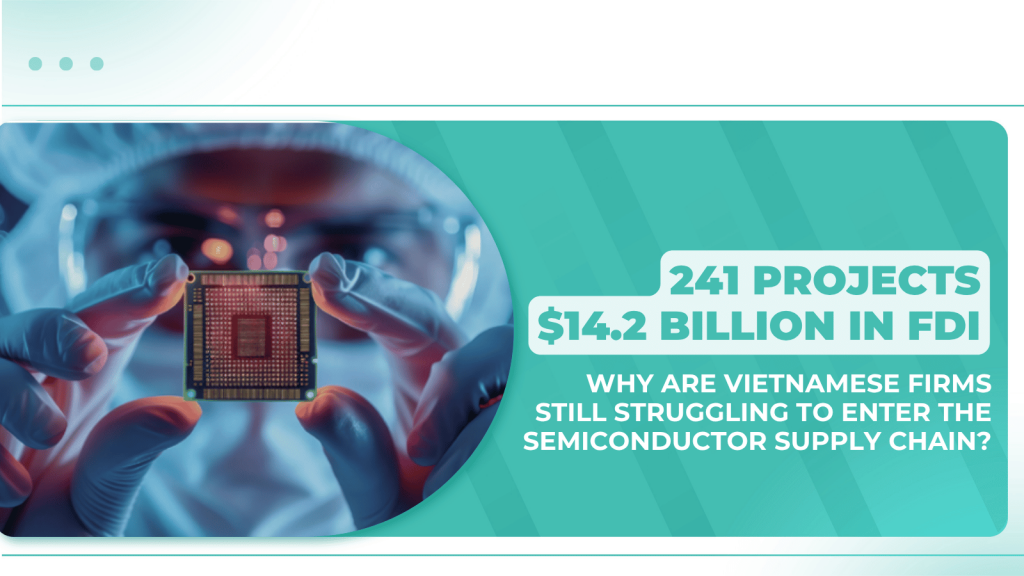


As of the end of August 2026, total registered FDI in Vietnam reached US$40.63 billion, up 55.4% year-on-year. Manufacturing and processing continued to attract the largest share of investment. The growing presence of FDI enterprises is creating new opportunities for Vietnam’s industrial sector, while also raising a more difficult question for local suppliers: what truly makes a company capable of becoming part of the supply chains of international corporations?
Competitive pricing, reliable delivery, and a broad product portfolio remain important. However, in industries with demanding technical requirements, these are increasingly only the baseline. Customers are paying greater attention to quality control, consistency across production batches, technical data, traceability, problem-solving capabilities, and the level of support available throughout technology implementation.
This shift is driving PMAC to expand from its industrial distribution foundation toward a broader technology ecosystem built more closely around the real operational needs of industrial customers.
I. As Customer Requirements Change, the Role of Suppliers Must Change as Well
New FDI inflows are continuing to expand manufacturing capacity in Vietnam. However, there is still a considerable gap between “having FDI factories in the country” and “becoming part of an FDI supply chain.”
According to the OECD, foreign-invested companies in Vietnam still make relatively limited use of local inputs. Among the challenges frequently cited by investors are quality, consistency, and the ability of local suppliers to meet certification requirements, particularly in sectors such as electronics and automotive. This gap becomes even more evident in industries with higher technical requirements.
A material may meet specifications during initial testing, but customers still need to know whether the same quality can be maintained consistently across multiple production batches. A piece of equipment may meet the technical specifications stated in its documentation, but customers still need to assess installation, commissioning, calibration, operator training, and technical support in the event of a problem. Similarly, a chemical may have the right composition, but its actual performance in a specific production line can still depend on the substrate, processing conditions, equipment, temperature, time, and many other parameters.
As a result, the value of a supplier is increasingly shifting from simply “having the product” to being able to “make the product work correctly within the process.”
II. Being Close to Customers Is About More Than Geographic Distance
In industry, being close to customers is often understood geographically: having inventory in Vietnam, shortening delivery times, or providing local support personnel. For complex technical challenges, however, a more important distance is the time between when a customer identifies a problem and when the correct cause can be determined and an appropriate solution can be proposed.
This is one of the areas PMAC is progressively strengthening as it develops its ecosystem. Every decision needs to begin with and revolve around the customer’s actual needs: What problem is the customer facing? Does it originate from the material, equipment, process, or control stage? What does the available data indicate? Which technology is genuinely suitable for the customer’s current operating conditions?
In electroplating, for example, a surface defect is not necessarily caused by the chemical solution itself. The issue may originate from surface preparation, the substrate material, operating parameters, or changes in the plating bath over time. If a product is simply replaced without identifying the root cause, costs may continue to increase while the same defect keeps recurring.
For this reason, the ability to understand the process before recommending a solution is becoming an increasingly important part of the value that a technical partner must provide.
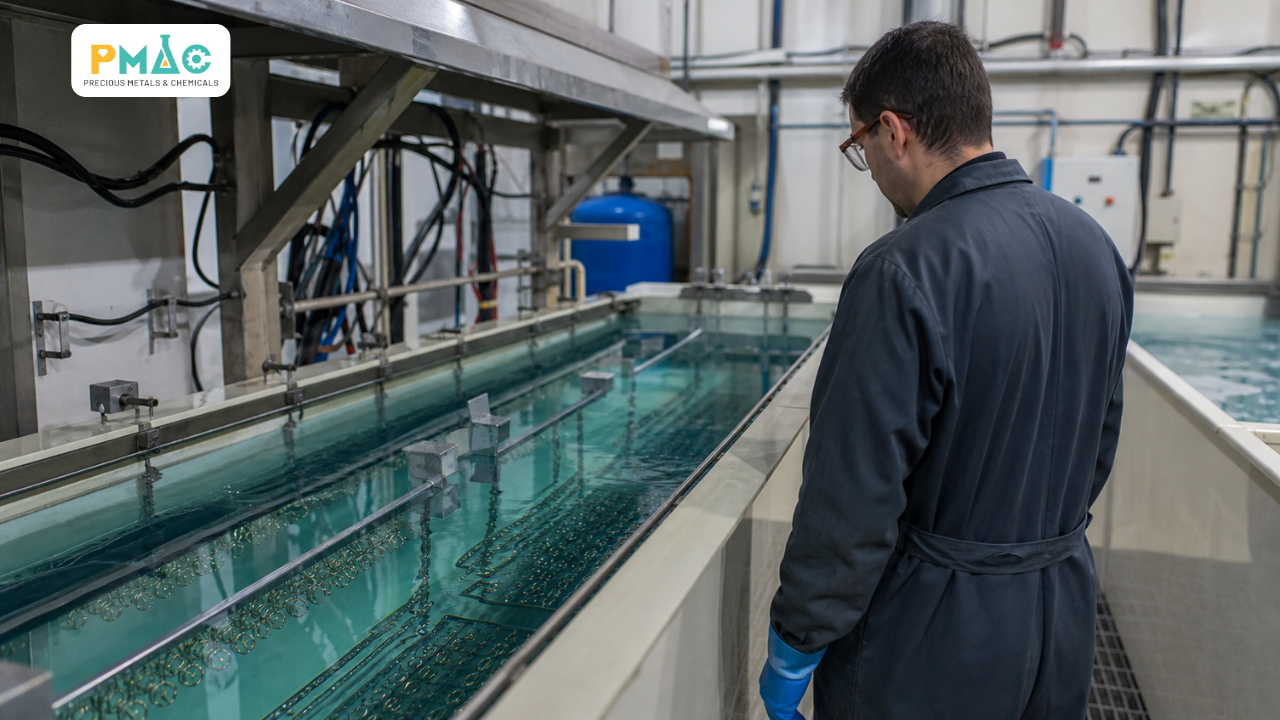
Figure 1: Every PMAC solution starts with the customer
III. From Product Supply to Quality Control Support
One of the major differences between conventional commercial transactions and relationships with industrial customers lies in data. In a factory, a measurement result is not used only to classify a material. It can also be used to control incoming materials, monitor process stability, and trace the source of deviations when problems occur.
PMAC currently provides services related to metal analysis using XRF, Fire Assay, and AAS, as well as composition testing, coating thickness measurement, and precious metal analysis for incoming materials, finished products, and scrap. When these capabilities are connected with the supply of materials, chemicals, and equipment, PMAC can work more closely with technical, QA/QC, and production management teams rather than interacting only with procurement departments.
For FDI manufacturers, this is particularly important because decisions involving material or technology changes cannot be made based solely on price and catalogue specifications. They require sufficiently reliable data to assess the potential impact on the entire production process.
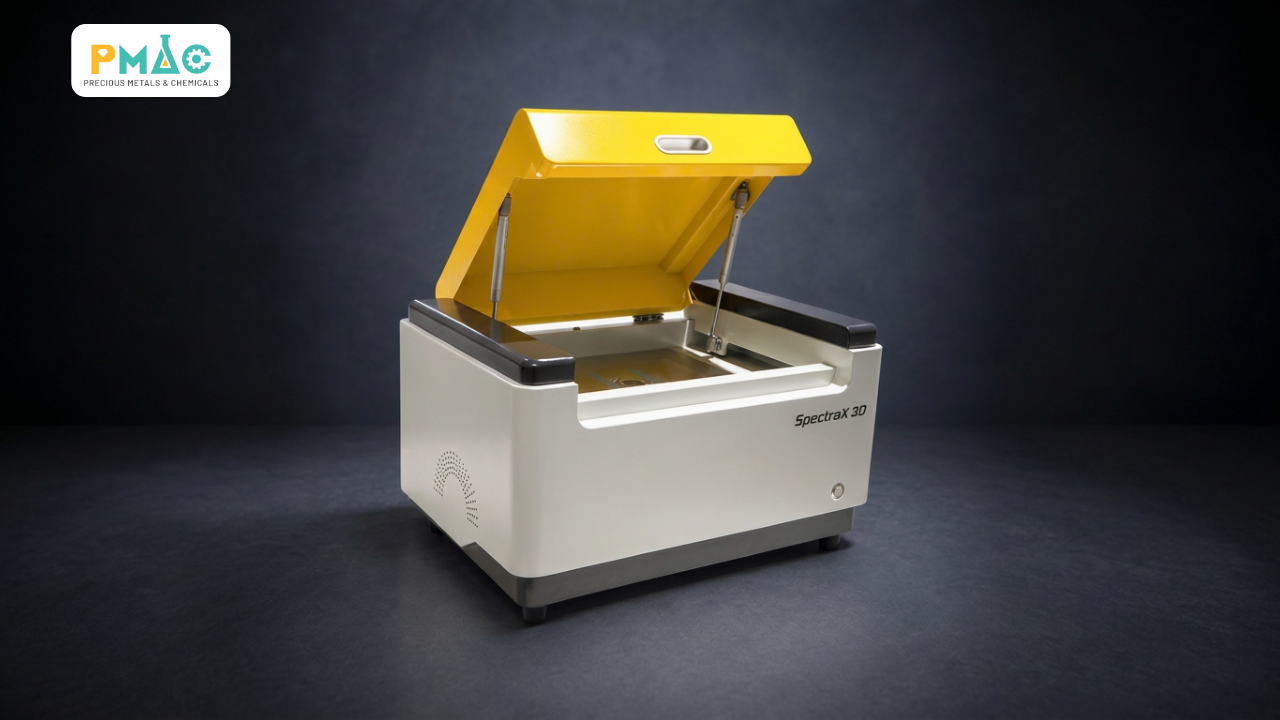
Figure 2: Metal analysis services at PMAC
IV. PMAC’s Ecosystem Is Built on Capabilities Developed Over Many Years
When PMAC refers to a technology ecosystem, it does not mean rebuilding everything from the ground up. The foundation of that ecosystem has been developed over many years of experience in precious metals, electroplating, jewellery technology, analysis and testing, precious metal recovery, and refining.
PMAC operates through multiple customer and technical touchpoints, including a customer experience center, chemical laboratory, precious metal testing laboratory, application center, and specialized warehousing system. Beyond products, PMAC has also developed capabilities in logistics, customized application research, technical training, laboratory analysis, and technical support across Vietnam, Laos, and Cambodia.
In precious metal recovery and refining, the scope also goes beyond individual pieces of equipment. It includes chemicals, equipment, turnkey projects, and precious metal collection services. From the customer’s perspective, what matters is not how many product categories PMAC offers, but how these capabilities can be connected to solve a real operational problem from beginning to end.
V. Semiconductors – A New Strategic Focus within the PMAC Ecosystem
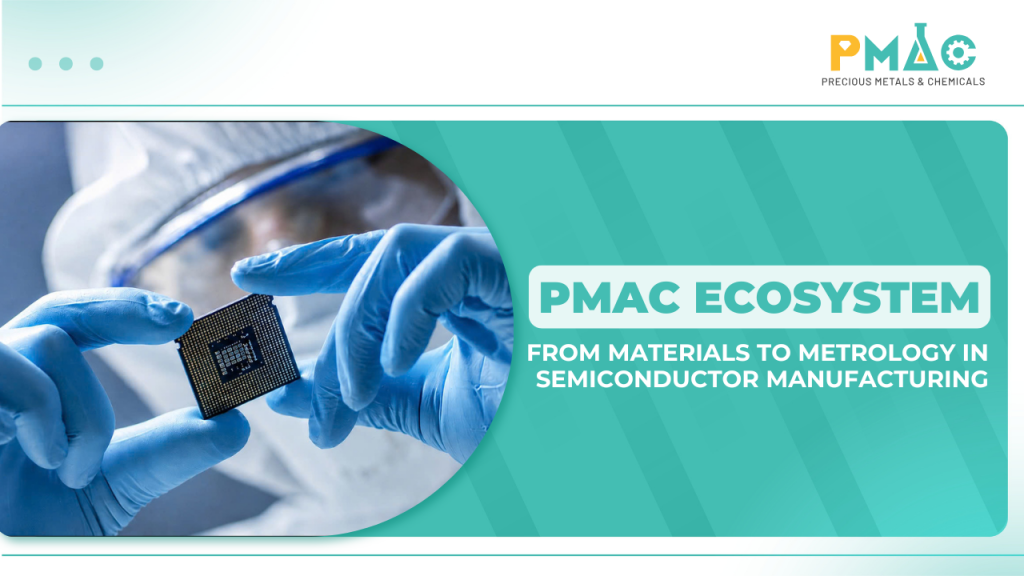
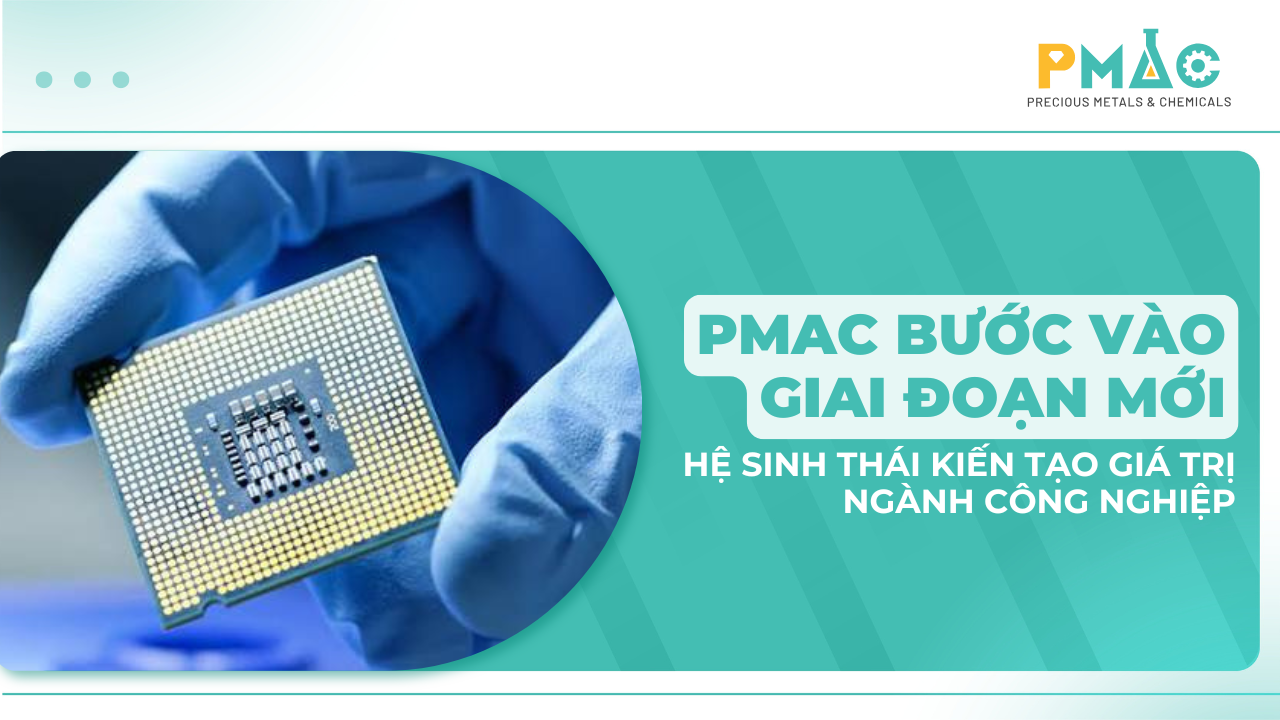
While precious metals, electroplating, analysis, and recovery form an important part of PMAC’s existing foundation, semiconductors are becoming a major new area of expansion. PMAC currently structures its semiconductor portfolio around several key groups: semiconductor substrates; materials and chemicals; manufacturing equipment; analytical and process control; assembly and advanced packaging; inspection and metrology; and factory automation.
• At the materials level, the portfolio includes Silicon, SOI, SiC, GaN, PVD materials, CVD/ALD precursors, electroplating materials, bonding materials, die attach materials, high-purity chemicals, lithography materials, and CMP consumables.
• At the equipment level, the portfolio extends from PVD, CVD, ALD, and plasma systems to wafer cleaning, thermal processing, CMP, dry etching, and electroplating.
• In analysis and metrology, the portfolio includes XRF, ICP-OES, ICP-MS, SEM, AOI, X-Ray, film thickness measurement, surface profilometry, ellipsometry, and four-point probe systems.
Semiconductors therefore do not represent a shift in PMAC’s service model. Instead, they represent an expansion of the end-to-end capabilities that PMAC has developed over many years. Building on its existing strengths in consulting, material and equipment supply, analysis, implementation, and operational support, PMAC is adding more specialized technologies to address a broader range of requirements across the semiconductor manufacturing chain.
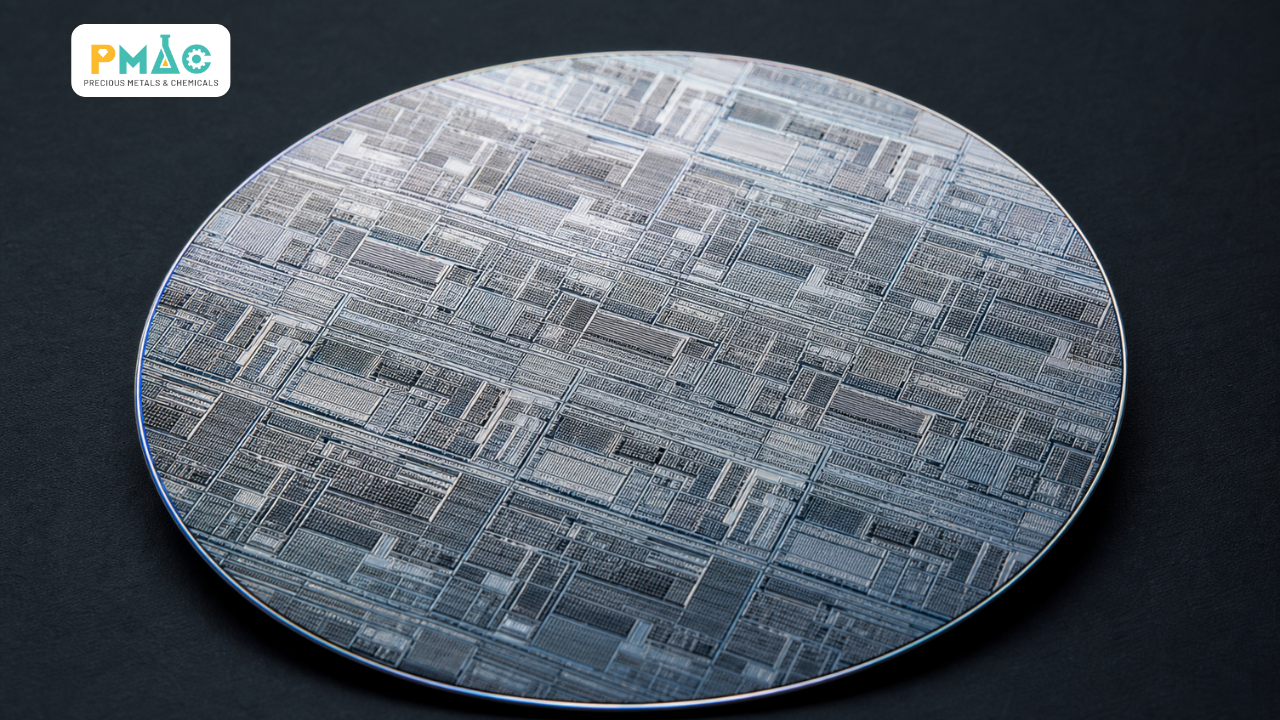
Figure 3: Semiconductors – A new strategic focus within the PMAC ecosystem
VI. FDI Customers Need a Partner That Understands Both Technology and Local Implementation
International corporations often already have supplier networks and technical standards that have been developed over many years. The advantage of a local partner in Vietnam therefore does not necessarily lie in replacing those global suppliers. Its value may come from playing a different role: reducing the gap between international technology and the practical realities of implementation at the factory level.
A technology may be developed in Europe, the United States, Japan, Korea, or another market, but when it is introduced into a factory in Vietnam, the manufacturer still needs to address a wide range of issues involving existing materials, production lines, environmental conditions, operator capabilities, maintenance, and technical support.
PMAC’s ecosystem is being developed to help bridge this gap by connecting its international partner network with the specific needs of industrial customers while maintaining local support capabilities. PMAC’s technical team supports customers across activities ranging from technical consultation and application engineering to installation, commissioning, on-site support, preventive maintenance, calibration support, and training.
These activities are often less visible at the point of equipment purchase, yet they can determine how quickly a system moves from being “purchased” to being “stable and operational.”
Follow PMAC for more insights into semiconductor packaging, testing, and materials.
PMAC Joint Stock Company
Ho Chi Minh City Office:
4th Floor, HUTECH Building, D1 Road, Saigon Hi-Tech Park, Tang Nhon Phu Ward, Ho Chi Minh City, Vietnam
Hanoi Office:
22B O2, Linh Dam Peninsula, Hoang Liet Ward, Hanoi, Vietnam
Hotline: +84 387 235 878
Facebook: PMAC