

A company with an in-house quality control laboratory, a manufacturing plant with a chemical analysis laboratory, and an independent testing service provider may all use similar analytical equipment. However, having advanced instruments or an experienced technical team does not automatically mean that the results produced by each laboratory are equally reliable.
An analytical result is truly valuable only when multiple factors are properly controlled: whether the method is suitable, whether the equipment has been correctly calibrated, whether personnel are competent, how samples are handled, whether results are traceable to measurement standards, and how the laboratory manages measurement errors. This is where ISO/IEC 17025 becomes important.
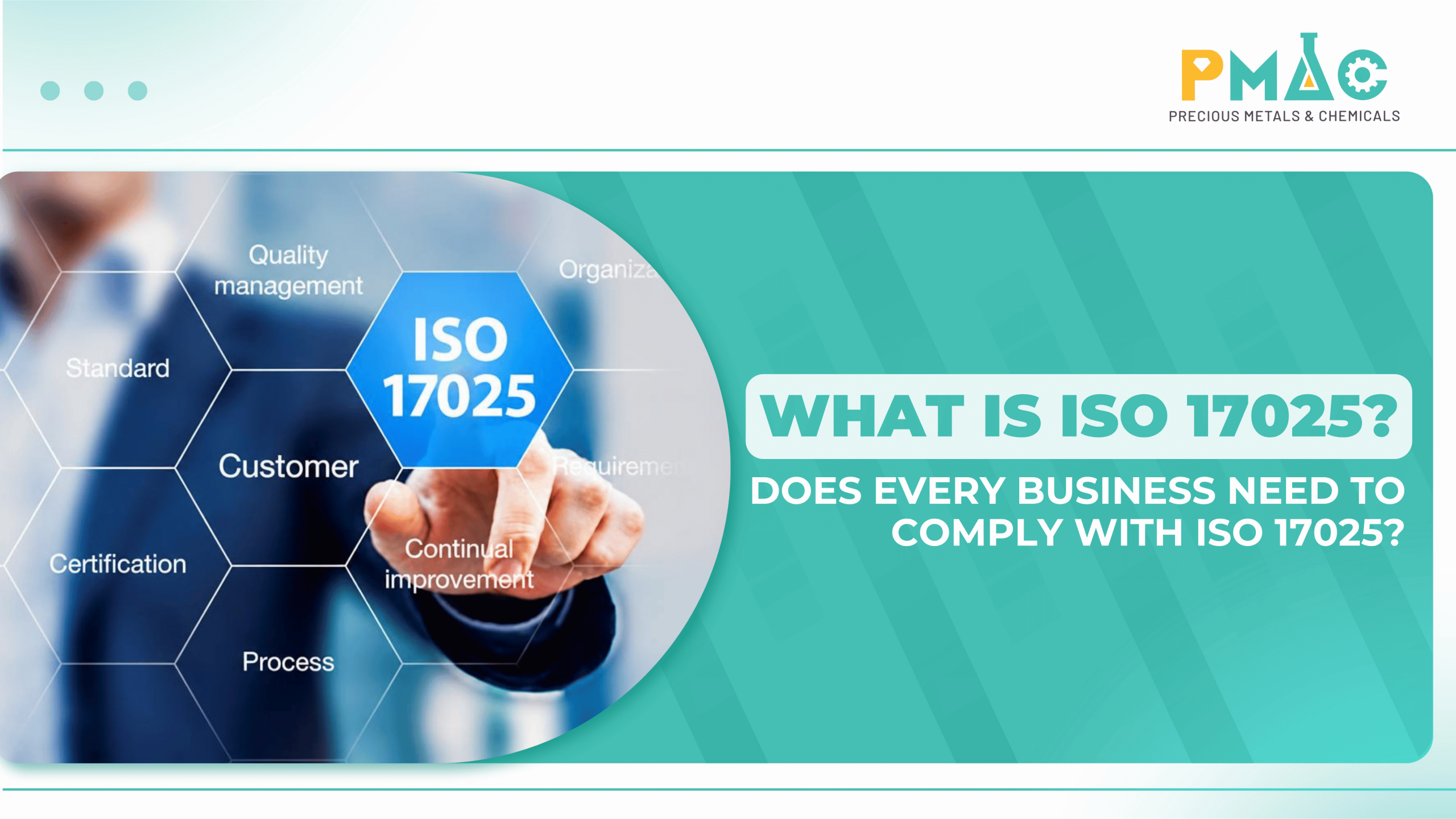
According to the International Organization for Standardization – ISO, ISO/IEC 17025 is the international standard that specifies requirements for the competence, impartiality, and consistent operation of testing and calibration laboratories. This leads to a common question: if ISO/IEC 17025 is so important, does every business involved in quality testing have to apply it? The answer is no. To understand why, it is first necessary to understand exactly what ISO/IEC 17025 evaluates.
I. What Is ISO 17025?
The full title of the standard is ISO/IEC 17025 – General requirements for the competence of testing and calibration laboratories.
In Vietnam, the equivalent national standard is issued as TCVN ISO/IEC 17025:2017. The standard is not limited by laboratory size or by whether the laboratory belongs to a private company, government agency, or independent organization. What matters is that the organization carries out testing, calibration, or sampling associated with subsequent testing or calibration activities.
Therefore, when people say that “a company applies ISO 17025,” a more accurate interpretation is that the company’s laboratory develops and operates a system in accordance with ISO/IEC 17025.
This differs from management standards that are generally applied at the organizational level. ISO/IEC 17025 focuses specifically on the laboratory’s ability to produce valid testing and calibration results, rather than simply evaluating how records or procedures are managed.
II. What Does ISO 17025 Control in a Laboratory?
A laboratory may own highly advanced analytical instruments, yet its results can still be inaccurate or lack repeatability if the method has not been validated, samples are contaminated, equipment is not properly calibrated, or operators lack sufficient competence. ISO/IEC 17025 therefore approaches the laboratory as a complete system, rather than focusing solely on equipment.
The structure of ISO 17025 includes groups of requirements covering impartiality and confidentiality; structural requirements; resources; testing and calibration processes; and the management system. Vietnam’s Bureau of Accreditation (BoA) also organizes ISO/IEC 17025 requirements around general requirements, resources, processes, and management systems.
In practice, these requirements address very specific issues. Personnel must have appropriate competence for their assigned responsibilities; equipment must be properly managed, maintained, and calibrated; methods must be suitable and, where necessary, validated or verified; environmental conditions must be controlled when they can affect measurements; results must be traceable; and laboratories must monitor result quality through activities such as control samples, proficiency testing, or interlaboratory comparisons.
These requirements can be seen clearly in instrument-based analysis. For example, with XRF, the reliability of a result depends on more than the instrument configuration. It is also influenced by the measurement method, equipment condition, calibration, reference materials, and how performance is monitored over time. Companies can learn more about the principle and applications of this method in PMAC’s article What Is XRF Technology?
The BoA also identifies important technical factors in ISO/IEC 17025 assessment, including method validity, personnel competence, metrological traceability, equipment, sample handling, quality assurance, and result reporting.
In other words, ISO 17025 does not simply evaluate and control laboratory equipment. It addresses a broader question: is the entire system capable of producing reliable results?
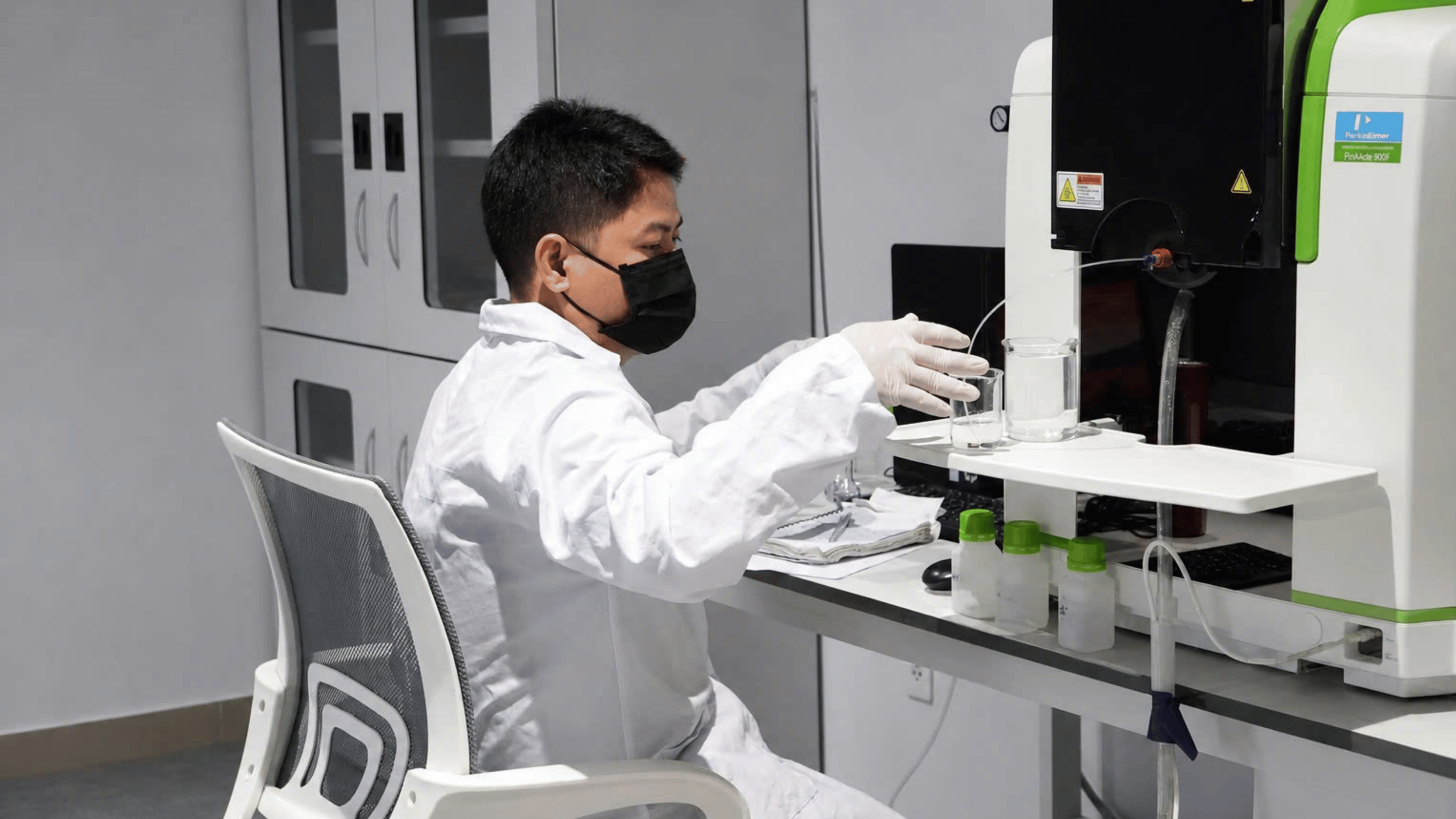
Figure 1. ISO 17025 evaluates personnel competence, equipment, methods, and the ability to control testing results as an integrated system
III. How Is ISO 17025 Different from ISO 9001?
This is one of the most common areas of confusion. ISO 9001 focuses on an organization’s quality management system, while ISO/IEC 17025 focuses directly on the competence of a testing or calibration laboratory, covering both management and technical requirements.
| ISO 9001 | ISO/IEC 17025 | |
| Primary scope | Organization / company | Testing and calibration laboratory |
| Main focus | Quality management system | Technical competence + management system |
| Equipment and calibration | Managed at the system level | Detailed requirements for suitability, calibration, and metrological traceability |
| Test methods | Not the primary focus | Must be appropriately selected, verified, or validated |
| Technical competence of personnel | Addressed at the system level | Assessed specifically according to laboratory activities |
| Measurement uncertainty | Not a general core requirement | An important technical consideration where applicable |
| Testing results | Does not directly demonstrate competence for individual tests | Accreditation is linked to a defined scope of tests or calibrations |
A company that has implemented an ISO 9001 quality management system therefore does not automatically have a laboratory that meets ISO/IEC 17025 requirements, and vice versa. ISO 9001 considers quality at the organizational level, while ISO 17025 goes deeper into the capability to generate reliable testing and calibration results.
To better understand how ISO 9001 manages quality at the organizational level, see PMAC’s article What Is ISO 9001? Why Must Quality Be Managed as a System?.
IV. Who Assesses and Accredits Laboratories to ISO 17025?
A common misconception is that ISO itself evaluates organizations and issues certificates once they meet the requirements of a standard. In reality, ISO is the organization that develops and publishes standards; it does not directly visit laboratories to issue “ISO certificates.” ISO itself also states that it does not perform certification.
A laboratory is assessed by a competent accreditation body against ISO/IEC 17025 requirements covering both its management system and technical competence. More importantly, accreditation is not a general approval covering every activity performed by the laboratory. It applies to a defined scope that specifies the accredited tests, calibrations, methods, and applicable objects or materials.
In Vietnam, VILAS – Vietnam Laboratory Accreditation Scheme is the laboratory accreditation program operated by the Bureau of Accreditation. VILAS uses ISO 17025 as the assessment standard and provides accreditation in areas including chemistry, biology, pharmaceuticals, electrical and electronics, mechanical testing, construction materials, non-destructive testing, and measurement and calibration.
V. What Does VILAS Mean for Testing Results in Vietnam?
One of the main purposes of laboratory accreditation is to establish confidence in results across companies, organizations, and markets. According to BoA, VILAS participates in the mutual recognition arrangements of APAC and ILAC, allowing accreditation results to be recognized more widely among accreditation bodies within international networks. This can reduce the need for repeated assessment or testing and support cross-border trade.
ISO highlights the same benefit: when laboratory competence is recognized under a common framework, test reports and calibration certificates are more likely to be accepted across countries, reducing the need for duplicate testing.
This is particularly important for manufacturers serving international supply chains, where customers may require analytical results from an accredited laboratory rather than relying solely on internal inspection reports.
VI. Does Every Business Have to Apply ISO 17025?
There is no general requirement that every business must apply or obtain ISO/IEC 17025 accreditation. According to BoA, accreditation may be required by regulators, industry organizations, local requirements, or customers. Whether ISO 17025 is mandatory therefore needs to be evaluated according to the specific activity and industry, rather than assuming that every company must have it.
For example, a manufacturing plant with an internal laboratory used only to monitor production may choose to develop its system according to ISO 17025 to improve data reliability. Whether the laboratory needs formal accreditation will depend on legal requirements, customer expectations, and the company’s own strategy.
In contrast, ISO 17025 can become a mandatory condition in certain regulated activities. For example, current regulations for specialized construction testing organizations require compliance with the general requirements of TCVN ISO/IEC 17025:2017 or ISO/IEC 17025:2017 together with the relevant sector-specific requirements.
Whether a business or laboratory needs ISO 17025 accreditation therefore depends on how its testing results are used and whether that intended use requires the laboratory to be formally accredited.
VII. When Should a Business Consider ISO 17025 Even If It Is Not Mandatory?
Even where there is no direct legal requirement, ISO 17025 can still provide significant value when laboratory data directly influences manufacturing decisions or commercial transactions.
Consider a metal analysis laboratory as an example. If XRF or ICP results are used to determine the content of gold, silver, palladium, or other elements before raw materials are valued, even a small analytical deviation can create a significant economic difference. In such an environment, the company needs more than a high-accuracy instrument. It needs a system that ensures sampling, sample preparation, calibration, measurement, data processing, and result reporting are all controlled and traceable for each measurement.
The same applies to electronics and semiconductor manufacturing, where analytical data may be used to control chemical purity, material composition, metallic coatings, or product quality. When process decisions depend on laboratory data, measurement reliability becomes part of the company’s manufacturing capability.
This requirement becomes even more important in high-technology supply chains. A supplier must demonstrate more than the ability to produce one sample that meets specifications; it must maintain stable quality, control measuring equipment and laboratory data, ensure traceability, and manage changes in the production process. PMAC has explored this gap between “having a compliant product” and “being capable of becoming a qualified supplier” in the article Why Do Vietnamese Companies Struggle to Enter the Semiconductor Supply Chain?.
A company may therefore not need ISO 17025 accreditation from the beginning, but it can still use the standard as a framework for building a more systematic and professional laboratory, then pursue formal accreditation later when market, customer, or regulatory requirements arise.
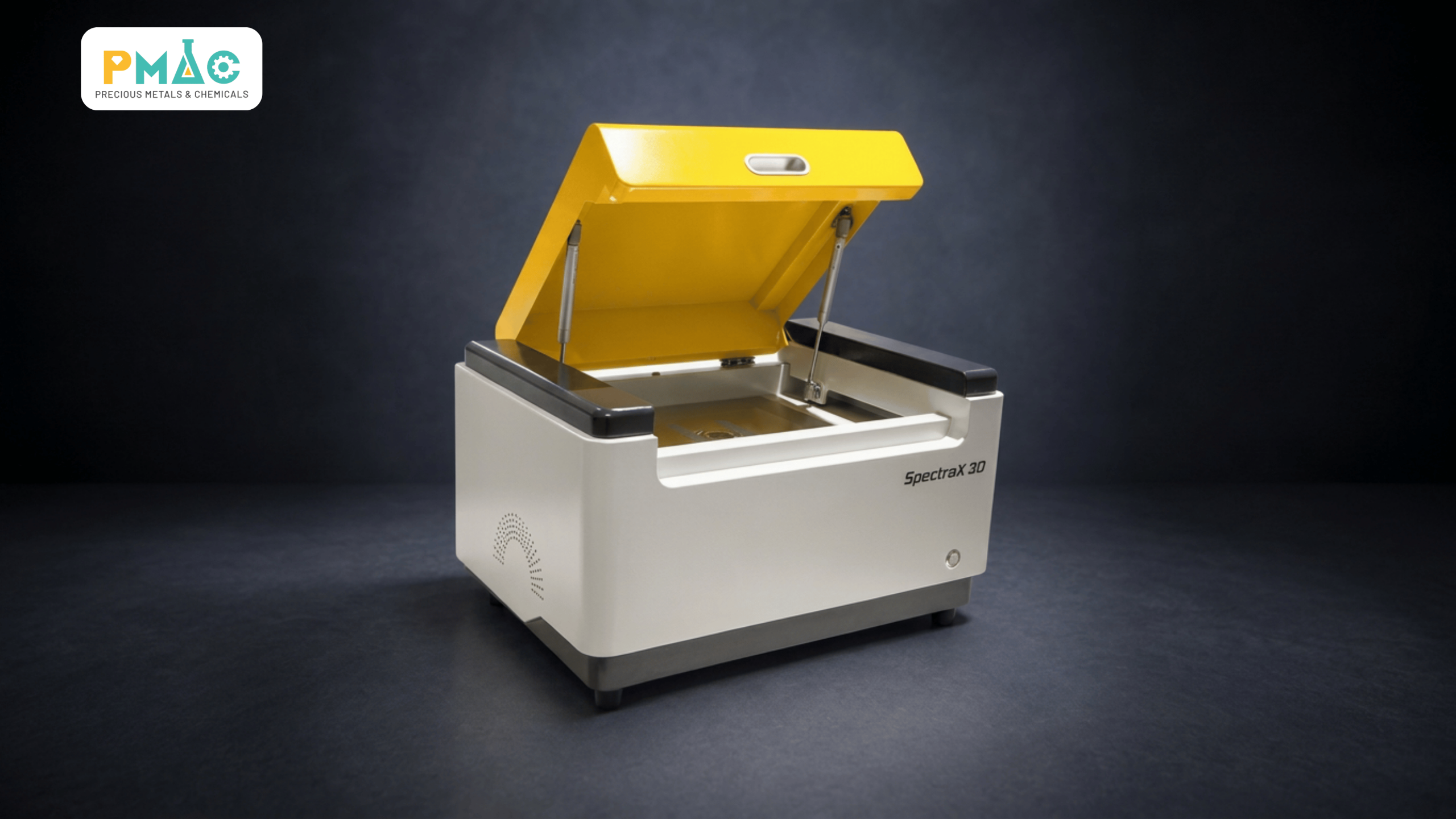
Figure 2. Analytical equipment is one part of the overall quality control system in a laboratory
VIII. Does Building an ISO 17025-Oriented Laboratory Simply Mean Buying Compliant Equipment?
This is another common misconception. ISO 17025 does not recognize a laboratory simply because it owns XRF, ICP-OES, ICP-MS, AAS, or other advanced analytical instruments. Equipment is only one component of the entire system.
A laboratory developed in line with ISO 17025 needs to consider laboratory layout and environmental conditions, analytical methods, standards and reference materials, equipment calibration, personnel competence, sample preparation, metrological traceability, quality control, data, and documentation systems.
This is also reflected in BoA training programs. In addition to ISO/IEC 17025 itself, training topics include management system documentation, method selection and validation, measurement uncertainty, assurance of result validity, and internal audits.
For this reason, building a laboratory should not begin with a list of equipment to purchase. The company first needs to define the tests to be performed, measurement objectives, required accuracy, methods, standards, environmental conditions, and how the resulting data will be used in quality control. Equipment delivers its full value only when it operates within a properly designed system.
This approach is also part of the broader direction of the PMAC industrial ecosystem, where materials, equipment, analytical and metrology solutions, and technical support are connected around the practical requirements of each manufacturing process.
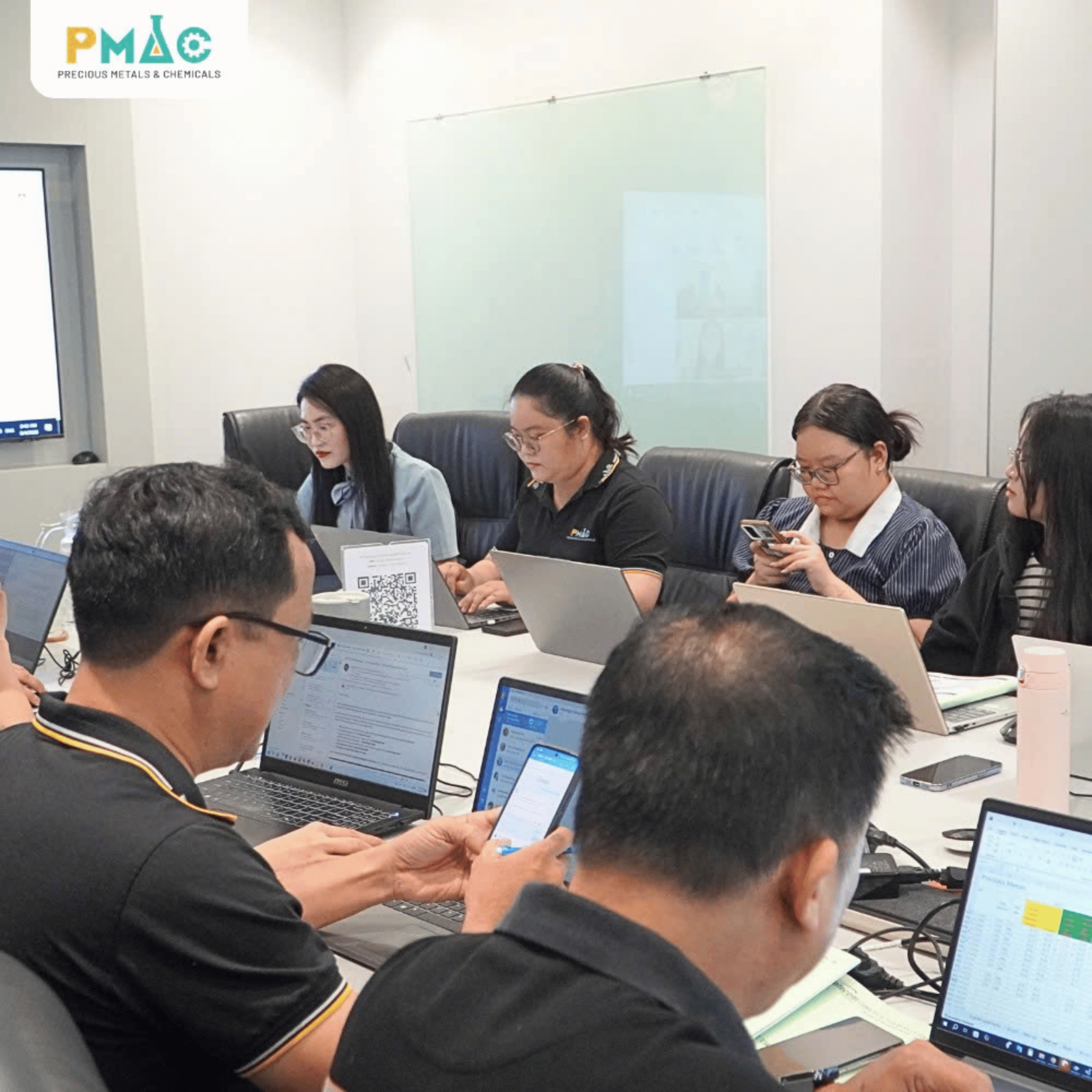
Figure 3. Personnel competence and the management system are important elements of ISO 17025
IX. Conclusion
ISO 17025 is often viewed simply as a “standard to achieve” or as an end goal. Its practical value, however, goes deeper: it establishes the principles that give customers and markets a basis for trusting the analytical results produced by laboratories.
Not every company needs an ISO 17025-accredited laboratory. Some companies may only require internal testing, while others need results that are accepted by international customers. In certain regulated industries, compliance with ISO 17025 may also become a necessary condition.
Companies should therefore begin by clarifying three points: what purpose does the laboratory serve, who will use the results, and how much confidence must the laboratory be able to demonstrate? Once these questions are clearly answered, the decision to build a laboratory according to ISO 17025 or pursue formal accreditation becomes much more grounded.
For companies developing or upgrading their analytical capabilities, PMAC approaches laboratory development by connecting equipment, consumables, sample preparation technologies, and analytical and metrology solutions with the practical requirements of each test. This also provides an important foundation for companies seeking to standardize laboratory operations in line with ISO/IEC 17025 rather than investing in individual instruments in isolation.
PMAC Joint Stock Company
Ho Chi Minh City Office:
4th Floor, HUTECH Building, D1 Road, Saigon Hi-Tech Park, Tang Nhon Phu Ward, Ho Chi Minh City, Vietnam
Hanoi Office:
22B O2, Linh Dam Peninsula, Hoang Liet Ward, Hanoi, Vietnam
Hotline: +84 387 235 878
Facebook: PMAC