

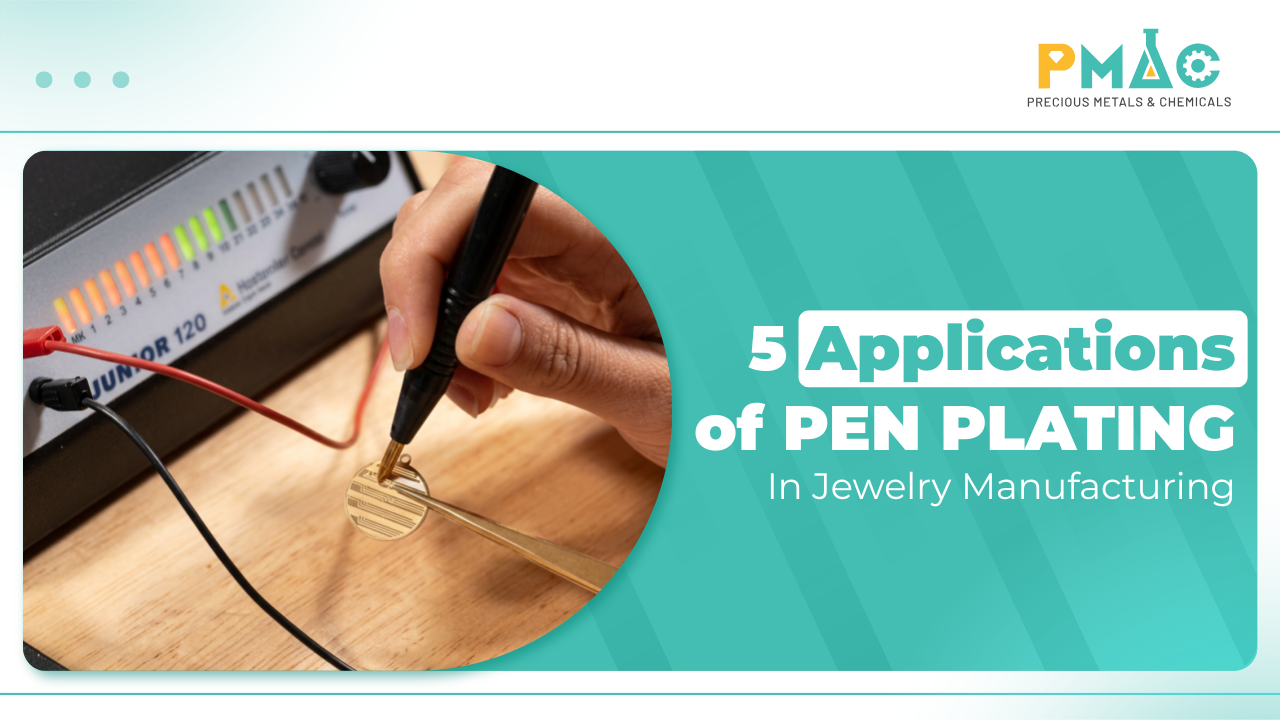
In the world of high-end jewelry, sophistication is not only defined by gemstones. It also comes from the fine details crafted by skilled artisans. Intricately engraved and “colored” details create the highlights that make jewelry stand out. So how do craftsmen achieve such precise decorative effects? The answer lies in the pen plating technique (also known as brush plating).
So, what exactly is pen plating and how is it applied in jewelry manufacturing? This article provides a comprehensive overview of pen plating, from its concept and important considerations to its practical applications in jewelry production.
I. What Is the Nature of Pen Plating Technology?
Pen plating is an electroplating method that uses an electric plating pen. Instead of immersing the entire product into a plating bath like conventional electroplating methods, craftsmen use a specialized electric pen to apply plating only to desired areas.
Structure: A pen plating system consists of a power supply unit, a plating pen body (connected to the positive electrode), and an alligator clip connected to the jewelry piece (negative electrode).
Working principle: First, the pen tip is dipped into the plating solution. When the tip touches the jewelry surface, a closed electrical circuit is created. Under the influence of direct current, metal ions in the solution precipitate and adhere tightly as a thin, smooth coating exactly where the pen moves. As a result, plating layers are formed on specific surface details.
See more: What is Pen Plating?
II. The 5 Most Common Applications of Pen Plating in Jewelry and Handicraft Manufacturing
Thanks to its flexibility and versatility, pen plating is becoming increasingly important in the jewelry industry. This technique is widely used to enhance both the value and aesthetic appeal of products. The applications of pen plating in jewelry manufacturing include:
1. Creating Multiple Colors on a Single Product
This is the most common application of pen plating in jewelry manufacturing. Modern jewelry trends strongly favor creativity and colorful designs. Instead of masking and replating multiple times for different sections — a time-consuming process — pen plating allows craftsmen to save time by directly applying plating with the plating pen.
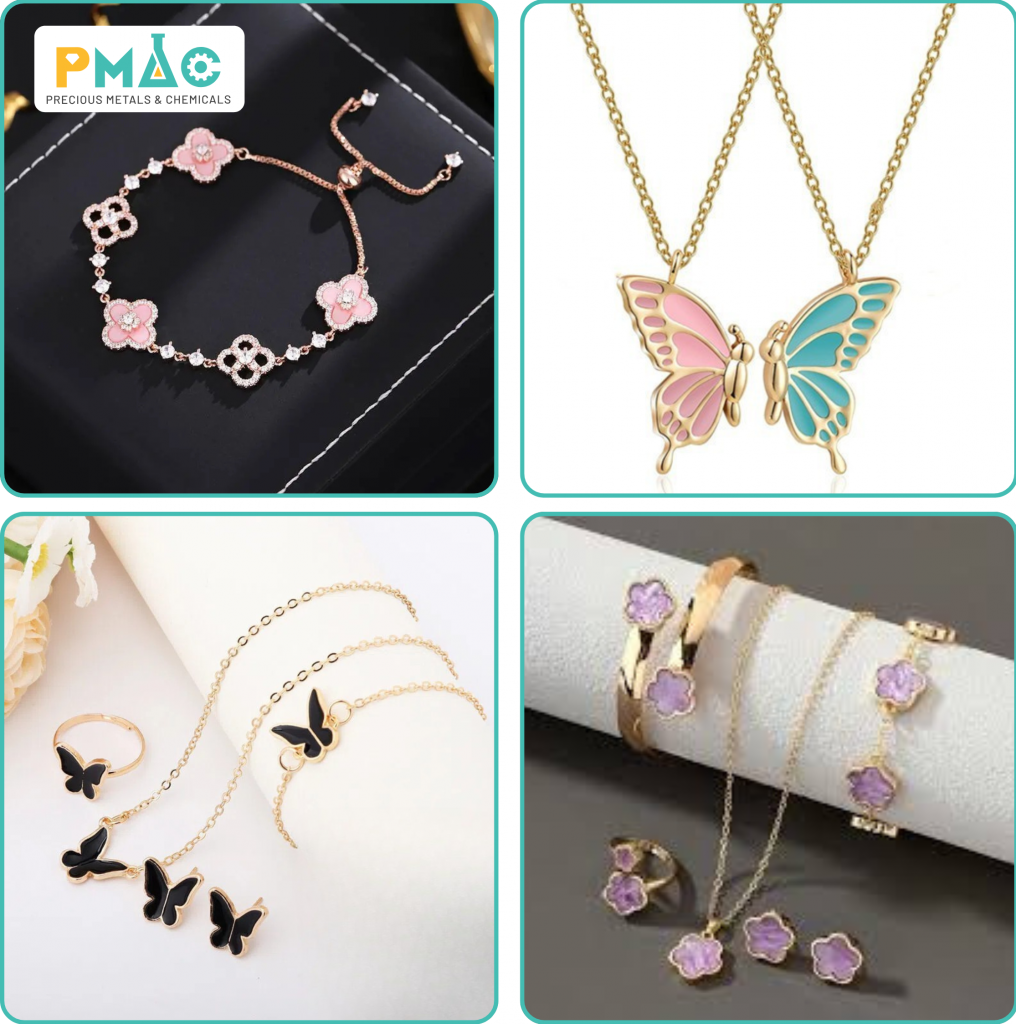
Image 1: Application of Multi-Color Plating on a Product
2. Highlighting Tiny Patterns with Light and Dark Effects
In the past, jewelry pieces with intricate engraved patterns were always challenging for electroplating craftsmen. Traditional plating methods would coat patterns evenly, causing the product to lose depth and detail.
With its small and flexible plating tip, pen plating completely solves this issue. Craftsmen can plate recessed grooves or add color to raised patterns while maintaining the product’s depth and dimensional effect after finishing.
3. Creating Vintage and Gothic Styles with Black Plating
To create dark decorative details, craftsmen use black plating solutions. Combined with pen plating techniques, these solutions are commonly applied to silver or white gold surfaces.
Black-plated patterns combined with shiny surfaces create unique visual contrasts. These products often carry a mysterious and highly personalized appearance, making them especially popular in men’s jewelry or among customers pursuing vintage and gothic styles.
4. Repairing, Touching Up, and Correcting Post-Production Defects
After finishing, jewelry products may experience plating peel-off issues. This commonly occurs during polishing or gemstone setting processes that affect the plated surface.
Instead of stripping the entire original plating layer and replating the whole product, craftsmen can use a plating pen to restore only the damaged areas. This process not only saves chemicals but also significantly reduces production time.
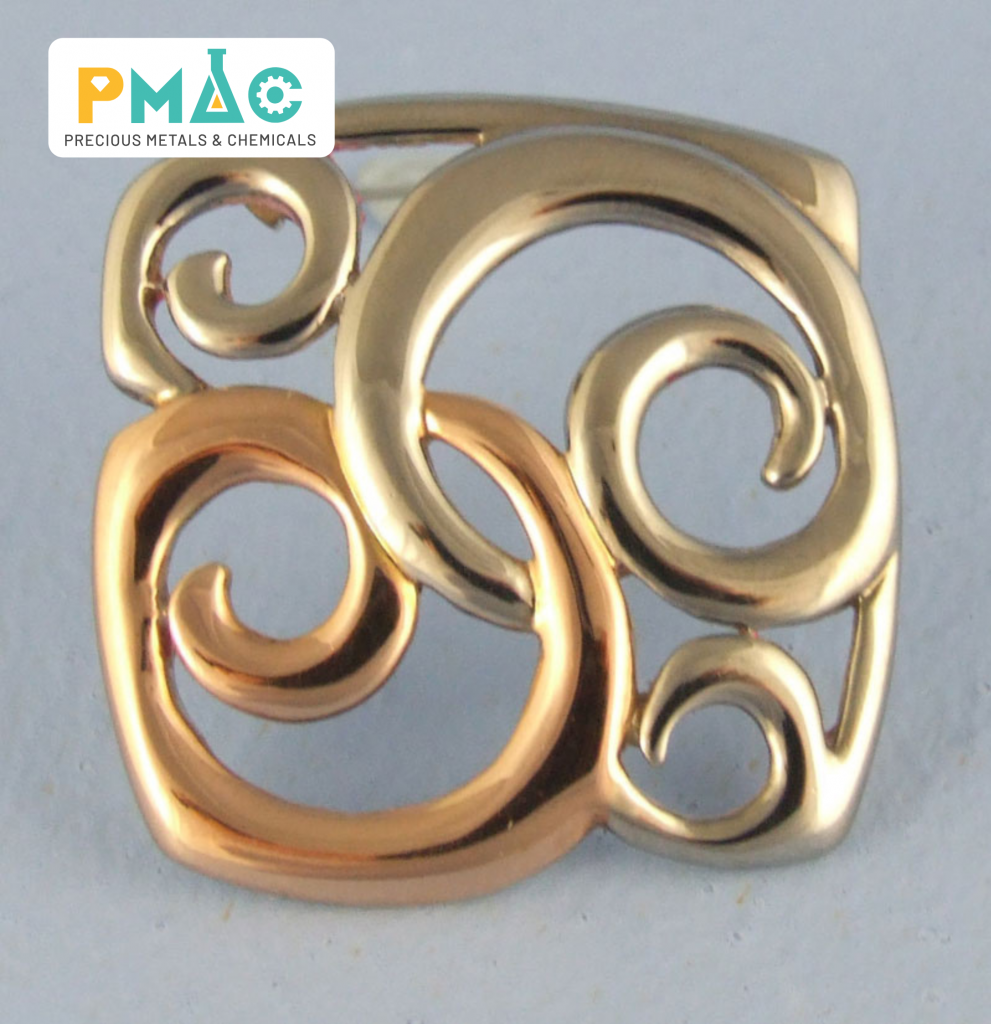
Image 2: Repairing Defects on the Product Surface
5. Manufacturing Luxury Accessories
Pen plating is not only applied in jewelry manufacturing but is also widely used in industrial production workshops. Typical applications include plating watch markers, watch hands, or gears in mechanical movements.
This technique is also commonly used for luxury accessories, especially for decorative details such as pen clips or brand logos on eyeglass frames.
III. Why Is Pen Plating a Breakthrough and Irreplaceable Technology?
1. Optimizingthe Production Process
With conventional tank plating methods, each plating cycle can usually create only one single color. Producing multi-colored products was extremely difficult in the past. Craftsmen had to repeatedly change solutions, apply masking coatings, and replate different areas.
However, these methods also carried risks such as color bleeding and plating peel-off. Pen plating allows craftsmen to apply different colors precisely onto the same detail with exceptional accuracy.
2. Cost Efficiency
Preparing a plating bath often requires a large amount of plating chemicals. For small details, this amount becomes extremely wasteful.
Pen plating only requires a minimal amount of solution for the plating process. This greatly reduces chemical waste and minimizes material loss, helping manufacturers save costs.
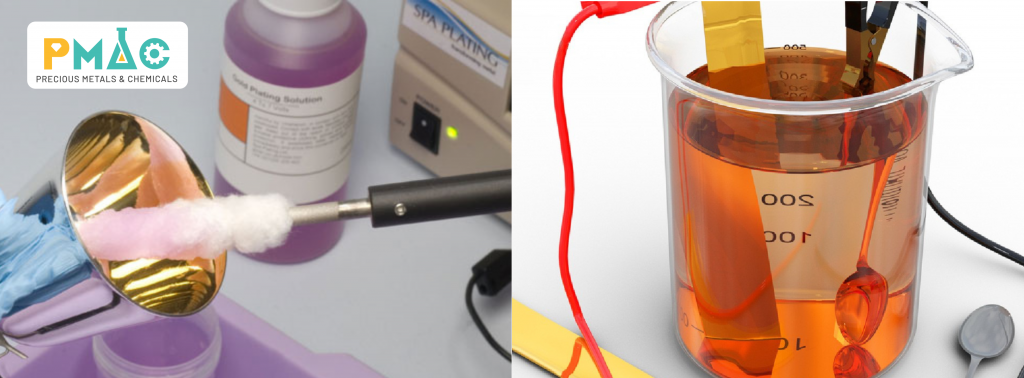
Image 3: Comparison Between Conventional Electroplating and Pen Plating
3. High Safety Level
Typically, gemstone setting is performed after electroplating has been completed. However, the stone-setting process may damage or peel off the plating layer.
Certain sensitive materials also cannot be directly immersed in plating baths due to chemical reactions. Pen plating does not directly affect gemstones on the product. Using a plating pen helps ensure that chemicals do not come into contact with gemstone surfaces while still achieving perfect color coverage on the desired details.
Conclusion
Pen plating is becoming a revolutionary solution for the jewelry industry. It is not only a decorative technique but also plays an important role in enhancing the aesthetic value and uniqueness of jewelry products.
From creating color effects and emphasizing decorative patterns to increasing the sophistication of tiny details, pen plating has become an indispensable application in modern jewelry manufacturing.
PMAC Joint Stock Company
HCM: High-Tech Center, 4th Floor, HUTECH Building, D1 Street, High-Tech Park, Tang Nhon Phu Ward, Ho Chi Minh City
HN: No. 22B O2, Linh Dam Peninsula, Hoang Liet Ward, Hanoi
Hotline: (+84) 908 727 235
Fanpage: PMAC