

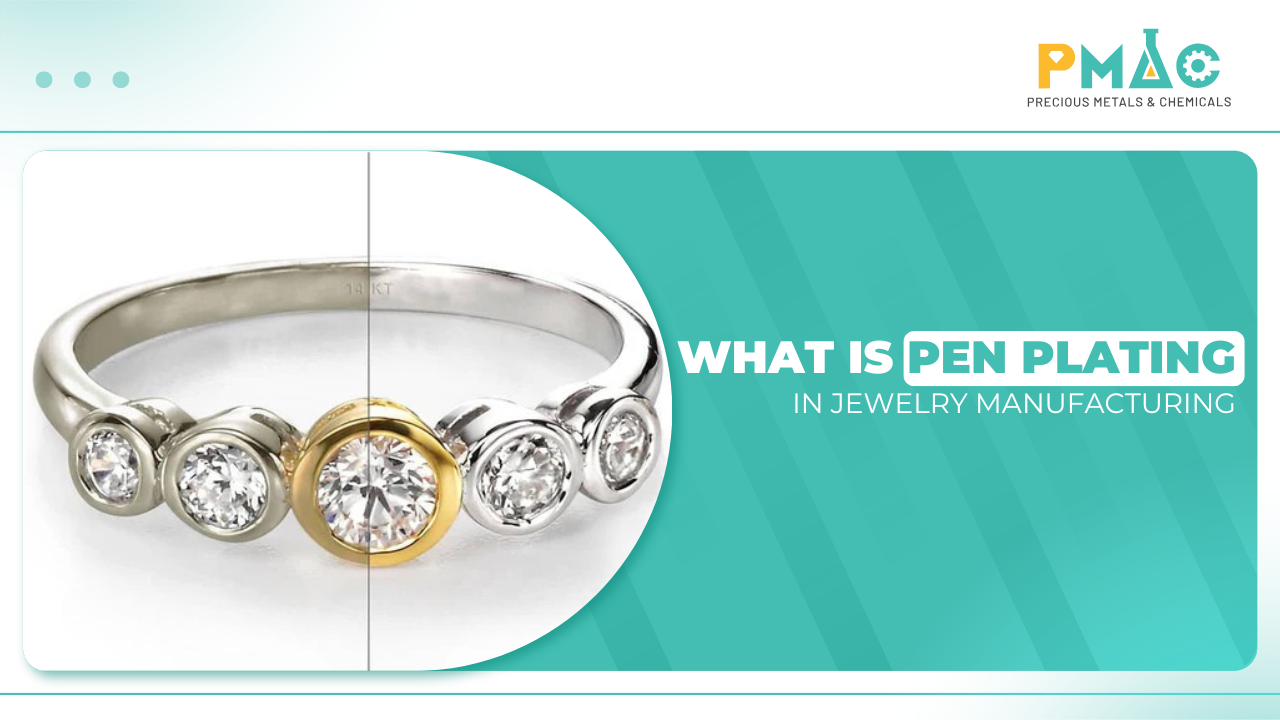
In the jewelry industry, aesthetics play a key role in determining the value of a product. Besides processes such as polishing and engraving, pen plating is an extremely important finishing technique. Pen plating helps jewelry stand out with highly precise and diverse color details.
In the article below, PMAC provides an overview of pen plating and especially the process involved in this technique within the jewelry industry.
I. What Is Pen Plating?
1. Definition
Pen plating is a localized electroplating technique commonly used in the jewelry industry. This process is designed to highlight small details on the surface of jewelry pieces. Instead of coating the entire product like conventional plating methods, pen plating uses plating solutions combined with a plating pen or specialized equipment to apply plating precisely to selected areas.
Pen plating is often used to create patterns or embossed/debossed decorative details. This technique allows craftsmen to “draw” plating layers onto specific parts of the jewelry. These details help enhance sharpness and improve the overall aesthetics of the product.
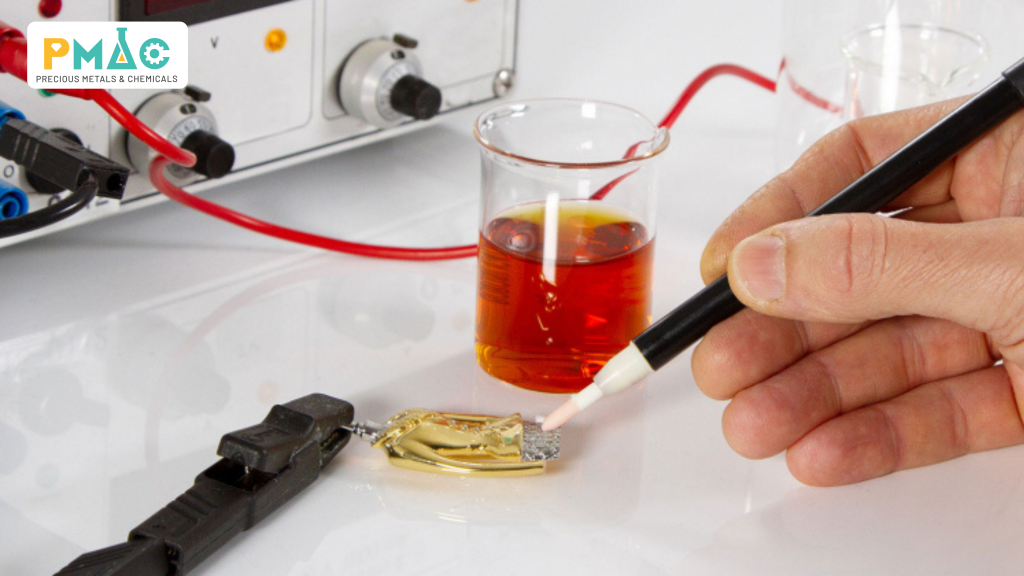
Image 1: Application of Pen Plating in Jewelry Manufacturing
2. Common Plating Chemicals Used
In pen plating technology, the choice of plating solution greatly affects the color and durability of the product. Each type of plating solution is suitable for different details and manufacturing requirements.
- Gold plating: This is the most commonly used plating solution in pen plating. Gold plating gives jewelry an eye-catching and luxurious appearance. Craftsmen often use gold plating to decorate patterns, jewelry edges, or small details that need to stand out.
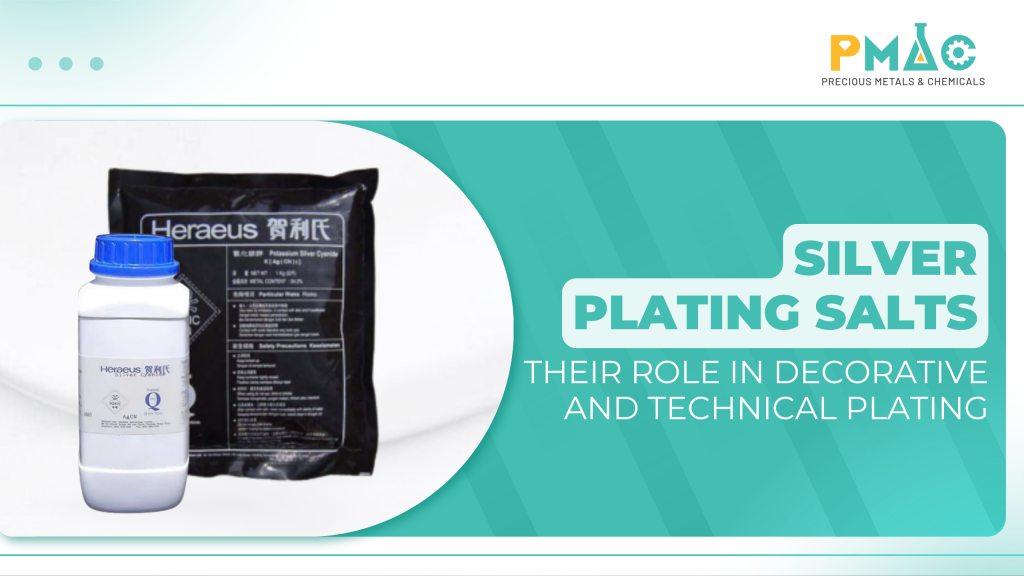
See more: Gold plating solutions
- White plating (white rhodium): White rhodium creates a bright, highly reflective white coating. It has become increasingly popular thanks to its anti-tarnish properties, scratch resistance, and high durability. White rhodium is often applied to highlight details surrounding gemstones or to create bright white effects on gold jewelry.
- Black plating (black rhodium): In practice, black rhodium and white rhodium share similar properties. Black rhodium also provides oxidation resistance, scratch protection, and excellent durability. However, black rhodium creates a deep black coating, making it ideal for jewelry with a classic or masculine style.
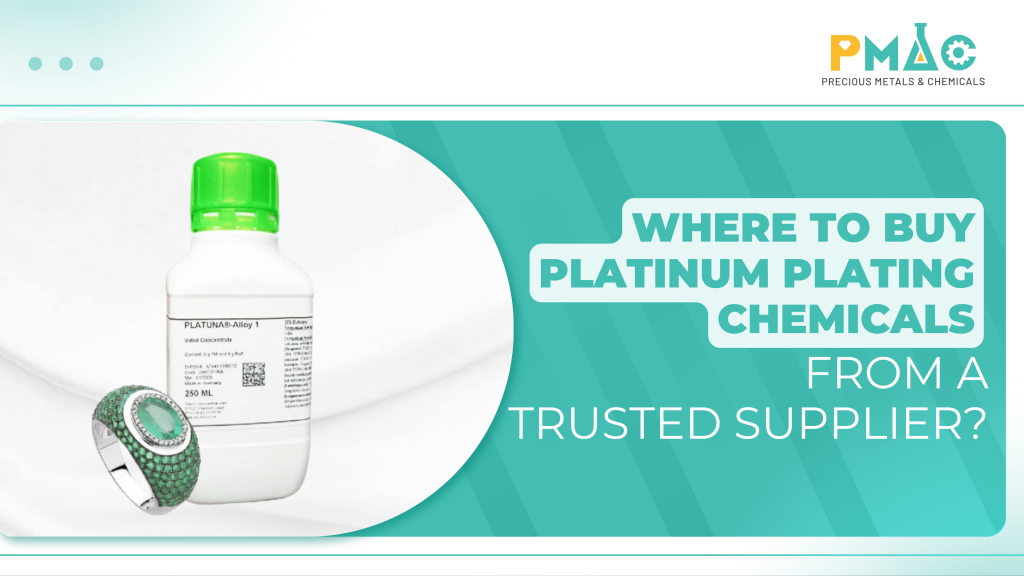
See more: Rhodium plating solutions (black/white)
- Silver plating: Silver plating creates a natural white tone and enhances the brightness of plated details. This type of plating is often used on small decorative areas to create metallic effects or combine multiple colors within a jewelry design.
See more: Silver plating solutions
II. The Jewelry Pen Plating Process
To achieve an effective, aesthetically pleasing, and durable pen plating layer, the process must follow proper technical standards. Below are the basic steps involved in pen plating for jewelry manufacturing.
1. Cleaning the Jewelry Surface
This is the most important step because it directly affects the durability of the plating layer. Proper surface cleaning helps the plating adhere evenly and reduces the risk of peeling.
This process includes:
- Removing dirt and impurities from the jewelry surface
- Polishing the product (if necessary)
- Cleaning with specialized solutions or ultrasonic cleaning machines
2. Preparing the Plating Solution
Depending on the desired result, the craftsman will select a suitable plating solution, including:
- Gold plating
- Silver plating
- Rhodium plating (white/black)
In addition to selecting the correct plating solution for the desired color and effect, the solution must also be mixed according to the manufacturer’s recommended ratio. Incorrect concentration levels may lead to issues such as uneven plating or a layer that is too thin, affecting both adhesion and long-term durability.
3. Performing the Pen Plating Process
At this stage, the craftsman uses a plating pen to apply the plating layer onto the desired details. It is important to choose a pen with the appropriate power source compatible with the plating solution to achieve the best possible result.
Pen plating requires high craftsmanship and precision. The craftsman must ensure that the plating layer is even, sharp, and does not spread onto unintended areas.
4. Drying and Finishing the Product
After pen plating, the product must be treated and dried to stabilize the plating layer. This process helps ensure maximum shine and durability.
First, the jewelry is thoroughly rinsed to remove any remaining chemicals or plating solution from the surface. This step prevents chemical residue from damaging the plating layer.
Next, the product is dried using specialized drying equipment for plating applications. During this stage, the temperature must be carefully controlled. Excessive heat may alter the plating color or reduce durability.
In some cases, the product may undergo additional polishing after drying to achieve the highest level of aesthetic quality.
5. Inspecting the Plating Quality
Finally, after completing all the above steps, the product undergoes a final inspection. The jewelry must meet the following standards before being displayed or sold:
- The plating layer is even and visually appealing
- The plating does not peel off
- The color is consistent throughout
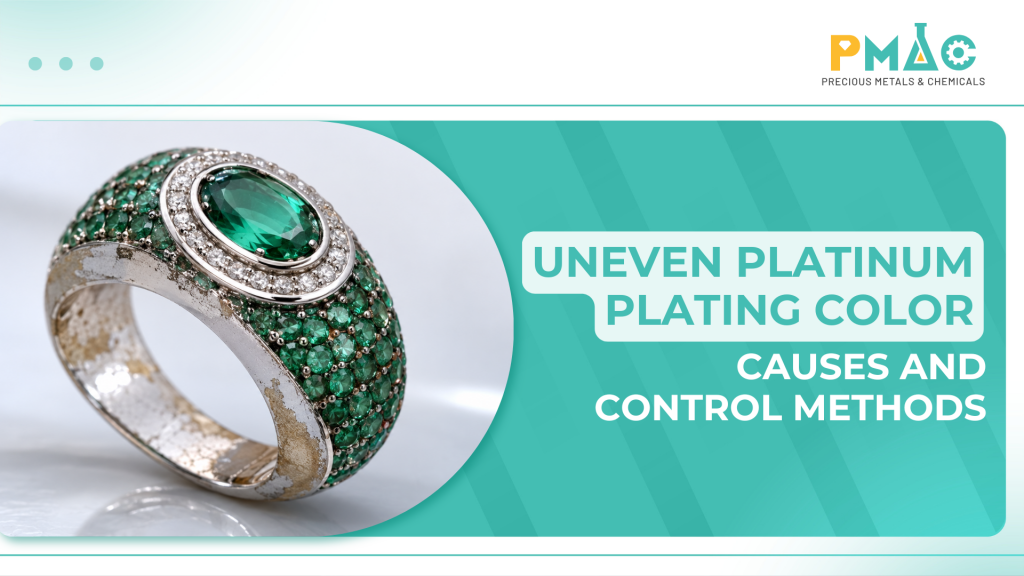
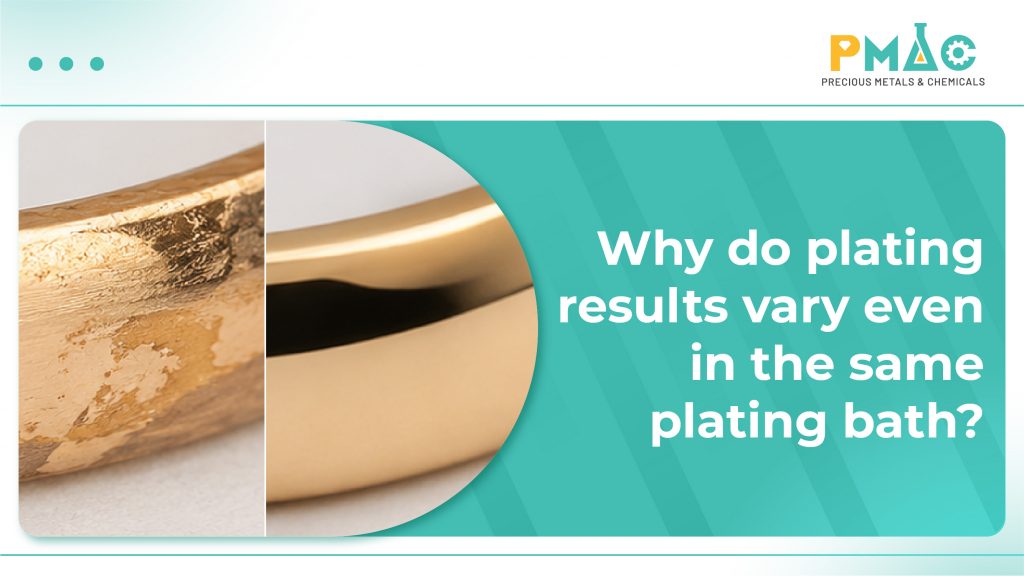
Products that do not meet the required standards will be returned for correction. This process ensures that every jewelry piece released to the market meets strict quality and aesthetic standards.
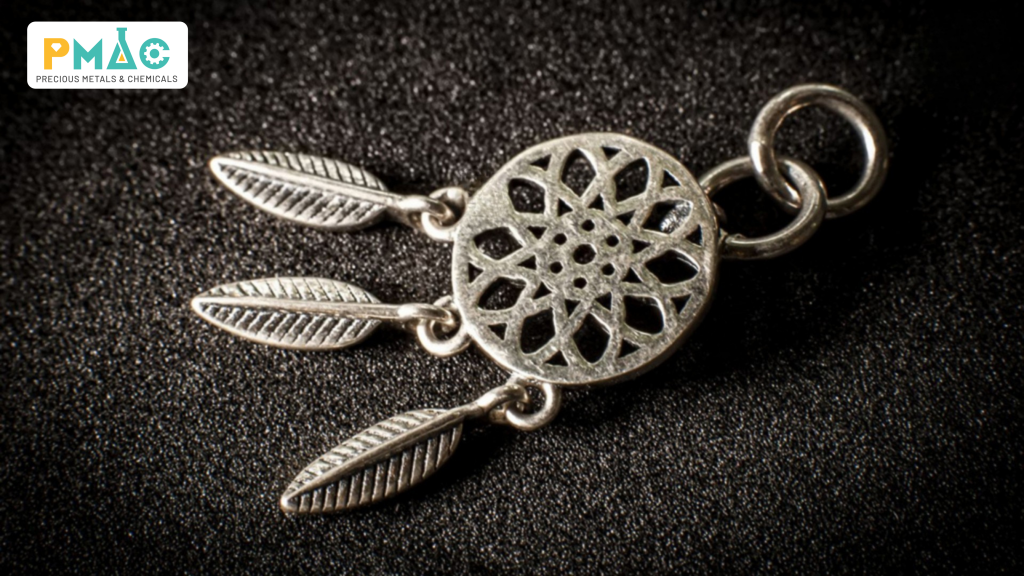
Image 2: Plating Layer That Does Not Meet Quality Standards
III. Advantages of Pen Plating in Jewelry Manufacturing
In jewelry manufacturing, pen plating is considered an important technique that enhances both the aesthetic value and overall finishing quality of jewelry products. This method is increasingly adopted by jewelry workshops and brands.
1. Enhances Aesthetic Appeal
One of the key advantages of pen plating is its ability to make jewelry look more luxurious and visually attractive. By applying plating layers to selected areas, the product achieves:
- More vibrant colors
- A shinier surface
- Sophisticated color combinations
In particular, silver plating enhances light reflection, making jewelry more eye-catching.
2. Saves Plating Chemicals
Compared to full-surface electroplating methods, pen plating only treats necessary areas, significantly reducing chemical consumption. This provides several benefits such as:
- Lower production costs
- Reduced plating solution waste
- Easier control of chemical usage during processing
- Improved production efficiency for jewelry workshops
Additionally, using only the required amount of chemicals contributes to a safer and more environmentally friendly working environment.
3. Meeting the Demand for High-End Jewelry
Luxury jewelry products often require exceptional finishing quality in terms of color, detail, and aesthetics. Pen plating effectively meets these demands thanks to its ability to process even the smallest details with precision.
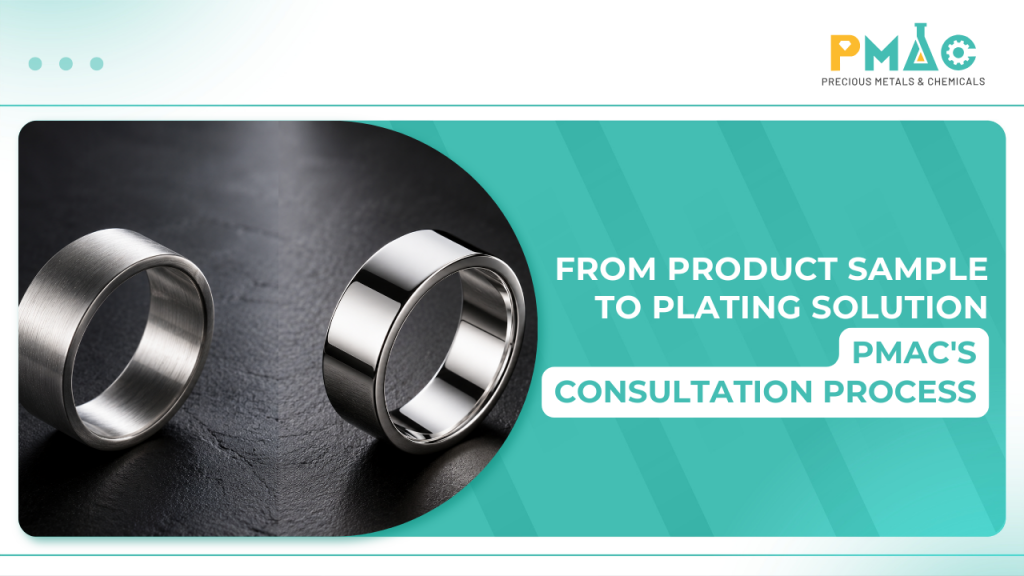
With its ability to create refined highlights and enhance visual value, pen plating has become an essential step in modern jewelry finishing processes.
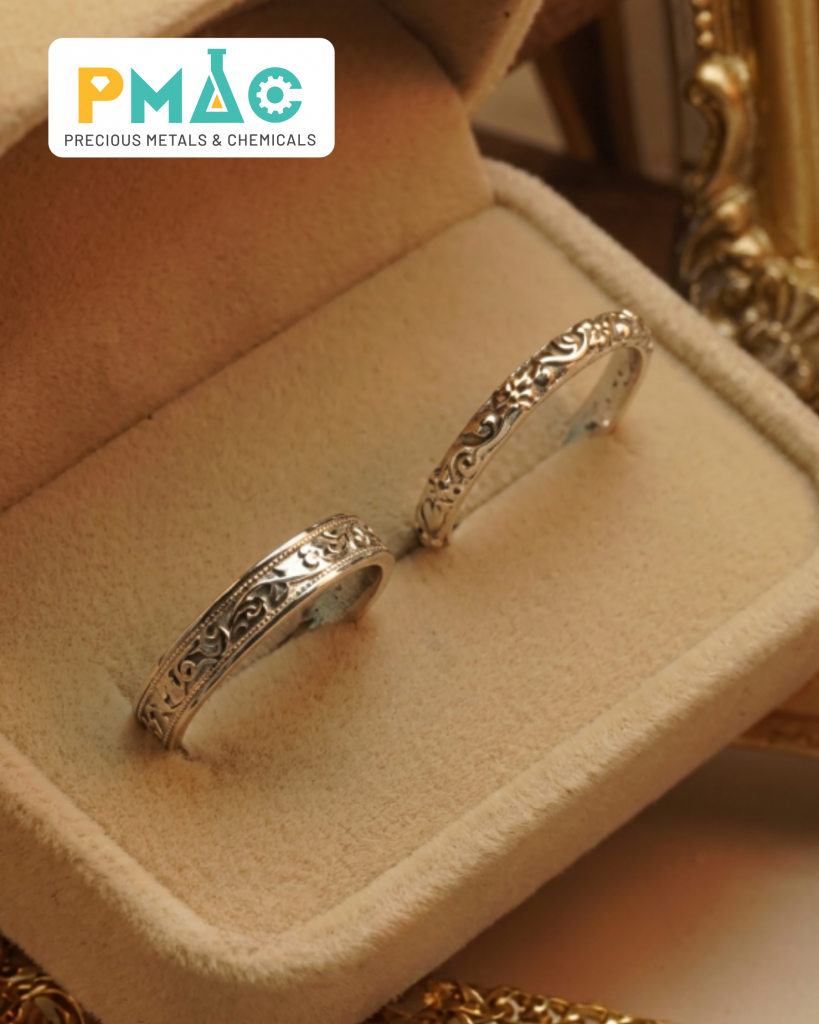
Image 3: Application of Pen Plating in High-End Jewelry
CONCLUSION
Pen plating is an extremely important process in jewelry manufacturing. It helps jewelry achieve a higher level of finishing quality and aesthetic appeal before reaching customers.
To achieve optimal results, every stage of the pen plating process must meet strict technical standards. From surface cleaning and plating solution preparation to the final inspection, each step requires careful attention and precision from the craftsman.
PMAC Joint Stock Company
HCM: High-Tech Center, 4th Floor, HUTECH Building, D1 Street, High-Tech Park, Tang Nhon Phu Ward, Ho Chi Minh City
HN: No. 22B O2, Linh Dam Peninsula, Hoang Liet Ward, Hanoi
Hotline: (+84) 908 727 235
Fanpage: PMAC