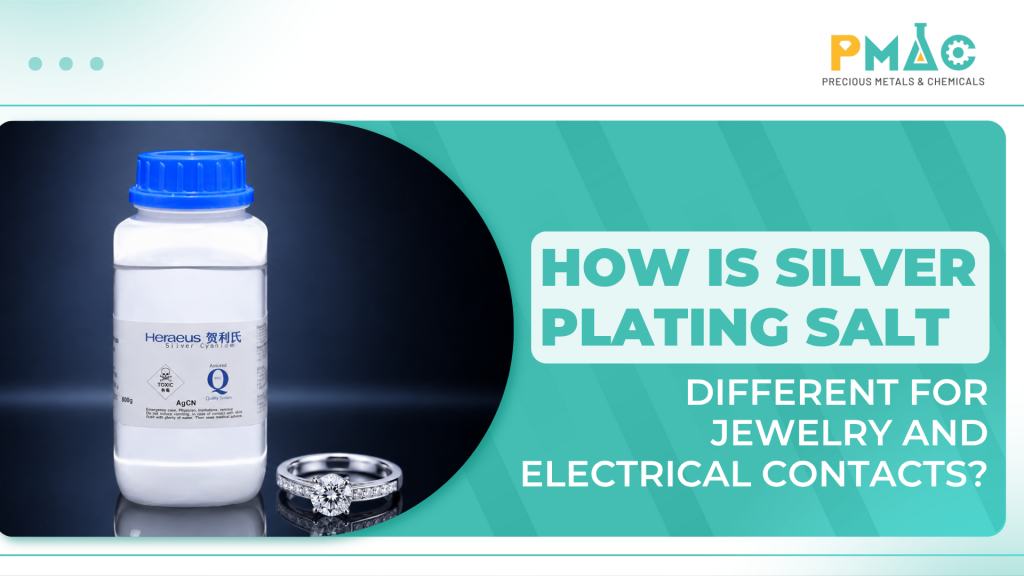


Silver is one of the most valuable metals in the electroplating industry due to its excellent electrical conductivity, thermal conductivity, and ability to produce a bright, attractive finish. However, metallic silver cannot be added directly into a plating bath to form a coating. Instead, silver plating salts are used as a stable source of silver ions throughout the electroplating process.
For jewelry manufacturers, electronics producers, and industrial plating facilities, selecting the right silver salt not only determines coating quality but also impacts production efficiency and operating costs. So, what are silver plating salts, what roles do they play, and how are they applied in practice? Let’s explore in detail.
I. What Are Silver Plating Salts?
Silver plating salts are chemical compounds that supply silver ions (Ag⁺) to electroplating solutions. During electrolysis, these silver ions are deposited onto the surface of the workpiece, forming a silver coating that meets decorative or functional requirements depending on the application.
In electroplating, silver salts are essential raw materials for maintaining the silver concentration in plating baths. Selecting the appropriate silver salt helps ensure stable production processes and compatibility with specific plating systems.
For electroplating companies, jewelry workshops, and electronics manufacturers, understanding the characteristics of different silver salts enables better selection of materials suited to their production technologies. In this article, PMAC will provide a closer look at these products.
II. The Role of Silver Salts in Electroplating
In electroplating, a silver coating can only be formed when the plating bath contains a suitable source of silver ions. This is the primary function of silver plating salts. These compounds generate silver ions within the electrolyte, and when electric current passes through the solution, the ions migrate and deposit onto the substrate.
The key roles of silver plating salts include:
- Supplying silver ions to the plating bath.
- Maintaining the silver content within the electroplating system.
- Serving as essential raw materials in various electroplating processes.
- Supporting both decorative and technical silver plating applications.
Depending on the plating process and bath formulation, manufacturers select different silver plating chemicals to meet their production requirements. Therefore, choosing the appropriate product depends not only on its chemical properties but also on the operational needs of each plating line.
Related article:What Are Silver Salts? Why Are They Essential in Electroplating?
III. Applications of Silver Salts in Decorative and Technical Electroplating
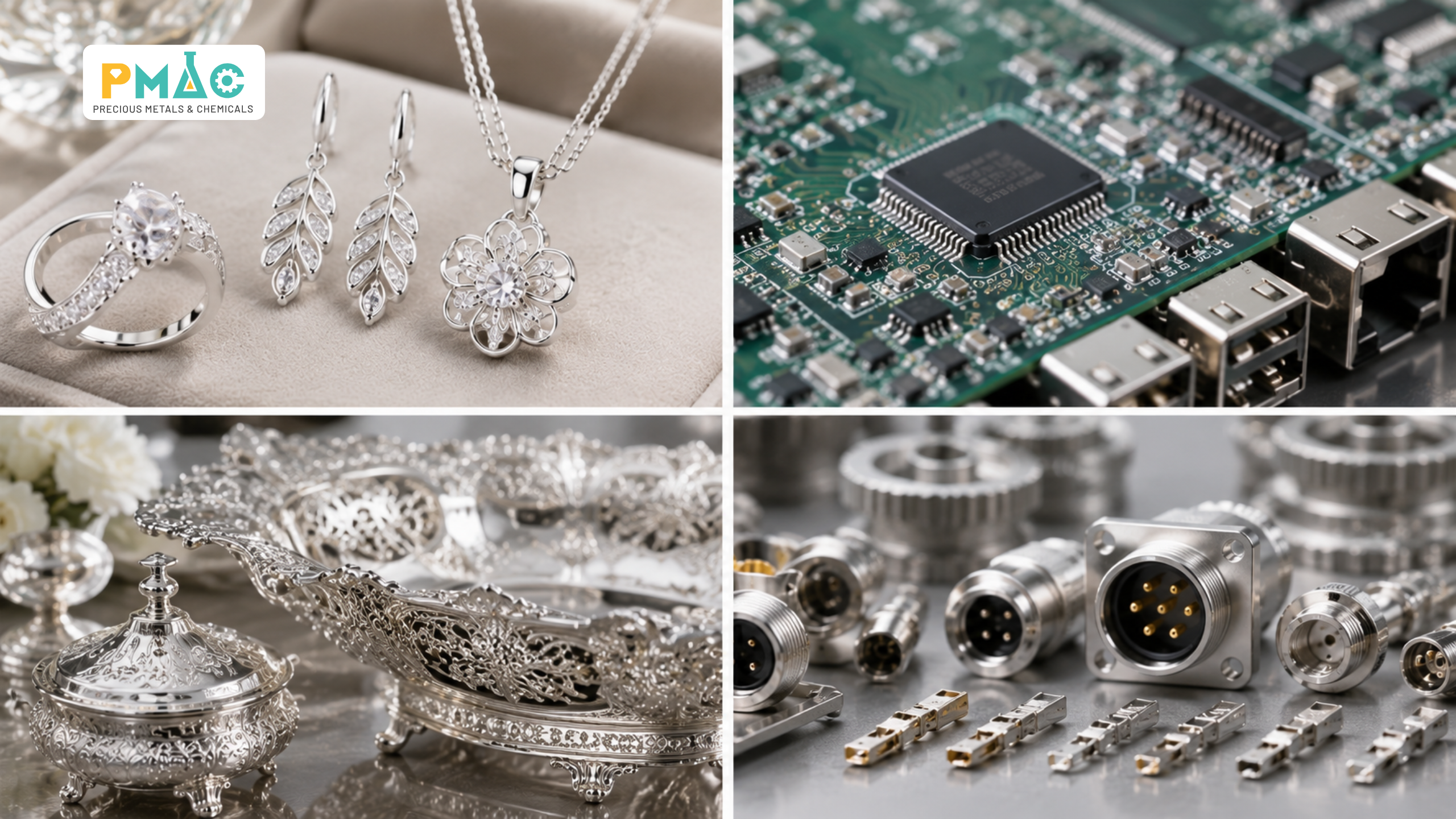
Figure 1. Applications of Silver Plating Salts in Decorative and Technical Electroplating
1. Decorative Electroplating
Decorative electroplating focuses on producing aesthetically pleasing surfaces. Silver coatings are commonly applied to products such as:
- Jewelry
- Fashion accessories
- Metal gifts
- Premium household products
- Decorative components
In these applications, silver salts serve as the silver source in the plating bath, enabling the formation of silver coatings on finished products. For jewelry manufacturers, the quality of plating chemicals is an important factor in maintaining stable production and consistent product appearance.
Related article: The Role of Electroplating in Jewelry Manufacturing
2. Technical Electroplating
Silver is valued not only for its appearance but also for its performance in industrial applications. Silver plating chemicals are widely used in:
- Electronics manufacturing
- Electrical equipment
- Precision mechanical components
- Surface engineering technologies
In these industries, silver salts provide the silver source for electroplating baths according to each company’s manufacturing process. For surface engineering professionals, selecting the appropriate silver cyanide compound is an important consideration when designing or operating plating solutions.
Related article: What Is Technical Electroplating? The Role of Industrial Plating Chemicals
IV. Common Silver Salts Used in Electroplating
Among the raw materials used in electroplating, Potassium Silver Cyanide (PSC) and Silver Cyanide (SC) are two silver compounds developed by Heraeus for electroplating applications. Although both contain silver (Ag), they differ in chemical composition and silver content, making each suitable for different plating bath formulations and production requirements.
1. Potassium Silver Cyanide (PSC)
Potassium Silver Cyanide, also known as Potassium Dicyanoargentate(I), has the chemical formula KAg(CN)₂. It is a white solid containing approximately 54.2% silver, with an average precious metal (PM) content of 54%.
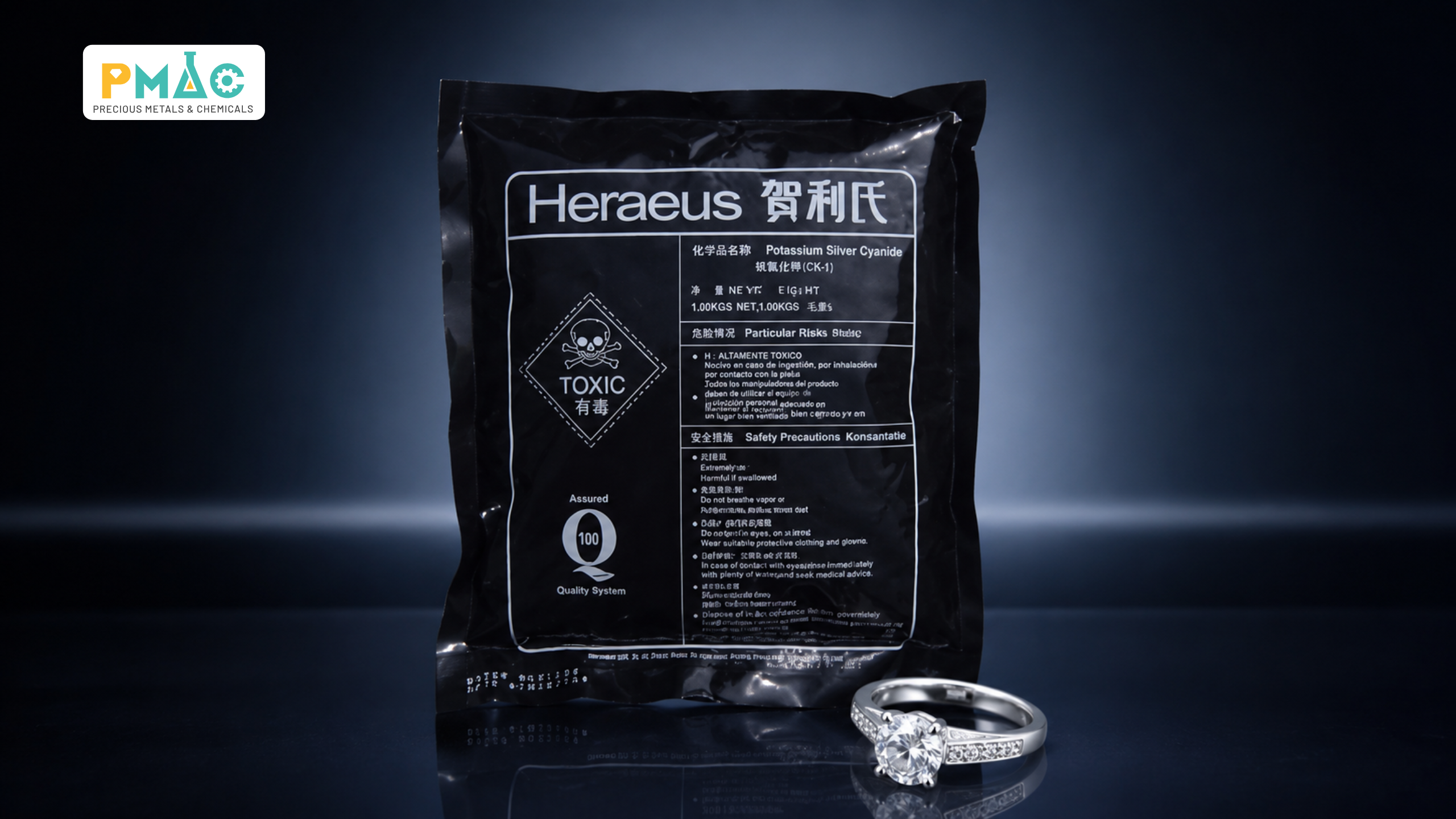
Figure 2. Potassium Silver Cyanide (PSC)
2. Silver Cyanide (SC)
Silver Cyanide (SC) is another silver compound from Heraeus used in electroplating. Its chemical formula is AgCN, and it is also supplied as a white solid. SC contains approximately 80.5% silver, with an average PM content of 81%.
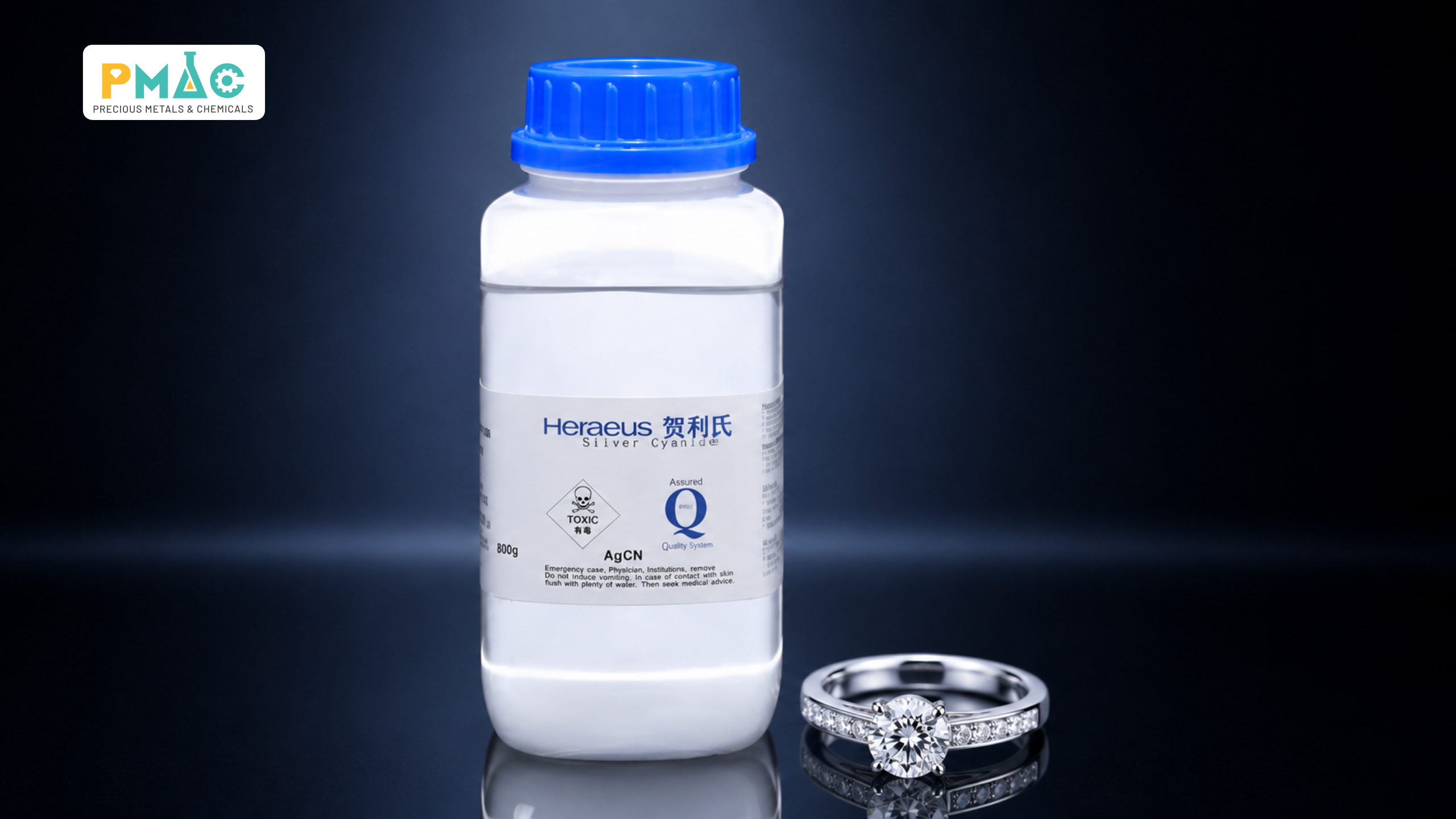
Figure 3. Silver Cyanide (SC)
3. Which Should You Choose: PSC or SC?
Both PSC and SC are silver compounds designed for electroplating applications by Heraeus. However, they differ in chemical composition, silver content, and packaging size. As a result, selecting the appropriate product depends on the plating bath formulation, process requirements, and production objectives of each business.
Comparison Between PSC and SC
| Criteria | Potassium Silver Cyanide (PSC) | Silver Cyanide (SC) |
|---|---|---|
| Chemical Name | Potassium Dicyanoargentate(I) | Silver Cyanide |
| Chemical Formula | KAg(CN)₂ | AgCN |
| Silver Content (PM) | Approx. 54.20% | Approx. 80.50% |
| Average PM Content | 54% | 81% |
| Physical Form | Solid | Solid |
| Color | White | White |
| Packaging | 1,000 g | 500 g |
| Manufacturer | Heraeus Holding | Heraeus Holding |
Because PSC and SC have different chemical characteristics, they are selected based on the plating bath formulation and the specific requirements of each production process. Businesses are encouraged to consult technical specialists to determine the most suitable product for their existing plating systems.
V. PMAC – Your Trusted Partner for Electroplating Chemicals
For B2B manufacturers, choosing a supplier is about more than just purchasing products—it also involves technical expertise and long-term support.
PMAC supplies electroplating chemicals and precious metal materials for a wide range of industries, including industrial electroplating and jewelry manufacturing. In addition to distributing products from globally recognized brands such as Heraeus, PMAC assists customers in selecting materials that best match their operational requirements.
By partnering with PMAC, customers can benefit from:
- Professional consultation on selecting electroplating chemicals for specific applications.
- Technical support throughout product usage.
- Long-term partnership during production and operation.
- Reliable supply of precious metal materials and electroplating chemicals from reputable manufacturers.
Conclusion
Silver plating salts are essential raw materials in electroplating, serving as the source of silver ions required to form silver coatings. They are widely used in both decorative and technical electroplating applications.
Potassium Silver Cyanide (PSC) and Silver Cyanide (SC) from Heraeus are both widely used in electroplating, each offering different chemical compositions and technical specifications. Selecting the appropriate product should be based on the requirements of the plating process and the specific plating bath formulation.
If your business is looking for information about silver plating salts, needs consultation on choosing PSC or SC, or would like a quotation for electroplating chemicals and precious metal materials, PMAC is ready to help. Our technical team will recommend suitable solutions, provide ongoing support, and help you select products that best meet your manufacturing needs.
CONTACT PMAC TODAY FOR PROFESSIONAL ELECTROPLATING SOLUTIONS
PMAC Joint Stock Company
Ho Chi Minh City Office
4th Floor, HUTECH Building, D1 Road, Saigon Hi-Tech Park, Tang Nhon Phu Ward, Ho Chi Minh City, Vietnam
Hanoi Office
22B O2, Linh Dam Peninsula, Hoang Liet Ward, Hanoi, Vietnam
Hotline: +84 387 235 878
Facebook: PMAC