

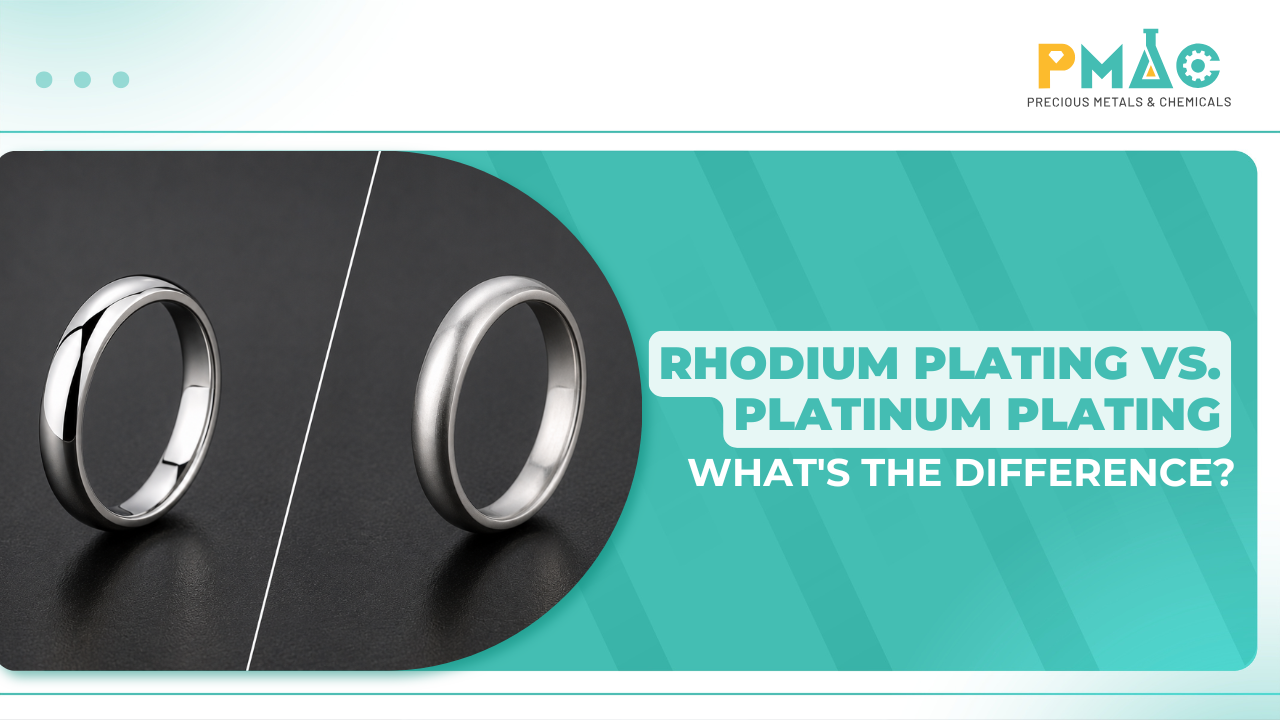
In the jewelry industry, electroplating plays a crucial role in enhancing the appearance and value of finished products. Among the various plating options available, Rhodium plating and Platinum plating are two of the most commonly used surface finishing methods. However, many people mistakenly assume that they are the same process and offer identical characteristics.
In reality, Rhodium plating and Platinum plating differ in several aspects, including the metal used, coating color, cost, and application scope. Understanding these differences helps jewelry manufacturers choose the most suitable solution based on their production goals and product quality requirements.
So, what exactly are the differences between Rhodium plating and Platinum plating? Let’s explore them in detail with PMAC.
I. What Is Rhodium Plating?
1. Definition
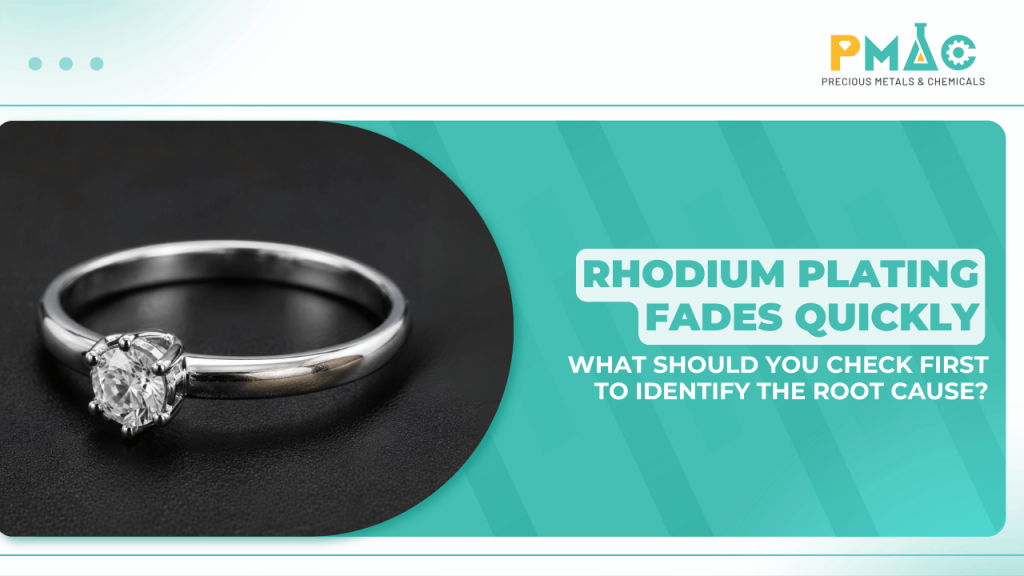
Rhodium plating is the process of depositing a thin layer of rhodium onto a metal surface through electroplating. Under the influence of direct current, rhodium ions in the plating solution migrate and deposit onto the product surface, forming a bright white coating.
In the jewelry industry, Rhodium plating is commonly applied to white gold and silver jewelry. This coating not only enhances aesthetics but also helps protect the product surface during everyday use.
See also: What Is Rhodium Plating and Why Is It Used in High-End Jewelry?
2. Characteristics of Rhodium
Rhodium is a precious metal belonging to the platinum group metals (PGMs). It is considered one of the most valuable precious metals in the world.
Rhodium is known for its naturally bright white appearance and exceptional reflectivity, making it highly desirable for creating luxurious-looking jewelry.
In addition, rhodium offers excellent resistance to oxidation and corrosion under normal conditions. Thanks to these properties, it is widely used in high-end jewelry manufacturing as well as in industrial applications requiring premium surface finishes.
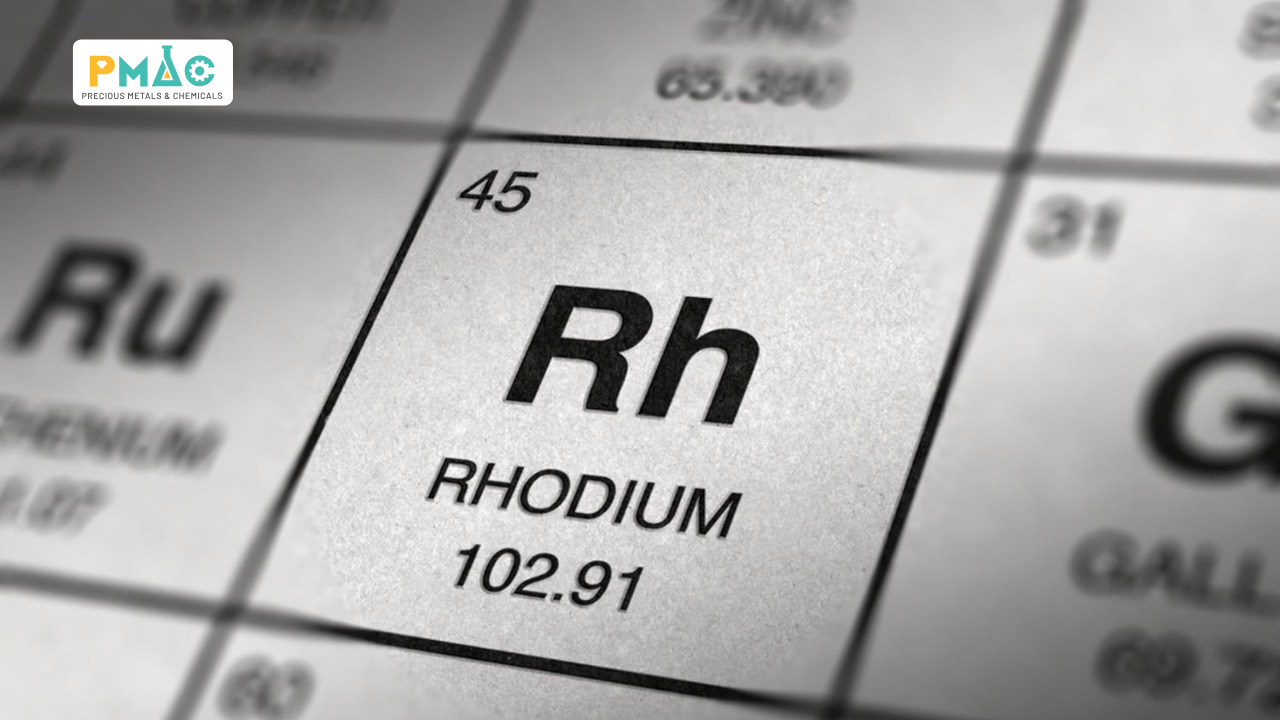
Figure 1: Rhodium Metal
II. What Is Platinum Plating?
1. Definition
Platinum plating is the process of depositing a layer of platinum or using plating solutions that create a platinum-like finish on the surface of a product.
The primary objective is to produce a bright white coating that enhances both the appearance and perceived value of jewelry.
In the jewelry industry, platinum plating is commonly used to improve product aesthetics while also providing additional protection against corrosion and wear.
2. Characteristics of Platinum
Platinum is a precious metal belonging to the platinum group metals.
It is renowned for:
- Exceptional durability
- Outstanding corrosion resistance
- Excellent chemical stability
- Long-lasting appearance
Platinum naturally exhibits a soft grayish-white color and maintains its appearance under a wide range of conditions.
Due to these properties, platinum is widely used in jewelry manufacturing as well as industrial applications that require highly stable materials.
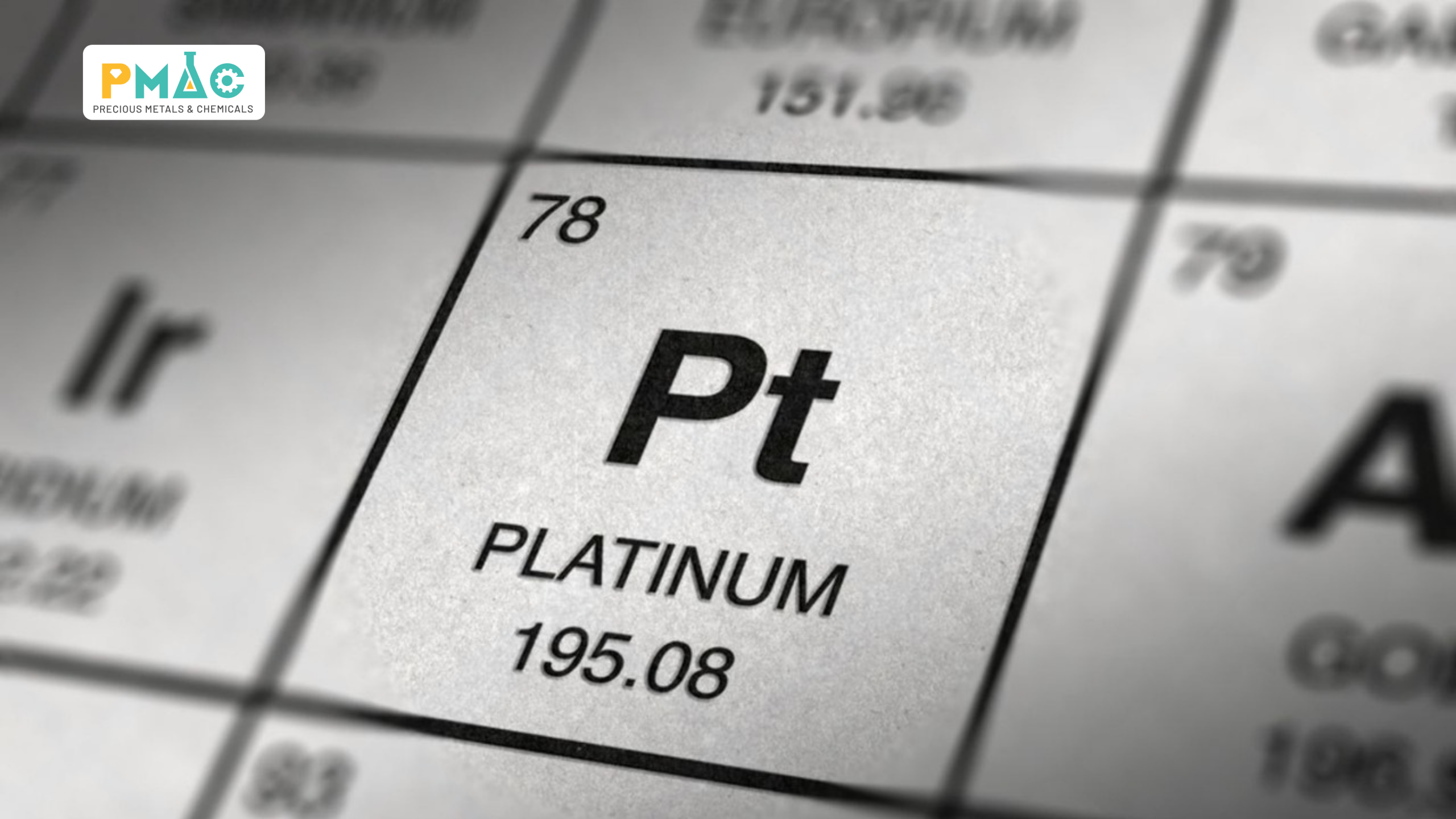
Figure 2: Platinum Metal
III. What Is the Difference Between Rhodium Plating and Platinum Plating?
| Criteria | Rhodium Plating | Platinum Plating |
|---|---|---|
| Metal Used | Rhodium, a rare precious metal from the platinum group | Platinum or plating solutions that mimic platinum color |
| Metal Value | Extremely valuable and often more expensive than platinum | Valuable but generally less expensive than rhodium |
| Coating Color | Bright white with a high level of whiteness | Softer white with a natural grayish tone |
| Light Reflectivity | Extremely high reflectivity, creating a mirror-like effect | Good reflectivity with a softer and more natural appearance |
| Surface Gloss | Very high gloss, making products stand out | Elegant gloss with a refined appearance |
| Chemical Cost | Higher due to the high and volatile price of rhodium | Generally lower and more suitable for broader product segments |
| Common Applications | White gold, premium silver jewelry, diamond jewelry | High-end jewelry, products requiring a natural white finish, export-oriented jewelry lines |
| Main Purpose | Maximizing whiteness and brilliance | Achieving a natural white color with a premium finish |
Overall, Rhodium plating is better suited for products that require maximum brightness, whiteness, and reflectivity. Platinum plating, on the other hand, is ideal for jewelry designs that emphasize a more natural, sophisticated appearance while offering better cost efficiency.
IV. Should You Choose Rhodium Plating or Platinum Plating?
The choice between Rhodium plating and Platinum plating depends on aesthetic requirements, product positioning, and production costs.
Each technology offers unique advantages and is suitable for different applications.
When to Choose Rhodium Plating
Rhodium coatings provide exceptional brightness and mirror-like shine, giving jewelry a luxurious and eye-catching appearance.
As a result, Rhodium plating is commonly used for:
- White gold jewelry
- Premium silver jewelry
- Diamond jewelry
- High-end products requiring superior finishing quality
When to Choose Platinum Plating
Platinum coatings or platinum-colored finishes create a softer and more natural appearance while still delivering excellent aesthetics.
Platinum plating is suitable for:
- Jewelry requiring a natural white color
- Elegant and sophisticated designs
- Products where cost optimization is important
- Manufacturers seeking a balance between quality and production cost
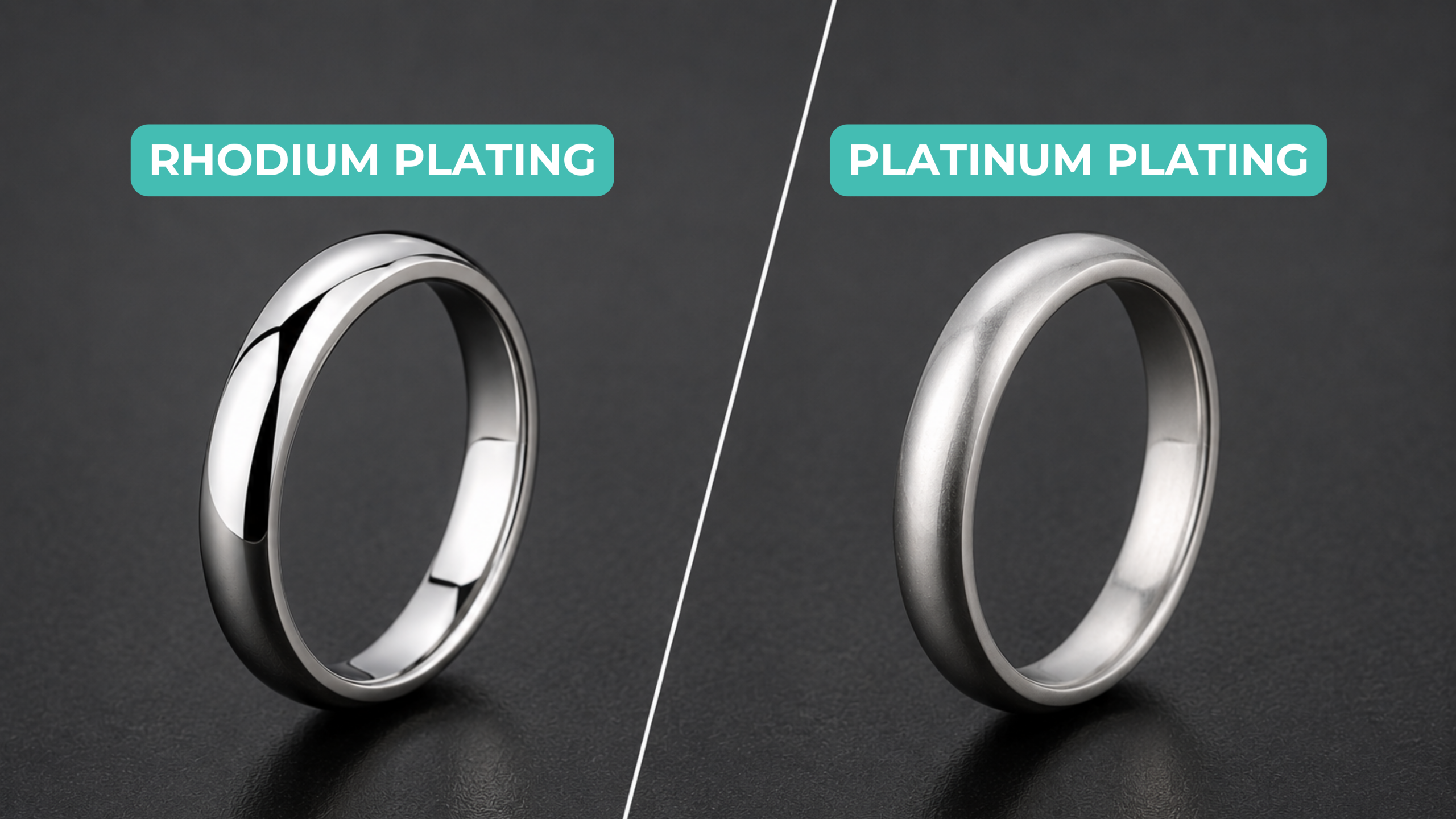
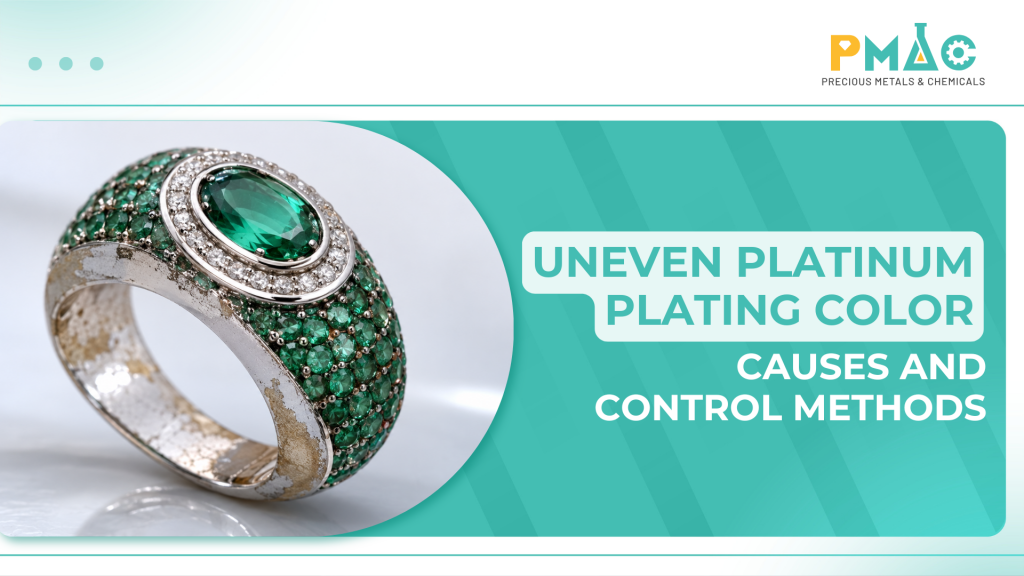
Figure 3: Comparison of Rhodium-Plated and Platinum-Plated Jewelry
V. PMAC – Electroplating Solutions for the Jewelry Industry
1. Supplying High-Quality Plating Chemicals
PMAC provides high-quality plating chemicals designed to meet the demanding requirements of the jewelry industry.
Our solutions help create:
- Uniform coatings
- Attractive color finishes
- Superior surface brightness
Through strict quality control, PMAC chemicals help manufacturers reduce production defects, improve finished product quality, and optimize operational efficiency.
See also: High-Quality Electroplating Chemicals from PMAC
2. Distributor of Umicore Plating Chemicals
PMAC is a distributor of precious metal electroplating chemicals from Umicore, one of the world’s leading suppliers of electroplating technologies.
Umicore products are highly regarded for their:
- Consistent quality
- Excellent stability
- Reliable performance
These advantages enable jewelry manufacturers to produce premium products that meet both domestic and international market standards.
See also: Umicore x PMAC – Strategic Partnership for Sustainable Growth
3. Professional Technical Support
Beyond supplying chemicals, PMAC works closely with customers throughout the production process.
Our services include:
- Electroplating process consultation
- Technology recommendations tailored to production needs
- Operational support
- Troubleshooting assistance
This comprehensive support helps businesses maintain stable product quality, reduce rejection rates, and improve long-term manufacturing efficiency.
Contact us today to connect with our technical team.
Conclusion
Both Rhodium plating and Platinum plating are widely used surface-finishing technologies in the high-end jewelry industry.
Each method offers distinct advantages and serves different aesthetic and commercial objectives.
Rhodium plating stands out for its brilliant white appearance, exceptional gloss, and superior reflectivity. Platinum plating, meanwhile, delivers a more natural and elegant white finish and can offer better cost efficiency in certain applications.
Choosing between Rhodium plating and Platinum plating depends on your product design goals, target market, and production budget. Understanding the differences between these technologies enables manufacturers to make informed decisions that improve product quality and maximize return on investment.
CONTACT US
PMAC Joint Stock Company
Ho Chi Minh City Office:
4th Floor, HUTECH Building, D1 Street, Saigon Hi-Tech Park, Tang Nhon Phu Ward, Ho Chi Minh City, Vietnam
Hanoi Office:
22B O2, Linh Dam Peninsula, Hoang Liet Ward, Hanoi, Vietnam
Hotline: (+84) 908 727 235
Fanpage: PMAC