



In semiconductor manufacturing, many ultra-thin metallic films deposited on silicon wafers are produced using a technique called PVD sputtering. The material that supplies the atoms needed to form these films is known as a sputtering target. As the deposition process continues, the target gradually erodes and eventually needs to be replaced.
Interestingly, a sputtering target does not have to be completely consumed before replacement becomes necessary. In some systems, much of the original material may still remain, even though the target has already reached its allowable wear limit. Why does this happen, and how can manufacturers determine the right time to replace a target without compromising production quality or equipment reliability?
I. What Is a PVD Sputtering Target?
A PVD sputtering target is a solid source material, typically manufactured as a disc or plate, used to deposit thin films through a physical vapor deposition process. Depending on the application, targets may be made from metals, alloys, or other materials, including oxides and nitrides.
In semiconductor fabrication, sputtered films serve various functions, including electrical conduction, contact formation, diffusion barriers, and other functional layers within integrated circuits.
1. How Does a Sputtering Target Work?
During sputter deposition, the target is mounted inside a vacuum chamber. A process gas, commonly argon, is introduced into the chamber and ionized to generate a plasma.
Under the influence of an electric field, positively charged argon ions are accelerated toward the target surface. When these ions strike the target, they transfer momentum to the material, ejecting atoms from its surface. The released atoms travel through the vacuum chamber and deposit onto the wafer, gradually forming a thin film.
This process is known as sputtering, one of the widely used physical vapor deposition techniques for producing thin films.
Unlike chemical vapor deposition, where film formation involves chemical reactions involving precursor gases, conventional sputtering primarily relies on the physical ejection of atoms from a solid material.
For a broader understanding of thin-film deposition technologies, readers can explore PMAC’s article on the differences between PVD, CVD, and ALD.
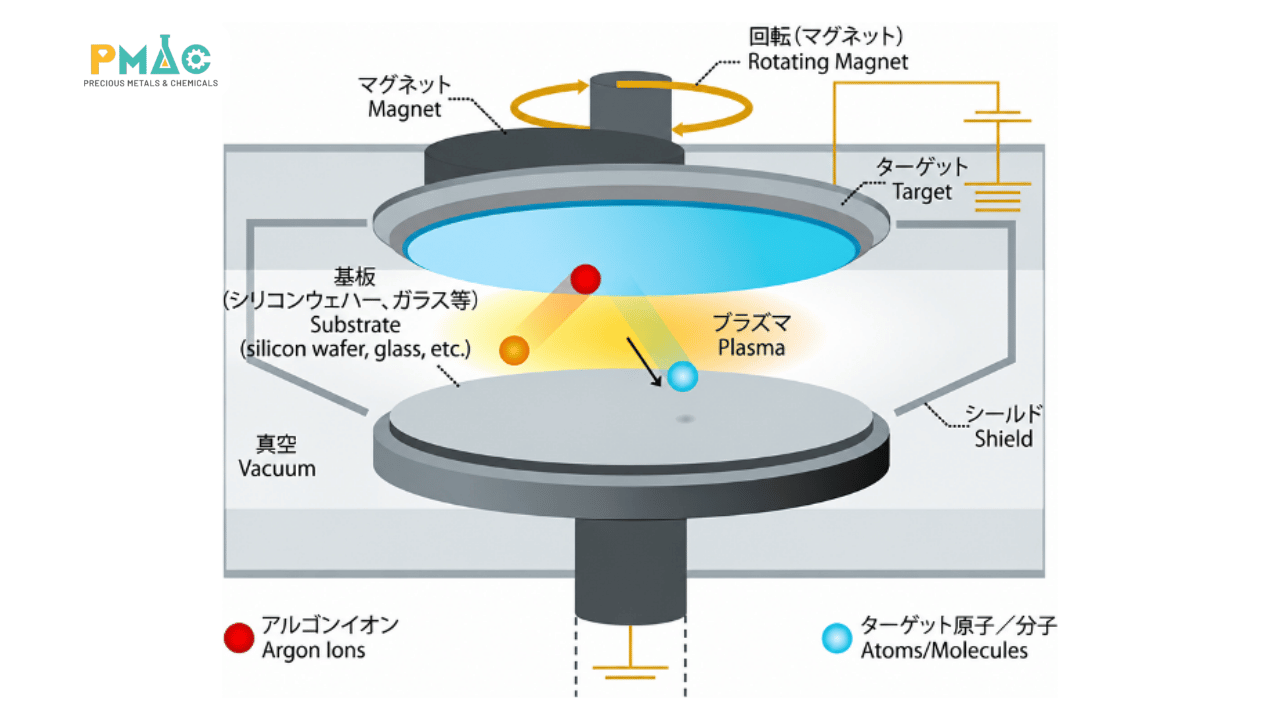
Figure 1. Magnetron sputtering principle
2. What Materials Are Used for Sputtering Targets?
Sputtering target materials are selected according to the required properties and functions of the deposited film. Common materials used in semiconductor and electronic applications include aluminum (Al), copper (Cu), titanium (Ti), tantalum (Ta), gold (Au), and various alloys or compounds.
For example, copper may be used in metallization applications, while titanium and titanium-based compounds can serve different functional roles in thin-film structures. Gold is also used in selected electronic applications where its electrical and surface properties are advantageous.
However, material composition alone does not determine whether a target is suitable for a particular PVD system. Manufacturers must also consider target dimensions, thickness, mounting configuration, cooling requirements, and compatibility with the sputtering source.

Figure 2. Disk-shaped sputtering target before use
II. Why Do Sputtering Targets Wear Unevenly?
One of the most noticeable characteristics of a used sputtering target is that erosion is often concentrated in specific areas rather than distributed evenly across its entire surface. Instead of gradually becoming thinner everywhere, the target develops a distinctive erosion groove as material is removed during operation. This phenomenon is particularly common in planar magnetron sputtering systems.
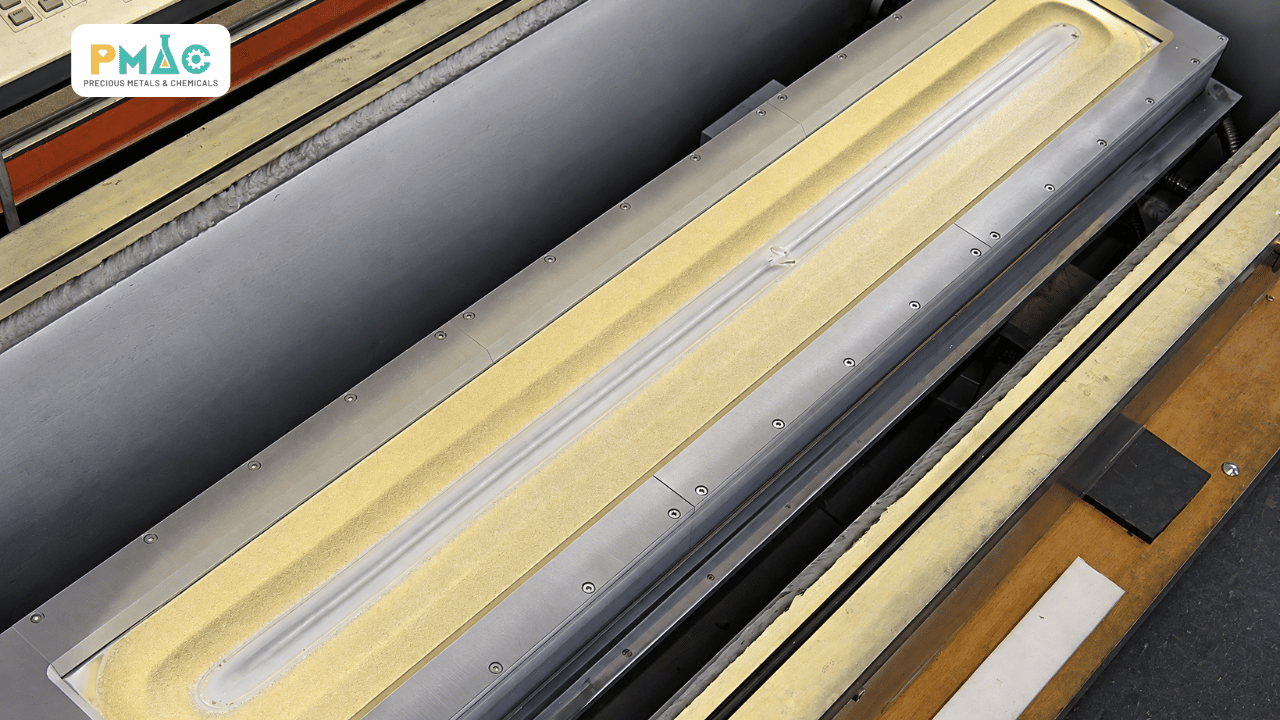
Figure 3. PVD sputtering target after use
1. Understanding Racetrack Erosion
In magnetron sputtering, magnets are positioned behind the target to generate a magnetic field near its surface. This field influences electron motion, helping sustain a higher plasma density in certain regions.
Because plasma density and ion bombardment are not distributed uniformly, the sputtering rate also varies across the target surface. Over repeated deposition cycles, regions exposed to more intense ion bombardment experience greater material loss.
The resulting erosion pattern is commonly known as the racetrack. For circular planar targets, the racetrack typically forms a ring-shaped groove. In some rectangular configurations, it may appear as an elongated closed-loop pattern.
The important distinction is that the service life of a sputtering target may be determined by its thinnest remaining section rather than by the total amount of material left on the target.
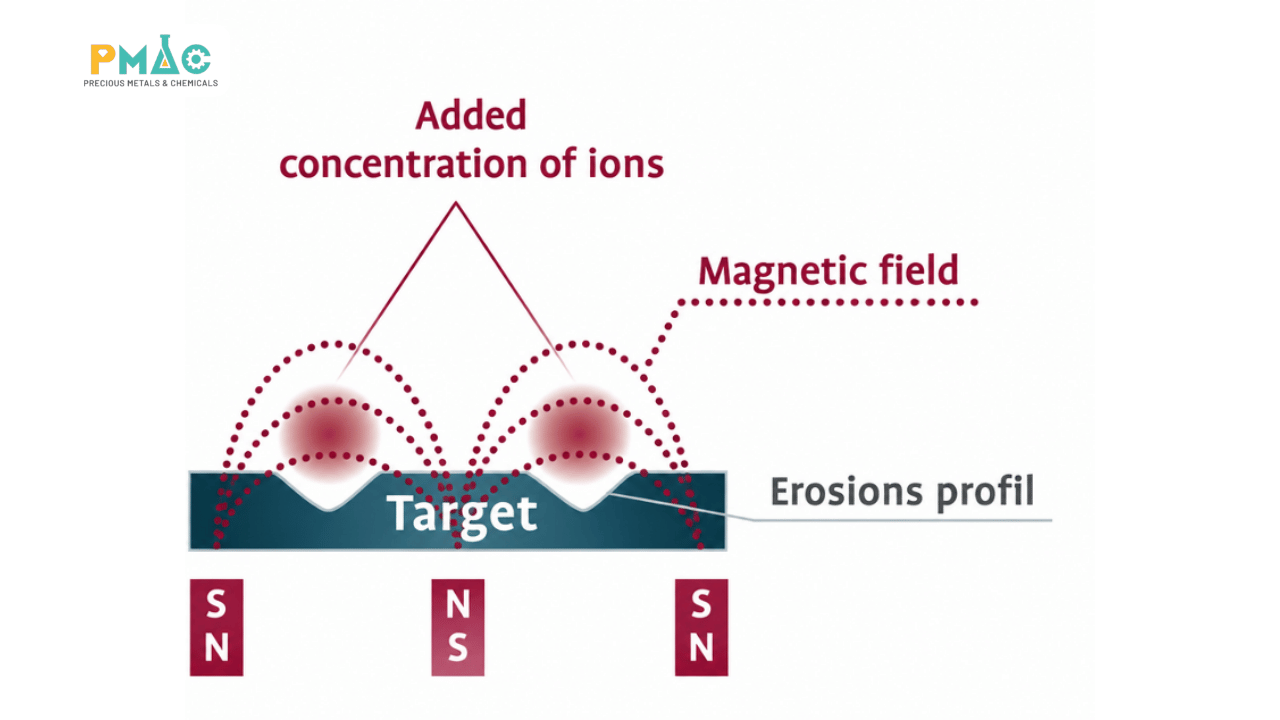
Figure 4. Principle of wear zone formation
2. How Much Material Can Remain When a Target Is Replaced?
According to Materion, material utilization in certain planar sputtering systems can be as low as approximately 10–35%. This means a substantial proportion of the original target material may remain unused when the target is removed. The reason is that regions outside the main erosion racetrack experience considerably less sputtering. Once the deepest part of the groove approaches the allowable wear limit, the target may need to be replaced even though other areas remain relatively thick.
However, target utilization depends on the magnetron configuration, target geometry, magnetic field design, and operating conditions. Systems designed to improve erosion uniformity, including certain rotating cylindrical target configurations, can achieve significantly higher utilization rates. Therefore, the utilization rate of one sputtering system should not be applied as a general benchmark for all PVD equipment.
Reference: Materion – Enhance Your Sputter Deposition Yield.
III. When Should a PVD Sputtering Target Be Replaced?
A sputtering target should be replaced when it reaches the equipment manufacturer’s specified wear limit, develops damage that could affect safe operation, or can no longer meet the established technical requirements of the process.
In practice, replacement decisions should not rely solely on operating hours or visual inspection. A more reliable approach combines physical wear measurements, process performance data, and an assessment of the sputtering system’s condition.
1. When the Erosion Groove Reaches Its Allowable Limit
For planar sputtering targets, erosion depth is one of the most important indicators of remaining service life. As sputtering continues, the racetrack becomes progressively deeper, reducing the amount of material remaining at the most heavily eroded location. If operation continues beyond the permitted limit, the target may eventually be eroded through.
This creates risks beyond the loss of usable target material. Depending on the system configuration, sputtering may begin to affect the backing plate behind the target, potentially introducing unwanted material into the deposited film or damaging related components. In guidance published by Kurt J. Lesker, one example suggests replacing a target when the erosion groove reaches approximately 75% of its original thickness.
For a target initially measuring 6.35 mm thick, this would leave approximately 1.59 mm of material at the deepest point. However, this is an illustrative recommendation for a particular situation, not a universal replacement threshold. The actual minimum allowable thickness must be determined from the sputtering source manufacturer’s specifications, mounting configuration, and maintenance procedures.
Reference: Kurt J. Lesker – How to Know When to Change a Sputter Target.
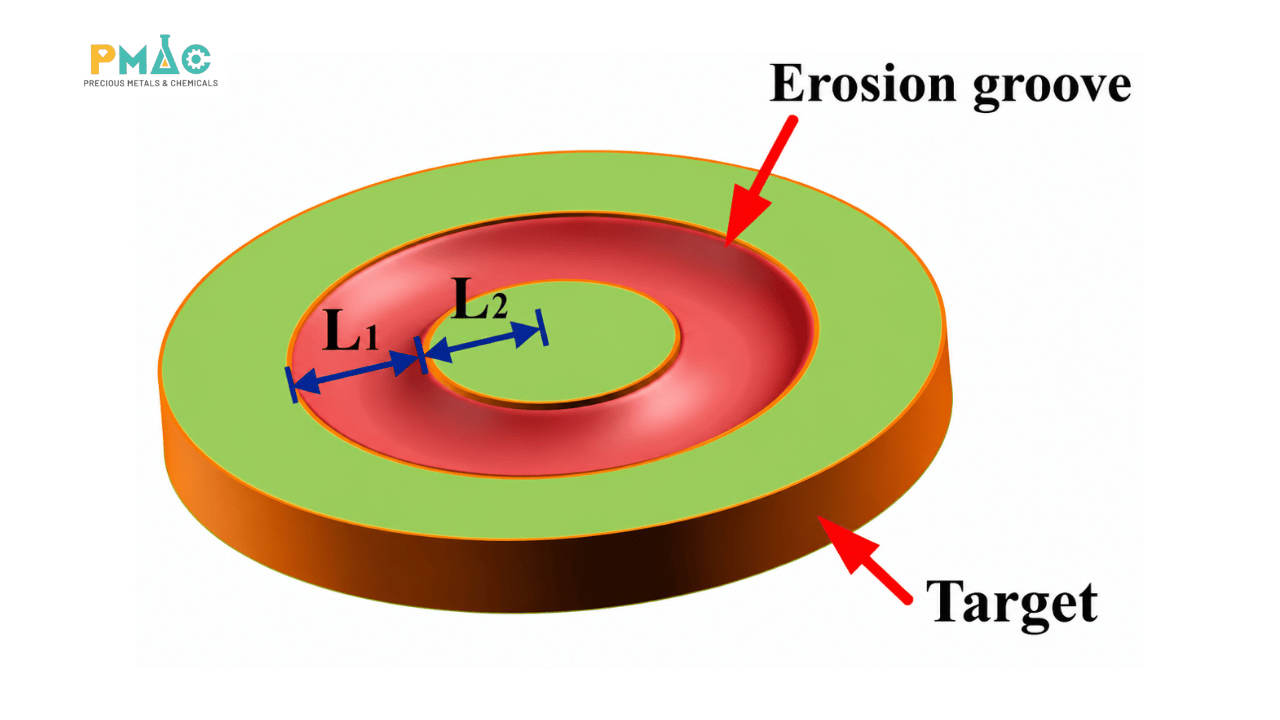
Figure 5. Structure of the erosion groove on a sputtering target
2. When Cracks, Delamination, or Physical Damage Appear
Apart from erosion, the mechanical condition of the target can also determine whether it remains suitable for operation. Some sputtering targets are bonded to backing plates that provide mechanical support and help transfer heat during deposition. Cracking, warping, or separation from the backing plate may compromise thermal performance and mechanical stability.
These risks can vary considerably depending on the target material. Brittle materials and ceramic targets, for example, may have different thermal stress and mounting requirements from metallic targets.
If visible damage is detected, the target should be assessed according to the equipment’s safety and maintenance procedures. Operators should not attempt to extend its use by increasing power or continuing production before the cause of the damage has been properly evaluated.
3. When Thin-Film Quality Becomes Unstable
Unexpected changes in deposition performance may also indicate that the sputtering target requires attention. Examples include a decline in deposition rate, increasing film-thickness variation, or a rise in defects relative to previously established process conditions.
As erosion progresses, changes in the target surface profile may influence sputtered particle distribution and deposition behavior. Under certain conditions, these changes can affect film uniformity or process consistency. However, not every decline in film quality is caused by target wear. Chamber pressure, power supply stability, gas flow, chamber cleanliness, and other process parameters may contribute to similar problems.
For this reason, deteriorating film quality should trigger a systematic equipment assessment rather than an automatic decision to replace the target.
IV. Key Warning Signs to Check Before Replacing a Target
To avoid replacing targets unnecessarily early or continuing to operate them beyond acceptable limits, manufacturers should establish inspection criteria based on equipment documentation and actual operating data.
The following table summarizes common warning signs and the corresponding checks that may be required.
| Warning Sign | Possible Cause | Recommended Assessment |
| Deepening erosion racetrack | Concentrated material removal in the sputtering zone | Measure remaining thickness and compare it with the equipment’s wear limit |
| Cracks or delamination | Thermal stress, mechanical damage, or bonding problems | Inspect the target and backing plate according to safety procedures |
| Changes in deposition rate | Target condition, plasma behavior, or process settings | Review process data and investigate potential causes |
| Poor film-thickness uniformity | Material distribution, system geometry, or operating conditions | Examine film metrology results and equipment configuration |
| Abnormal arcing or increased particles | Target surface condition, deposits, plasma instability, or chamber components | Inspect the complete system before identifying the source |
| Approaching scheduled target life | Accumulated material consumption | Check actual erosion depth and prepare for replacement |
Some of these indicators are directly associated with target wear, while others require broader equipment diagnostics. Replacing the target will only resolve a problem if the target itself is contributing to the observed issue.
V. How Can Manufacturers Monitor Sputtering Target Lifetime?
Effective target-life management combines operating records with physical inspections and process-quality measurements. This allows manufacturers to plan material replacement more accurately and reduce unplanned production interruptions.
1. Monitoring Power Consumption and Operating Time
One approach is to track the accumulated electrical energy supplied during sputtering, commonly expressed in kilowatt-hours (kWh). This measurement can be used as an indicator of target usage and may help estimate material consumption.
For example, if a sputtering target operates at a constant power of 500 W for a total of 100 hours, the accumulated energy is:
0.5 kW × 100 hours = 50 kWh
However, the same accumulated energy does not necessarily produce the same amount of erosion across different target materials or operating conditions. Sputtering yield varies with material properties, ion energy, and other process parameters.
Therefore, power and operating-time records are most useful for developing inspection schedules and predicting target life based on validated historical performance. They should not completely replace physical wear measurements.
2. Measuring Racetrack Depth
Where the target and equipment design allow it, maintenance personnel can measure erosion depth during scheduled inspections. The most critical location is generally the deepest part of the racetrack, as this region may reach the minimum allowable thickness before other areas of the target.
Measured values can be compared with the original target thickness, the equipment manufacturer’s specified limits, and historical records from previous operating cycles. Over time, this information helps establish a relationship between accumulated usage and erosion depth, supporting more predictable replacement planning.
All inspections must be carried out with the equipment in a safe maintenance condition. Procedures involving high-voltage supplies, vacuum systems, cooling assemblies, or target removal should be performed by appropriately trained personnel.
3. Tracking Thin-Film Quality
In addition to target wear, manufacturers should continuously monitor the properties of deposited films. Depending on the application, relevant parameters may include film thickness, within-wafer uniformity, deposition rate, and electrical characteristics.
For conductive films, sheet resistance measurements can provide useful information about electrical performance. For suitable materials and layer structures, optical or surface-profiling techniques may be used to assess film thickness and uniformity. These measurements should be evaluated against established process specifications rather than interpreted individually.
By tracking changes across multiple production cycles, process engineers can identify unusual trends and investigate whether target erosion is contributing to a decline in deposition consistency.
For additional background on where thin-film deposition fits into semiconductor fabrication, readers can refer to PMAC’s article on the semiconductor manufacturing process, from wafer to finished chip.
VI. What Happens to Used Sputtering Targets?
When a sputtering target reaches the end of its usable life, the remaining material may still hold considerable value. Depending on its composition and condition, the used target may be sent to a qualified service provider for material recovery, refining, or recycling. This is particularly relevant for targets containing valuable metals such as gold, silver, platinum, and palladium.
1. Recovering Valuable Materials from Used Targets
In some applications, a used sputtering target may retain a significant quantity of its original metal. Rather than treating the entire target as waste, manufacturers can assess whether material recovery is technically and economically viable. According to Materion, used sputtering targets may be separated from their backing plates and processed through appropriate material analysis and refining procedures. The backing plate itself may also be evaluated for refurbishment or reuse in a subsequent target assembly.
However, the feasibility of recovery depends on more than the amount of metal remaining. Alloy composition, contamination levels, refining requirements, transportation costs, and handling conditions also influence the overall value of recycling. For this reason, manufacturers should maintain accurate records of target materials and avoid mixing incompatible target types before recovery. Poor material segregation can increase analytical requirements, complicate refining, and reduce recovery efficiency.
Reference: Materion – Sputtering Target Recycling Solutions.
2. Looking Beyond the Initial Purchase Price
The true cost of using a sputtering target extends beyond its initial purchase price. Manufacturers must also consider how much material is effectively consumed, how many deposition cycles the target supports, the cost of replacement, equipment downtime, and the potential recovery value of the remaining material.
A lower-priced target may not necessarily offer better economics if it has a shorter service life or requires more frequent production interruptions. Conversely, attempting to extend target life beyond safe operating limits may create equipment repair costs or product-quality losses that significantly outweigh the value of the saved material.
The objective is therefore not to use a target for as long as possible, but to achieve efficient material utilization within the equipment’s validated operating limits while maintaining consistent film quality.
VII. Choosing the Right Sputtering Target for Semiconductor Applications
Selecting a PVD sputtering target begins with a clear understanding of the required film properties, the equipment configuration, and the intended process conditions. These requirements provide the foundation for evaluating target suitability rather than relying solely on material names or advertised purity levels.
In addition to composition, manufacturers should verify target dimensions, thickness, mounting design, backing plate configuration, and cooling compatibility against the equipment’s technical documentation. For applications with demanding quality requirements, material certificates and lot traceability may also be essential.
As part of its semiconductor materials portfolio, PMAC offers PVD/Sputtering Targets alongside related deposition equipment and analytical and metrology solutions. By considering material specifications together with equipment compatibility and thin-film performance requirements, PMAC aims to support customers in selecting solutions suited to their manufacturing processes.
This approach reflects PMAC’s broader positioning as a technical solutions partner, connecting material supply with practical production requirements rather than evaluating products solely through isolated specifications.
For an overview of related technologies and services, readers can explore PMAC’s industrial solutions ecosystem.
VIII. Frequently Asked Questions About PVD Sputtering Targets
1. Can a PVD sputtering target be used until all its material is consumed?
Generally, a sputtering target must be replaced before the deepest erosion region exceeds the equipment’s allowable wear limit. In planar magnetron sputtering systems, uneven erosion may leave a substantial portion of the original material unused when replacement becomes necessary. Manufacturers should therefore base replacement decisions on remaining target thickness and equipment specifications rather than attempting to consume the entire target.
2. Should every sputtering target be replaced after 75% erosion?
No. The 75% figure appears in an example provided by Kurt J. Lesker and should not be interpreted as a universal replacement rule. Actual wear limits depend on the sputtering source, target thickness, material properties, mounting configuration, and equipment safety requirements. Manufacturers should always refer to the specified minimum remaining thickness for their particular system.
3. Does a lower deposition rate mean the target is reaching the end of its life?
Not necessarily. A reduction in deposition rate may indicate a condition that requires investigation, but target wear is only one possible cause. Changes in chamber pressure, sputtering power, gas flow, plasma stability, or equipment condition may produce similar effects. Process engineers should review operating data and conduct appropriate checks before deciding whether target replacement is necessary.
4. Can used sputtering targets be recycled?
Yes. Many used sputtering targets can be processed for material recovery by specialized service providers. The feasibility depends on material composition, contamination, remaining recoverable metal, and the economics of refining. For targets containing precious metals, proper segregation and traceability can be particularly important in preserving material value and supporting efficient recovery.
5. Can the same sputtering target be installed in any PVD machine?
No. Target compatibility depends on dimensions, thickness, material, sputtering source design, mounting configuration, and cooling requirements. A target designed for one sputtering system cannot automatically be installed in another, even when the material composition is identical. Furthermore, sputtering targets are not interchangeable with the source materials used in every other type of PVD process. Equipment documentation should always be checked before ordering a replacement.
Conclusion
PVD sputtering targets are essential material sources for producing thin films in semiconductor manufacturing and numerous other industrial applications. However, their service life is not determined simply by how much material remains. Erosion patterns, equipment design, mechanical condition, and thin-film quality requirements all influence when a target should be replaced. By monitoring racetrack depth, evaluating process performance, and following equipment-specific replacement limits, manufacturers can reduce the risk of equipment damage, minimize unplanned downtime, and improve material efficiency.
For businesses sourcing PVD sputtering targets or evaluating replacement materials for existing deposition systems, PMAC can support technical discussions based on equipment specifications, material requirements, and application needs to identify suitable solutions within its semiconductor portfolio.
PMAC Joint Stock Company
Ho Chi Minh City Office:
4th Floor, HUTECH Building, D1 Road, Saigon Hi-Tech Park, Tang Nhon Phu Ward, Ho Chi Minh City, Vietnam
Hanoi Office:
22B O2, Linh Dam Peninsula, Hoang Liet Ward, Hanoi, Vietnam
Hotline: +84 387 235 878
Facebook: PMAC

Author: PMAC – Nguyen Quoc Dung – Lab & Maintenance Center Chief