

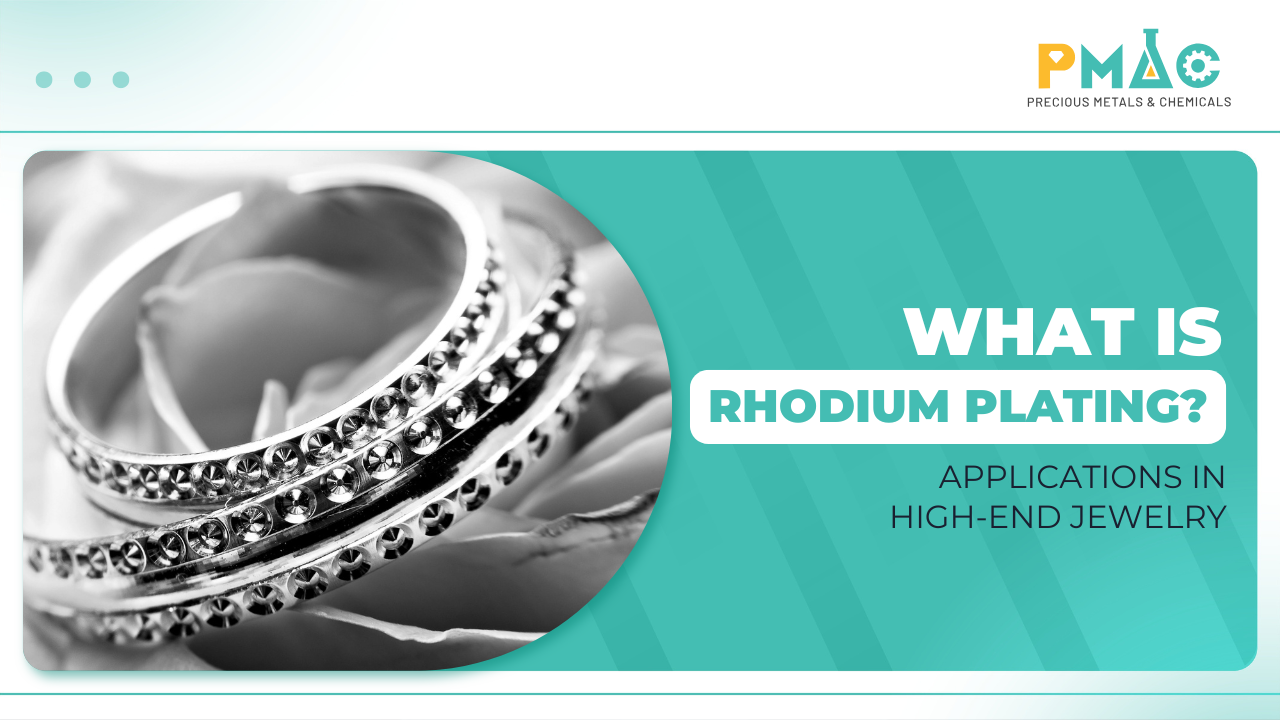
In the jewelry industry, not every bright white piece of jewelry is made from pure precious metals. In many cases, its luxurious appearance comes from a surface finishing technology known as rhodium plating. Alongside gold plating and silver plating, rhodium plating has become increasingly popular thanks to its versatility and premium aesthetic appeal.
So, what is rhodium plating, and why is it widely used in high-end jewelry? Let PMAC explore the answer with you in the article below.
I. What Is Rhodium Plating?
1. Definition of Rhodium Plating
Rhodium plating is the process of depositing a thin layer of rhodium onto a metal surface through electroplating. Rhodium is a precious metal belonging to the platinum group and is often considered even more valuable than gold. It is renowned for its naturally bright white color and exceptional reflectivity.
Related Article: Top 5 Most Valuable Precious Metals on Earth
Thanks to these unique characteristics, rhodium plating is widely used in high-end jewelry manufacturing. In addition, rhodium is also applied in industries that require superior surface finishing and corrosion resistance.
2. Characteristics of Rhodium Metal
Rhodium is considered one of the rarest and most valuable precious metals in the world. It possesses high hardness, helping plated surfaces resist scratches and wear.
In addition, rhodium offers excellent corrosion resistance. Under normal environmental conditions, its oxidation rate is almost zero. As a result, rhodium-plated surfaces can maintain their brightness and shine for extended periods while minimizing tarnishing.
Beyond its physical and chemical advantages, rhodium also commands a very high market value. This is one of the reasons why rhodium plating is commonly used in premium jewelry products where quality and aesthetics are critical requirements.
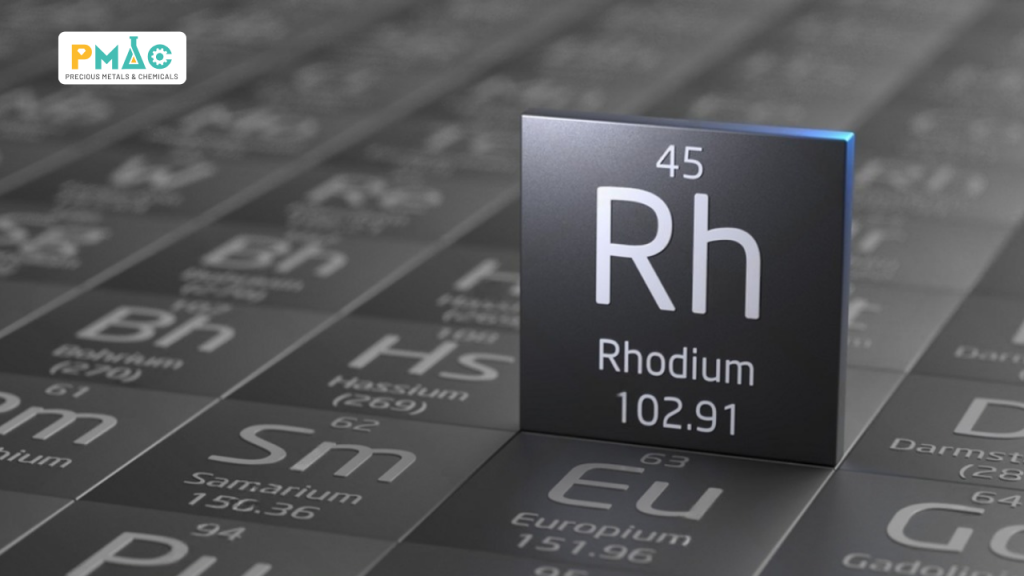
Figure 1: Rhodium Metal
3. How Rhodium Plating Works
Like other electroplating processes, rhodium plating operates based on the principle of electrolysis. Under the influence of direct current, rhodium ions move through the plating solution and deposit onto the product surface.
This thin rhodium layer provides a highly reflective finish, enhancing both the appearance and value of the jewelry.
II. Why Is Rhodium Plating Used in High-End Jewelry?
1. Creating a Luxurious Bright White Finish
With its outstanding characteristics, rhodium plating is widely used to enhance the appearance of jewelry. The rhodium layer improves surface brightness and light reflectivity, giving jewelry a more elegant, sophisticated, and premium look.
Rhodium plating is especially common on white gold and silver jewelry. The coating enhances the whiteness of the metal surface while creating a brilliant sparkling effect that makes products more attractive to consumers.
Related Article: RHODUNA® Diamond Bright – Premium White Rhodium Plating Solution
2. Enhancing Tarnish Resistance
Rhodium has an extremely low tendency to oxidize under normal conditions. This is one of the key reasons why rhodium plating is so popular in the jewelry industry.
The rhodium coating acts as a protective barrier between the base metal and the surrounding environment, reducing oxidation on the product surface.
As a result, jewelry can maintain its color and shine for much longer periods. For silver and white gold jewelry, rhodium plating significantly reduces yellowing, tarnishing, and loss of luster over time.
Related Article: What Is Rhodium Plating? A Solution to Prevent Silver Tarnishing
3. Increasing Surface Hardness
Rhodium is a relatively hard metal, making it an effective protective coating for jewelry surfaces. The rhodium layer helps reduce minor scratches that may occur during everyday wear.
In addition to improving surface protection, rhodium plating helps preserve the jewelry’s original appearance for longer. Its wear-resistant properties significantly extend the product’s lifespan.
4. Increasing Product Value
Beyond its technical benefits, rhodium plating also enhances both the aesthetic and commercial value of jewelry. A bright white, highly polished, and uniform finish creates an immediate sense of luxury.
For this reason, many premium jewelry brands consider rhodium plating an essential finishing process. It not only helps products stand out in the marketplace but also improves customer experience and perceived value.
III. Which Products Are Commonly Rhodium-Plated?
1. White Gold Jewelry
White gold jewelry is the most common application for rhodium plating today. Although white gold naturally has a light-colored appearance, it often contains a slight yellow tint due to its alloy composition.
A rhodium coating enhances the bright white appearance of white gold while improving shine and reflectivity, making the jewelry look more luxurious and attractive.
2. Silver Jewelry
Silver is prone to oxidation and tarnishing over time. Therefore, many silver jewelry products are coated with rhodium to improve shine and provide additional surface protection.
This coating helps jewelry maintain its bright appearance for longer while reducing discoloration caused by environmental exposure.
3. Gemstone Jewelry
For diamond and gemstone jewelry, rhodium plating enhances overall light reflection. The highly polished rhodium surface creates stronger contrast, allowing gemstones to appear brighter and more brilliant.
This is why many premium jewelry pieces undergo rhodium plating as the final finishing step before reaching the market.
4. High-End Export Jewelry
International markets often demand exceptionally high standards for product finishing quality. As a result, many jewelry manufacturers producing export-grade products choose rhodium plating to enhance both appearance and durability.
The rhodium coating helps products meet strict requirements regarding color consistency, brightness, and tarnish resistance, ultimately increasing overall product quality.

Figure 2: Rhodium Plating Applied in Premium Export Jewelry
IV. Factors Affecting the Quality of Rhodium Plating
1. Quality of Rhodium Plating Chemicals
The quality of rhodium plating chemicals plays a crucial role in determining coating performance. Solutions containing appropriate rhodium concentrations and high purity levels help produce coatings with uniform color, excellent brightness, and strong adhesion.
Furthermore, solution stability throughout the plating process directly impacts production quality. High-quality chemicals help maintain consistent color, reduce defects, and deliver reliable long-term performance.
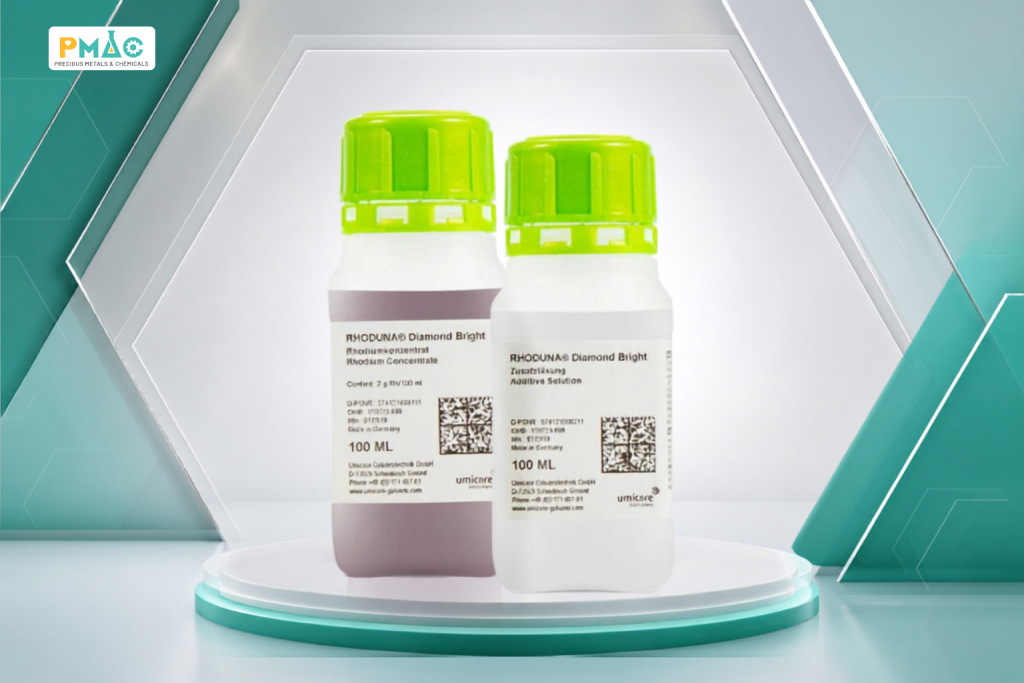
Figure 3: Premium Rhodium Plating Solution
Related Article: Premium Rhodium Plating Chemicals from PMAC
Related Article: Top 3 Most Popular Rhodium Plating Chemicals in 2025
2. Surface Preparation Before Plating
Proper surface preparation is essential before rhodium plating. Any residual contaminants can negatively affect coating adhesion.
A clean and uniform surface allows rhodium ions to distribute evenly during electroplating, resulting in a smooth, bright, and durable finish. Conversely, inadequate preparation may lead to peeling, uneven color, and reduced coating lifespan.
3. Operating Parameters
The quality of rhodium plating also depends on maintaining appropriate operating parameters throughout the plating process.
Factors such as voltage, current density, solution temperature, and plating time must be carefully controlled according to the manufacturer’s recommendations.
Failure to maintain these parameters may result in plating defects such as burning, uneven color, poor brightness, or inadequate adhesion.
4. Coating Thickness
The thickness of the rhodium layer directly influences product durability. If the coating is too thin, the jewelry may lose its shine more quickly and become less resistant to tarnishing and wear.
On the other hand, an appropriate coating thickness improves wear resistance while maintaining brightness and color for a longer period.
However, because rhodium is an extremely valuable precious metal, manufacturers must carefully balance coating quality and production costs when determining the optimal plating thickness.
Conclusion
Rhodium plating is an advanced finishing technology that significantly enhances jewelry surfaces. Beyond improving appearance through increased whiteness and brilliance, rhodium coatings also provide superior durability, wear resistance, and oxidation protection.
However, due to the high value of rhodium, manufacturers should carefully evaluate their plating requirements. Using high-quality plating chemicals and maintaining a well-controlled plating process are essential for maximizing return on investment and ensuring premium product quality.
PMAC Joint Stock Company
Ho Chi Minh City Office:
4th Floor, HUTECH Building, D1 Road, Saigon Hi-Tech Park, Tang Nhon Phu Ward, Ho Chi Minh City, Vietnam
Hanoi Office:
22B O2, Linh Dam Peninsula, Hoang Liet Ward, Hanoi, Vietnam
Hotline: (+84) 908 727 235
Fanpage: PMAC