

To achieve a flawless platinum-plated finish, plating chemicals play an extremely important role. High-quality platinum plating chemicals help create a bright white coating and maintain its appearance for a longer period. As a result, platinum plating chemicals have become increasingly popular and are now widely used in the jewelry manufacturing industry.
What are the most prominent applications of platinum plating chemicals in jewelry production? Why are platinum plating chemicals preferred by so many businesses during the manufacturing process? Let’s explore these questions in greater detail with PMAC in the article below.
I. What Are Platinum Plating Chemicals?
1. Definition of Platinum Plating Chemicals
Platinum plating chemicals are a key component of the platinum plating process. They directly determine the quality of the final plated coating. The primary ingredients of these chemicals include platinum salts and various specialized additives. The formulation ratio is adjusted according to production requirements, desired coating color, and target plating thickness.
>>> Read More: What Is Platinum Plating?
2. Key Characteristics of Platinum Plating Chemicals
Platinum is a precious metal renowned for its naturally bright white appearance and high reflectivity. In addition, it offers exceptional durability and outstanding resistance to oxidation under normal environmental conditions.
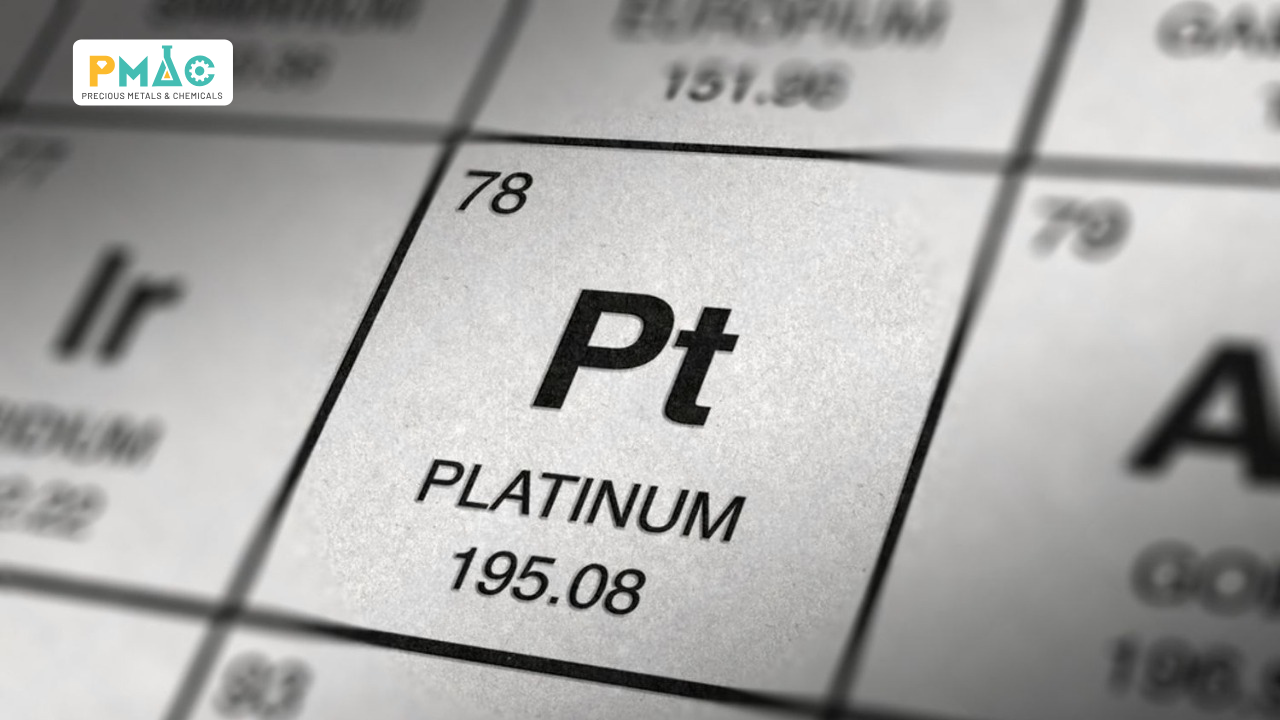
Figure 1: Platinum Metal
By inheriting these properties, platinum plating chemicals have become widely used in jewelry manufacturing and high-end jewelry plating applications. Some of their most notable characteristics include:
Bright White Coating
Platinum plating chemicals create a naturally bright white coating with a high-gloss finish. This coating enhances the overall aesthetics of jewelry, providing a luxurious and modern appearance.
Excellent Adhesion
When applied using the correct process parameters and operating conditions, platinum plating chemicals produce a coating with strong adhesion to the metal surface. This helps minimize peeling, flaking, and coating defects during use.
Oxidation Resistance
One of the major advantages of platinum plating chemicals is their ability to create a chemically stable coating. As a result, plated products are more resistant to tarnishing and oxidation, allowing them to maintain their bright appearance for a longer period.
Improved Product Durability
A platinum-plated layer acts as an additional protective barrier on the jewelry surface. It helps reduce the impact of environmental factors, minimizes minor scratches, and contributes to extending the lifespan of the product.
II. 5 Outstanding Applications of Platinum Plating Chemicals
Thanks to their ability to create bright white coatings, provide excellent durability, and offer superior oxidation resistance, platinum plating chemicals are widely used in the jewelry manufacturing industry. Below are the five most common applications of platinum plating chemicals in jewelry production and finishing.
1. Creating a Bright White Coating for White Gold Jewelry
White gold jewelry is typically made from gold alloys combined with other metals such as silver, nickel, or palladium. As a result, after fabrication, the product may not achieve the desired level of whiteness, and in some cases, color inconsistency may appear across the surface.
Platinum plating chemicals create a uniform bright white coating over the entire product. This gives white gold jewelry a more luxurious appearance, higher gloss, and improved aesthetic quality that meets the expectations of the high-end jewelry market. In addition, the plated layer helps conceal minor color variations that may occur during the manufacturing process, enhancing the overall finish quality.
2. Protecting Silver Jewelry from Tarnishing
Silver is one of the most commonly used metals in jewelry manufacturing. However, it is prone to oxidation when exposed to air and sulfur-containing compounds. Over time, this causes the surface to tarnish and lose its original shine.
Applying platinum plating chemicals creates a protective layer on the silver surface, minimizing direct contact between the metal and the surrounding environment. As a result, oxidation occurs more slowly, allowing the jewelry to maintain its bright appearance for a longer period. Furthermore, platinum plating reduces the need for frequent polishing and maintenance, improving the overall user experience.
3. Enhancing the Surface Finish of Gemstone Jewelry
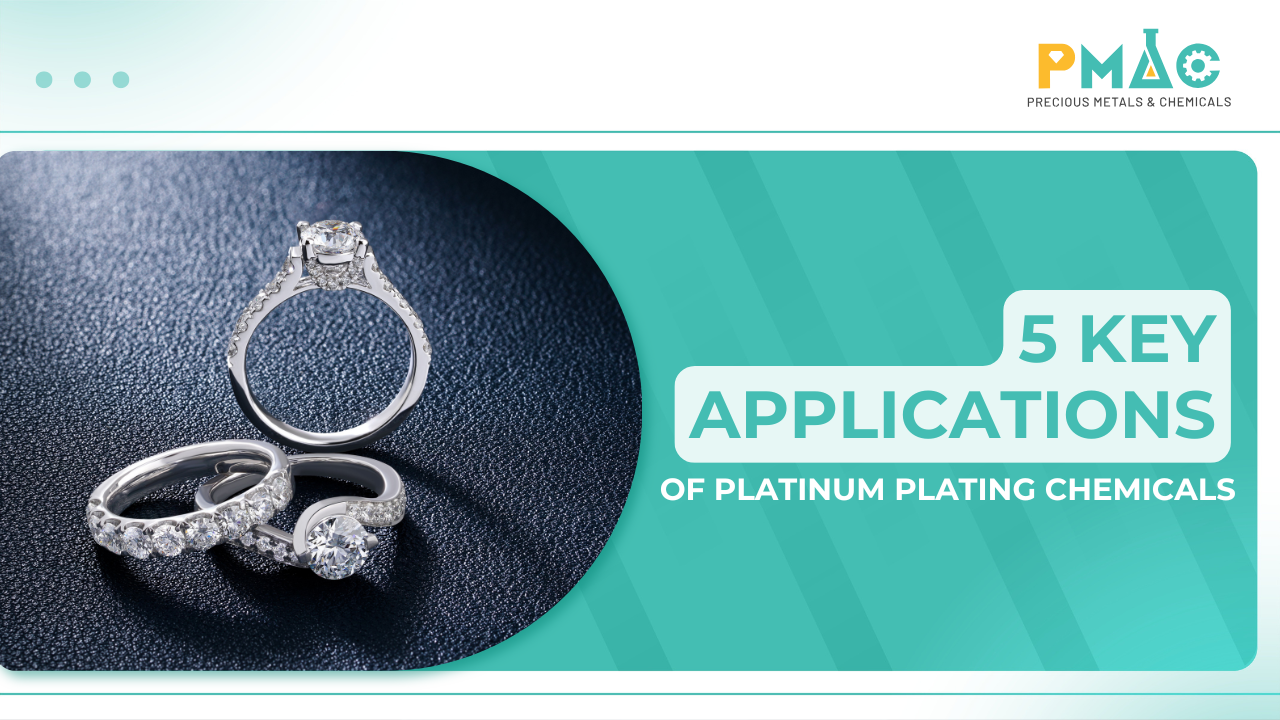
For jewelry set with diamonds, precious stones, or semi-precious gemstones, aesthetics are always a top priority. The distinctive bright white color of platinum plating provides an ideal background that enhances the color and brilliance of the stones.
The coating’s excellent light reflectivity improves sparkle and brilliance, making gemstones more eye-catching under various lighting conditions. Therefore, platinum plating chemicals are commonly used in engagement rings, wedding bands, necklaces, and premium earrings to maximize the overall aesthetic value of the jewelry.
4. Improving Wear Resistance of Jewelry
During daily use, jewelry is frequently exposed to friction, impacts, and external forces. These factors can cause minor scratches and gradually affect the product’s finish quality.
The coating formed by platinum plating chemicals acts as an additional protective barrier that reduces the impact of environmental and mechanical factors on the jewelry surface. As a result, products achieve better wear resistance, maintain their shine for a longer period, and enjoy an extended lifespan after manufacturing.
5. Applications in High-End Accessories and Jewelry
Premium jewelry and accessories require exceptional finishing quality, color consistency, and long-term aesthetic durability. The use of platinum plating chemicals helps manufacturers improve product quality, meet the expectations of high-end customers, and increase the commercial value of their products.
Thanks to these outstanding benefits, platinum plating chemicals have become one of the preferred surface-finishing solutions for jewelry manufacturers and workshops in modern jewelry production.
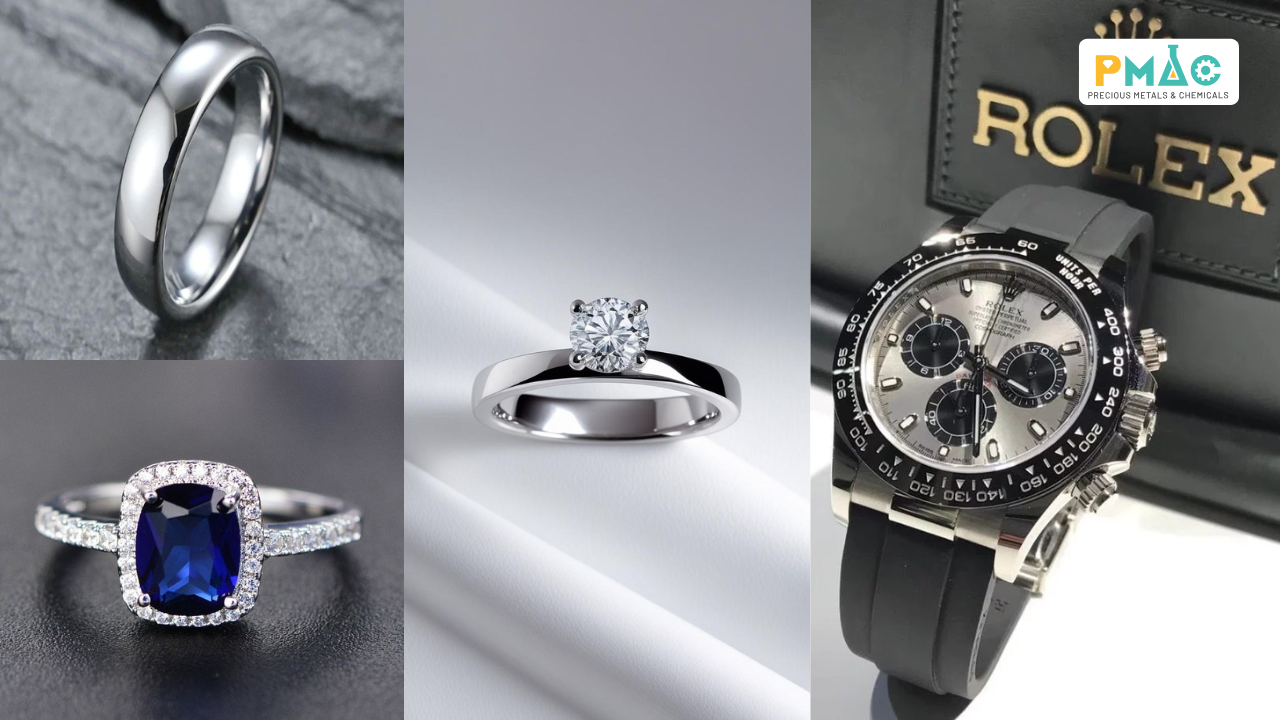
Figure 2: Outstanding Applications of Platinum Plating Chemicals
III. Why Many Businesses Choose Platinum Plating Chemicals
1. Enhancing Product Quality
Surface quality is one of the most important criteria used to evaluate jewelry products. Platinum plating chemicals create a smooth, glossy, and highly refined coating that enhances the overall appearance of jewelry.
In addition to improving aesthetics, the coating protects the jewelry surface from environmental influences, reducing oxidation and minimizing the risk of damage during use. As a result, finished products maintain consistent quality and meet the strict standards of the jewelry industry.
2. Increasing the Commercial Value of Jewelry
Products with an attractive appearance, high gloss, and long-lasting beauty are generally perceived as more valuable by customers. Platinum plating chemicals enhance product value by providing a luxurious and bright white finish.
Furthermore, the coating’s tarnish resistance and protective properties help extend product lifespan, increasing the value customers receive from their purchase. This advantage enables businesses to strengthen their competitive position in the market.
3. Meeting the Requirements of Premium Customers
Customers in the luxury segment have high expectations regarding color consistency, finish quality, and durability. They are not only interested in design but also in how well a product maintains its appearance over time.
Platinum plating chemicals help manufacturers satisfy these expectations by creating coatings with high gloss, uniform color, and excellent oxidation resistance. For this reason, they are widely used in premium jewelry collections and high-value gemstone jewelry.
4. Strengthening Professional Brand Image
Product quality reflects a company’s reputation and capabilities. Jewelry with superior finishing, bright surfaces, and long-lasting color creates a positive impression on customers.
Using high-quality platinum plating chemicals demonstrates a company’s commitment to excellence in manufacturing. This contributes to a professional brand image, increases customer trust, and supports long-term growth within the jewelry industry.
Thanks to their benefits in quality improvement, commercial value enhancement, and market competitiveness, platinum plating chemicals continue to be a preferred solution for jewelry manufacturers and businesses worldwide.
IV. Important Considerations When Choosing Platinum Plating Chemicals
To achieve a high-quality platinum-plated finish, businesses must pay close attention not only to the plating process itself but also to the quality of the chemicals being used. A stable platinum plating solution helps improve product quality, optimize production efficiency, and minimize operational issues.
1. Choose a Reputable Supplier
Chemical quality directly affects plating quality. Therefore, businesses should prioritize reputable suppliers with extensive experience in plating chemicals and a proven track record within the jewelry industry.
Professional suppliers typically offer stable product quality, clear product origins, and technical support services that help customers optimize production performance and reduce quality-related risks.
Figure 3: Important Considerations When Selecting Platinum Plating Solutions
>>> Read More: PMAC – Leading Electroplating Chemical Supplier in Vietnam
2. Ensure Solution Stability
A high-quality platinum plating solution must maintain stability throughout its service life. If the chemical composition changes or becomes unbalanced, the coating may suffer from color inconsistency, reduced gloss, or poor adhesion.
For this reason, businesses should select highly stable chemical systems and regularly monitor and replenish solution components according to the supplier’s recommendations.
3. Control Plating Parameters
Even when using high-quality chemicals, coating defects may still occur if operating parameters are not properly controlled. Key parameters include solution temperature, current density, plating time, pH value, and chemical concentration.
Careful control of these variables ensures uniform color, high gloss, and strong adhesion while also extending solution life and reducing operating costs.
4. Follow Proper Operating and Maintenance Procedures
In addition to chemical quality, the condition of the plating system significantly impacts coating performance. Equipment such as plating tanks, power supplies, filtration systems, and solution agitation systems should be inspected, cleaned, and maintained regularly.
Following proper operating procedures helps maintain a stable plating environment, reduces defects, improves chemical efficiency, extends equipment lifespan, and increases production productivity.
Selecting the right platinum plating chemicals and combining them with appropriate operating procedures enables manufacturers to produce high-quality jewelry that meets the increasingly demanding expectations of today’s market.
>>> Read More: How to Choose Electroplating Chemicals for Your Production Line
Conclusion
Platinum plating chemicals play a crucial role in modern jewelry manufacturing thanks to their ability to create bright white, durable, and highly stable coatings. From enhancing white gold jewelry and protecting silver from tarnishing to highlighting gemstone jewelry and improving wear resistance, platinum plating chemicals have become a preferred solution for many jewelry manufacturers.
To achieve optimal plating performance, selecting high-quality chemicals and implementing the right technological solutions are essential. If your business is looking for professional electroplating chemicals and advanced plating technologies for the jewelry industry, contact PMAC today for expert consultation and customized solutions tailored to your production requirements.
PMAC Joint Stock Company
Ho Chi Minh City Office:
4th Floor, HUTECH Building, D1 Road, Saigon Hi-Tech Park, Tang Nhon Phu Ward, Ho Chi Minh City, Vietnam
Hanoi Office:
22B O2, Linh Dam Peninsula, Hoang Liet Ward, Hanoi, Vietnam
Hotline: (+84) 908 727 235
Fanpage: PMAC