

A finished electronic product can contain hundreds of different materials and components, including printed circuit boards, connectors, wires, solder alloys, metal coatings, engineering plastics, adhesives, inks, and insulating materials. If even one of these components contains a restricted substance above the permitted limit, the final product may fail to comply with RoHS requirements.
The challenge is that this risk often originates very early, at the raw-material or incoming-component stage, while manufacturers may not detect it until the product has already passed through multiple production steps. At that point, the impact is no longer limited to one non-conforming material sample; it may involve quarantining entire batches, tracing production records, retesting products, or handling affected finished goods.
Understanding RoHS requirements is therefore only the first step. For technology manufacturers, RoHS needs to be controlled early in the supply chain so that risks can be identified before non-conforming materials move deeper into production.
I. What Is RoHS?
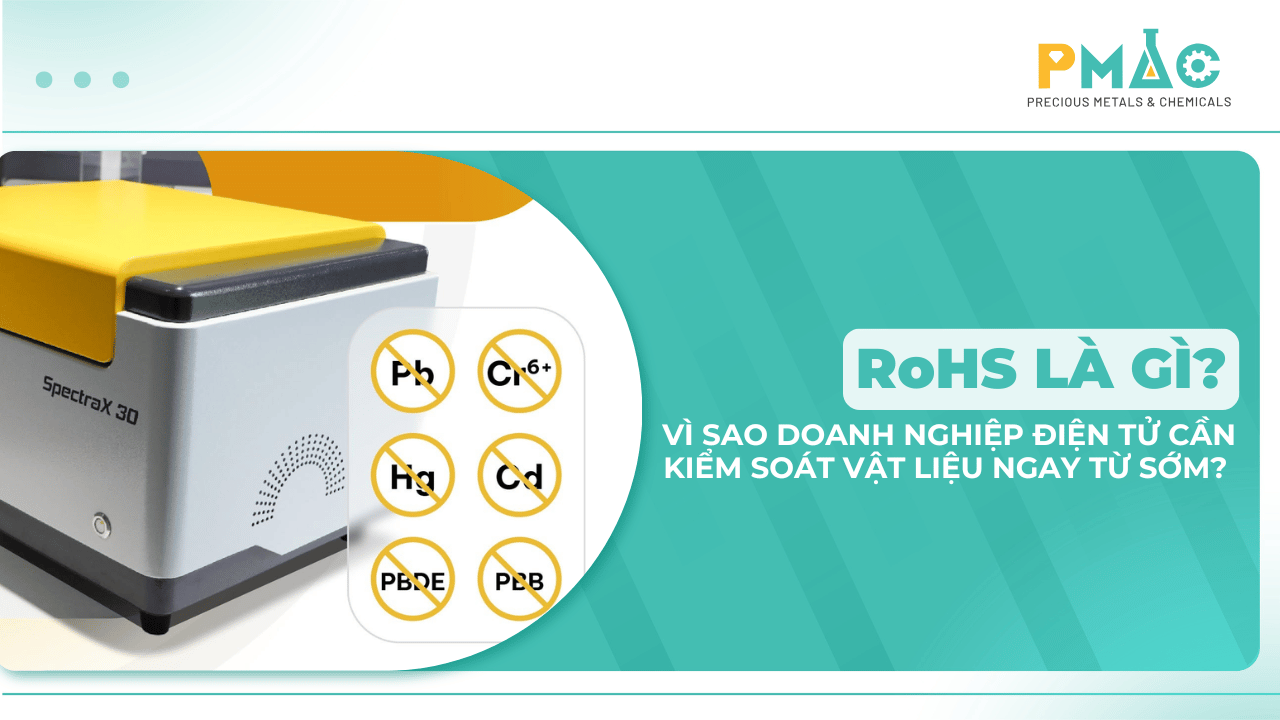
RoHS stands for Restriction of Hazardous Substances. It refers to regulations restricting the use of certain hazardous substances in electrical and electronic equipment. In the European Union, the principal legal framework is Directive 2011/65/EU, commonly known as RoHS 2. The Directive restricts the presence of certain substances that may pose risks to human health and the environment in electrical and electronic equipment placed on the EU market.
Subsequently, Directive (EU) 2015/863 added four phthalates to the restricted-substance list, bringing the commonly controlled substances under RoHS to ten.
| Restricted substance | Maximum concentration in homogeneous material |
| Lead (Pb) | 0.1% |
| Mercury (Hg) | 0.1% |
| Cadmium (Cd) | 0.01% |
| Hexavalent Chromium (Cr VI) | 0.1% |
| PBB | 0.1% |
| PBDE | 0.1% |
| DEHP | 0.1% |
| BBP | 0.1% |
| DBP | 0.1% |
| DIBP | 0.1% |
An important point is that these limits are assessed based on homogeneous materials, rather than simply on the total weight of the finished product.
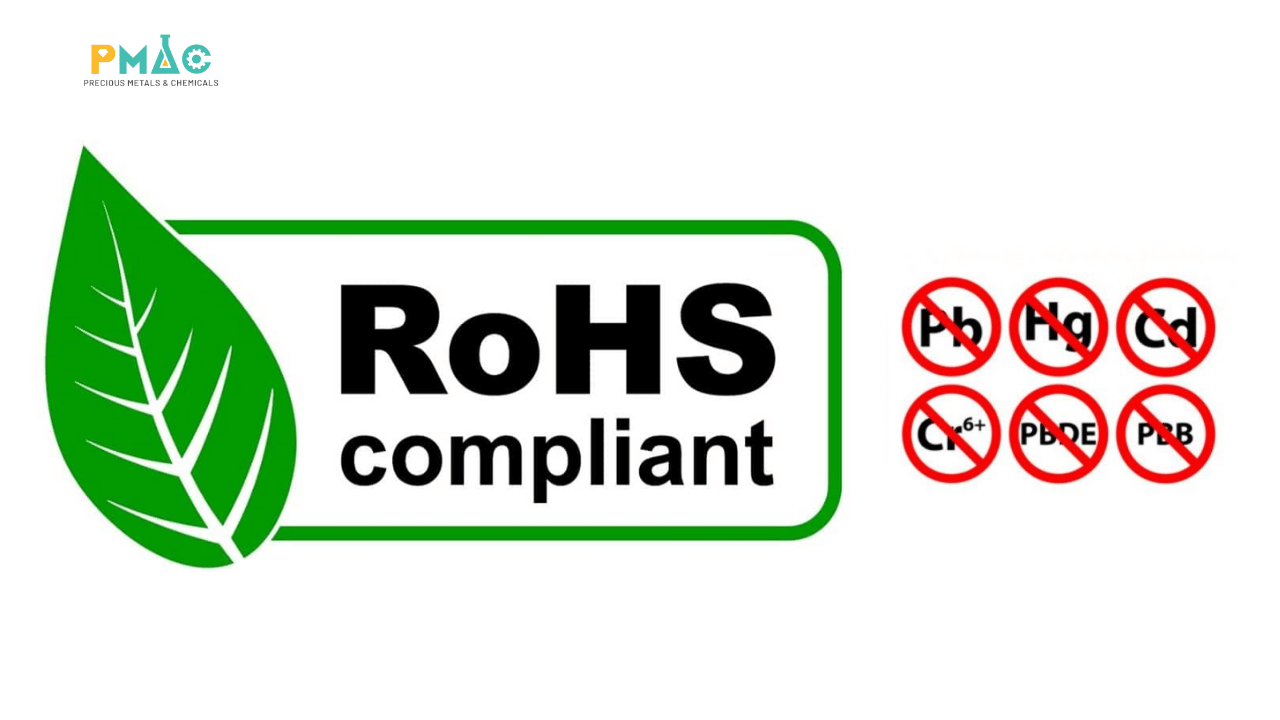
Figure 1: What is the RoHS standard?
II. Homogeneous Materials Are the Basis of RoHS Assessment
The concept of a “homogeneous material” is one of the most important principles in RoHS control. Under Directive 2011/65/EU, a homogeneous material is either a material of uniform composition or a material that cannot be mechanically separated into different materials through ordinary actions such as unscrewing, cutting, crushing, grinding, or abrasive processes.
For example, an electrical wire is not necessarily considered a single material. Its metal conductor, plated layer, and plastic insulation may each constitute separate homogeneous materials. Similarly, on a printed circuit board, solder alloy, coating on component terminals, and connector plastics may need to be assessed separately.
This explains why a product with a very low total amount of lead cannot automatically be considered RoHS compliant. If lead is concentrated in one homogeneous material above the permitted limit, that material may still be non-compliant unless a relevant exemption applies.
III. RoHS Control Should Begin with Incoming Materials
Electronics manufacturers rarely produce every material and component used in their products. PCBs, connectors, cables, solder alloys, metal finishes, plastic parts, and insulating materials are typically sourced from multiple suppliers. RoHS risk can therefore enter the production system before manufacturing even begins.
Consider a batch of connectors whose plated surface contains a restricted substance above the permitted limit. If the issue is detected during incoming inspection, the manufacturer can isolate the batch before production. However, if the same connectors have already been assembled onto thousands of circuit boards, the scope of corrective action becomes significantly larger.
The manufacturer may then need to identify the affected raw-material batch, trace which products used those components, retest finished goods, and assess the impact on orders that have already been shipped.

Figure 2: Why should RoHS be controlled at the incoming material stage?
IV. RoHS Risk Varies Across Electronic Materials
Different material groups present different types of risk. Solder alloys, metal components, and coatings may be associated with lead or cadmium. Certain surface-treatment processes may require attention to hexavalent chromium. Plastics, flame-retardant materials, and other polymer components may involve brominated substances or phthalates.
This distinction is important when designing a RoHS testing program. Not every material needs to be tested using the same method or at the same frequency.
A material with a stable history, an approved supplier, and complete technical documentation may present a different level of risk from a newly introduced material, a batch from a new source, or a component whose formulation has recently changed.
An effective RoHS control system should therefore be based on the risk level of each material, rather than simply increasing the number of samples tested.
V. Supplier Documentation Does Not Replace RoHS Verification
Supplier documentation is an important part of a RoHS control system, but documentation alone cannot replace comprehensive material management.
Manufacturers commonly collect material declarations, test reports, technical specifications, and declarations of conformity from suppliers. At the technical-documentation level, EN IEC 63000:2018 is a standard recognized by the EU to support the assessment of materials, components, and electrical and electronic equipment with respect to hazardous-substance restrictions.
However, risks may arise when suppliers change raw-material sources, material formulations, coatings, subcontractors, or manufacturing processes without corresponding updates to technical documentation.
Instead of choosing between “testing” and “trusting supplier documentation,” manufacturers should combine supplier documentation, change control, material traceability, and risk-based testing.
VI. XRF Provides Rapid Screening for RoHS Control
XRF – X-ray fluorescence is an elemental analysis technique widely used in material control because it provides rapid results and, in many applications, does not require destructive sample preparation. For a more detailed explanation of the technology, PMAC has published a dedicated article on XRF technology and its applications in material analysis.
For RoHS control, XRF is particularly suitable for screening. The latest edition of IEC 62321-3-1:2026, published in May 2026, specifies the use of XRF for screening certain elements in materials used in electrotechnical products, including Pb, Hg, Cd, total Cr, and total Br.
The key advantage of XRF is its ability to help quality-control teams rapidly identify samples that show unusual results or require further analysis. The technology can therefore be applied at incoming material inspection areas, quality-control laboratories, or other points where rapid verification of material composition is required.
For manufacturers that require flexible testing across multiple inspection locations, further information is available in PMAC’s article on handheld XRF analyzers and their applications in material analysis.
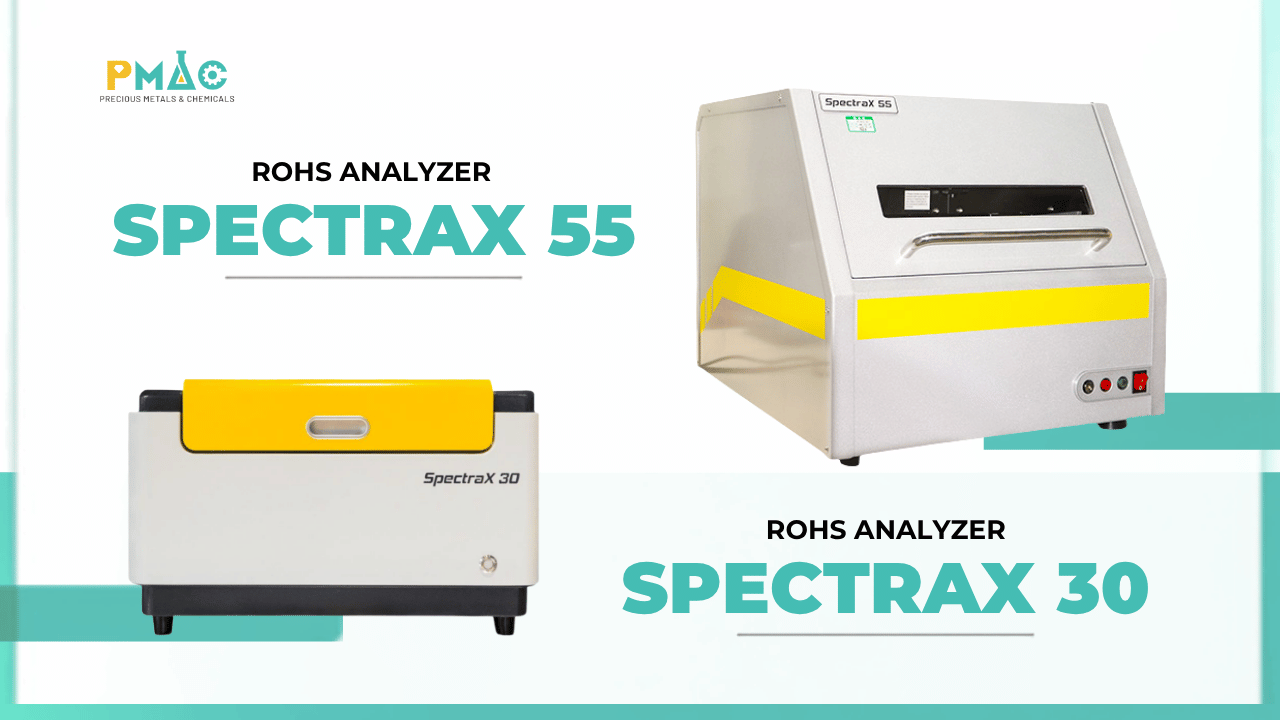
Figure 3: Using XRF for RoHS screening
VII. Effective RoHS Control Requires an Integrated Process
An effective RoHS control program should begin before materials enter production.
During supplier selection, manufacturers should define material requirements, collect technical documentation, and identify higher-risk material groups. When materials arrive at the factory, appropriate batches can be screened using XRF or other suitable analytical methods depending on their risk profile.
During production, manufacturers must continue controlling material changes, component substitutions, incorrect part numbers, and the use of unapproved materials.
Measurement data, batch information, and supplier documentation should then be linked to maintain traceability. When an abnormal result appears, the manufacturer should be able to quickly determine where the material came from, when it was used, and which products incorporated it.
The overall control logic can be summarized as:
Supplier → Material Documentation → Incoming Inspection → Production Control → Further Analysis When Required → Data Traceability
Finished-product testing remains necessary in appropriate cases, but it should function as one element of the overall control system rather than as the only barrier against non-conformity.
VIII. RoHS Is Fundamentally a Supply-Chain Control Challenge
From this perspective, RoHS is not simply a requirement that manufacturers need to satisfy before exporting products. It also reflects the company’s ability to manage materials throughout the supply chain.
A sample that passes today does not guarantee that every future production batch will remain compliant. Customers in the electronics supply chain increasingly require more than a single test report; they need evidence that manufacturers can maintain compliance even when suppliers, raw materials, or production conditions change.
This is why analytical data is becoming increasingly important. When XRF and other analytical methods are positioned appropriately within the process, manufacturers can detect abnormal materials earlier, reduce the number of samples that need to be sent for advanced laboratory analysis, and support root-cause investigation when deviations occur.
For processes involving metal layers and electroplating in the electronics and semiconductor industries, material-composition control can also directly affect manufacturing performance. PMAC has discussed this relationship further in Semiconductor Electroplating Materials: New Opportunities for PMAC and Umicore.
IX. Conclusion
A non-conforming material detected during incoming inspection may affect only one batch of raw materials. However, once that material has moved deeper into production, the impact can spread to work-in-process, finished products, and even batches that have already been delivered to customers.
Effective RoHS control should therefore begin as early as possible. Manufacturers need to proactively screen incoming materials, identify elements that may exceed permitted thresholds, and prevent potentially non-conforming materials from progressing further into the production line.
Within this process, XRF provides a practical tool for rapid, non-destructive screening and supports faster on-site decision-making. SpectraX 30 and SpectraX 55, supplied by PMAC, can support RoHS screening across a range of materials, helping manufacturers shorten inspection times and strengthen incoming quality control.
Learn more about SpectraX 30 and SpectraX 55 to build a faster and more proactive RoHS screening process directly at your facility.
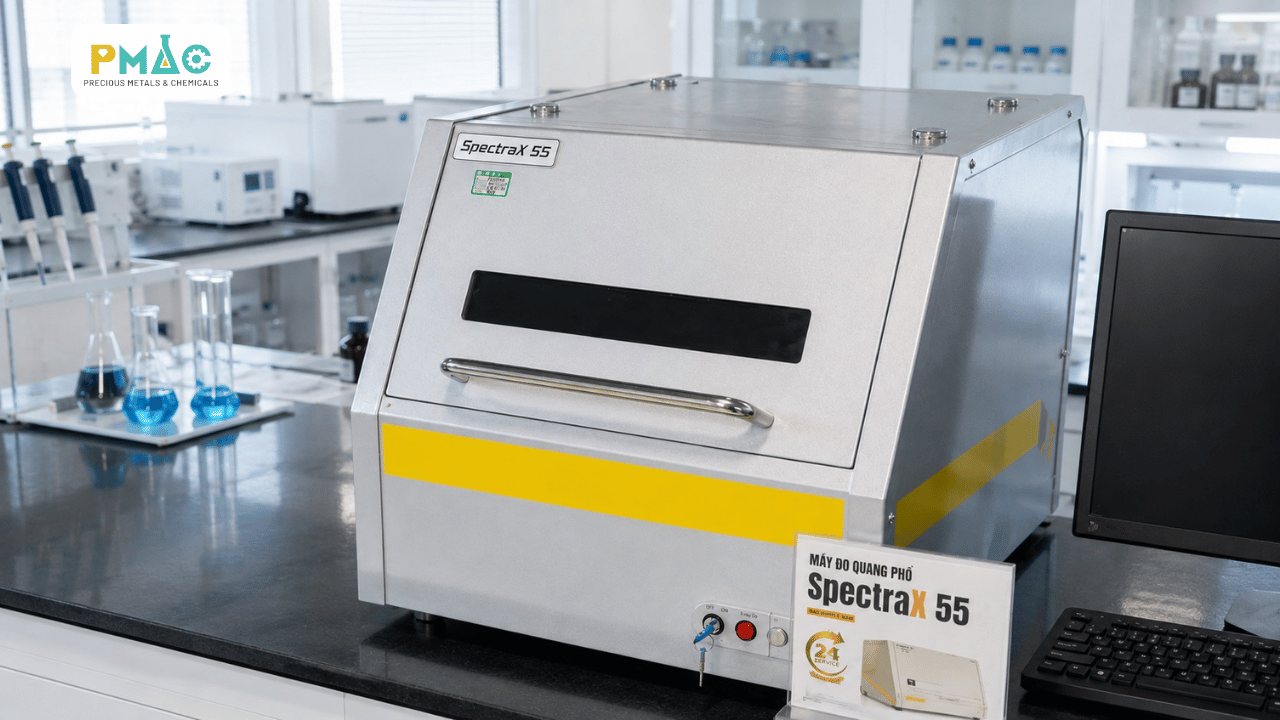
Figure 4: SpectraX 30 and SpectraX 55 for Faster and More Proactive RoHS Screening