

In modern electrical systems—from EV charging connectors and high-voltage connectors to industrial automation equipment—the service life of electrical contacts has become a critical factor in evaluating overall product reliability.
Every time a connector is plugged in or unplugged, or an electrical contact opens and closes, the contact surface is subjected to mechanical friction, high electrical current, and continuous temperature fluctuations. After thousands or even tens of thousands of operating cycles, the protective plating layer can gradually wear away, leading to increased contact resistance, reduced electrical transmission efficiency, and a higher risk of heat generation.
To address this challenge, manufacturers are focusing not only on improving electrical conductivity but also on enhancing the wear resistance of contact coatings. Among today’s advanced surface engineering solutions, silver–graphite plating has emerged as a highly effective option because it combines the excellent electrical conductivity of silver with the solid lubricating properties of graphite. This unique combination significantly extends the service life of electrical contacts operating under high loads and repeated mechanical wear.
So, how does silver–graphite plating work, and why does it help electrical contacts last longer?
I. Why Is the Service Life of Electrical Contacts Becoming More Important?
Electrical contacts are the interfaces through which electrical current flows between two conductive components. Although they are relatively small parts, their quality directly affects the performance, safety, and durability of an entire electrical system.
In the past, many electrical devices only needed to handle moderate electrical loads. Today, however, the rapid growth of electric vehicles (EVs), renewable energy systems, and industrial automation has introduced much more demanding operating conditions. Connectors are now expected to carry higher currents, withstand higher voltages, and maintain stable performance over extended periods.
Consider an EV charging connector as an example. Throughout its service life, it may undergo tens of thousands of plug-and-unplug cycles. Every connection creates friction between the mating contact surfaces. If the protective coating lacks sufficient wear resistance, the contact surface gradually deteriorates, increasing contact resistance and generating more heat.
This not only reduces power transmission efficiency but also compromises equipment reliability, increases maintenance costs, and shortens connector lifespan.
For this reason, advanced coating technologies such as silver–graphite plating are increasingly being adopted in high-performance electrical connectors.
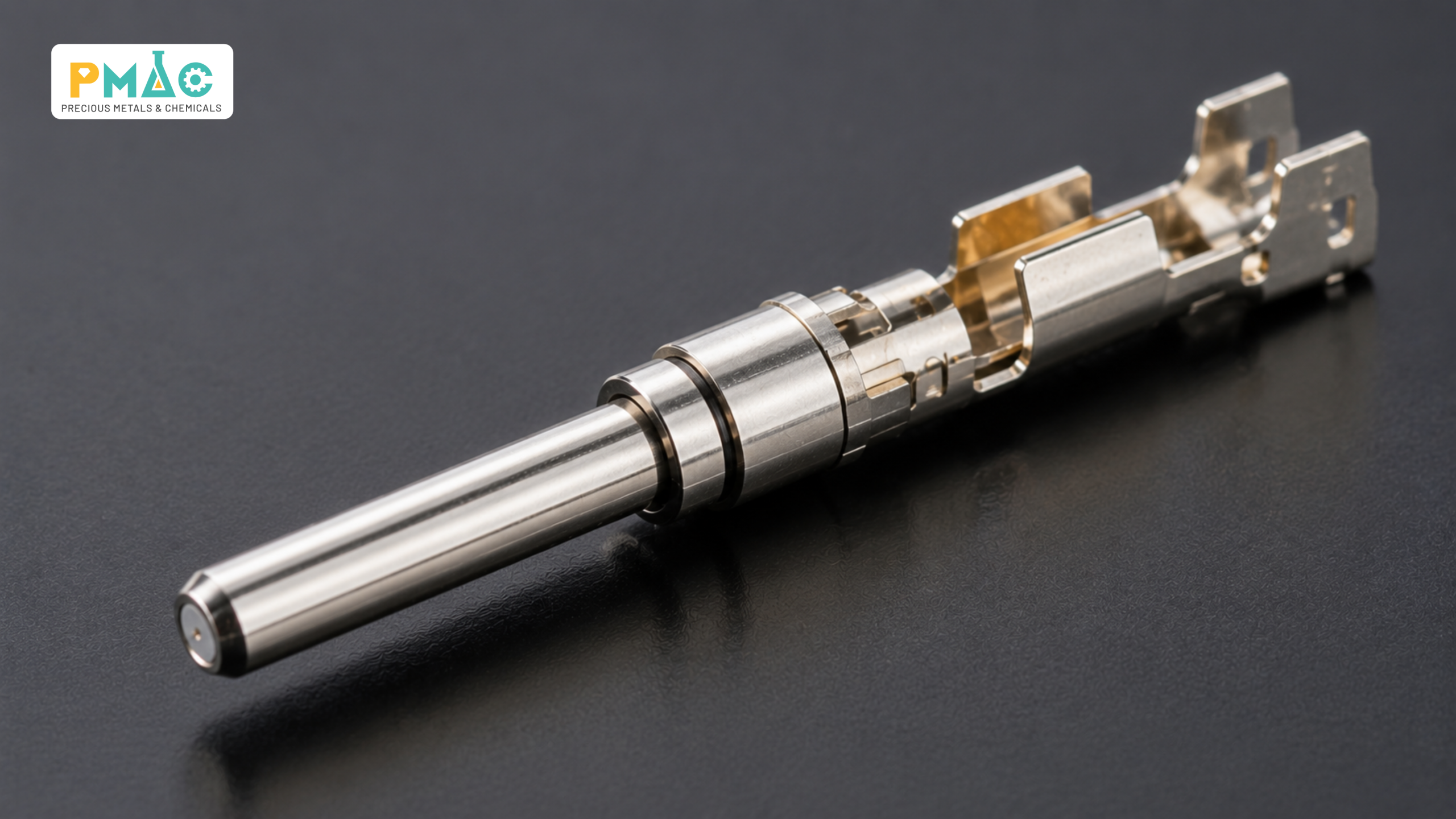
Figure 1. Electrical Contacts
II. What Reduces the Service Life of Electrical Contacts?
The lifespan of an electrical contact is not determined by a single factor. Instead, it results from the combined effects of mechanical, electrical, and chemical processes occurring simultaneously during operation.
1. Mechanical Friction
Whenever two electrical contacts engage or disengage, microscopic sliding occurs between their metal surfaces. Over time, this friction creates scratches, gradually removes the protective coating, and degrades the quality of the contact surface.
In applications involving frequent mating and unmating cycles, mechanical friction is often the primary cause of coating wear.
2. Electrical Arcing
When an electrical circuit is switched under load, a brief electrical arc may form. Although it lasts only a fraction of a second, the arc generates extremely high localized temperatures that can melt small areas of the contact surface and create microscopic pits.
Repeated arcing accelerates coating degradation and gradually reduces electrical conductivity.
3. Surface Wear
After numerous operating cycles, the plated layer slowly wears away. Once the underlying substrate becomes exposed, it is much more susceptible to oxidation, resulting in less stable electrical conductivity.
This is why connector manufacturers place significant emphasis on coating wear resistance during the product design stage.
4. Increased Contact Resistance
Contact resistance is not a fixed value.
As contact surfaces wear, deform, or become contaminated, the actual contact area between two conductive surfaces decreases. Electrical current must then pass through fewer contact points, increasing electrical resistance.
Higher resistance generates more heat through the Joule effect, accelerating the deterioration of the electrical contact.
5. Operating Temperature
High-voltage connectors and fast-charging systems typically operate under heavy electrical loads.
If the generated heat cannot be effectively managed, the coating gradually loses its mechanical strength, leading to faster wear.
Therefore, maintaining stable properties at elevated temperatures is an essential requirement for modern contact coating materials.
6. Operating Environment
Humidity, dust, vibration, and corrosive industrial environments also influence contact performance.
Combined with friction and elevated temperatures, these environmental factors accelerate coating degradation and reduce overall service life.
Degradation Process of Electrical Contacts
Electrical Contact → Friction → Coating Wear → Increased Contact Resistance → Heat Generation → Reduced Electrical Transmission Efficiency → Shorter Contact Service Life
This chain of events illustrates that friction and wear are often the starting points for many subsequent failures. Consequently, reducing friction at the coating level has become one of the most effective strategies for extending electrical contact life.
Table 1. Factors Affecting the Service Life of Electrical Contacts
| Factor | Effect on Electrical Contacts |
|---|---|
| Mechanical friction | Gradually wears away the protective coating |
| Electrical arcing | Causes localized melting and surface pitting |
| Surface wear | Reduces coating thickness and exposes the substrate |
| Increased contact resistance | Generates heat and lowers electrical efficiency |
| High operating temperature | Accelerates coating degradation |
| Humidity and dust | Reduce contact surface stability |
III. How Does Silver–Graphite Plating Work?
In electrical contact engineering, a coating must do more than provide excellent electrical conductivity—it must also maintain that performance after tens of thousands of operating cycles.
This requirement distinguishes demanding applications such as EV charging connectors, high-power charging (HPC) systems, and high-voltage connectors from conventional electrical applications.
To meet these demands, manufacturers have developed silver–graphite plating technology.
Rather than relying solely on pure silver, the coating consists of a silver matrix with uniformly dispersed graphite particles, combining the strengths of both materials:
- Silver provides outstanding electrical and thermal conductivity.
- Graphite acts as a solid lubricant, reducing friction and minimizing wear during repeated contact movement.
This combination enables the coating to deliver excellent electrical performance while maintaining long-term reliability under harsh operating conditions.
1. How Does Graphite Reduce Friction?
Unlike oils or grease, graphite is not a liquid lubricant. Instead, it is a solid material with a layered crystal structure.
The carbon atom layers within graphite are held together by relatively weak forces, allowing them to slide easily over one another when movement occurs.
As electrical contacts repeatedly mate and separate, graphite particles on the coating surface help reduce friction, resulting in several important benefits:
- Reduced adhesive wear
- Lower risk of coating delamination
- Less heat generated by friction
- Slower wear of the contact surface
This mechanism makes silver–graphite coatings particularly suitable for connectors subjected to frequent insertion and withdrawal cycles.
2. Maintaining Stable Contact Resistance
One of the primary reasons electrical contacts lose performance over time is the gradual increase in contact resistance.
As the coating wears away, the actual contact area decreases. Electrical current must pass through smaller contact points, leading to higher resistance and increased heat generation.
By protecting the contact surface against friction, silver–graphite plating helps preserve the coating structure for a much longer period.
As a result, contact resistance remains more stable over time, supporting efficient power transmission while reducing the risk of overheating during operation.
IV. Pure Silver vs. Silver–Graphite Plating
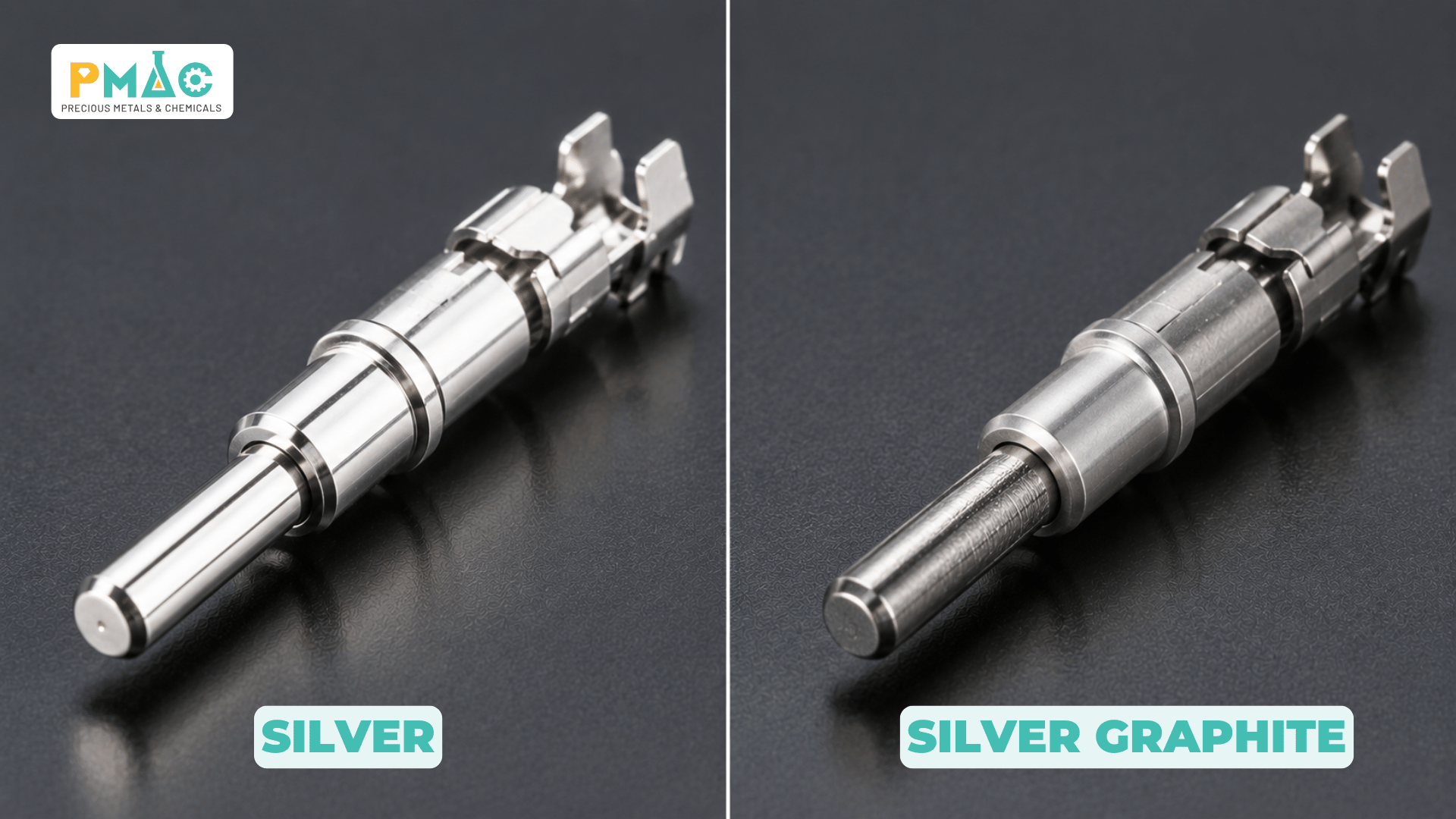
Figure 2. Pure Silver vs. Silver–Graphite Electrical Contacts
Silver has long been the preferred material for electrical contacts because of its outstanding electrical and thermal conductivity. However, as connectors are increasingly required to withstand repeated mating cycles, wear resistance has become just as important as conductivity.
This is why silver–graphite plating was developed—not to replace pure silver entirely, but to optimize performance in applications where mechanical wear is a critical concern.
Table 2. Comparison Between Pure Silver and Silver–Graphite Plating
| Criteria | Pure Silver Plating | Silver–Graphite Plating |
|---|---|---|
| Electrical conductivity | Very high | Very high |
| Coefficient of friction | Higher | Lower due to graphite |
| Wear resistance | Good | Excellent |
| Contact resistance | Very low initially | More stable under repeated friction |
| Contact service life | Suitable for standard applications | Longer in high-cycle mating applications |
| Lubrication requirements | May require lubrication in certain applications | Reduced or eliminated in many applications |
| Typical applications | Busbars, relays, power conductors | EV charging connectors, HPC systems, high-voltage connectors |
The most significant difference between these two coating technologies lies in their ability to maintain performance over time.
For applications with minimal mechanical wear, pure silver plating remains an excellent choice thanks to its exceptional electrical conductivity. However, when connectors are repeatedly plugged and unplugged, coating wear gradually affects contact resistance and ultimately shortens connector life.
In these demanding environments, incorporating graphite into the silver coating reduces friction, slows wear, and helps preserve a stable contact surface throughout the product’s operating life.
Read more: Pure Silver vs. Silver–Graphite Plating: What’s the Difference?
Important Note
Silver–graphite plating is not intended to replace pure silver plating in every application. Each coating technology has its own advantages and ideal use cases.
The optimal solution should be selected based on several engineering factors, including:
- Operating current
- Number of mating cycles
- Environmental conditions
- Required durability
- Overall product performance requirements
V. ARGUNA® C-100 – A Silver–Graphite Plating Solution for High-Power Electrical Contacts
The rapid growth of electric vehicles and high-power electrical systems has created increasing demand for coatings capable of maintaining stable performance under harsh operating conditions.
To meet these requirements, Umicore developed ARGUNA® C-100, a silver–graphite electroplating electrolyte specifically designed for electrical connectors requiring exceptional durability and long-term reliability.
Rather than focusing solely on conductivity, ARGUNA® C-100 is engineered to achieve an optimal balance between electrical performance and mechanical durability.
Its silver–graphite technology reduces friction during repeated mating cycles while maintaining low and stable contact resistance throughout extended service life.
1. Key Features of ARGUNA® C-100
ARGUNA® C-100 offers a range of performance characteristics that make it suitable for demanding electrical applications, including:
- Extremely high electrical conductivity
- Low and stable contact resistance
- Low coefficient of friction through graphite dispersion
- Outstanding wear resistance
- Reliable performance after more than 50,000 mating cycles
- Stable operation at temperatures exceeding 150°C
- Improved resistance to dust and humidity
- Capability to produce thicker coatings when required
- Reduced or eliminated need for periodic lubrication in many applications
- Compatibility with today’s major electrical connector standards
These characteristics make ARGUNA® C-100 particularly suitable for applications where contact longevity and stable electrical performance directly determine system reliability.
Read more: What Is ARGUNA® C-100? Umicore’s Silver–Graphite Electrolyte for High-Performance Connectors
2. Applications of ARGUNA® C-100 in EV and Electronics Industries
- EV Charging Connectors: Silver–graphite plating helps maintain a stable contact surface throughout repeated charging cycles, extending connector service life while reducing maintenance requirements.
- High-Power Charging (HPC): With stable performance at temperatures above 150°C and durability exceeding 50,000 mating cycles, ARGUNA® C-100 is well suited for next-generation high-power charging infrastructure.
- High-Voltage Connectors: Its superior wear resistance helps maintain consistent electrical contact quality over long operating periods, reducing the risk of performance degradation in high-voltage systems.
- Electronics and Industrial Equipment: Depending on application requirements, manufacturers can choose either pure silver or silver–graphite plating to achieve the desired balance between electrical conductivity, wear resistance, and service life.
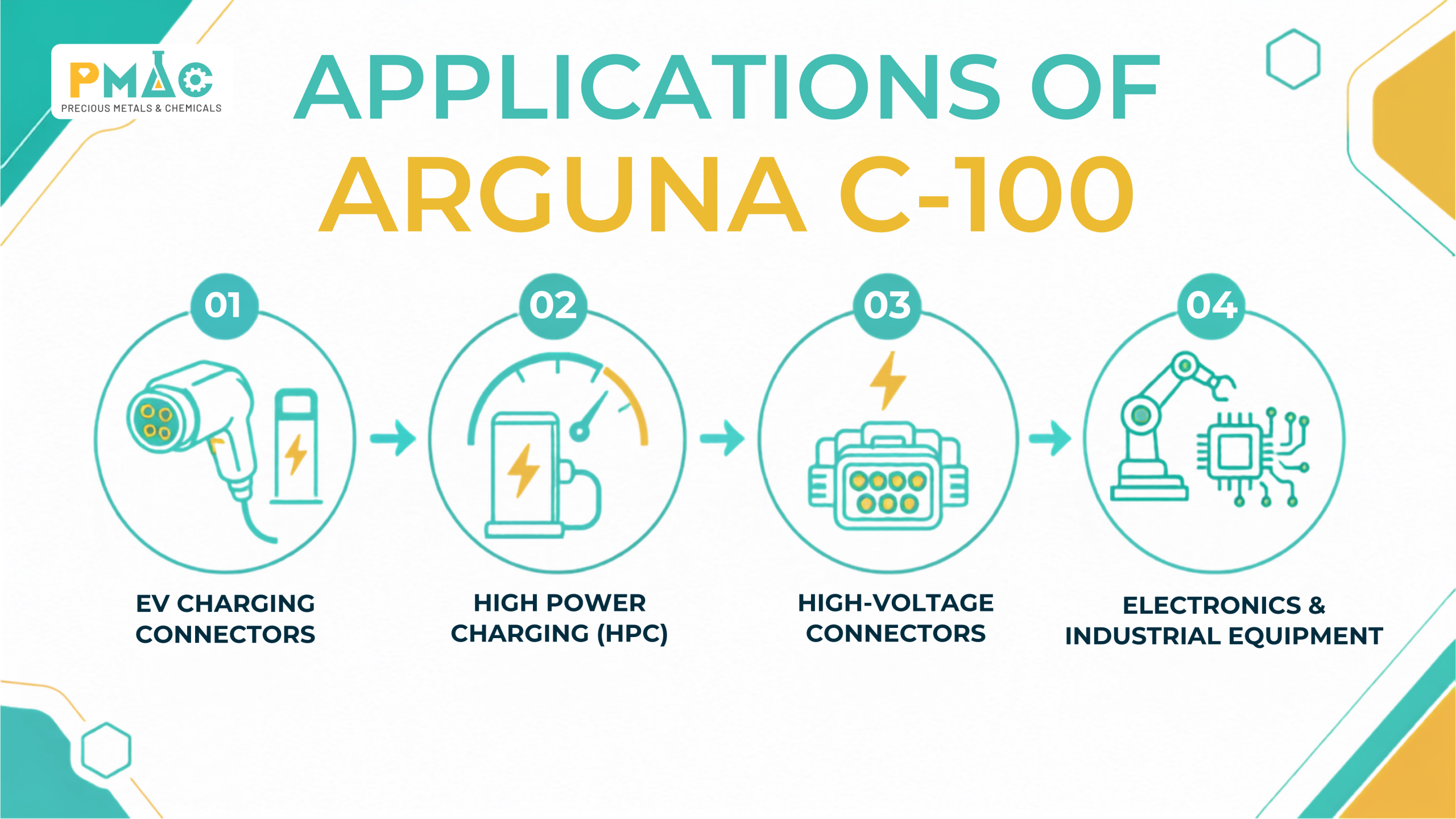
Figure 3. Typical Applications of ARGUNA® C-100
Read more: Which Electrical Contacts Are Best Suited for ARGUNA® C-100?
VI. PMAC – Your Technical Partner for Silver–Graphite Plating Solutions
Selecting the right coating is only one part of developing a reliable electrical connector. The overall performance of a plated component also depends on multiple factors, including the substrate material, surface preparation process, plating parameters, and actual operating conditions.
As the official distributor of Umicore in Vietnam, PMAC supplies genuine silver and silver–graphite electroplating solutions for the electronics, semiconductor, and electric vehicle industries.
Beyond supplying plating chemicals, PMAC provides comprehensive technical support to help manufacturers optimize both product performance and production efficiency.
Our services include:
- Recommending the most suitable plating solution for specific applications
- Evaluating technical and performance requirements
- Supporting electroplating process optimization and surface treatment
- Assisting with quality control and production improvement
Rather than recommending a single material or technology, PMAC works closely with customers to identify the most appropriate solution based on performance targets, durability requirements, and total operating costs.
Read more: PMAC CX HUB – Your One-Stop Technical Support Center for Electroplating and Precious Metal Materials
Conclusion
Silver–graphite plating offers an effective approach to extending the service life of electrical contacts by combining the exceptional electrical conductivity of silver with the solid lubricating properties of graphite.
This unique combination helps minimize friction, reduce coating wear, maintain stable contact resistance, and improve long-term reliability in applications involving frequent mating cycles and high electrical loads.
However, there is no one-size-fits-all coating solution.
The choice between pure silver plating and silver–graphite plating should always be based on the specific technical requirements of the application, including operating current, connection frequency, environmental conditions, and expected service life.
By evaluating these factors during the design stage, manufacturers can optimize electrical performance, maximize product durability, and reduce lifecycle costs.
If you’re looking to improve the reliability of your electrical connectors or optimize your electroplating process, PMAC’s technical specialists are ready to help.
From coating selection and process optimization to failure analysis and production support, we provide practical, data-driven solutions tailored to your manufacturing requirements.
PMAC Joint Stock Company
Ho Chi Minh City Office
4th Floor, HUTECH High-Tech Center Building, D1 Street, Saigon Hi-Tech Park, Tang Nhon Phu Ward, Ho Chi Minh City, Vietnam
Hanoi Office
22B O2, Linh Dam Peninsula, Hoang Liet Ward, Hanoi, Vietnam
Hotline: +84 387 235 878
Facebook: PMAC