

The rapid growth of electronics, smart devices, and digitalization is creating an increasingly visible paradox: the more electronic devices are put into use, the greater the volume of electrical and electronic products reaching the end of their life cycle. Once discarded, smartphones, computers, networking equipment, servers, and industrial control systems become more than a waste-management challenge. They also contain significant amounts of materials that can potentially be recovered.
According to the Global E-waste Monitor 2024, the world generated approximately 62 million tonnes of e-waste in 2022, an increase of 82% compared with 2010, and this figure could reach around 82 million tonnes by 2030. However, only 22.3% of e-waste generated in 2022 was documented as having been formally collected and recycled. More importantly, this waste stream contained approximately 31 million tonnes of metals, with an estimated total metal value of USD 91 billion, including around USD 15 billion worth of gold and USD 19 billion worth of copper.
These figures are changing the way e-waste is viewed. Instead of being treated solely as material that must be disposed of at the end of its useful life, many of its components are increasingly regarded as secondary raw materials that can be returned to the production cycle. Among the various components found in electronic devices, printed circuit boards – PCBs represent one of the most significant concentrations of recoverable value.
I. E-waste Is Becoming a New Resource
The concept of urban mining reflects this shift in perspective. Rather than extracting metals exclusively from natural ores, urban mining focuses on recovering valuable materials from end-of-life products, equipment, infrastructure, and other human-made stocks.
The opportunity is particularly significant in e-waste because electronic devices can contain copper, aluminum, nickel, tin, and precious metals such as gold, silver, and palladium. According to the Global E-waste Monitor, formally documented e-waste recycling recovered approximately USD 28 billion worth of secondary raw materials in 2022, while also reducing the need for a significant amount of primary resource extraction.
However, this value can only be captured when waste is properly sorted, processed, and directed into an appropriate recovery process. If circuit boards, electronic components, and metal-containing materials are treated together as ordinary waste, much of their remaining material value can be lost, while environmental risks may also increase.
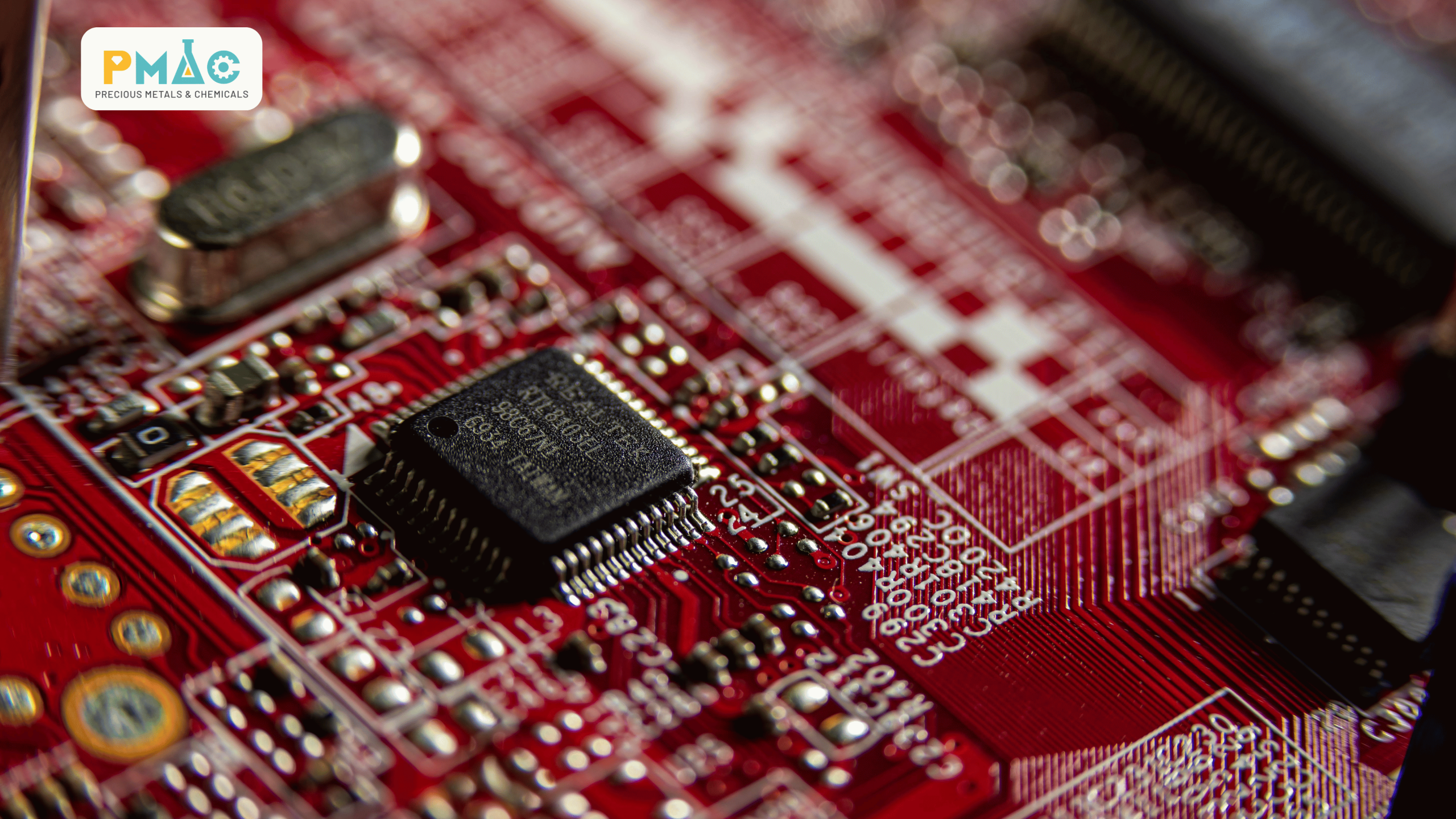
Figure 1. Old PCBs are a significant source of secondary raw materials in electronic waste
II. E-waste Is Becoming an Increasingly Important Issue in Vietnam
Vietnam is following a similar trend. According to data from ITU and UNITAR, the amount of e-waste generated in Vietnam is estimated to have increased from approximately 116,000 tonnes in 2014 to 516,000 tonnes in 2022, equivalent to around 5.3 kg per capita. In less than a decade, the estimated volume of e-waste therefore increased by more than four times.
This pressure does not come solely from the growing use of consumer electronics. The expansion of electronics manufacturing, component production, and digital transformation is also making product life-cycle management increasingly important.
From January 1, 2025, manufacturers and importers of several categories of electrical and electronic products in Vietnam have been required to fulfill recycling responsibilities under the EPR roadmap. This regulation is gradually shifting the collection and recycling of electronic products from a purely environmental issue toward a more explicit corporate responsibility.
Looking deeper into the material flow, however, the issue is broader than simply “how much waste needs to be treated.” There is another important consideration: how much value can still be recovered from the materials being discarded?
III. Why Are Old Circuit Boards Considered a “Gold Mine”?
A PCB (Printed Circuit Board) provides the electrical connections between components in most electronic devices. To ensure electrical conductivity, corrosion resistance, and stable contact performance, circuit boards and the components mounted on them use a variety of metals. A large share of the material value comes from base metals such as copper, while PCBs may also contain gold, silver, and palladium in contact points, connectors, components, coatings, and certain conductive structures.
What makes PCBs comparable to a “gold mine” is that the concentration of valuable metals can be significantly higher than in many natural ore sources. One scientific review of waste PCBs reported gold concentrations ranging from approximately 10 to 1,600 ppm, depending on the type and generation of electronic equipment, while a high-grade gold ore cited in the same context contained around 18 ppm. Actual metal concentrations can vary significantly between PCB types, which means that not every circuit board has the same recovery value.
Other studies have also found that waste PCBs can contain approximately 30–50% metallic content, with copper accounting for a substantial share alongside smaller quantities of Ag, Au, and Pd. The combination of large quantities of base metals and smaller but high-value concentrations of precious metals is what makes PCBs a noteworthy source of secondary raw materials.
The real value of these “gold mines” therefore lies in the ability to identify and utilize multiple metal streams, rather than recovering a single metal while discarding the remaining value.
IV. How Are Metals Recovered from Circuit Boards?
Metal recovery from PCBs does not begin by placing an entire circuit board into a single machine. Because PCB structures are highly complex, an effective process normally consists of several consecutive stages, with each stage preparing or separating a specific group of materials.
The first step is typically sorting and material characterization. PCBs from servers, telecommunications equipment, smartphones, and household electronics can vary significantly in component type and metal content. Proper classification at the beginning helps prevent different material streams with very different values from being processed using the same approach.
The circuit boards may then undergo dismantling, pre-treatment, and mechanical separation to remove unsuitable components and concentrate the material fractions targeted for recovery. Depending on the feedstock characteristics and operating scale, companies may then consider technologies such as pyrometallurgy, hydrometallurgy, or biological methods that are still being researched and developed. Recent reviews indicate that the industry is gradually moving from isolated recovery processes toward more selective separation methods and integrated circular systems.
In hydrometallurgical processes, metals are first transferred into solution under suitable conditions. The dissolved metals can then be separated using techniques such as precipitation, adsorption, ion exchange, solvent extraction, or electrolysis, depending on the target metal, its concentration, and the required purity. Refining stages are then used to convert the recovered metals into a form suitable for further use or additional processing.
A 2025 study on waste PCBs also highlighted a trend toward sequential multi-metal recovery rather than focusing exclusively on gold. Different leaching stages were investigated to recover Cu, Au, Ag, and Sn from the same feedstock. This approach is particularly relevant because the value of a circuit board is rarely concentrated in a single metal.
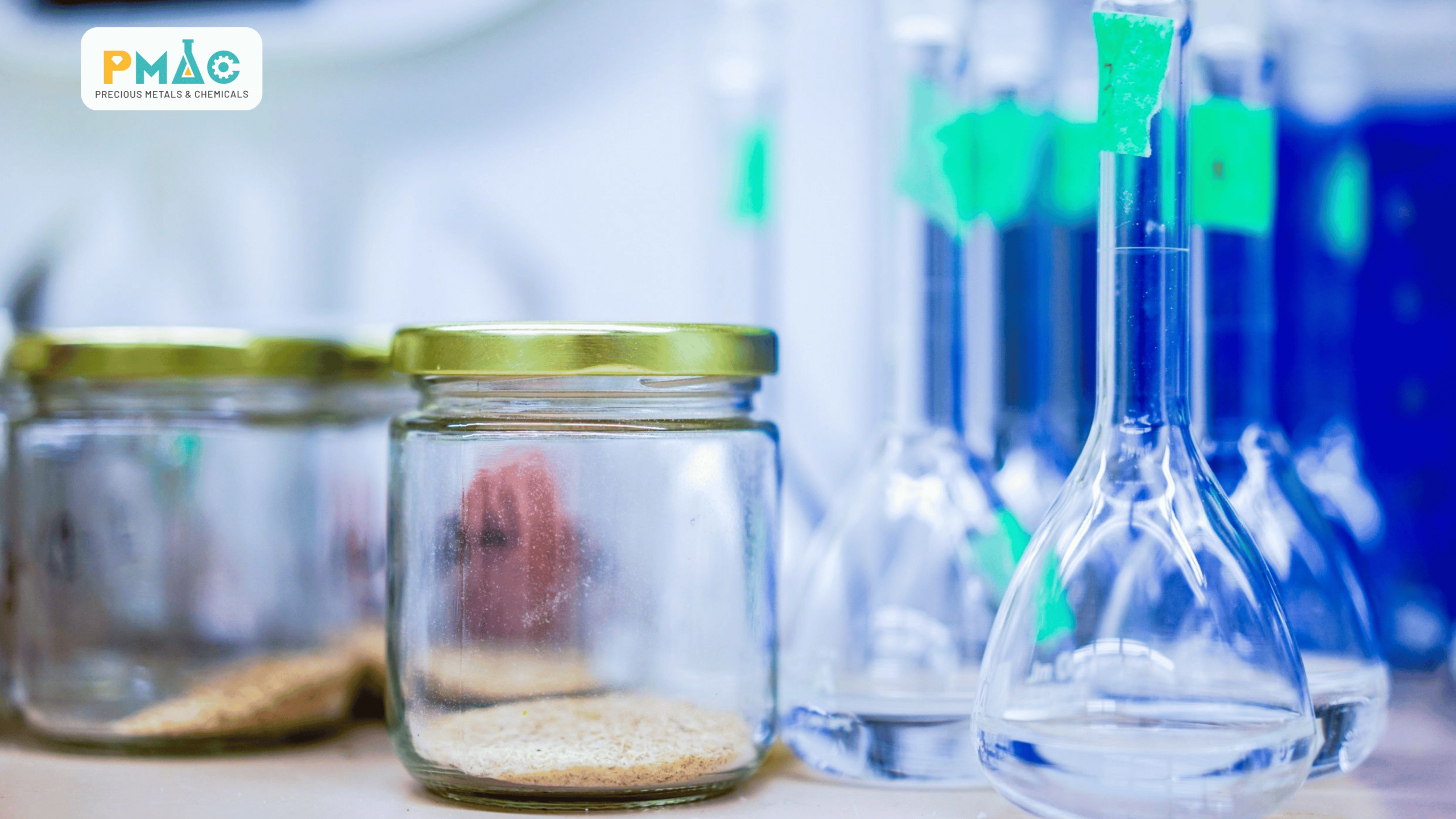
Figure 2. Metal recovery from PCBs requires a combination of multiple processing and separation stages
V. There Is No Single Recovery Process for Every Type of PCB
Differences in material composition make it difficult to apply one fixed recovery and refining process to every PCB stream. A batch of circuit boards containing a high proportion of copper but relatively low precious-metal content presents a very different recovery challenge from high-grade components, connectors, or PCBs containing significant quantities of gold, silver, or palladium. Similarly, a process designed for several hundred kilograms of material per month may not remain economically efficient when scaled up to a large industrial processing line.
Companies therefore need to consider feedstock composition, generation volume, target metals, recovery efficiency, chemical and energy costs, environmental requirements, and the value of the refined output at the same time.
This is also why precious-metal recovery and refining should not be viewed simply as purchasing a machine and feeding scrap material into it. The performance of the overall system depends on how each stage is designed and connected, from material sorting and pre-treatment to the recovery of individual metals and the management of process solutions and residual waste streams.
PMAC has discussed this topic in greater detail in the article Why Do Industrial Processes Need a Precious Metal Recovery and Refining System?.
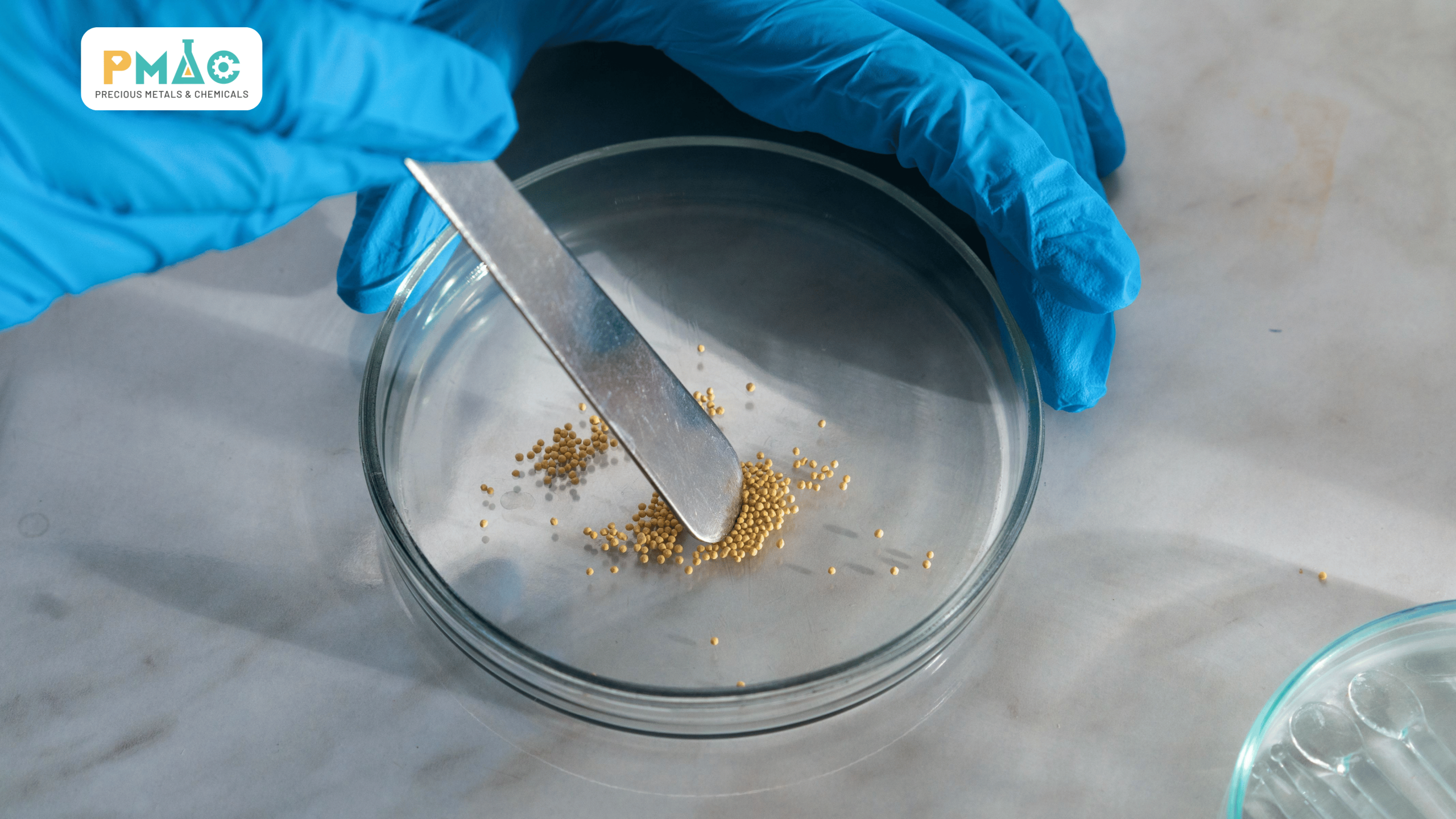
Figure 3. Recovered metals require further refining to achieve the appropriate form and purity
VI. Conclusion
The growing volume of e-waste is creating greater pressure on collection and recycling systems, while also revealing an increasingly important source of secondary raw materials. In the case of PCBs, the issue is no longer limited to “how should waste circuit boards be treated?” It also involves identifying which metals still retain value and how they can be recovered effectively.
From a business perspective, an effective recovery system needs to begin with the actual material stream. Scrap composition should be evaluated before the technology is selected; recovery stages need to be designed in the appropriate sequence; and chemicals, equipment, and operating conditions should be chosen according to the required output.
This is also the direction PMAC is developing in the field of precious metal recovery and refining. PMAC provides consulting services for designing and optimizing recovery processes based on each company’s feedstock characteristics, production scale, and recovery objectives, while also supplying materials, chemicals, machinery, and equipment for different stages of the process.
PMAC also provides technical support throughout implementation and operation, from evaluating the initial recovery challenge and selecting a suitable approach to supporting the resolution of issues that arise under actual production conditions.
The “gold mine” hidden in old circuit boards therefore does not mean that every PCB contains a large quantity of gold. Its real value lies in the ability to correctly identify what can still be recovered and develop an appropriate process that converts those materials back into usable resources.
PMAC Joint Stock Company
Ho Chi Minh City Office:
4th Floor, HUTECH Building, D1 Road, Saigon Hi-Tech Park, Tang Nhon Phu Ward, Ho Chi Minh City, Vietnam
Hanoi Office:
22B O2, Linh Dam Peninsula, Hoang Liet Ward, Hanoi, Vietnam
Hotline: +84 387 235 878
Facebook: PMAC