

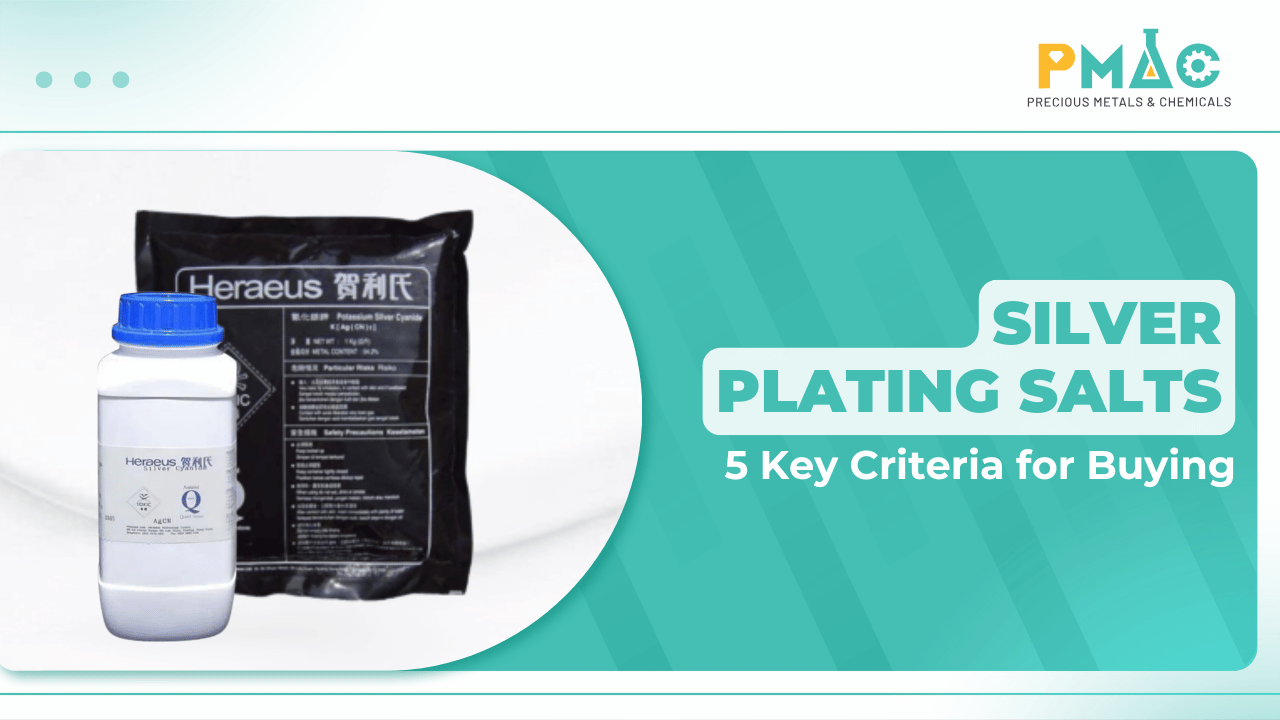
In the electroplating industry, silver salts are an essential source of silver ions for various silver plating electrolytes, directly affecting plating bath performance and the quality of the final coating. However, many businesses purchasing silver plating salts tend to focus primarily on price or silver content while overlooking other critical factors such as the type of silver salt, purity, product origin, and the supplier’s technical support capabilities.
As a result, they may select products that are not fully compatible with their production process, leading to higher operating costs and reduced plating bath stability. This article outlines the key criteria for selecting silver plating chemicals, helping businesses choose the most suitable product for their specific applications.
I. Why Shouldn’t Price Be the Only Consideration When Buying Silver Plating Salts?
Raw material cost is undoubtedly one of the first factors considered by purchasing departments. However, for chemicals used in electroplating processes, price represents only part of a product’s overall value.
A low-cost silver salt that fails to meet requirements for purity, silver content, or technical documentation may create significant issues during production. For example, the plating electrolyte may become unstable, coating defects may occur, and quality traceability can become difficult if problems arise.
Conversely, selecting the appropriate product from the outset helps maintain a stable plating bath, minimizes production risks, reduces defects, and lowers chemical losses—ultimately resulting in lower overall operating costs.
Read more: What Is Silver Salt? Why Is It Essential in Electroplating?
II. What Types of Silver Plating Salts Are Available?
In electroplating, silver salts serve as the source of silver ions (Ag⁺) in the plating electrolyte. During electrolysis, these silver ions are reduced and deposited onto the workpiece, forming a silver coating.
The two most commonly used silver salts are:
- Silver Cyanide (SC) – Chemical formula: AgCN
- Potassium Silver Cyanide (PSC) – Chemical formula: KAg(CN)₂
Although both belong to the cyanide silver family, they differ in chemical properties, usage methods, and practical applications.
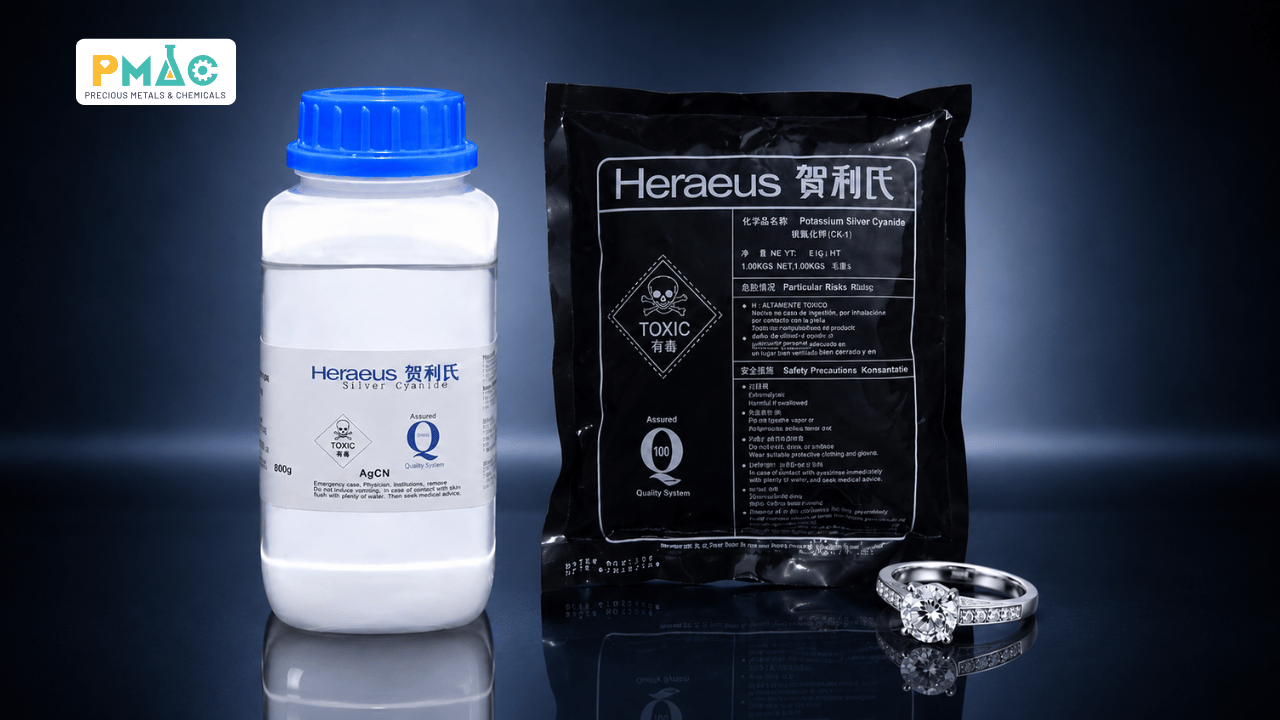
Figure 1. Common Types of Silver Plating Salts
1. Silver Cyanide (SC)
Silver Cyanide (SC) is a silver cyanide compound with the chemical formula AgCN. It is typically supplied as a white powder with a high silver content and is commonly used when preparing or replenishing various silver plating electrolytes.
Because of its high silver concentration, SC is often selected when a highly pure silver source is required for production. The quality of SC directly influences electrolyte stability and the ability to control the chemical composition of the plating bath.
However, SC should always be used according to the formulation specified for each plating system. It should not be substituted or adjusted without first evaluating the entire electroplating process.
2. Potassium Silver Cyanide (PSC)
Potassium Silver Cyanide (PSC), with the chemical formula KAg(CN)₂, is another cyanide-based silver salt widely used in electroplating.
Compared with SC, PSC offers better solubility in many cyanide silver plating electrolytes and is therefore commonly selected when preparing or replenishing plating baths based on this technology.
In practice, many commercial silver plating electrolyte formulations are designed around PSC to ensure a stable supply of silver ions throughout the plating process.
3. Comparison Between Silver Cyanide (SC) and Potassium Silver Cyanide (PSC)
| Criteria | Silver Cyanide (SC) | Potassium Silver Cyanide (PSC) |
|---|---|---|
| Chemical Formula | AgCN | KAg(CN)₂ |
| Silver Content | Approximately 80.5% | Approximately 54.2% |
| Product Form | White powder | White powder |
| Primary Role | Silver source for various plating electrolytes | Common ingredient in cyanide silver plating electrolytes |
| Key Feature | High silver content | Excellent solubility in many formulations |
| Product Selection | Depends on electrolyte formulation and technical requirements | Depends on electrolyte formulation and technical requirements |
The comparison above shows that the difference between SC and PSC is not about which product is “better,” but rather which one is more suitable for a particular application. Therefore, before purchasing silver plating salts, businesses should clearly identify their intended application and consult technical specialists to select the appropriate product.
III. Five Criteria for Choosing the Right Silver Plating Salt
Selecting the right silver plating salt not only helps maintain coating quality but also optimizes operating costs and minimizes production risks. Rather than focusing solely on price or silver content, businesses should evaluate products based on multiple technical criteria.
Below are five key considerations that surface finishing engineers, purchasing professionals, and manufacturers should assess before purchasing silver plating salts.
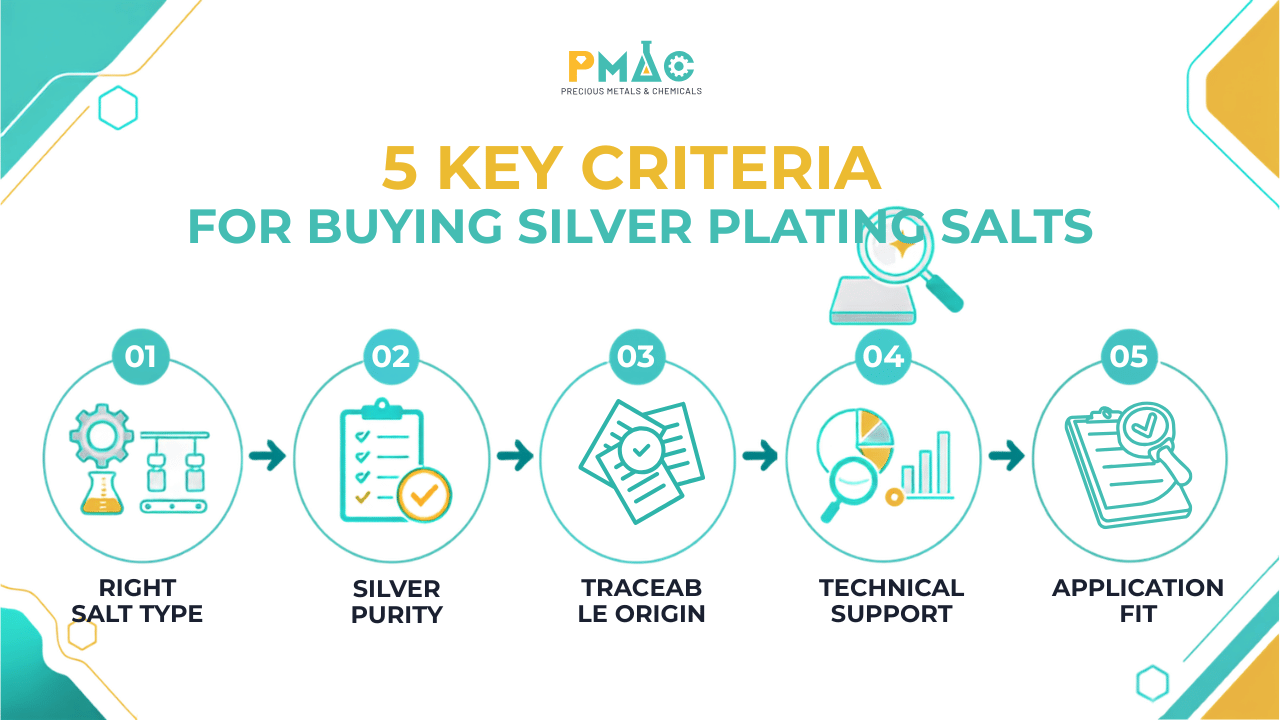
Figure 2. Key Criteria for Selecting Silver Plating Salts
Criterion 1. Choose the Correct Type of Silver Salt
Many people assume that a product with a higher silver content is always the better choice. In reality, Silver Cyanide (SC) and Potassium Silver Cyanide (PSC) are developed for different purposes within different plating electrolyte systems.
SC is commonly used as a high-silver-content raw material for preparing or replenishing certain plating electrolytes. PSC, on the other hand, is widely used in cyanide silver plating formulations due to its favorable solubility characteristics.
Selecting the wrong type of silver salt may alter the chemical composition of the plating bath and affect its operating parameters. Therefore, SC should not be substituted for PSC—or vice versa—without first evaluating the entire plating process.
If you are unsure which product is appropriate, consult your supplier’s technical team for recommendations based on your electrolyte formulation and application requirements.
Criterion 2. Check Purity and Silver Content
After determining the appropriate type of silver salt, the next step is to evaluate product quality. Two key parameters should be considered:
- Silver content (PM %)
- Chemical purity
Silver content indicates the amount of precious metal contained in the product. However, it is not the only factor that determines quality. A product may meet the required silver content yet still contain impurities that negatively affect plating performance.
During operation, unwanted impurities can alter the electrolyte composition, interfere with silver deposition on the workpiece, and make plating bath control more challenging.
For industries requiring highly consistent quality—such as jewelry manufacturing and electronics production—using raw materials with consistent quality from batch to batch helps minimize process variations and improve production stability.
Criterion 3. Choose Products with Clear Traceability
Products from reputable manufacturers make it easier for businesses to verify production processes, quality standards, and technical documentation. This is particularly important for companies that must comply with customer quality requirements or maintain complete raw material traceability.
Before making a purchase, verify whether the supplier can provide the following documentation:
- CO (Certificate of Origin): Confirms the product’s country of origin.
- COA (Certificate of Analysis): Verifies the quality specifications of each production batch.
- MSDS (Material Safety Data Sheet): Provides information for safe handling, storage, transportation, and use.
These documents not only support quality management but also help ensure compliance with safety and environmental regulations.
In addition, choosing products from well-established brands reduces the risk of counterfeit products, inferior-quality materials, or inconsistent batch performance.
Criterion 4. Select a Supplier That Provides Technical Support
One common misconception is that silver salt is simply another commodity chemical that can be purchased from any supplier. In reality, the performance of the same product can vary significantly depending on the electrolyte formulation, operating conditions, and production process.
Therefore, the value of a supplier extends beyond simply supplying chemicals—it also lies in providing ongoing technical support throughout the product’s lifecycle.
A technically capable supplier can assist with:
- Recommending the most suitable silver salt for your application.
- Explaining key technical specifications.
- Providing guidance on proper use within your existing plating electrolyte.
- Assisting in troubleshooting plating defects related to chemical performance.
- Recommending process optimization solutions when necessary.
This level of support is particularly valuable for companies developing new products, expanding production capacity, or optimizing existing plating lines.
Read more: How to Evaluate a Reliable Electroplating Chemical Supplier
Criterion 5. Select the Right Product for Your Application
No single silver salt is suitable for every electroplating process. Each industry has its own technical requirements for silver coatings, which directly influence raw material selection.
The appropriate silver salt should be chosen based on a comprehensive evaluation of the entire production process rather than solely on product specifications.
This is why many manufacturers consult their suppliers before placing an order, especially when establishing a new plating bath or upgrading existing plating technology.
Read more: What Are Silver Plating Salts? Their Role in Decorative and Technical Electroplating
Read more: How Do Silver Plating Salts for Jewelry Differ from Those Used for Electrical Contacts?
Summary: Five Criteria for Selecting Silver Plating Salts
| Criterion | What to Evaluate | Why It Matters |
|---|---|---|
| Select the correct silver salt | SC or PSC | Ensures compatibility with the plating electrolyte formulation |
| Check purity and silver content | PM (%), impurity level | Affects coating quality and plating bath stability |
| Choose products with clear traceability | Brand, CO, COA, MSDS | Facilitates quality control and traceability |
| Select a supplier with technical support | Technical consultation, troubleshooting, after-sales support | Reduces operational risks and improves process reliability |
| Match the product to the application | Jewelry, electronics, electrical contacts, etc. | Meets the technical requirements of each industry |
IV. PMAC – Your Technical Partner for Selecting the Right Silver Plating Solution
For manufacturers, choosing a supplier is about more than simply sourcing chemicals—it is about finding a technical partner that can provide reliable support throughout the entire production process.
PMAC is committed to becoming that technical partner by supporting customers from raw material selection through plating bath operation and process optimization.
When purchasing silver plating salts from PMAC, customers benefit from:
- Genuine Silver Cyanide (SC) and Potassium Silver Cyanide (PSC) supplied by Heraeus (Germany).
- Complete technical documentation, including CO, COA, and MSDS, to support product traceability and quality management.
- Technical consultation to help select the most suitable product based on the plating electrolyte formulation and application requirements.
- Assistance in addressing chemical-related issues encountered during production.
- Ongoing support in evaluating and optimizing electroplating processes whenever needed.
For high-performance applications such as jewelry manufacturing, electronic components, and electrical contacts, consulting with PMAC’s technical team before purchasing can help ensure the right chemical is selected from the beginning, minimizing production risks and improving process efficiency.
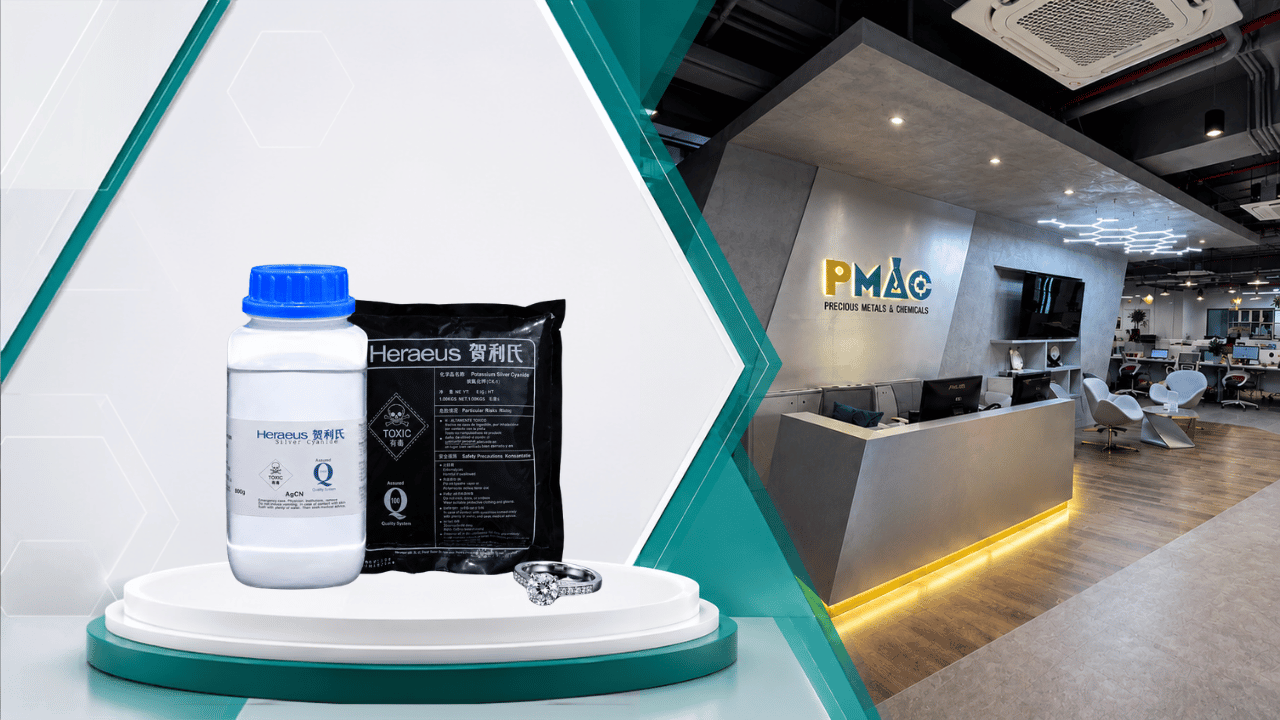
Figure 3. PMAC – A Trusted Supplier of Silver Plating Salts
Conclusion
Purchasing silver plating salts is more than a raw material procurement decision—it is an investment in product quality, process stability, and manufacturing efficiency.
Rather than focusing solely on price or silver content, businesses should carefully evaluate factors such as the type of silver salt, chemical purity, product traceability, technical documentation, and the supplier’s technical expertise. These considerations help reduce operational risks while ensuring a stable and reliable plating process.
When comparing Silver Cyanide (SC) and Potassium Silver Cyanide (PSC), there is no universally “better” option—only the option that best suits your plating electrolyte formulation and technical requirements. Each product has its own characteristics and application scope, making proper selection essential for achieving optimal plating performance.
If your company needs guidance in selecting the most suitable SC or PSC for your electroplating process, PMAC is ready to support you—from product selection and technical consultation to process optimization—helping you implement the most appropriate solution for your manufacturing needs.
PMAC Joint Stock Company
Ho Chi Minh City Office
4th Floor, HUTECH Building, High-Tech Center, D1 Road, Saigon Hi-Tech Park, Tang Nhon Phu Ward, Ho Chi Minh City, Vietnam
Hanoi Office
22B O2, Linh Dam Peninsula, Hoang Liet Ward, Hanoi, Vietnam
Hotline: (+84) 387 235 878
Facebook: PMAC